What an Oil Resistant Conveyor Belt Is
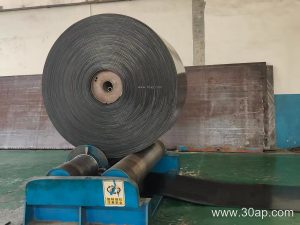
An oil resistant conveyor belt is a rubber conveyor belt built to tolerate contact with mineral oils, vegetable oils, greases, and oily residues without the cover swelling, softening, or cracking too quickly. In plants where material carries oil mist, drips, or coated dust, the belt cover is often the first component to fail, so the compound matters as much as the tensile strength. The same product is also described as an oil-resistant rubber conveyor belt, and this article uses both names for the same item.
Oil attack is usually slow and local. A spot under a transfer chute or a dribble from a gearbox can soften the cover, and the softened area then picks up abrasion faster than the rest of the belt. Choosing a belt for oil exposure is therefore about matching the cover compound to the actual oil and the working temperature, not only about buying a heavier belt.
Construction and Compound Choices
Most oil resistant conveyor belt designs use a fabric core or a steel cord core, with cover compounds selected for oil contact. Common carcass options include EP conveyor belt fabric, NN conveyor belt fabric, and steel cord conveyor belt constructions where high tension is needed. Multi-ply fabric core conveyor belt designs are common in medium-duty conveying, while heavy-duty mining conveyor belt duties may call for steel cord or high-strength fabric.
Cover thickness is normally specified as top cover plus bottom cover, for example 4+2 mm or 6+2 mm. Thicker covers give more wear and oil exposure time before the carcass is reached, but they also add weight and stiffness. Belt edges, splices, and the pulley side deserve attention, because oil often reaches the return side through carryback.
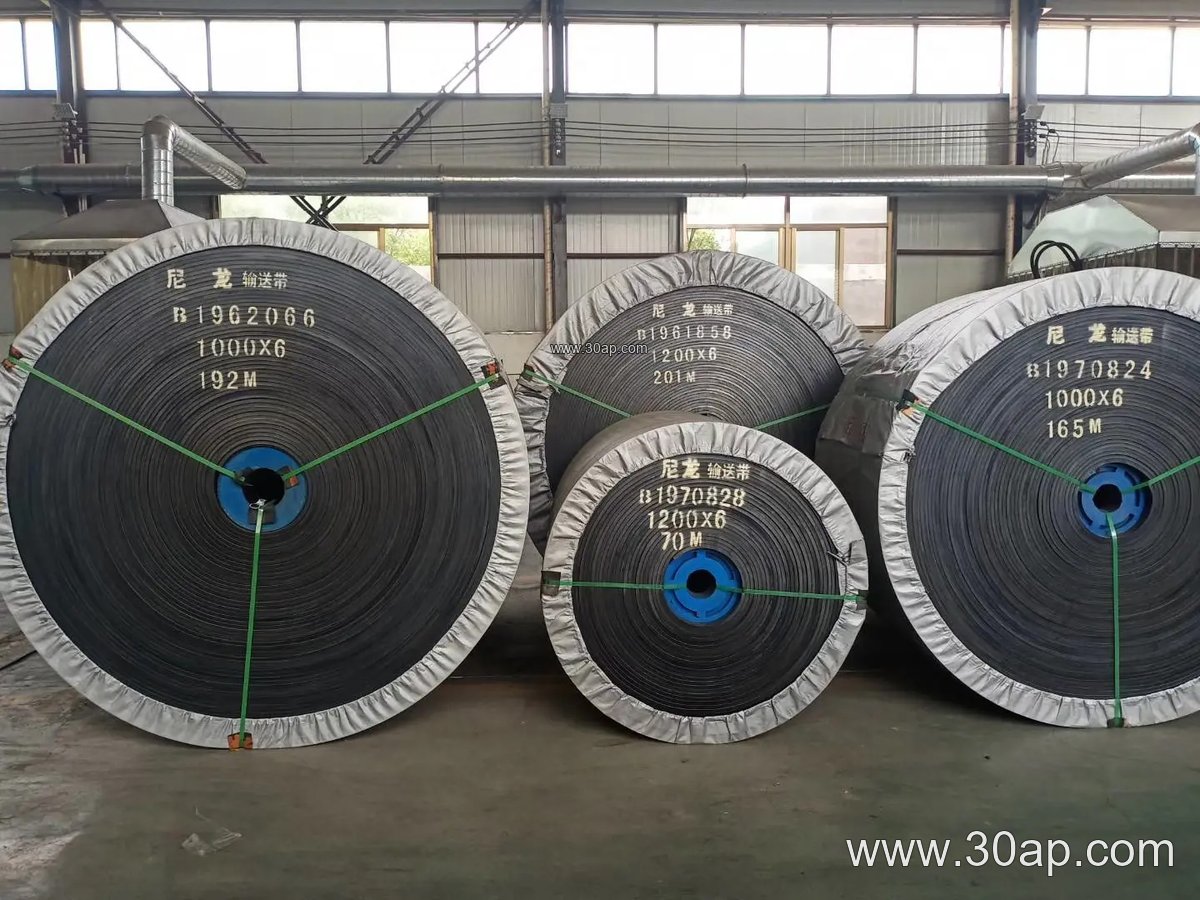
Typical Specifications
The table below shows reference ranges that buyers often see for oil resistant belts. Values vary by manufacturer and should be confirmed in the technical data sheet.
| Parameter | Common reference values |
|---|---|
| Belt width | B500, B650, B800, B1000, B1200, B1400, B1600 |
| Fabric strength grades | EP200, EP315, EP400, EP500, EP630, EP800, EP1000 |
| Cover thickness | 3+1.5, 4+2, 5+2, 6+2, 8+3 mm |
| Carcass plies | 2 to 6 plies in common fabric constructions |
| Core type | Fabric core or steel cord, depending on tension |
These figures are not fixed combinations. A 1200mm wide belt may run on different pulley diameters in different conveyor designs, and shaft size follows the conveyor frame and pulley rating rather than belt width alone.
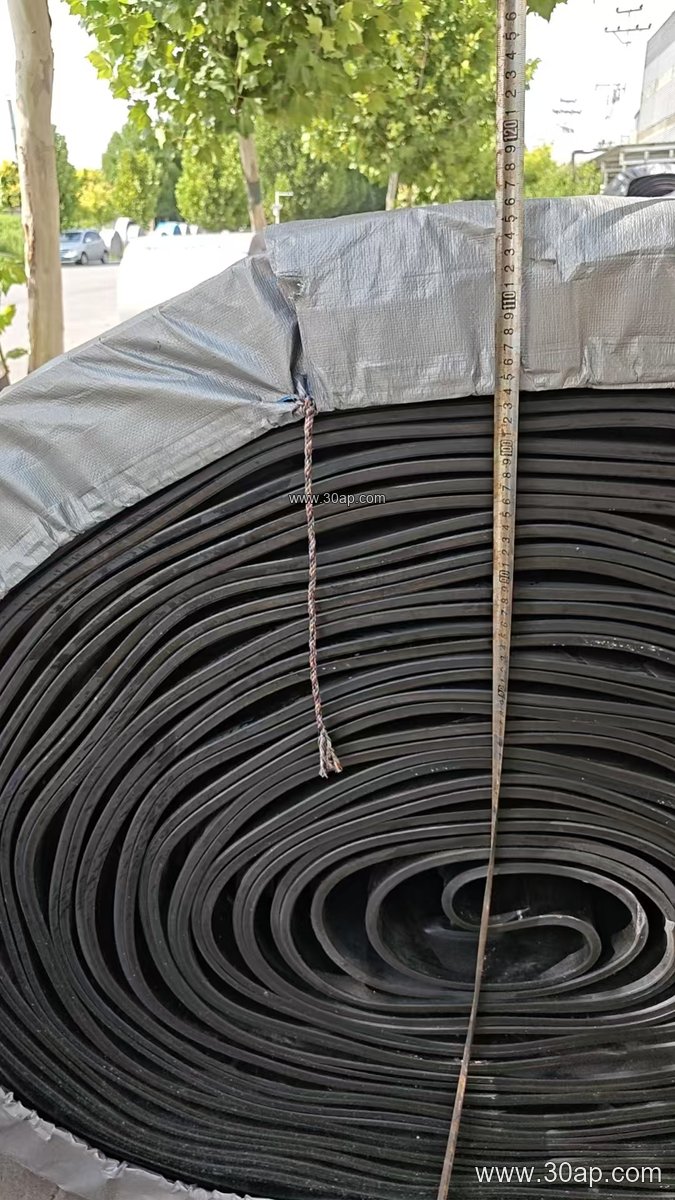
Where the Belt Fits
Oil resistant belts appear in recycling lines where used oil filters and oily scrap are handled, in metalworking and scrap yards, in some cement plant and power plant coal handling where lubricant drips are present, and in food processing areas conveying oily products. In sand and gravel plants, oil exposure is usually limited to drive stations and lubrication points, so a standard abrasion resistant conveyor belt may be enough unless oil is a known problem.
Where flame spread and oil resistance are both required, a flame retardant conveyor belt compound may be combined with oil resistance, but the two properties should be confirmed together. For underground coal mining conveyor belt applications, fire resistance and anti-static behavior are usually mandatory, and the oil resistance rating should be checked as an added property. In quarry conveyor belt and aggregate conveyor belt duties, impact resistant conveyor belt covers are sometimes preferred at transfer points, with oil resistance needed only in specific spots.
Buyer Checklist
- Identify the oil type and temperature, since mineral oil, vegetable oil, and grease affect rubber differently.
- Confirm the cover compound and cover thickness, not just the tensile grade.
- Check splice material compatibility, because an oil resistant cover does not automatically mean an oil resistant splice.
- Review the return side and the pulley side for carryback and drips; the tail pulley and bend pulley areas often collect oil.
- Match the belt to the drive pulley and tail pulley ratings, and keep idler roller spacing and conveyor bracket condition in the maintenance plan.
Maintenance also matters. Keeping a conveyor pulley clean, replacing damaged idler rollers, and removing oil pooling on the return run reduce the exposure that shortens belt life. Buyers can ask for cover compound data, oil resistance test results, and recommended cleaning methods before ordering.
For more information on belt, roller and pulley selection, visit www.beltconveyorparts.com or review our conveyor belt and conveyor pulley guidance.