What a Vertical Idler Bracket Does
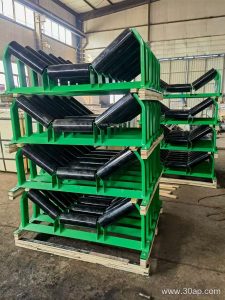
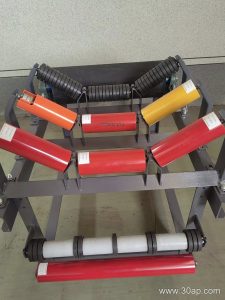
A vertical idler bracket is a mounting component that holds idler rollers in a vertical or near-vertical orientation on a conveyor. In practice, the term usually refers to the bracket that carries the return-side rolls in a V-shaped or steeply angled arrangement, guiding the empty belt as it travels back to the tail. Unlike a flat return bracket that supports the belt on a single horizontal roller, this bracket positions two rolls at an angle so the belt forms a shallow V. That shape helps the belt track straighter on the return run and sheds loose material that would otherwise build up on the rollers.
The bracket is a structural part, not a wear part in the same sense as the belt, but its alignment directly affects how long the conveyor belt and idler roller last. A twisted or loose bracket shows up quickly as edge wear, mistracking, or noisy operation.
Construction and Mounting
Most vertical idler brackets are fabricated from angle steel, channel steel, or folded steel plate. The frame is welded or bolted, with mounting slots or holes that let maintenance crews adjust position during installation. The roll seats are set at a fixed angle on a standard bracket; adjustable versions allow the angle to be changed within a range.
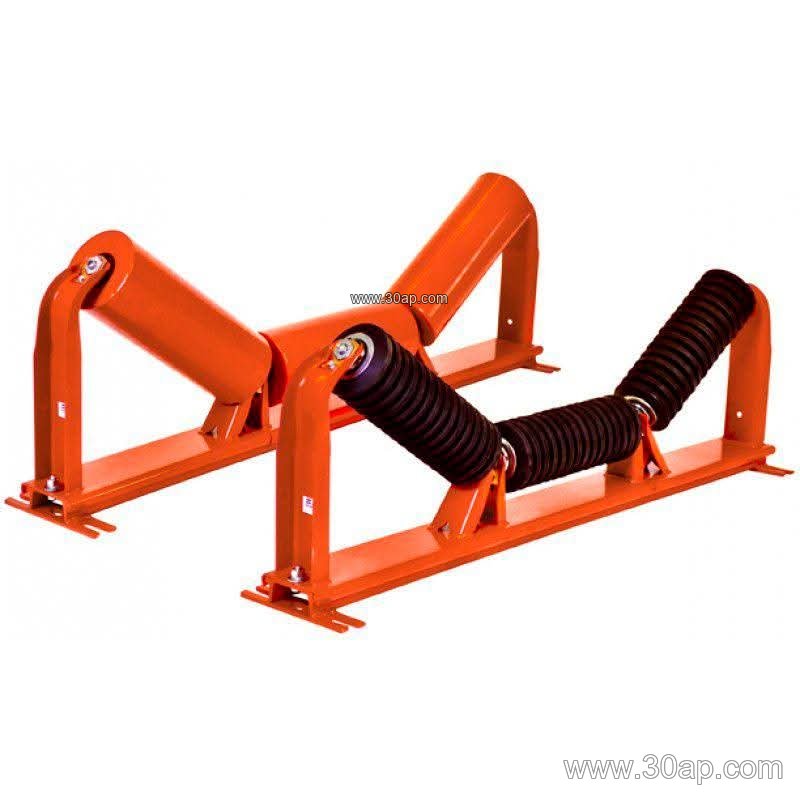
Typical build details include:
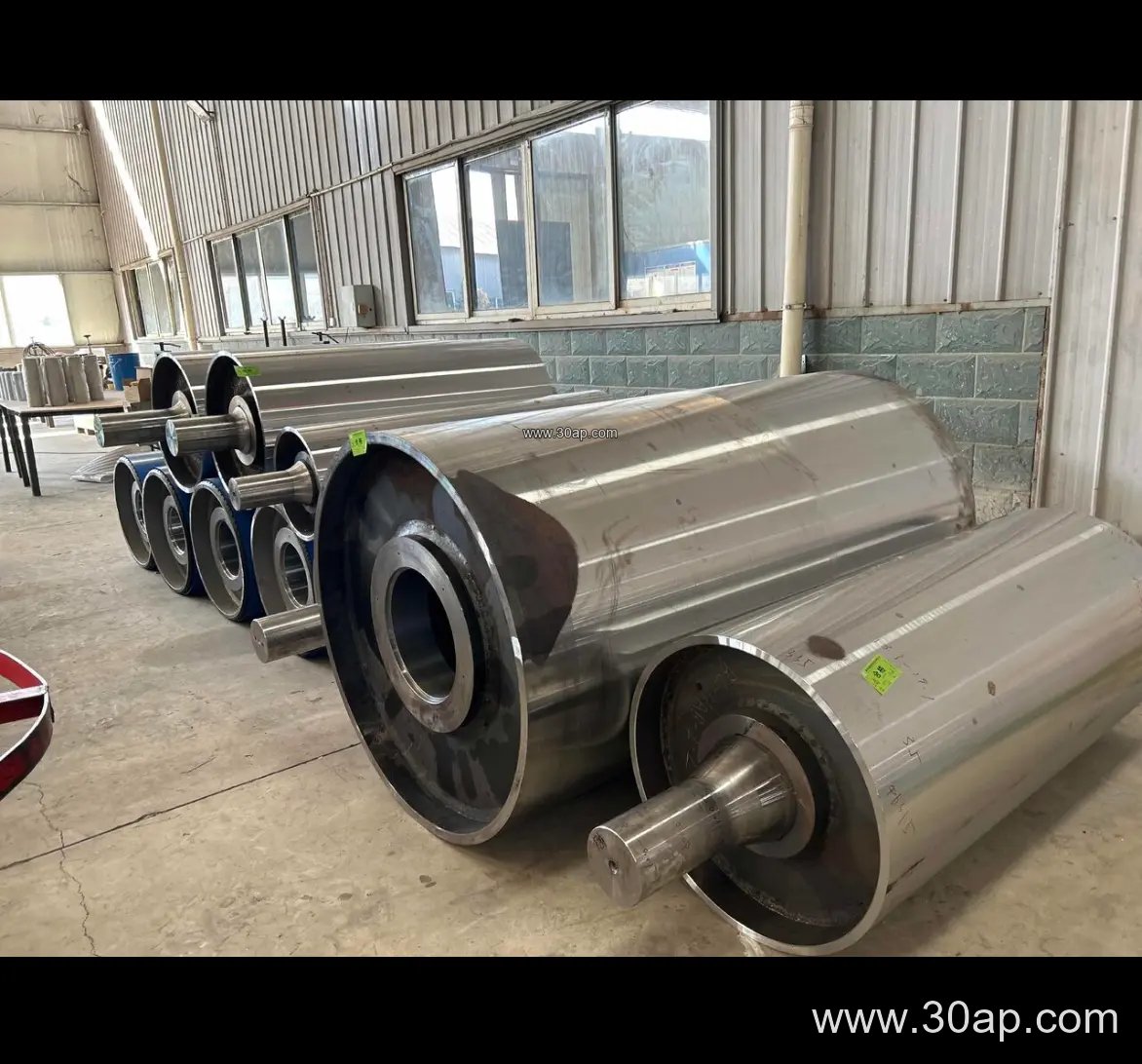
- Folded or welded frame in 3 mm to 8 mm plate, depending on load
- Slotted mounting holes for lateral alignment
- Roll seats sized for common shaft ends
- Painted or galvanized finish for dusty and wet environments
The bracket bolts to the conveyor stringer or to a cross beam. On a retrofit, check that the existing hole pattern matches the new bracket, because hole spacing and beam length change with belt width and trough angle. These dimensions are set by design, not by a universal table.
Where It Fits in the Conveyor
Return-side support is the usual job. In a quarry or aggregate line, fines and spillage collect under the belt, and a V-return bracket keeps the belt centered while letting debris fall away. In a coal handling plant or power plant coal yard, the same bracket helps keep the return belt from rubbing the structure. In a cement plant, a lime kiln feed line, or a fertilizer granulation line, dust build-up is a constant concern, and the angled rolls reduce the flat surface where material can sit.
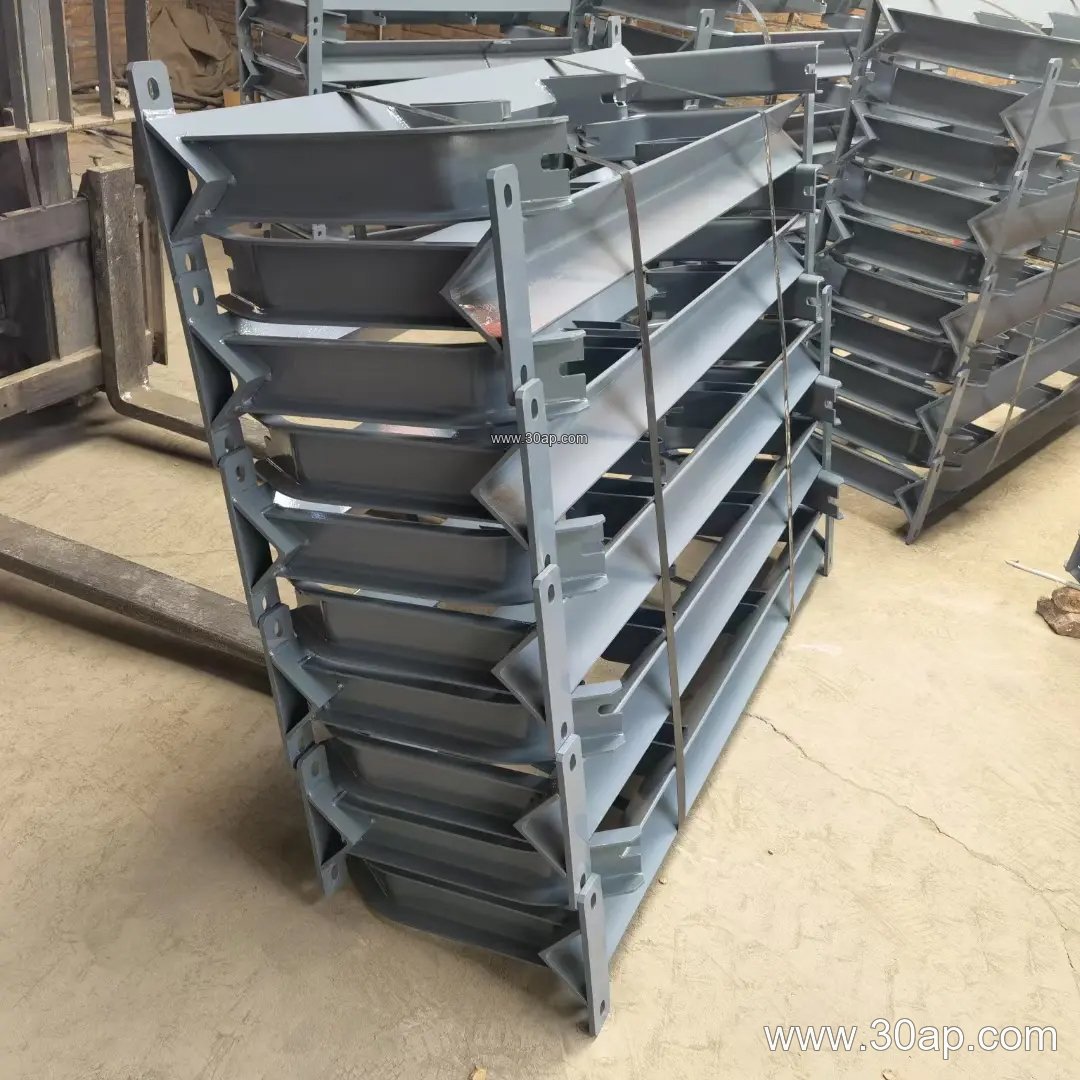
The bracket works alongside the carrying idlers, the conveyor pulley at the head and tail, and the belt itself. It is not a substitute for a bend pulley or a tail pulley; those are separate components with different duties. When engineers compare options, they sometimes look at a transition bracket or a self-aligning bracket for the carrying side, while the vertical bracket stays on the return side.
Matching Belt Width, Trough Angle, and Roll Diameter
There is no single rule that ties one belt width to one angle or one roll diameter. The table below shows common reference combinations; the final choice depends on belt speed, load, and space.
| Belt width | Common trough angle | Typical roll diameter |
|---|---|---|
| B500 | 20 to 30 degrees | Ø89 |
| B650 | 30 degrees | Ø89 to Ø108 |
| B800 | 30 to 35 degrees | Ø108 |
| B1000 | 35 degrees | Ø108 to Ø133 |
| B1200 | 35 to 45 degrees | Ø133 |
| B1400 | 35 to 45 degrees | Ø133 to Ø159 |
| B1600 | 35 to 45 degrees | Ø159 |
| B1800 to B2000 | 35 to 45 degrees | Ø159 to Ø194 |
These are reference values, not fixed pairings. A B1200 conveyor might run a 30 degree return V or a 45 degree one, and the roll diameter follows the shaft and bearing selection rather than the belt width alone.
Buyer Checklist
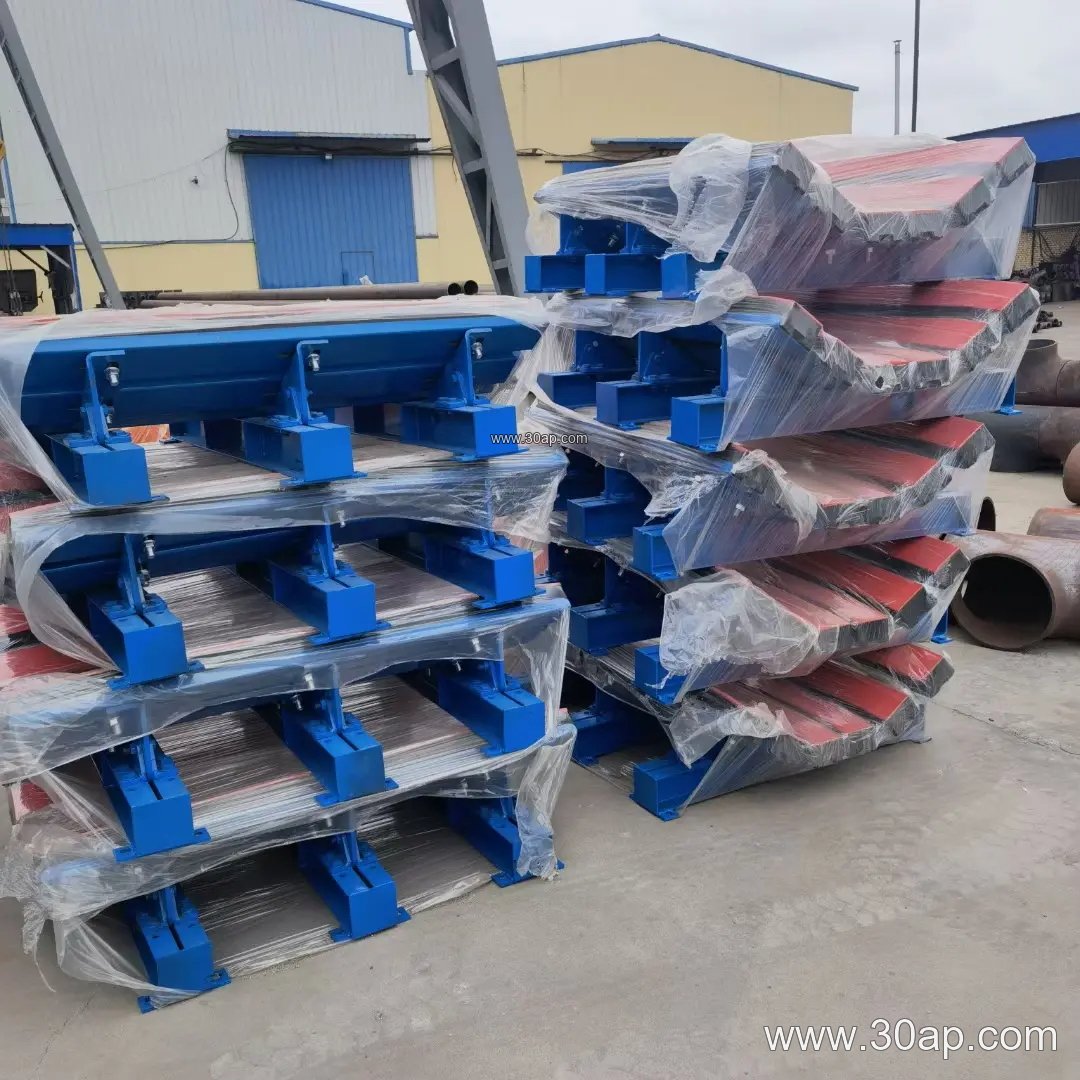
Before ordering, confirm the belt width, the required return angle, the shaft end size, and the mounting hole pattern on the stringer. Ask whether the bracket is fixed or adjustable, and whether the finish suits the site. In a wet wash plant or a port terminal, corrosion protection matters more than in a dry sand pit. For heavy-duty mining conveyor belt service, thicker plate and reinforced welds are worth specifying.
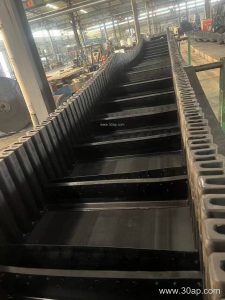
Also think about the belt type in use. A heat resistant conveyor belt or a flame retardant conveyor belt may run in an area where the bracket finish and clearance need extra attention. An abrasion resistant conveyor belt carrying sharp rock puts more vibration into the frame, so bolt torque checks belong in the maintenance plan. On a pipe conveyor belt or a corrugated sidewall conveyor belt, the return geometry differs, and the bracket must match that design.
Finally, keep spare brackets on hand for the return run. A bent bracket is quick to replace and cheap compared with the belt damage it can cause. Check alignment after any roller change, and re-torque fasteners after the first weeks of operation.