What a Custom Conveyor Bracket Does on a Belt Line
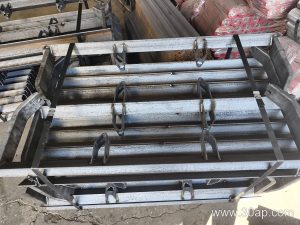
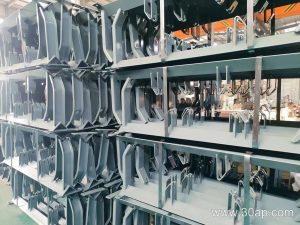
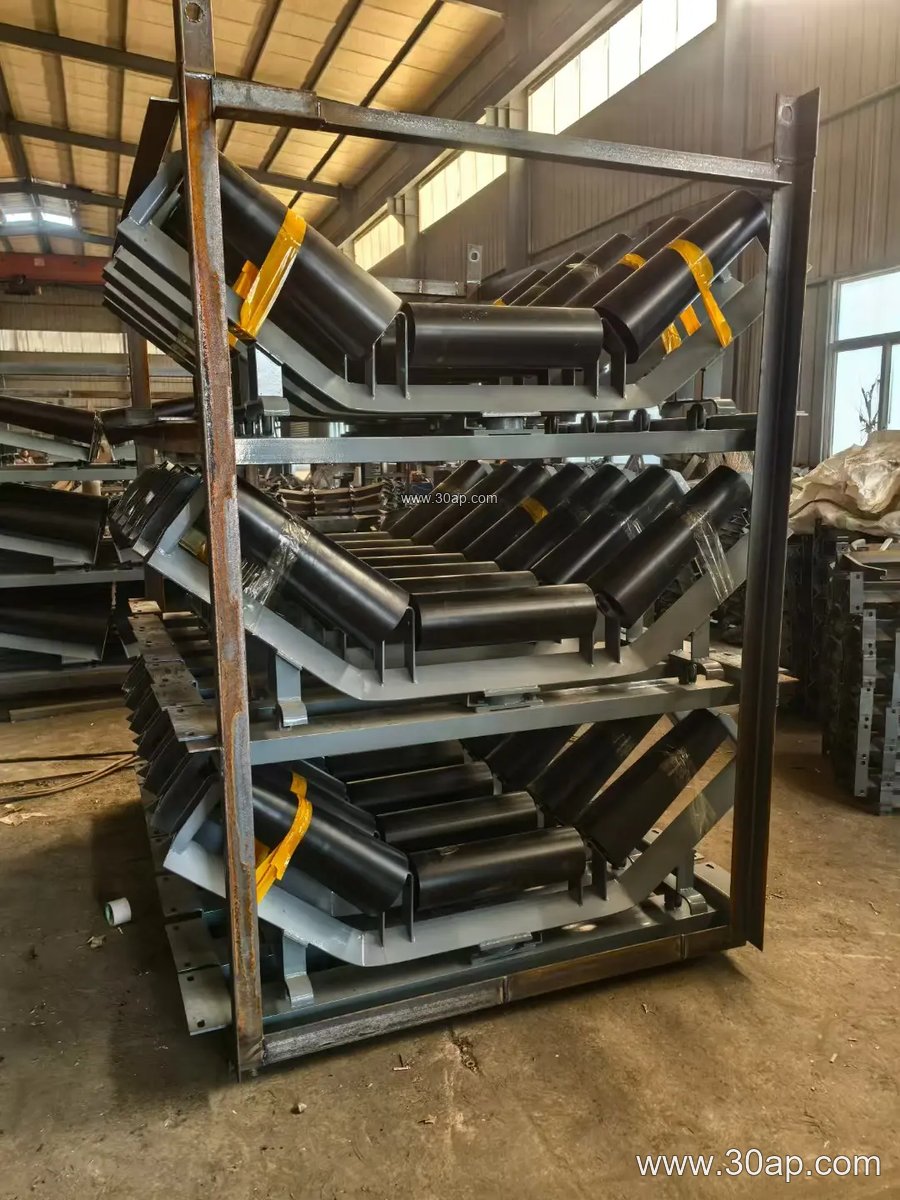
A custom conveyor bracket is a fabricated support component made to match a particular conveyor layout rather than a catalog standard. It holds idler rollers at the correct position and angle so the belt runs true, and because it is built to order, it can accommodate nonstandard frame widths, unusual mounting hole spacing, tight transitions, or equipment that has been modified over time. In a quarry, a cement plant, or a power plant coal yard, replacing a worn bracket often means matching an existing hole pattern that no stock part fits.
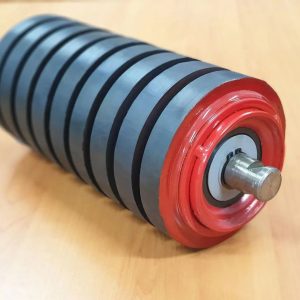
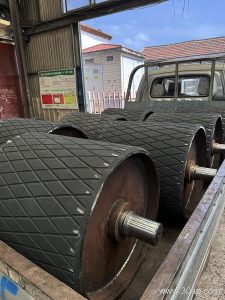
The bracket is not a pulley. It does not drive, redirect, or tension the belt; those jobs belong to the drive pulley, tail pulley, and bend pulley respectively, and none of these are interchangeable. The bracket simply carries the rollers that support the belt on its carrying and return runs.
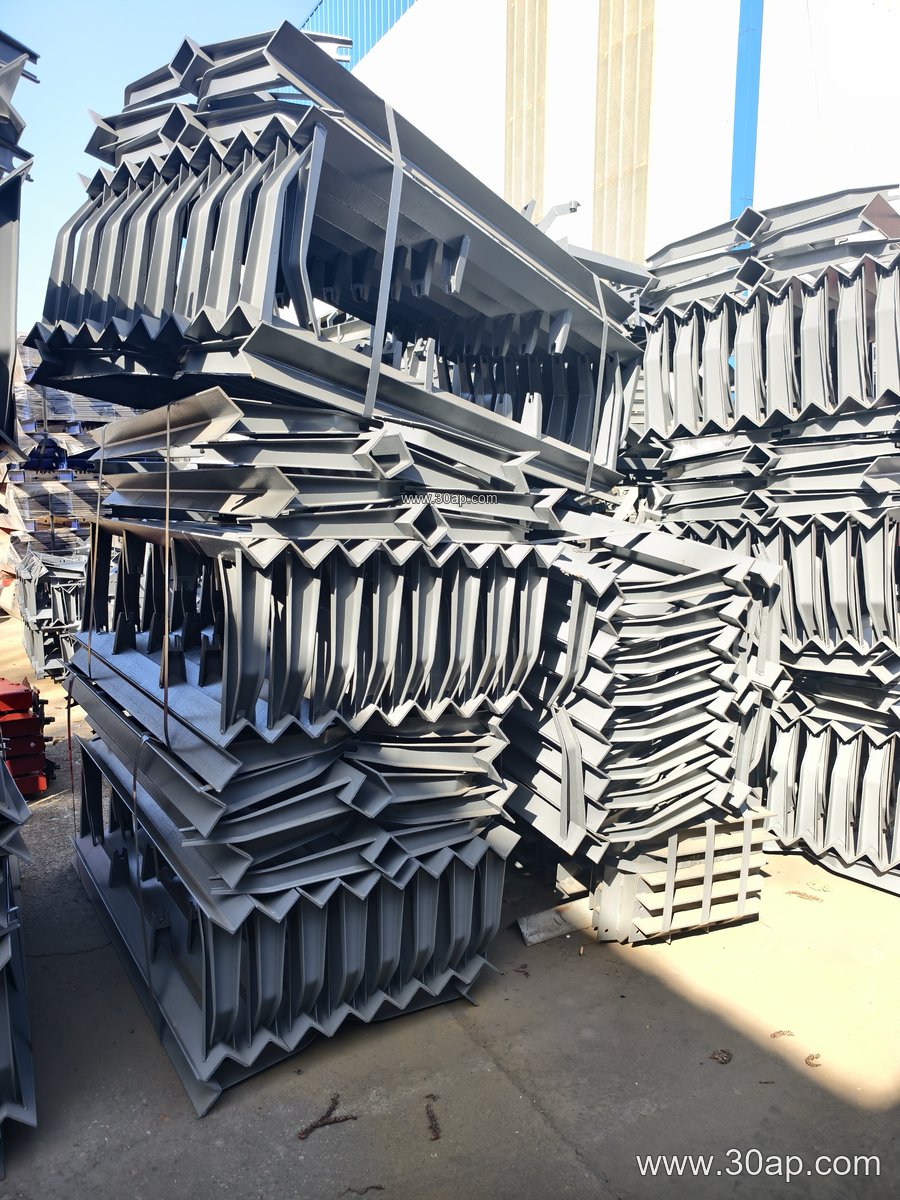
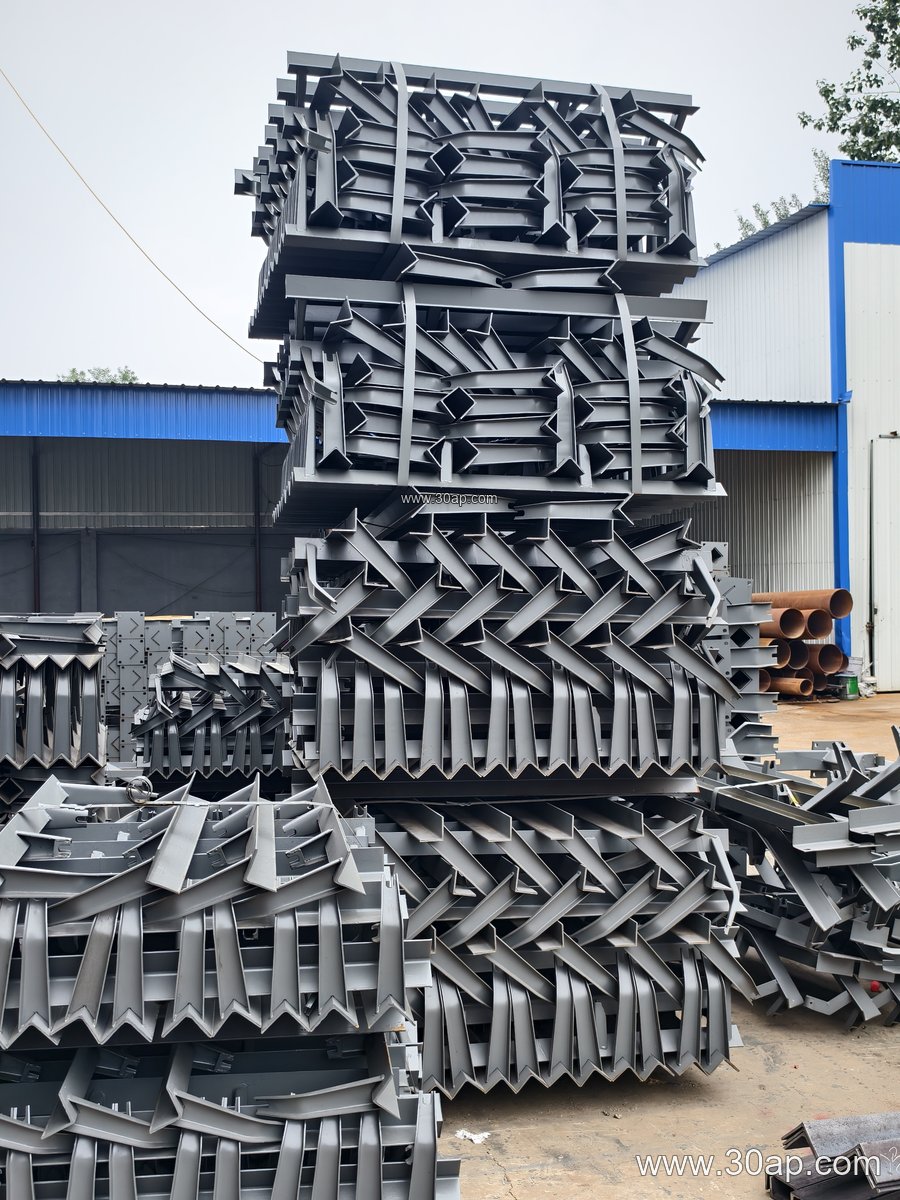
How the Bracket Is Built
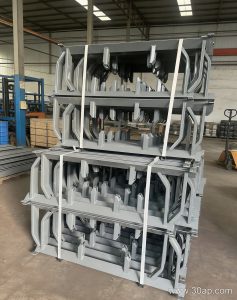
Most units are formed from angle steel, channel steel, or bent steel plate, then drilled and welded to suit the roller frame. A custom fabrication usually follows the actual installation: the fabricator checks the belt width, the required trough angle, the roller diameter, and the distance between mounting holes before cutting material. Common belt widths range from B500 up to B2000 and beyond, and trough angles are frequently 20, 30, 35, or 45 degrees. Roller diameters such as Ø89, Ø108, Ø133, Ø159, and Ø194 appear across these lines, but the pairing of width, angle, and roller size is decided by the conveyor design, not by a fixed rule.
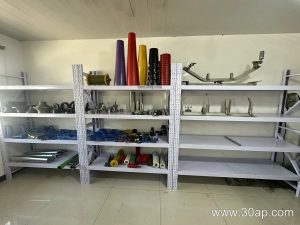
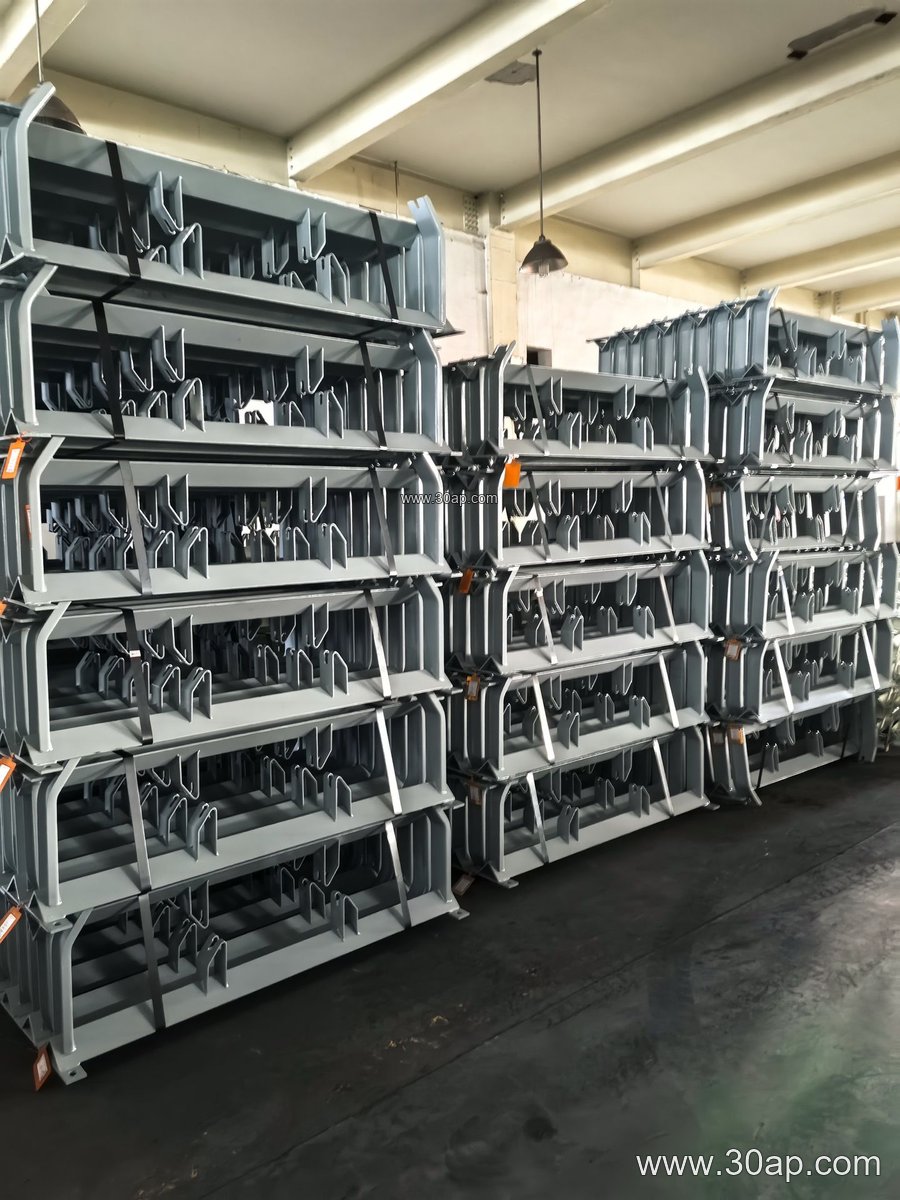
Typical bracket families include troughing brackets for the carrying side, transition brackets near pulleys, return brackets and V-return brackets underneath, impact brackets at load points, and self-aligning or tilting brackets for belt training. Adjustable versions let maintenance staff change the trough angle between the common settings without replacing the frame.
Reference Dimensions Often Discussed During Fabrication
| Parameter | Common Range | Notes |
|---|---|---|
| Belt width | B500 to B2200 | Hole spacing and crossbeam length vary with width and trough angle |
| Trough angle | 20°, 30°, 35°, 45° | Adjustable brackets cover several settings |
| Roller diameter | Ø89, Ø108, Ø133, Ø159, Ø194 | Selected from load and belt speed requirements |
| Forward tilt | About 1.5° to 2° | Used on training brackets to help center the belt |
| Material | Angle steel, channel steel, bent plate | Thickness and finish per site conditions |
These figures are reference values only; actual dimensions are confirmed against the drawing or the site measurement.
Where Custom Brackets Are Used
Two settings where made-to-fit brackets earn their keep are stone crushing and screening lines, and coal handling in power stations. In a crushing circuit, impact brackets at the feed point absorb the drop from the crusher and keep the belt supported where a standard frame would flex. In a coal yard, flame retardant conveyor belt and anti-static properties matter, and the brackets must fit around existing frames without weakening the structure.
The same approach suits cement plants moving clinker on heat resistant conveyor belt, ports handling bulk material, and steel works where high abrasion resistant conveyor belt carries sinter or ore. Fabrication is also common on pipe conveyor belt lines and on skirted or corrugated sidewall belt installations, where the frame geometry differs from a plain trough.
What Buyers Should Confirm Before Ordering
- Measured belt width and the trough angle actually used on the line, not just the original drawing.
- Roller diameter and the exact mounting hole centers on the existing frame.
- Whether a fixed or adjustable bracket is preferred, and whether forward tilt is needed.
- Material thickness and surface treatment for dusty, wet, or corrosive conditions.
- Access for installation, since brackets near a drive pulley or tail pulley are harder to reach.
Ordering by measurement avoids the most common failure: a bracket that fits the roller but not the frame. A short site survey of the carrying and return sides, plus a note on the belt type in use, gives the fabricator enough to produce a part that installs without modification.