What a belt tracking idler does on a conveyor
A belt tracking idler is a rotating roll assembly positioned to keep the conveyor belt centered on its intended path. Rather than acting as a drive or take-up component, this idler corrects lateral drift by using slight angular offsets or self-aligning frames that nudge the belt back toward the middle of the structure. In a quarry, a cement plant, or a power plant coal yard, even a small misalignment can lead to edge wear, spillage, and premature damage to the conveyor belt, so tracking idlers are often the first line of defense against belt wander.
These units are frequently called self-aligning idlers or training idlers, and the two terms describe the same product family. They should not be confused with drive pulleys, tail pulleys, or bend pulleys, which transmit power or redirect the belt path. A tracking idler works passively with the belt, using friction and geometry to maintain alignment.
Construction and common designs
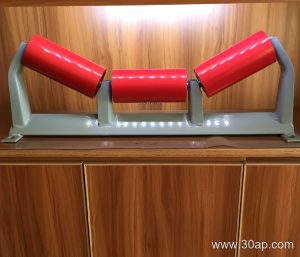
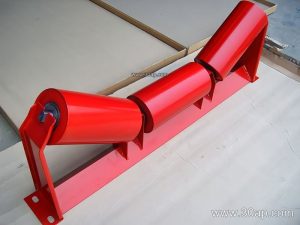
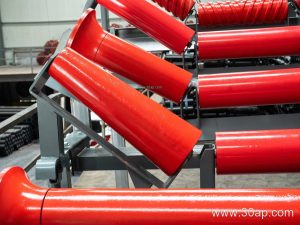
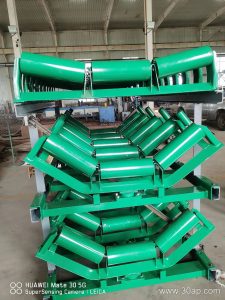
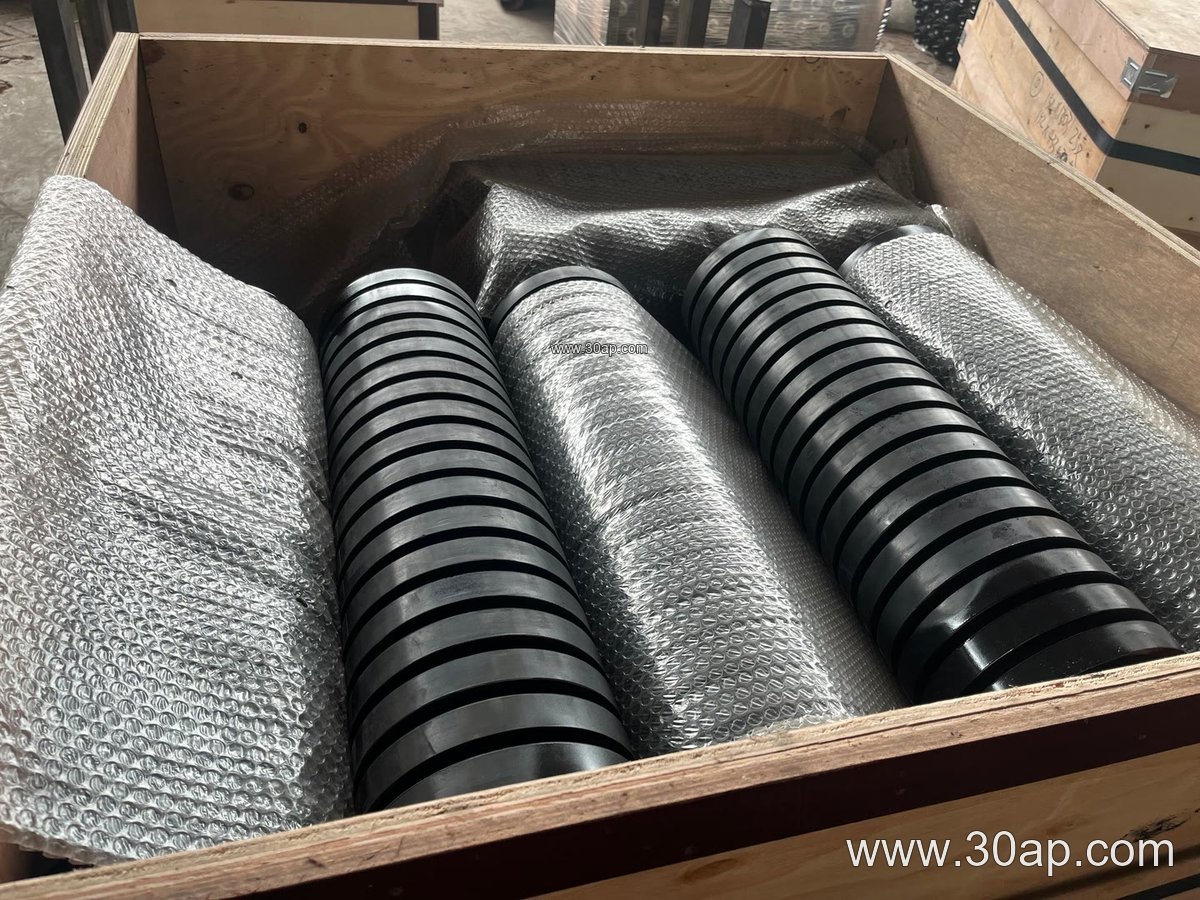
A typical belt tracking idler consists of a steel tube shell, bearing housings, a shaft, and a mounting frame that allows the roll set to pivot. The frame may be a single central pivot for a two-roll or three-roll troughing arrangement, or a vertical-axis design that senses belt edge contact and rotates the idler group accordingly. Roller surfaces are usually steel, though rubber-covered or ceramic-faced rolls appear where extra grip or wear resistance is needed.
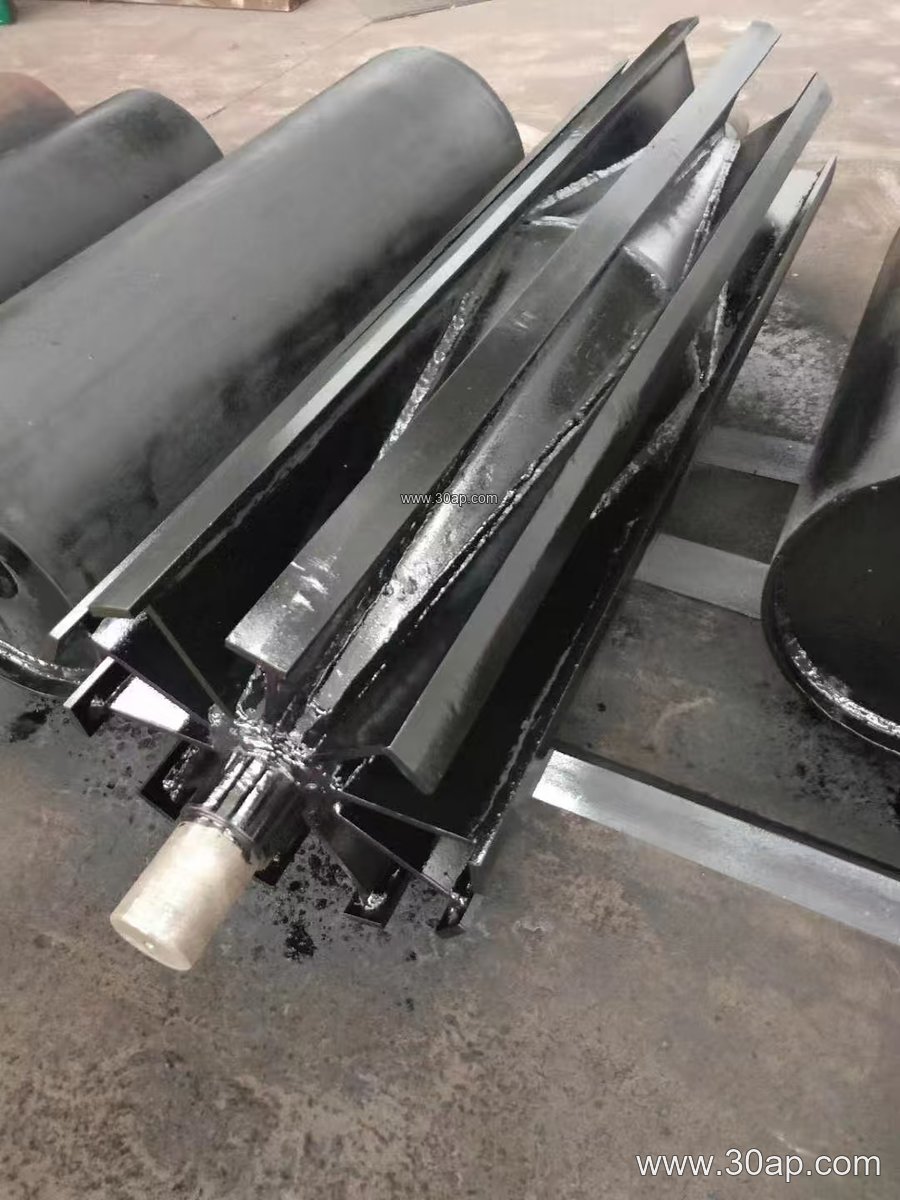
Common roll diameters include Ø89, Ø108, Ø127, Ø133, and Ø159 mm, with larger sizes such as Ø178 or Ø194 mm used on heavy-duty installations. Bearing sizes are matched to load and speed rather than to belt width alone; 6205, 6305, and 6308 are frequently seen in medium-duty tracking rolls. Shaft diameter is determined by the frame design and load calculation, not by belt width in isolation.
- Friction self-aligning idler: pivots when the belt contacts a vertical roller
- Conical self-aligning idler: tapered rolls create differential surface speed to steer the belt
- Troughing tracking idler: three-roll arrangement with a pivoting frame for the carrying side
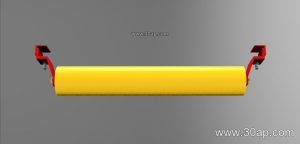
- Return-side tracking idler: flat or V-shaped rolls that guide the belt on its return run
Where tracking idlers are used
Belt tracking idlers appear wherever long conveying runs are prone to misalignment. In a limestone mine or iron ore concentrator, heavy loads and uneven loading points can push a belt sideways. In a coal washing plant, sticky material and moisture may cause the belt to creep. Aggregate lines and crushing circuits often install tracking idlers after transition zones and before the head pulley to stabilize the belt before discharge.
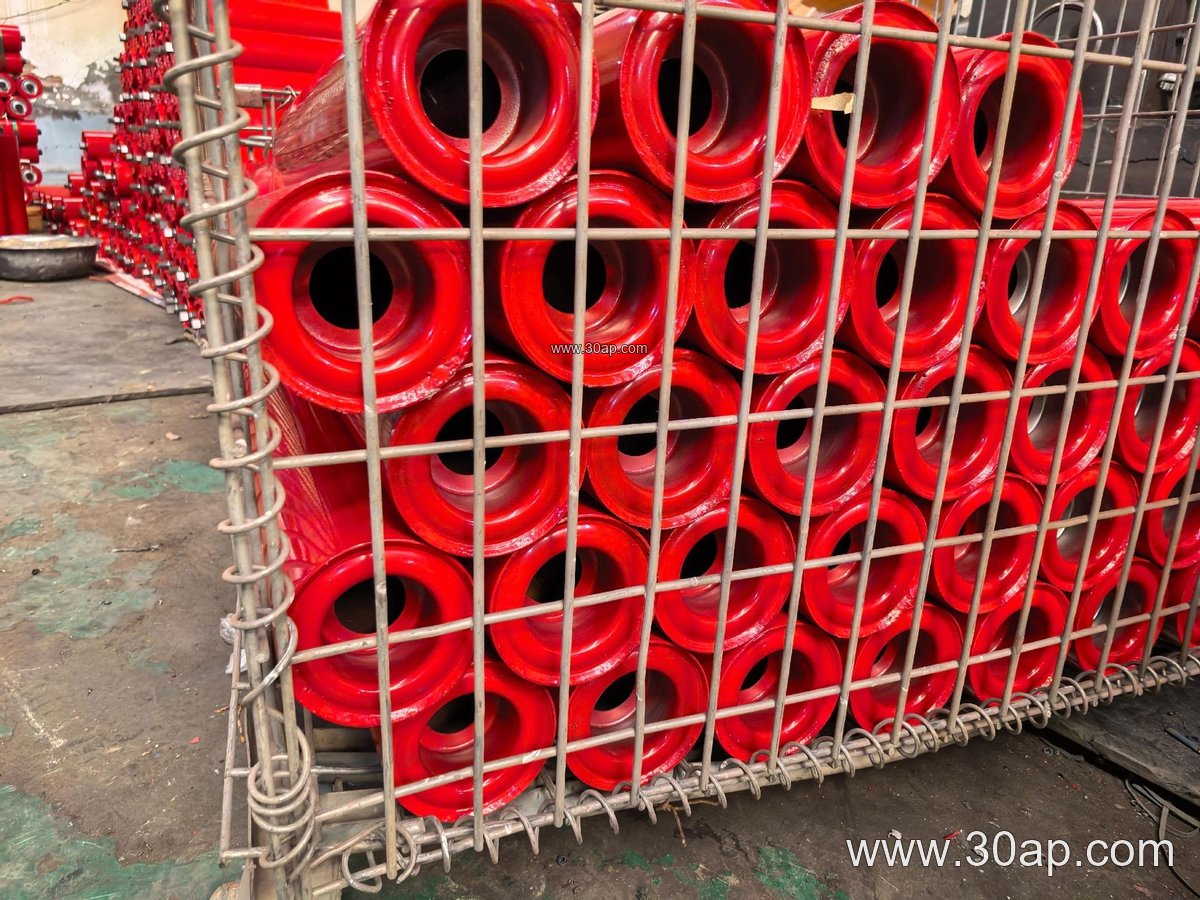
They are equally relevant in cement plants handling clinker, in port bulk terminals, and in tunnel spoil removal. On a conveyor carrying an EP conveyor belt or a steel cord conveyor belt, tracking idlers help protect the belt edges from fraying. For a chevron conveyor belt or a corrugated sidewall conveyor belt, the idler arrangement must account for the raised profile, so the roll face and frame clearance need careful review.
Sizing notes for buyers
Selection starts with belt width and the troughing configuration. A three-roll troughing set on a B800 belt commonly uses roll lengths around 315 mm, while a B1200 belt may use rolls near 465 mm. These are reference examples, not fixed rules; side rolls and center rolls can differ, and the frame manufacturer’s drawing governs the final dimensions.
| Belt width | Typical roll length (three-roll troughing) | Common roll diameter range |
|---|---|---|
| B500 | about 200 mm | Ø63 to Ø89 mm |
| B650 | about 250 mm | Ø76 to Ø108 mm |
| B800 | about 315 mm | Ø89 to Ø127 mm |
| B1000 | about 380 mm | Ø108 to Ø133 mm |
| B1400 | about 530 mm | Ø127 to Ø159 mm |
| B1800 | about 670 mm | Ø133 to Ø178 mm |
Buyers should confirm trough angle, typically 20, 30, 35, or 45 degrees, because the angle affects roll length and belt contact. A slight forward tilt of about 1.5 to 2 degrees is sometimes used in tracking idler frames to encourage self-centering. Bearing selection, sealing arrangement, and shell thickness should match the duty level, especially on a heavy-duty mining conveyor belt or an abrasion resistant conveyor belt carrying sharp rock.
Installation and maintenance points
Place tracking idlers where they can correct the belt before misalignment becomes severe, such as after a loading point or ahead of a transfer. Keep the frame square to the belt centerline and check that the pivot moves freely. A binding pivot defeats the tracking function entirely.
Inspect seals and bearings during routine stops. Dust from a crusher conveyor belt or a sand making plant can enter bearing housings if seals are worn, causing the roll to seize and the belt to scrub. Replace worn rubber covers before the shell is exposed. On a flame retardant conveyor belt used underground, tracking idlers should be selected with the same attention to fire safety and dust control as the belt itself.
For more information on matching idlers with conveyor belt and conveyor pulley components, visit example.com/belt-tracking-idler.