What a PVC Mining Conveyor Belt Is
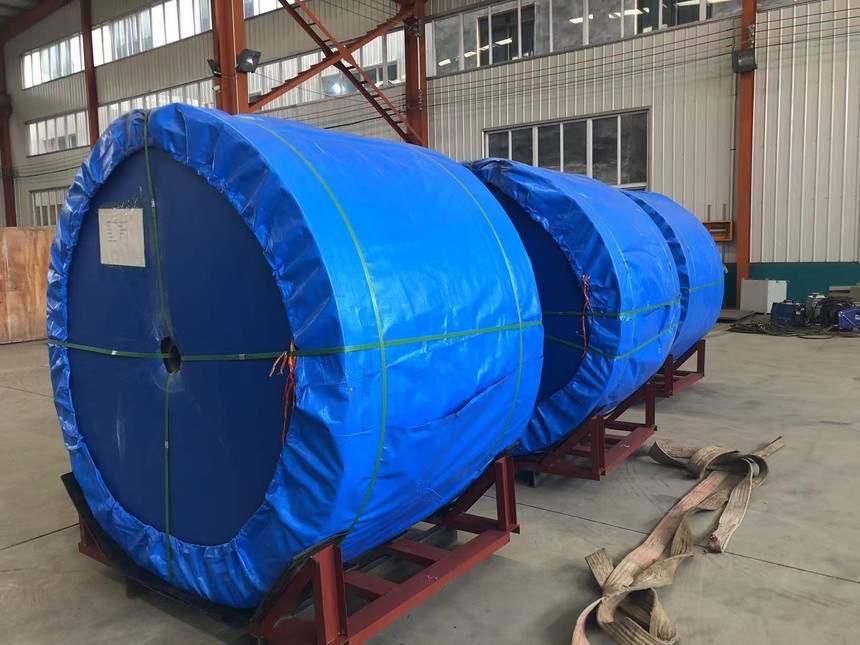
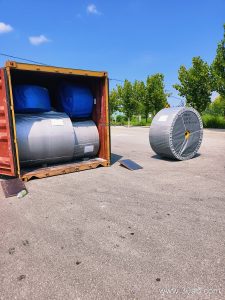
A PVC Mining Conveyor Belt is a solid-woven, PVC-impregnated belt built for hauling rock, ore, coal and aggregate in mines, quarries, cement plants, power stations and sand and gravel yards. The carcass is a continuously woven fabric that is fully saturated with polyvinyl chloride, so the belt behaves as one tough, flexible sheet rather than as rubber layers bonded to a fabric core. Buyers often call it a solid woven PVC belt, and the same product is commonly supplied as a PVG belt when the cover is a blended PVC and rubber compound for extra grip and wear life. Both names describe the same family of belt.
Because the whole body carries the load, this belt resists tearing, moisture ingress and delamination in ways that laminated constructions may not. That is why it appears so often on underground mining conveyor lines where dust, wet fines and constant flexing are normal.
Construction and Surface Options
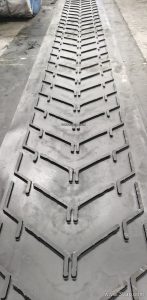
The weave provides tensile strength while the PVC compound protects the yarn and forms the carrying surface. Manufacturers usually quote strength as a whole-belt figure rather than by ply, and the cover can be smooth or given a patterned profile. Common surface forms include plain, chevron or herringbone, and corrugated sidewall versions with cleats for steep inclines. Those variants are separate designs and should be specified by name when you order.
Typical construction data looks like this; values are indicative and should be confirmed against the supplier’s own data sheet.
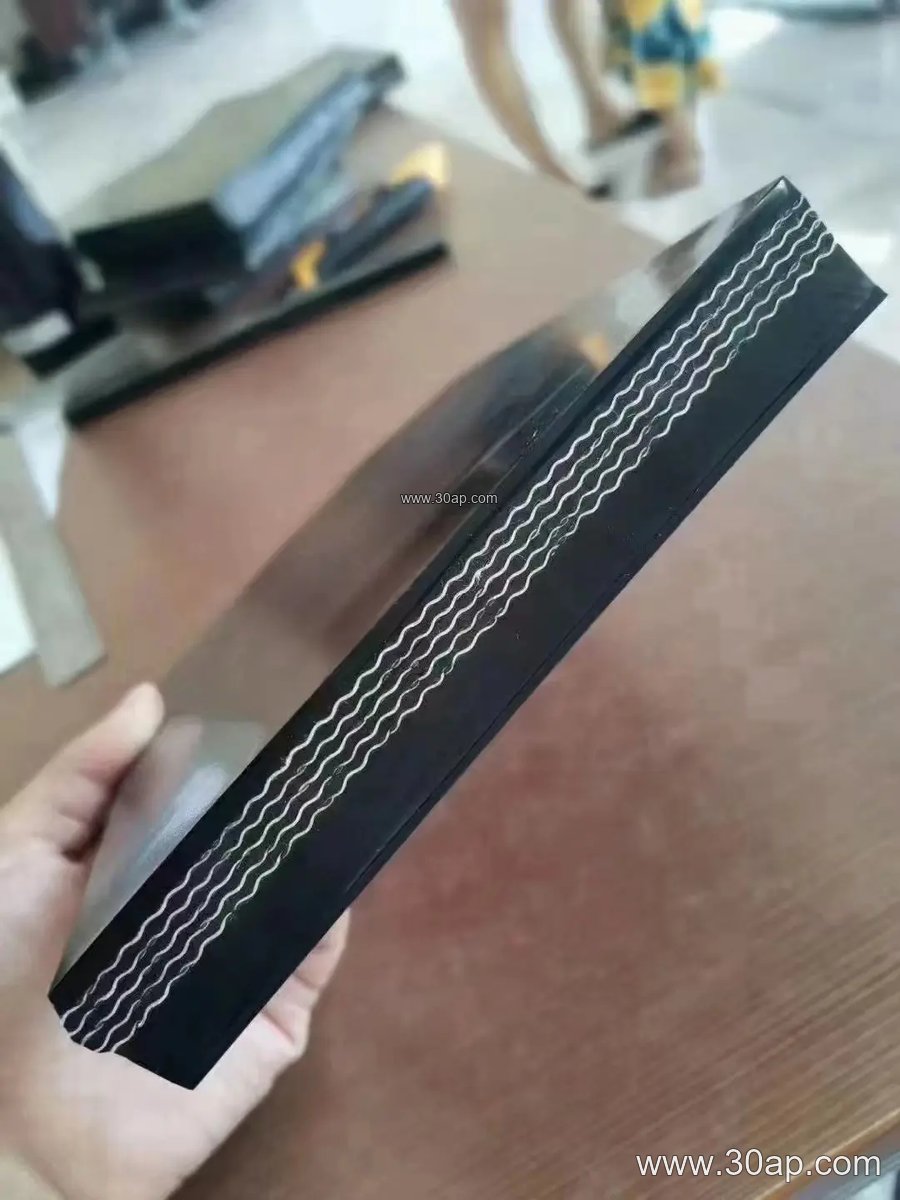
- Belt type: solid woven PVC or PVG, anti-static and flame retardant variants available
- Nominal belt widths: 500, 650, 800, 1000, 1200, 1400, 1600, 1800 and 2000 mm
- Overall thickness: commonly around 8 to 15 mm depending on strength grade
- Surface: plain, chevron, or corrugated sidewall with cleats
- Joint: vulcanised endless splice or mechanical fastener, chosen by the user
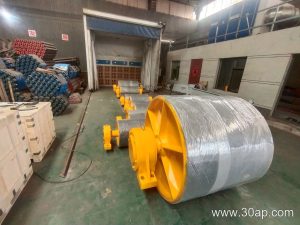
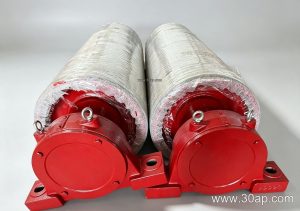
Note that belt width and pulley diameter are matched by conveyor design, not by a fixed rule. A 1000 mm or 1200 mm belt may run on very different pulley sizes depending on tension and wrap angle. Drive, tail and bend pulleys each have their own role and are not interchangeable, so specify them separately when ordering components.
Where It Fits in the Plant
The belt works well in underground coal mining, tunnel development, quarry benches, cement kiln feed lines and power plant coal handling. It also suits aggregate conveyors and crusher discharge belts where sharp stone and repeated impact are routine. In these duties, an abrasion resistant conveyor belt grade helps, and a flame retardant conveyor belt or anti-static construction is often requested for underground service.
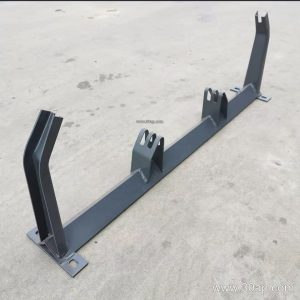
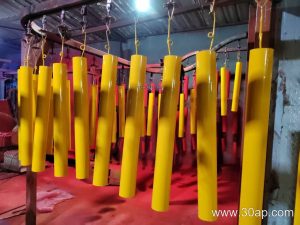
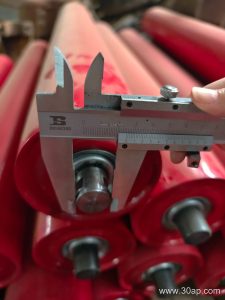
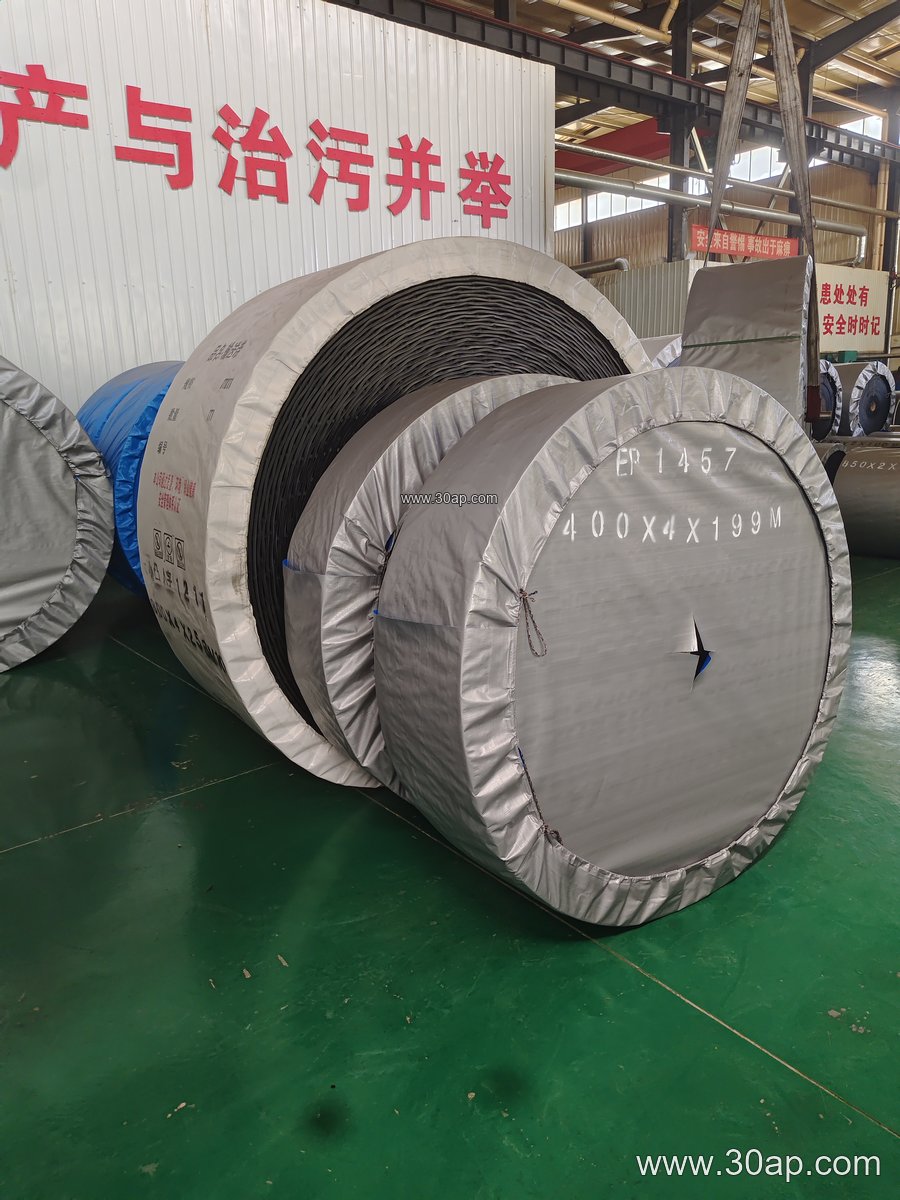
For comparison, a heavy-duty EP conveyor belt or steel cord conveyor belt is usually chosen for very long, high-tension trunk lines where the belt itself must carry enormous pull. A rubber conveyor belt with multiple fabric plies can handle heavy lump sizes on surface installations. The solid woven PVC belt earns its place on shorter to medium lines, on gradient changes, and where fire safety and low moisture absorption matter. On a typical transfer, the belt runs over idler rollers, around the head and tail pulleys, and is held by conveyor brackets and frames that must be aligned to keep tracking true.
Selection Points for Buyers
Start with the material: lump size, moisture, oil content, temperature and whether the site is classified as hazardous. Then fix the duty: tonnes per hour, incline, troughing angle and the number of starts per shift. From there, choose strength grade and cover thickness together, because a thick cover on a light carcass rarely delivers the expected life.
Ask for the splice method and confirm that the field crew can execute it. Check pulley diameters, idler roller spacing and transition distances against the belt’s minimum bend radius. On steep sections, a chevron or sidewall design may be needed instead of a plain belt. Request the supplier’s data sheet for the exact grade, and keep spare belt, fasteners and lagging on site. For more on matching belts, rollers and pulleys, see chinabeltconveyor.com and review the conveyor belt and conveyor pulley pages before finalising the order.
Installation and Maintenance Notes
Store belts flat and dry, away from direct sunlight. During installation, keep the belt square to the frame and tension evenly on both sides. Misalignment is the most common cause of edge wear, and it is usually traced to skewed idlers or a build-up of material on a pulley. Clean the return side, inspect splices weekly, and check that skirt rubber does not press hard against the surface.
Track wear patterns: a polished centre suggests slippage, while frayed edges point to mistracking. Replace damaged sections before water reaches the carcass. For abrasive ore or cement duty, an abrasion resistant conveyor belt grade paired with well-aligned idler rollers will usually outlast a cheaper belt run out of tolerance. A well-chosen PVC Mining Conveyor Belt, correctly installed and maintained, gives steady service across mining, coal, cement, power and aggregate operations.