What a Mining Fire Resistant Conveyor Belt Is
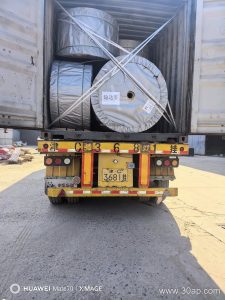
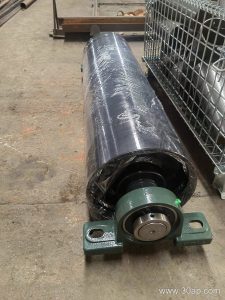
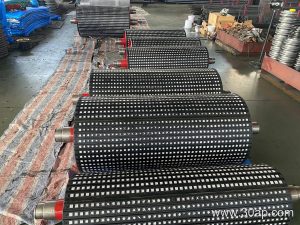
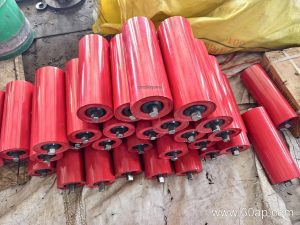
A Mining Fire Resistant Conveyor Belt is a heavy-duty rubber belt engineered to resist ignition and limit flame spread in mines, coal preparation plants, power stations, cement works and other dusty, spark-prone operations. It is a fire-resistant conveyor belt built for continuous haulage of coal, ore, limestone, clinker and aggregate, and it is normally specified together with the conveyor pulleys, idler rollers and conveyor brackets that form the complete conveyor line.
Fire resistance does not mean the belt cannot be damaged by heat. It means the compound and the carcass are formulated so that, once the external ignition source is removed, burning tends to stop rather than travel along the belt. This is why the same product is often described as a flame retardant conveyor belt in tender documents.
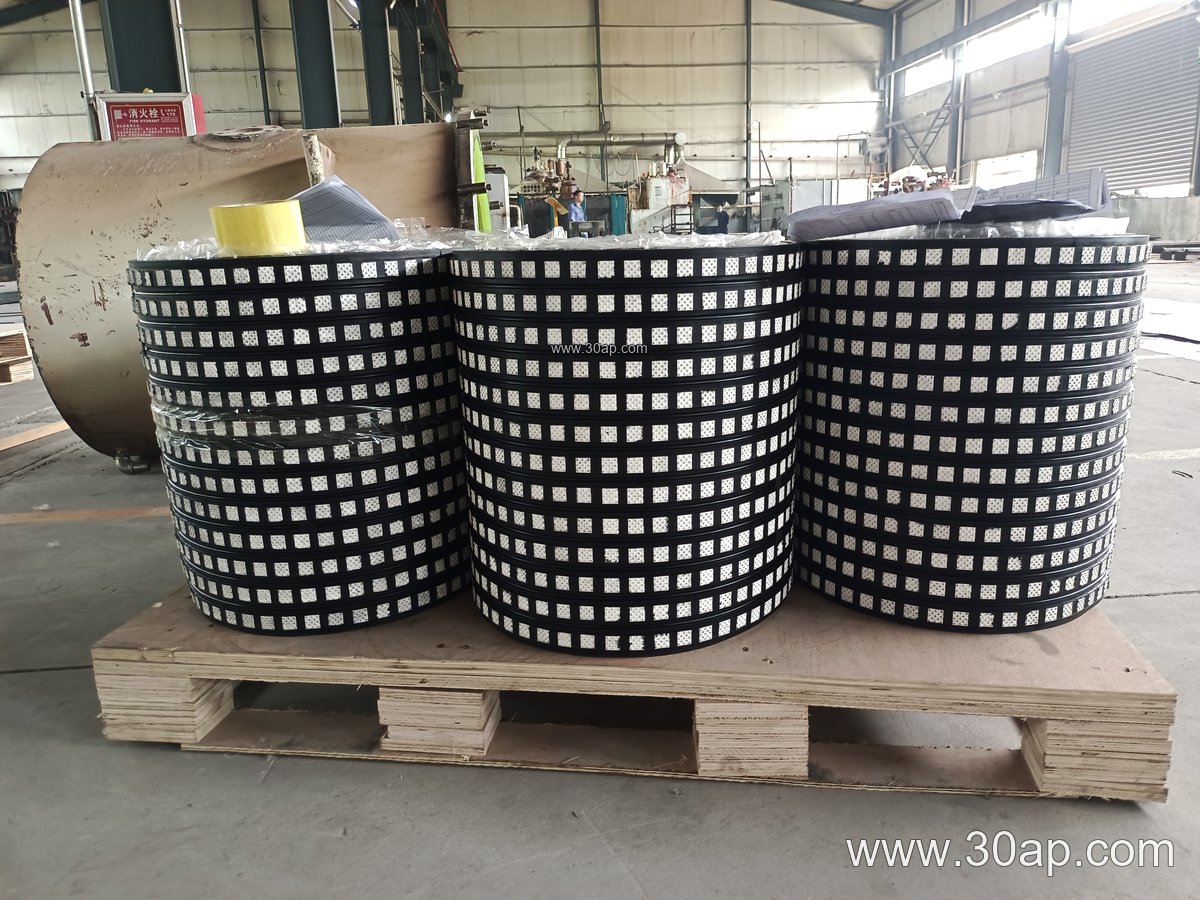
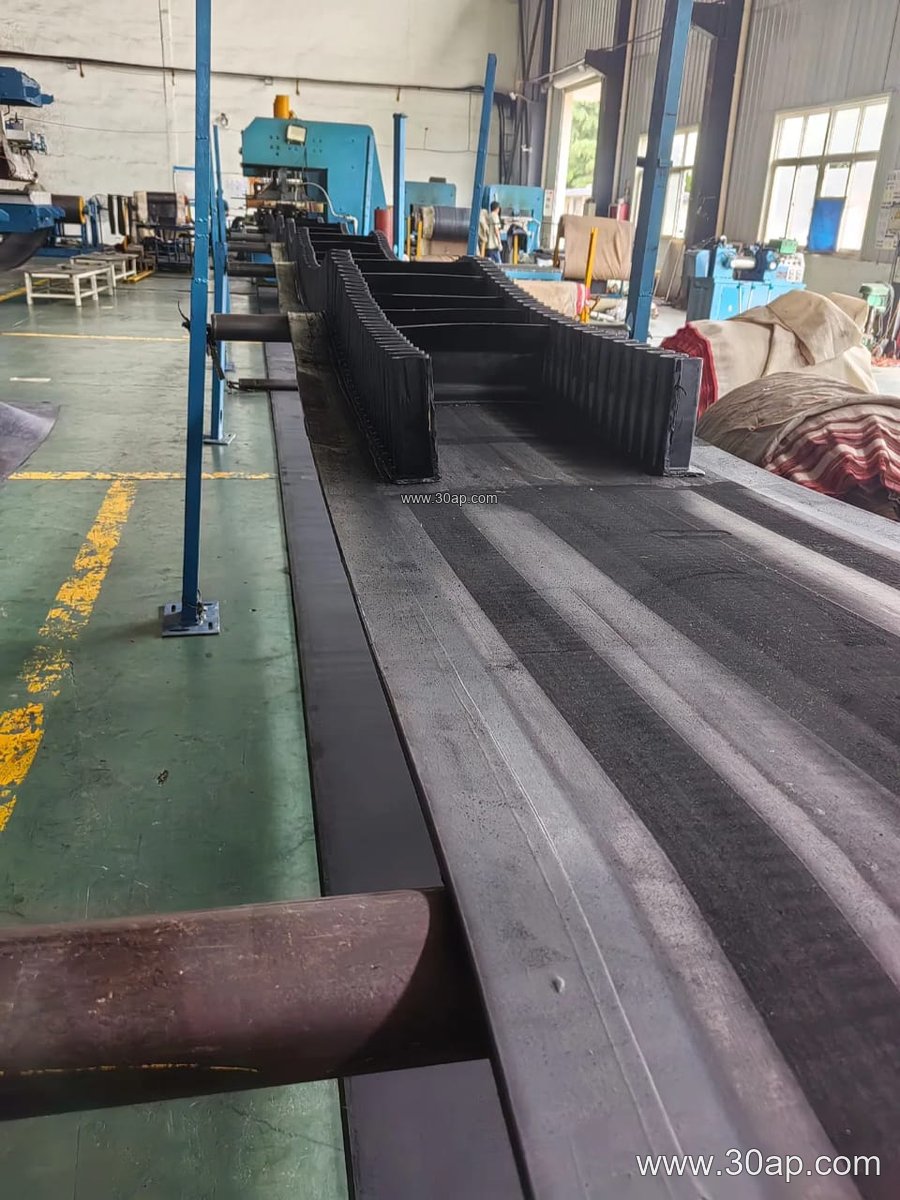
Construction and Materials
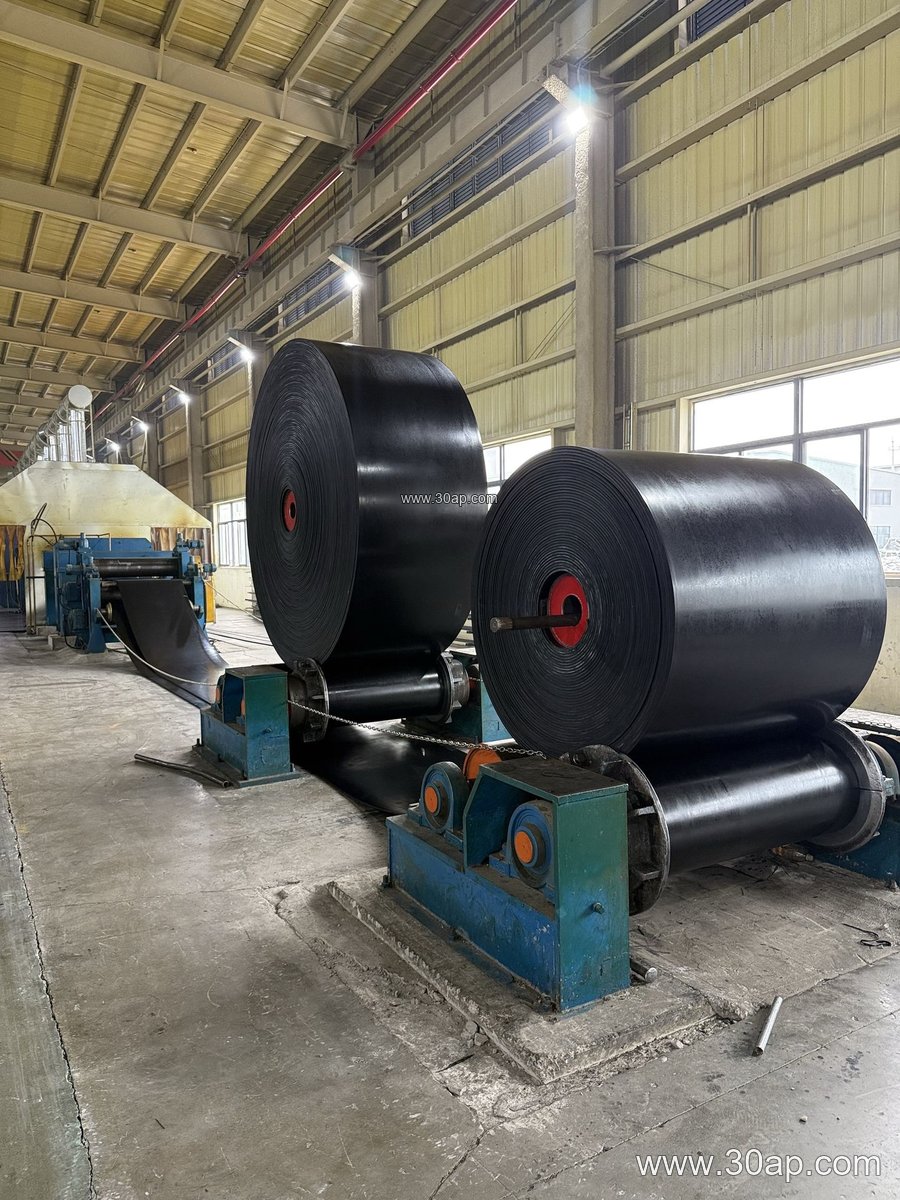
The belt usually combines a fabric core with rubber covers. Common carcass options include EP conveyor belt constructions with polyester warp and nylon weft, NN conveyor belt with nylon in both directions, and solid-woven PVC or PVG types for underground duty. Steel cord conveyor belt designs are chosen where tension and length demand very high strength.
Cover compounds are formulated with fire-retardant additives, and antistatic behaviour is often required at the same time. A typical build-up might be 4+2 mm or 6+2 mm covers over a multi-ply fabric core, but the final figures are always set by the conveyor design.
| Reference item | Typical range | Note |
|---|---|---|
| Belt width | B650 to B2000 | Selected from troughing and load requirements |
| Fabric strength grades | EP200 to EP2000 | Higher grades for longer or steeper runs |
| Cover thickness | 3+1.5 to 8+3 mm | Top and bottom covers specified separately |
| Carcass plies | 2 to 6 | Determined by tension calculation |
Where It Is Used
Underground coal mining conveyor belt service is the classic application, where methane, coal dust and limited escape routes make ignition control essential. The same belt family appears in iron ore and copper ore handling, quarry and aggregate plants, cement kilns, steel plants, ports and bulk material terminals, and in recycling lines where mixed waste can contain sparks or hot fragments.
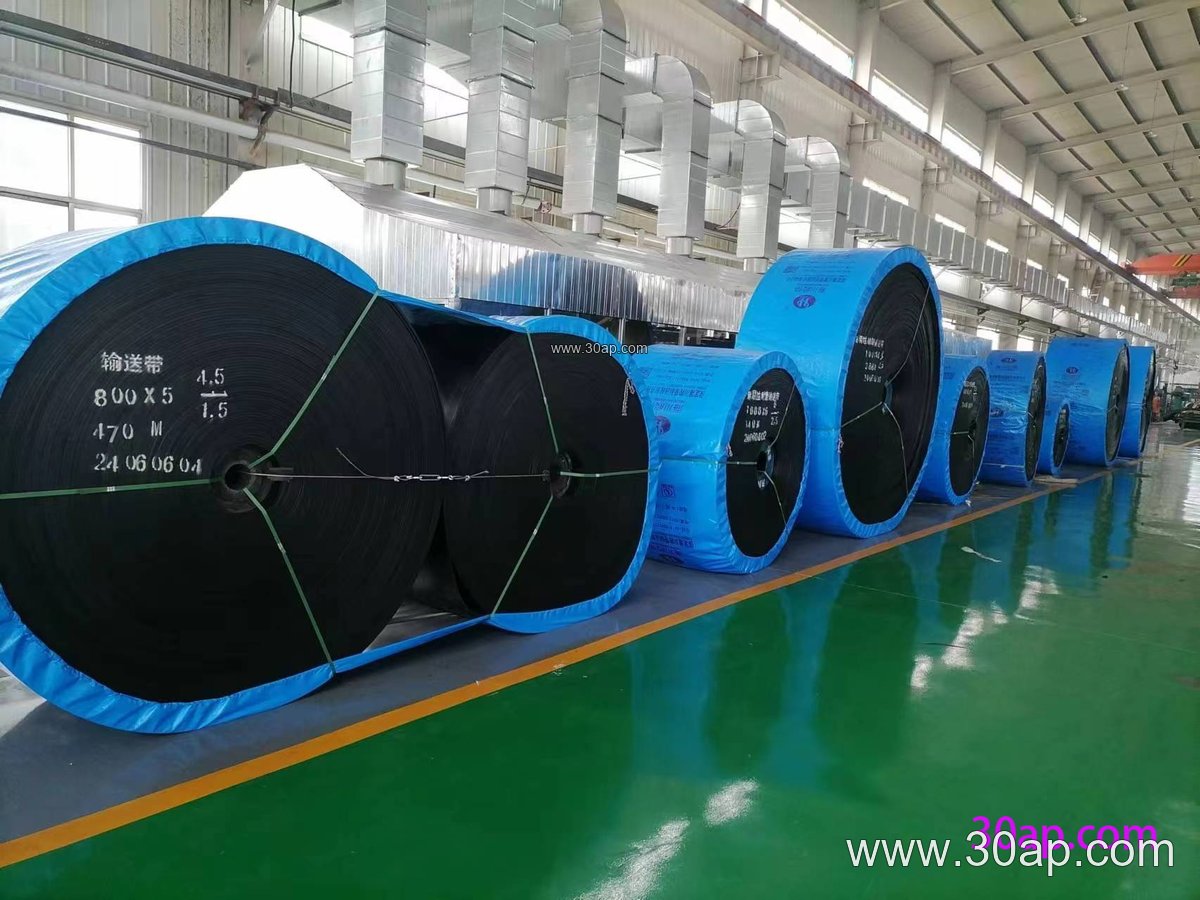
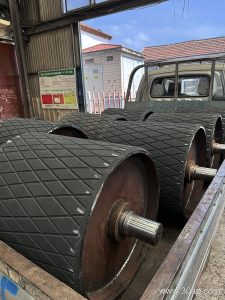
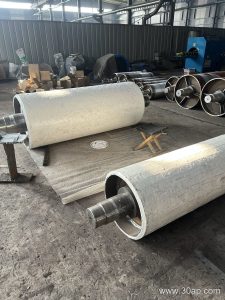
On a typical conveyor, the belt runs over idler rollers on the carrying side, returns on the lower rollers, and is driven by a head pulley with a tail pulley and bend pulleys guiding the return strand. Fire-resistant belting protects this whole circuit, but it does not replace proper guarding, dust control and electrical protection.
Comparison With Other Belt Types
Fire resistance is only one property. A high abrasion resistant conveyor belt may resist wear better on sharp rock, a heat resistant conveyor belt is intended for hot sinter or clinker, and an oil resistant conveyor belt suits oily scrap or biomass. Chevron conveyor belt, corrugated sidewall conveyor belt and pipe conveyor belt are profiles for steep inclines or enclosed transport. Where a mine needs both flame protection and cut resistance, a PVG800S type is sometimes chosen for underground coal work, while an EP fabric core belt is common in surface plants.
Buyer Checklist
- Confirm the required fire and antistatic performance in writing, and ask for test reports from the supplier.
- State the belt width, strength grade, number of plies and cover thickness so the quotation matches the conveyor design.
- Check pulley diameters, trough angle and transition distances; a belt should not be forced around an undersized pulley.
- Review splice method, since a joint can be the weakest point in a fire-resistant belt.
- Plan inspection of idler rollers, pulley lagging and belt edges to avoid friction heating.
- Consider cold resistant or impact resistant variants if the site has severe winter conditions or large lump size.
For buyers sourcing through industrial supply channels, a clear specification helps avoid mismatches. Whether the order is a single 800mm conveyor belt for a crusher line or a 1200mm wide conveyor belt for a coal handling plant, the fire rating, carcass and covers should be confirmed together. Details of compatible conveyor belt, idler roller and conveyor pulley arrangements are usually discussed with the conveyor designer rather than chosen from a catalogue alone.