What the PVG800 Conveyor Belt Is
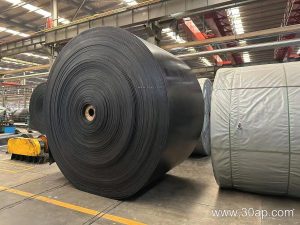
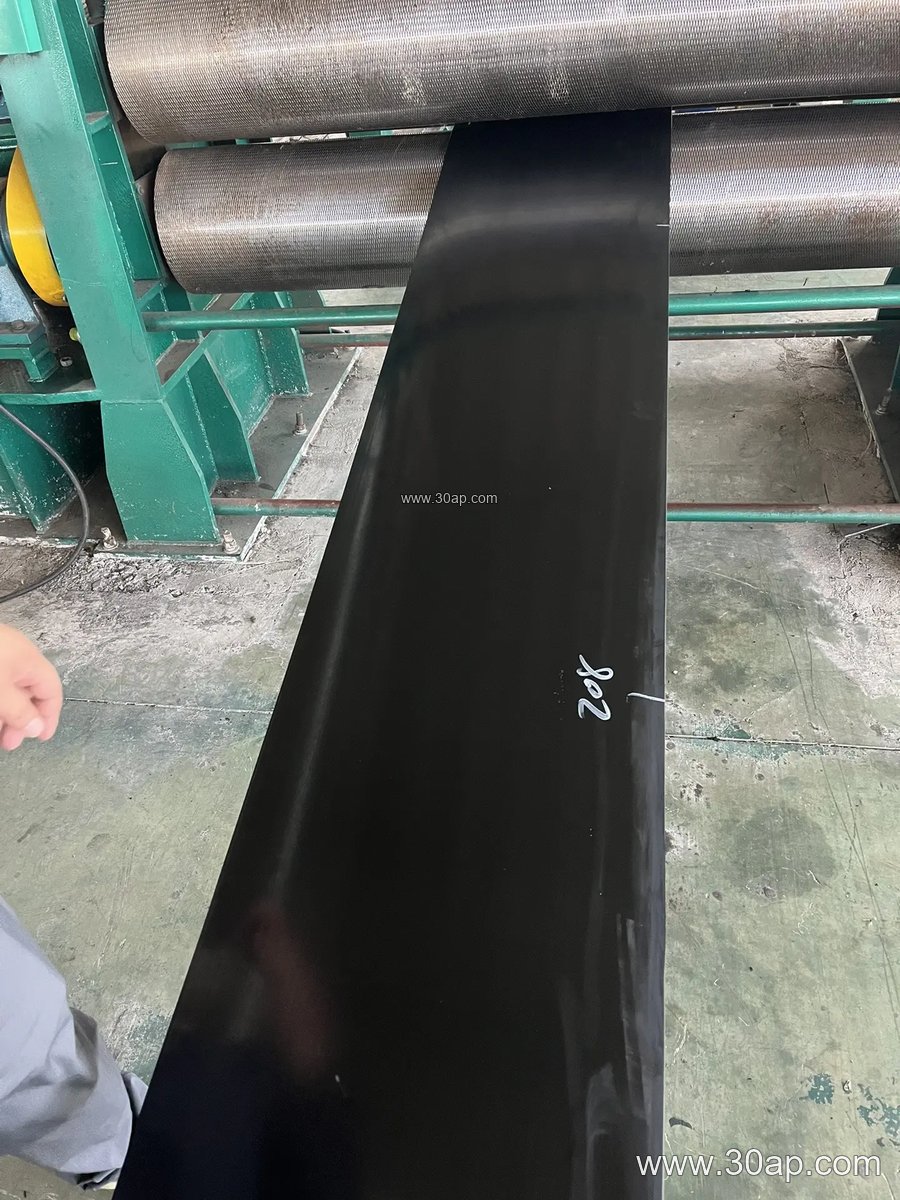
The PVG800 Conveyor Belt is a solid woven, PVC-impregnated conveyor belt rated around the 800 N/mm tensile class. In the trade it is often shortened to PVG conveyor belt, and buyers may also see it listed as a PVC mining conveyor belt, because the cover and carcass are built around a polyvinyl chloride system rather than rubber. That distinction matters: this is not a rubber conveyor belt, and it is not an EP conveyor belt or a steel cord conveyor belt. It belongs to the solid woven family, where the whole belt thickness works as one load-bearing body.
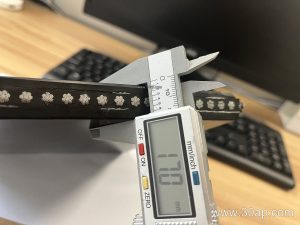
The most important structural point is the carcass. Instead of several separate fabric plies, the PVG800 belt uses a tightly woven single-body fabric that is impregnated and coated with PVC. The result is a belt that resists moisture penetration through the body, cuts, and edge damage reasonably well, and can be joined into an endless conveyor belt with vulcanized or mechanical splices. The PVG800S Conveyor Belt is a related variant; the S typically signals a different surface or cover configuration, so confirm the exact construction with the supplier before mixing the two on one system.
Construction and Surface Options
A typical build includes the solid woven core, a PVC impregnation that fills the weave, and top and bottom covers whose thickness is set by the duty. Common cover combinations are stated by the maker, and buyers should treat any figure as a design choice rather than a universal number. Where the belt must stop material from rolling back on an incline, a chevron conveyor belt profile can be added; where spillage at the edges is the problem, skirted or corrugated sidewall designs may be considered. Those are separate product forms, not replacements for the plain PVG800 belt.
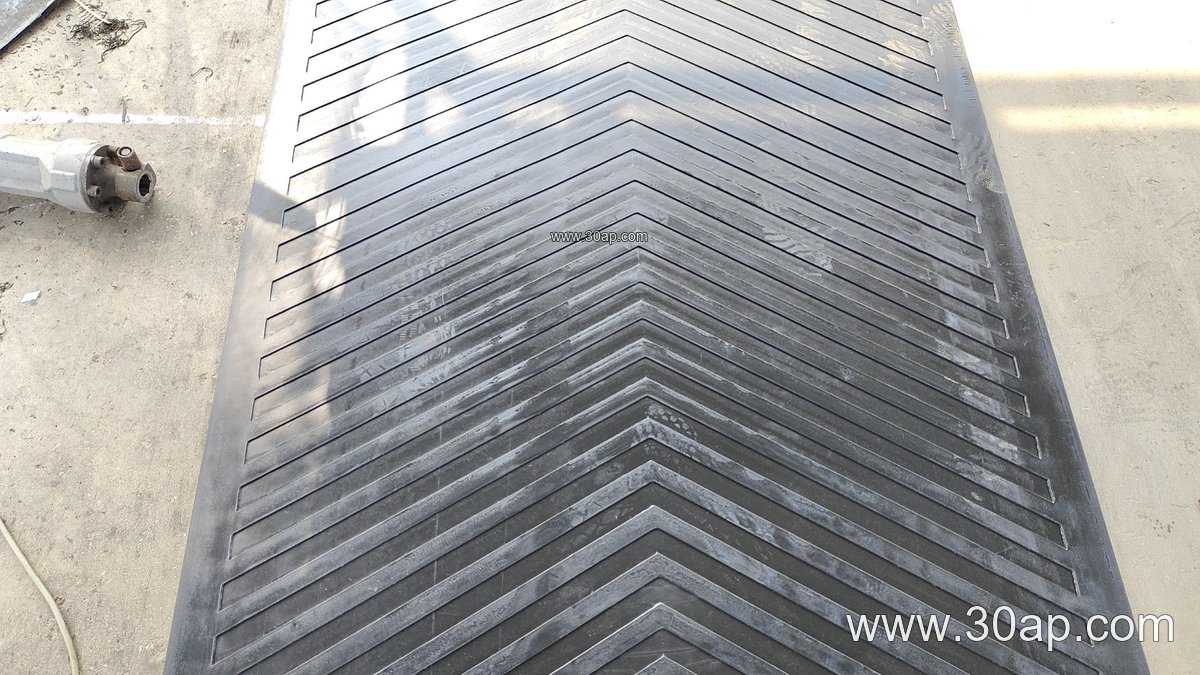
- Solid woven carcass with PVC impregnation
- Tensile class around 800 N/mm, confirmed by the manufacturer
- Plain, chevron, or sidewall surface forms depending on the duty
- Flame retardant and anti-static versions for underground service
Where It Fits in the Plant
This belt is common in underground coal mining conveyor systems, where flame retardant and anti-static behavior are usually required, and in surface coal handling, power plant coal yards, and cement plants feeding clinker or raw meal. It also appears in sand and gravel operations, quarry conveyor lines, and salt or fertilizer handling where a rubber belt may be less suitable. It is not the first choice for very long, high-tension trunk conveyors; those often use a steel cord conveyor belt or a high-strength fabric core conveyor belt such as an EP1000 or NN300 construction.
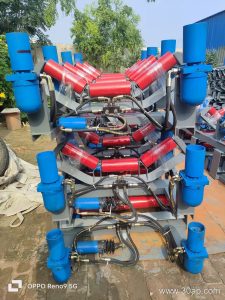
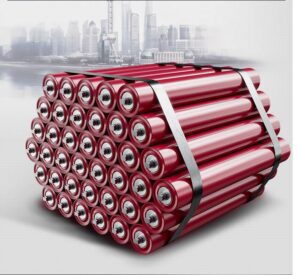
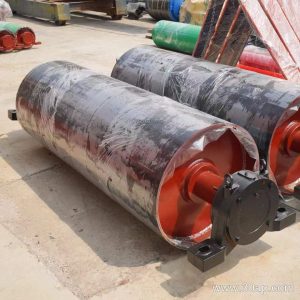
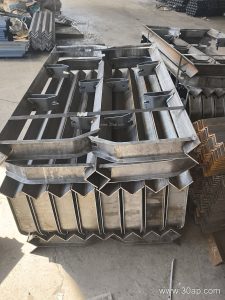
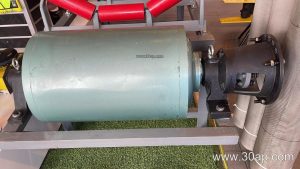
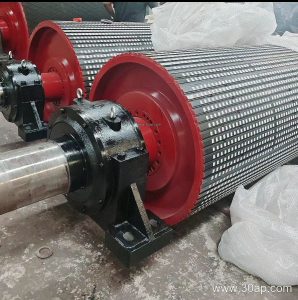
On the conveyor itself, the belt works with idler rollers, conveyor pulleys, and conveyor brackets. Drive pulleys, tail pulleys, and bend pulleys each do a different job, and a belt change should never be treated as a pulley swap. Check pulley lagging and roller rotation before fitting a new belt, because a worn idler roller can shorten the life of even a well-made PVG800 belt.
Common Reference Sizes
Widths and cover thicknesses are selected from the conveyor design, not from a fixed table. The values below are typical reference points only.
| Parameter | Common reference |
|---|---|
| Belt width | B650, B800, B1000, B1200, B1400 |
| Tensile class | PVG800, with PVG800S variant |
| Cover thickness | 3+1.5 mm, 4+2 mm, 5+2 mm, 6+2 mm |
| Surface form | Plain, chevron, skirted |
Buyer Checklist
Ask for the carcass type, the actual tensile rating, cover thickness, and whether the belt is flame retardant and anti-static. Confirm the splice method and whether the supplier will supply splice materials. For inclined sections, state the angle so the profile can be chosen correctly. For hot material, a heat resistant conveyor belt may be needed instead; for oily loads, an oil resistant grade is worth discussing. If the conveyor is very long or the tonnage is high, compare the PVG800 option against a high strength conveyor belt before committing.
Finally, match the belt to the whole system. Belt width, pulley diameter, roller spacing, and bracket layout all interact, and no single width dictates one pulley size. A careful specification review at the quoting stage is cheaper than a premature belt failure underground.