What a High-Capacity Idler Is
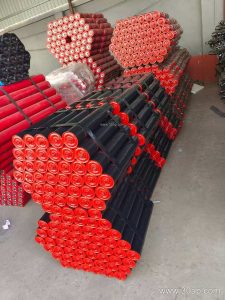
A high-capacity idler is a heavy-duty carrying or return roller built to support conveyor belts that move large tonnages, wide belts, or abrasive bulk materials. In a quarry, a limestone mine, or a crusher discharge line, the load on each idler station can be far higher than on a light-duty conveyor, so the roller shell, shaft, bearing housing, and sealing arrangement are all sized for a longer service window under constant shock and grit. The product is often simply called a heavy-duty idler or high-load idler roller, and it sits in the same structural family as a standard conveyor idler, only with more robust construction.
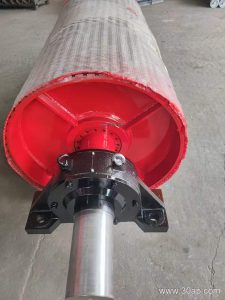
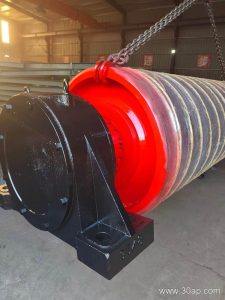
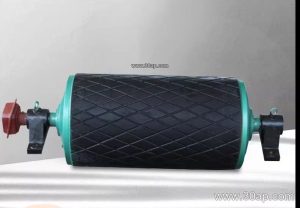
It is not a pulley. A conveyor pulley such as a drive pulley, tail pulley, or bend pulley turns the belt and transmits power, while a high-capacity idler only supports the belt and the material on it. The two work together, but they are not interchangeable parts.
Construction Details That Matter
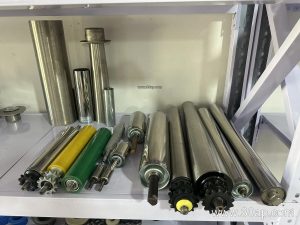
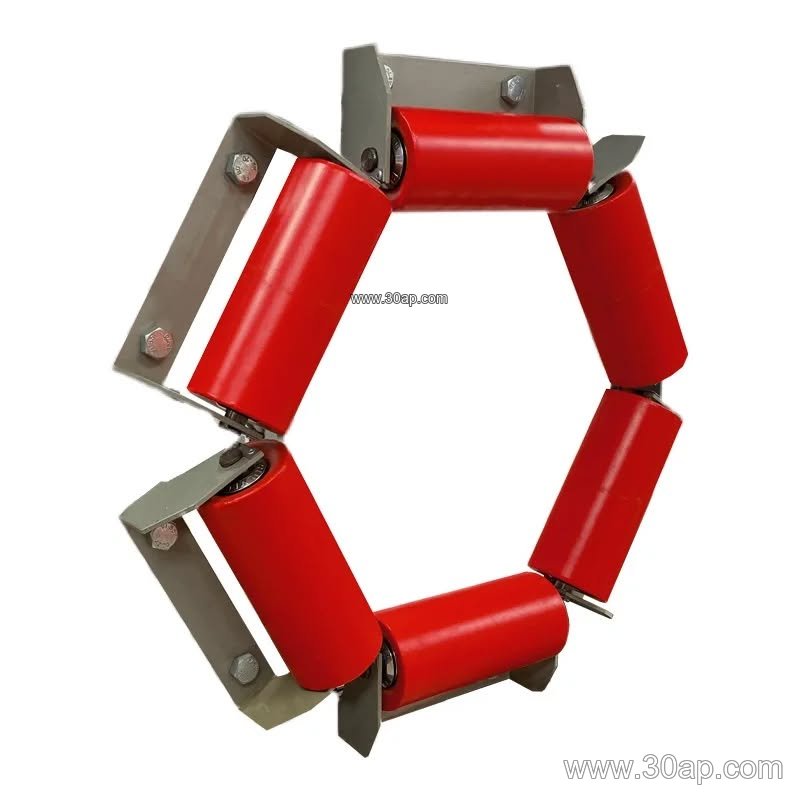
The typical high-capacity idler uses a thick-walled steel tube for the roller shell, machined bearing seats, and a shaft that is sized by the actual load calculation rather than by belt width alone. Bearing selection is commonly 6305, 6306, 6308, or 6310 for heavier stations, with labyrinth seals or multi-stage seals to keep dust out. Roller surface options include plain steel, nylon, ceramic, and rubber rings; rubber rings are useful at transfer points where impact is severe.
Common roller diameters include Ø89, Ø108, Ø127, Ø133, Ø159, and Ø178 mm, and larger sizes such as Ø194 and Ø219 mm appear in high-tonnage installations. Belt widths range from B800 and B1000 up to B1800, B2000, and beyond, and the roll length is set by belt width, trough angle, and idler arrangement. For a three-roll troughing set, a B1000 belt may use rolls around 380 mm long and a B1400 belt around 530 mm, but side rolls and center rolls can differ, so these are examples rather than fixed pairings.
| Parameter | Typical Range |
|---|---|
| Roller diameter | Ø89 to Ø219 mm |
| Belt width | B800 to B2400 |
| Trough angle | 20, 30, 35, 45 degrees |
| Bearing | 6205, 6305, 6306, 6308, 6310 |
| Roll surface | Steel, nylon, ceramic, rubber ring |
Where It Fits on the Conveyor
High-capacity idlers are usually placed on the carrying side of a long overland conveyor, at a primary crusher discharge, under a stockpile feed, or along a ship loading line at a port. A coal mining conveyor belt or an iron ore conveyor belt that runs continuously at high speed needs stable roll rotation and low vibration; a high-capacity idler helps hold the belt profile and reduces the risk of belt edge damage. In a cement plant or power plant coal yard, the same roller type supports belts carrying clinker, limestone, or coal with less frequent replacement.
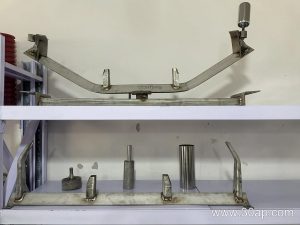
The idler is mounted in a conveyor bracket or frame, and the bracket alignment matters as much as the roller itself. A three-roll troughing set with a 35-degree trough angle is common for bulk material, while a 45-degree set may be used where the belt must be deeply troughed. Transition idlers near a conveyor pulley are often specified separately because the belt must change shape gradually.
Selection Advice for Buyers
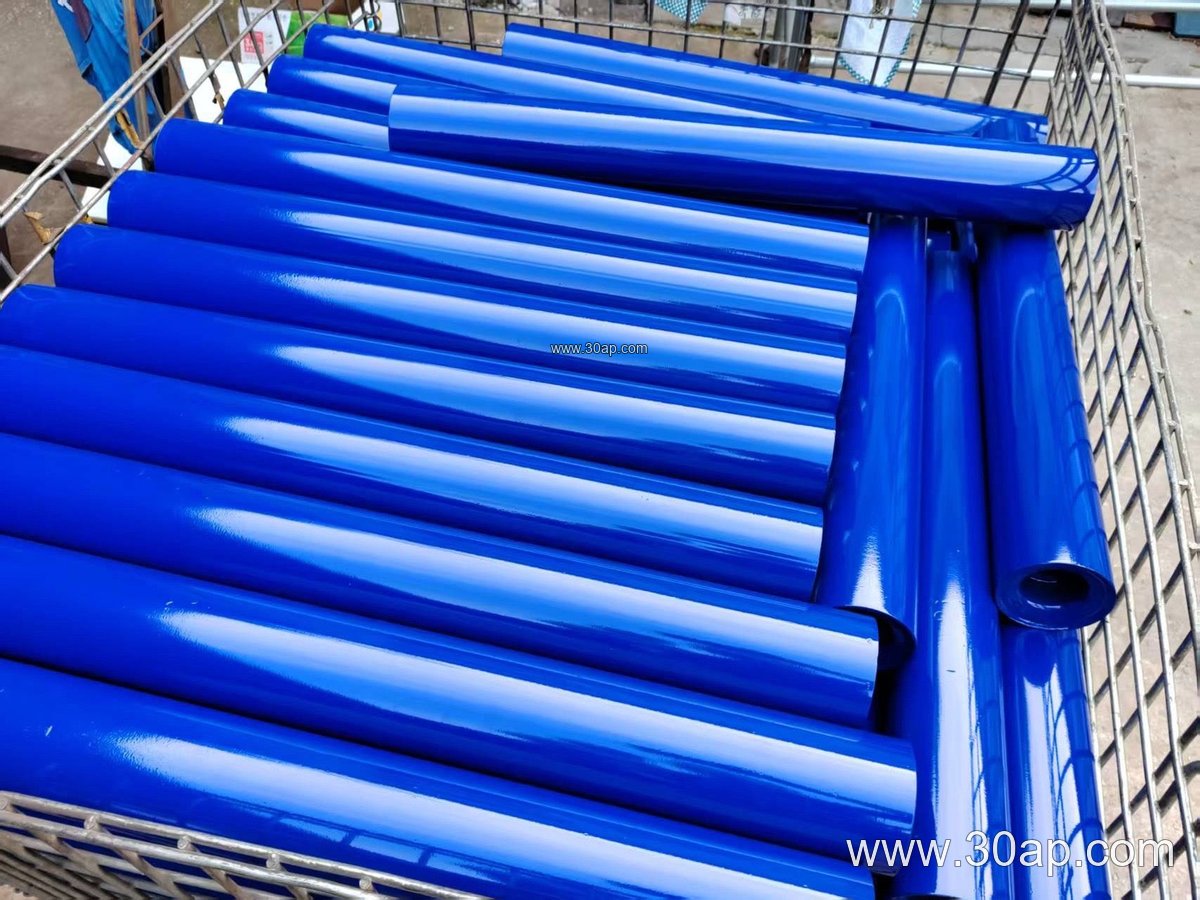
Buyers should provide the belt width, belt speed, material bulk density, lump size, and the expected load per station. A high-capacity idler should be matched to the actual radial load and to the belt’s rated tension, not chosen by belt width alone. Ask about the seal design, bearing brand or grade, shaft material, and painting or coating for wet or corrosive service. For dusty quarry or aggregate lines, a good seal is often more important than a slightly thicker shell.
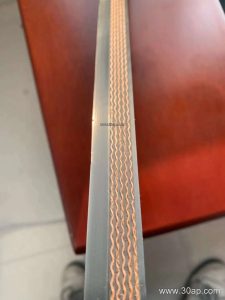
Check the roller concentricity and rotating resistance, and confirm that the idler frame height matches the existing conveyor bracket. Spare parts planning should include the same roller diameter and bearing series so that maintenance crews can replace a unit without modifying the frame. On a steel cord conveyor belt or a heavy-duty fabric core belt, a failed idler can damage the belt cover quickly, so inspection intervals should be short in high-tonnage areas.
Maintenance and Matching Components
Inspect for seized rollers, worn shells, and loose brackets, and listen for squealing bearings during walk-bys. Keep the belt tracking straight, because a misaligned belt loads one side of the idler and shortens seal life. When replacing a roller, check the trough angle and the roll length rather than assuming that any Ø127 mm roller will fit every station.
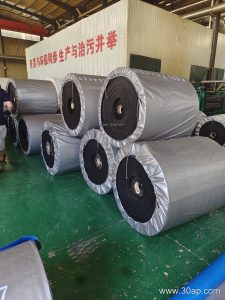
The idler works with the conveyor belt, conveyor pulley, and conveyor bracket as a system, and matching those parts correctly is the best way to protect the whole line.