What a Non-Standard Conveyor Bracket Is and Why It Matters
A non-standard conveyor bracket is a support component engineered to match the exact geometry, load profile, and environment of a specific conveyor line rather than a catalog template. In practice, this custom-fabricated bracket—often called a made-to-order conveyor support bracket or bespoke idler bracket—fills the gap when standard troughing or return brackets cannot accommodate unusual belt widths, steep transition angles, or tight installation envelopes. For operators in limestone quarries, coal preparation plants, and cement kilns, the difference between a stock bracket and a non-standard conveyor bracket often determines whether a belt trains correctly or wears prematurely.
At its core, the bracket positions and secures idler rollers relative to the conveyor belt. When the trough angle, roller spacing, or mounting hole pattern deviates from common ranges, a non-standard conveyor bracket becomes the practical solution. It works alongside conveyor pulleys, idler rollers, and the conveyor belt itself, but its role is distinct: it provides the structural interface that keeps rolling components aligned.
Construction and Design Variations
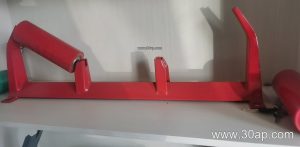
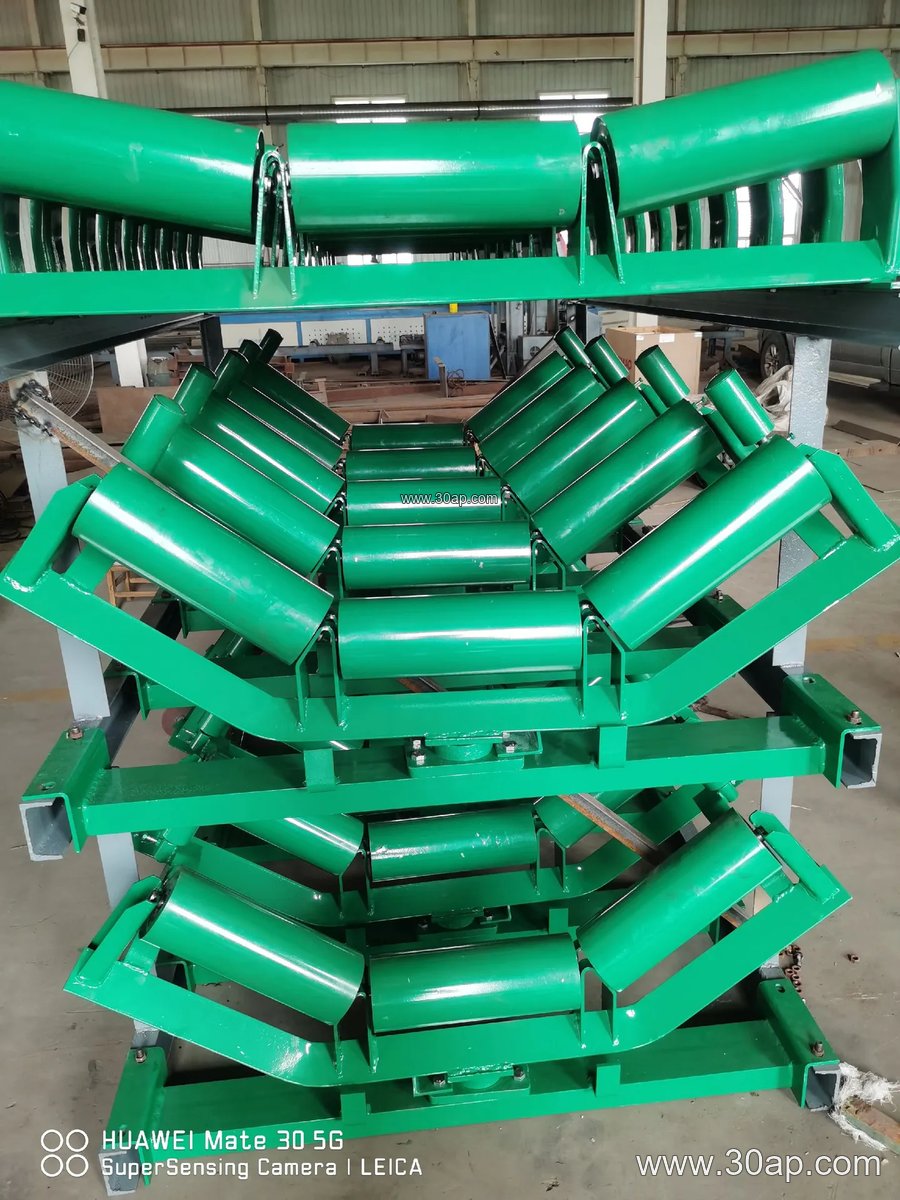
Fabricators typically build these brackets from angle steel, channel steel, or folded steel plate, selected for stiffness and weldability. The design may include fixed troughing angles or adjustable slots that allow the same bracket to serve multiple trough angles. Common adjustable ranges include 20, 30, 35, and 45 degrees, while forward-tilted brackets often use approximately 1.5 to 2 degrees of lead to assist belt tracking. Return brackets, V-return brackets, and impact brackets each follow their own geometry, but a non-standard conveyor bracket can combine features—for example, a transition bracket with a reinforced base for a crusher discharge point.
Material thickness and reinforcement are usually determined by the load and belt tension rather than by a single standard. Buyers should expect the fabricator to ask for belt width, roller diameter, trough angle, and mounting hole spacing. Belt widths such as B650, B800, B1000, B1200, and B1400 are common reference points, but the bracket length and hole pitch are calculated per design, not taken from a fixed table.
Where Non-Standard Conveyor Brackets Are Used
These brackets appear wherever a conveyor line departs from standard layout. In a sand and gravel plant, a non-standard conveyor bracket may support a transition zone between a 800mm wide belt and a 1000mm wide belt, accommodating a gradual change in trough angle. In a power plant coal handling system, custom brackets help fit idler rollers around structural obstructions near transfer towers. Other typical settings include iron ore concentrators, sintering plants, fertilizer granulation lines, and tunnel muck removal conveyors.
They are also used when a conveyor must carry a heavy-duty mining conveyor belt or an abrasion resistant conveyor belt over a short, steep section where standard brackets would leave too little clearance. In such cases, the bracket design may be paired with impact idlers or spiral rollers, but the bracket itself remains the focus of the customization.
Specification Reference for Buyers
The following table lists common reference values that may appear in a non-standard conveyor bracket enquiry. These are not universal specifications and should be confirmed against the actual conveyor design.
| Parameter | Common Reference Range | Notes |
|---|---|---|
| Belt width | B500, B650, B800, B1000, B1200, B1400, B1600, B1800 | Bracket length and hole spacing vary with width and trough angle |
| Trough angle | 20°, 30°, 35°, 45° | Adjustable brackets may cover several angles |
| Roller diameter | Ø89, Ø108, Ø133, Ø159, Ø194 | Selected according to load and belt speed |
| Material | Angle steel, channel steel, folded plate | Thickness determined by design load |
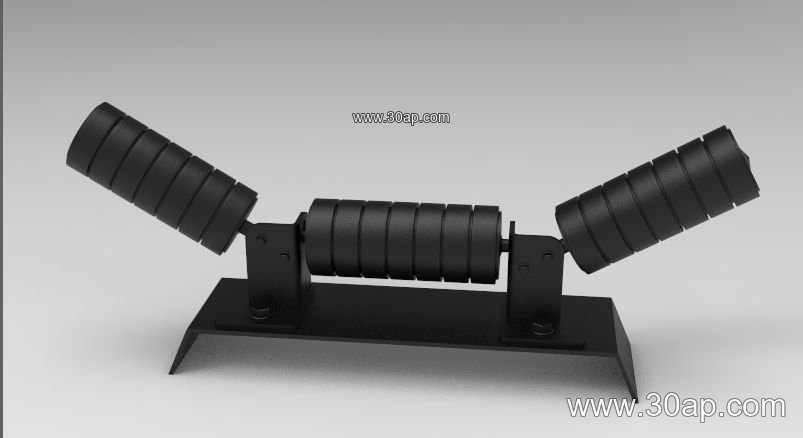
| Bracket type | Troughing, transition, return, V-return, impact, self-aligning, adjustable | Non-standard versions adapt these types to specific layouts |
When reviewing a quotation, ask for a dimensioned drawing showing mounting hole positions, overall height, and the intended roller centers. A non-standard conveyor bracket that fits the conveyor frame but misaligns the idler roller will cause belt edge wear and unnecessary downtime.
Selection and Maintenance Notes
Selection starts with the conveyor belt path. If the belt is a pipe conveyor belt or a corrugated sidewall conveyor belt, the bracket may need extra clearance or a different roller arrangement. For fabric core conveyor belts such as EP conveyor belt or NN conveyor belt, standard troughing brackets often suffice, but a non-standard bracket may still be required at transition zones. Steel cord conveyor belt installations usually demand heavier bracket sections and more precise alignment.
Maintenance teams should inspect custom brackets for loose bolts, weld cracking, and corrosion, especially in washdown or coastal port environments. Because these brackets are not interchangeable with stock items, keeping a spare set or a fabrication drawing on file reduces replacement lead time. A well-designed non-standard conveyor bracket should last as long as the surrounding conveyor structure, provided it is correctly matched to the idler roller and belt load.