What a Highly Wear-Resistant Idler Does
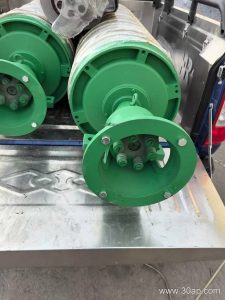
A highly wear-resistant idler is a conveyor roller built to survive abrasive, impact-heavy, and dust-laden conditions without frequent replacement. In a quarry, limestone mine, or iron ore plant, the conveyor belt carries sharp rock and fine dust that grind ordinary rollers down quickly. This idler resists that wear through a combination of hardened shell materials, protective surface layers, and sealed bearing arrangements. It is not a single fixed design; the term covers several constructions, each suited to a different wear mechanism.
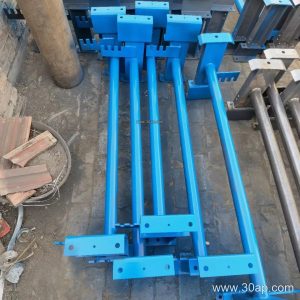
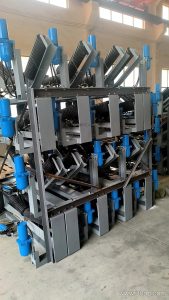
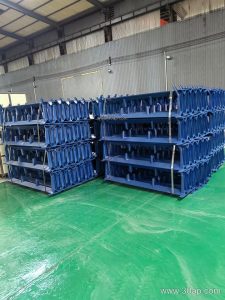
The idler roller works as part of the conveyor bracket assembly, supporting the belt on the carrying or return side. When the roller surface wears unevenly, the belt can track poorly, and the whole conveyor line suffers. Choosing a wear-resistant idler is therefore about keeping the belt stable, not just about roller life.
Construction and Surface Options
Wear resistance starts with the roller shell. Common options include thick-walled steel tube, nylon coating, ceramic tiles, and rubber rings. Each addresses a different problem:
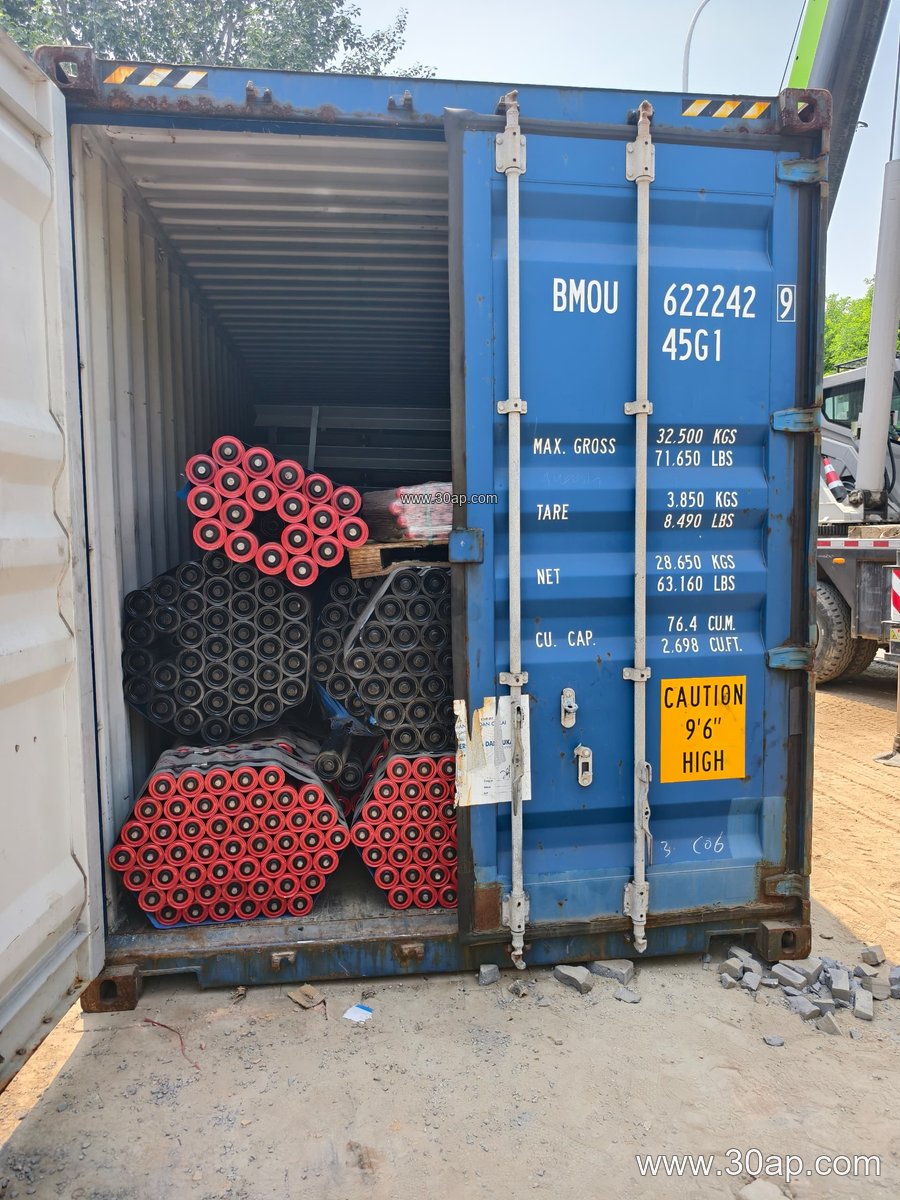
- Steel shell with increased wall thickness — good general abrasion resistance for bulk material conveyor belts carrying sand, gravel, or crushed stone.
- Nylon-coated roller — smooth surface that sheds sticky fines and reduces belt friction in cement plants and aggregate lines.
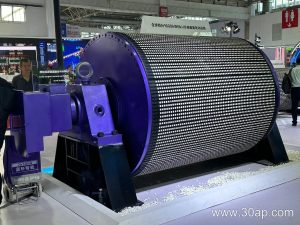
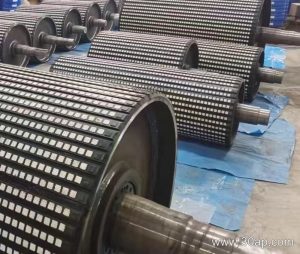
- Ceramic-faced roller — extremely hard surface for high-wear zones such as transfer points in copper ore or gold mining operations.
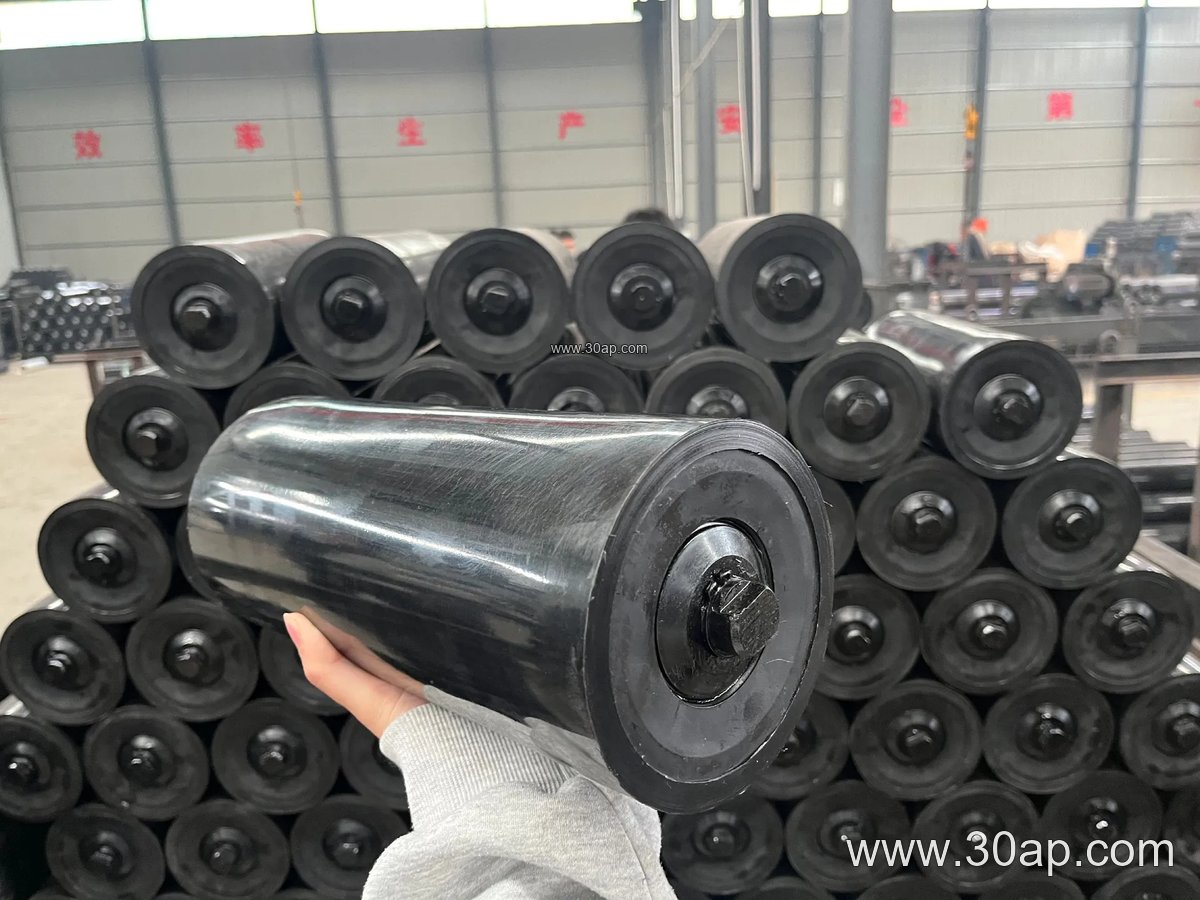
- Rubber ring idler — combines wear resistance with impact absorption, often used as a buffer idler under crusher discharge or at loading points.
Bearing protection matters as much as the shell. Common bearing sizes include 6204, 6205, 6305, 6306, 6308, and 6310, paired with labyrinth seals or multi-stage dust seals. The seal design keeps fine abrasive particles out of the bearing cavity, which is often the real cause of idler failure in coal mining and power plant coal handling.
Where Wear-Resistant Idlers Fit on the Conveyor
These idlers appear in several positions along a conveyor system. Troughing idlers on the carry side support the loaded belt, while return idlers support the empty belt on its way back. Impact idlers or rubber-ring buffer idlers sit under loading chutes where falling material strikes the belt. V-return idlers help center the belt on the return run. Self-aligning idlers, including friction and conical types, correct belt tracking in long gallery conveyors. The highly wear-resistant idler can be supplied in any of these forms, but its defining feature is the ability to hold its shape and surface under abrasive load.
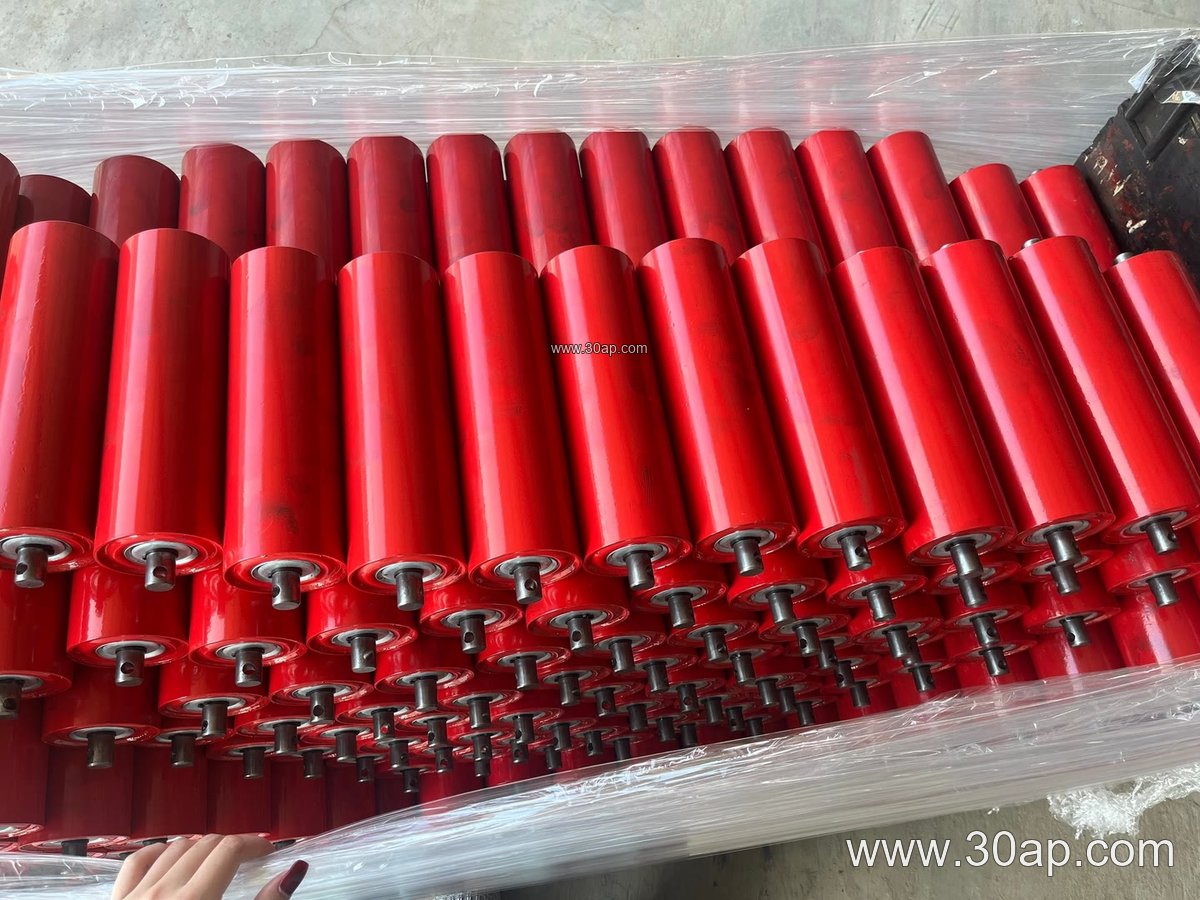
In a coal preparation plant or a sinter plant, the same conveyor may need different idler types at different points. A heavy-duty troughing idler with a thick shell handles the main haul, while a rubber-ring buffer idler protects the belt at the transfer. Matching the idler to the wear zone is more effective than using one type everywhere.
Common Sizes and Configurations
Idler diameter and length follow the belt width, trough angle, and idler group form. The table below gives typical reference values; actual selection depends on the conveyor design and duty.
| Belt width | Common troughing idler roller length (three-roll group) | Typical idler diameter range |
|---|---|---|
| B500 | approx. 200 mm | Ø63–Ø89 |
| B650 | approx. 250 mm | Ø76–Ø108 |
| B800 | approx. 315 mm | Ø89–Ø127 |
| B1000 | approx. 380 mm | Ø102–Ø133 |
| B1200 | approx. 465 mm | Ø108–Ø159 |
| B1400 | approx. 530 mm | Ø127–Ø159 |
| B1600 | approx. 600 mm | Ø133–Ø178 |
| B1800 | approx. 670 mm | Ø159–Ø194 |
| B2000 | approx. 750 mm | Ø178–Ø219 |
Trough angles are commonly 20, 30, 35, or 45 degrees. For self-aligning or forward-tilted idlers, a tilt of about 1.5 to 2 degrees is typical. These figures are reference data, not universal specifications. The side rollers and center roller in a three-roll group can differ in length, and the idler diameter should be matched to the load and belt speed rather than fixed to one belt width.
Buyer Checklist for Wear-Resistant Idlers
Before ordering, confirm the following points with the supplier:
- Belt width and trough angle, since these determine the idler group geometry.
- Roller diameter and shell thickness for the expected abrasive load.
- Bearing size and seal type for the environment — dust, water, or fines.
- Surface form: steel, nylon, ceramic, or rubber ring, depending on the material carried.
- Mounting dimensions for the conveyor bracket, including shaft ends and fixing centers.
- Whether the idler is for carry side, return side, impact zone, or self-aligning duty.
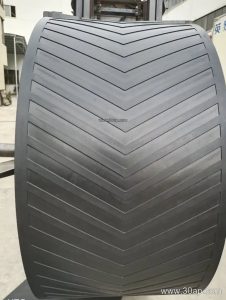
For conveyors carrying abrasive bulk material, a highly wear-resistant idler is often paired with an abrasion resistant conveyor belt or a heavy-duty mining conveyor belt. In coal mining and underground coal mining, flame retardant conveyor belt and anti-static conveyor belt are common companions. The idler and belt work as a system, so specifying them together avoids mismatches in load capacity and tracking behavior.
At www.sdtopconveyor.com, idler rollers and conveyor pulleys are supplied for mining, cement, power, and port applications. A wear-resistant idler is a practical choice wherever belt replacement costs and downtime outweigh the initial price difference. Review the wear pattern on existing rollers — if the shell wears thin before the bearing fails, a thicker or ceramic-faced idler is worth considering; if the bearing fails first, seal quality deserves more attention.