What a Steel Plant Conveyor Idler Does
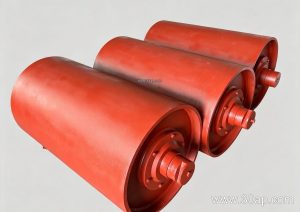
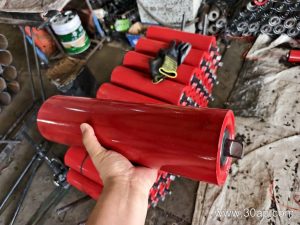
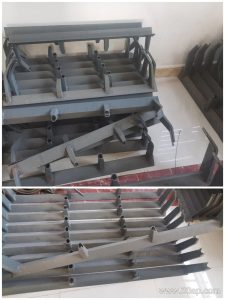
In a steel plant, raw materials such as iron ore, coke, limestone, and sintered ore move continuously between stockyards, blast furnaces, and sintering lines. The steel plant conveyor idler is the rotating component that supports the conveyor belt and keeps it tracking smoothly under heavy loads. Unlike a drive pulley or tail pulley, which transmit power and control belt tension, the idler is a passive roller that carries the belt and material. It is often called a conveyor idler roller or simply an idler roller, and it works together with the conveyor bracket and frame to form the complete carrying system.
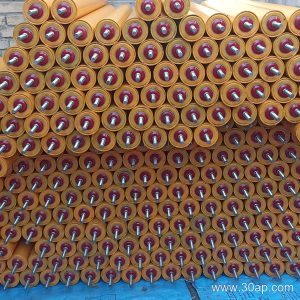
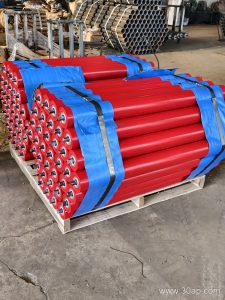
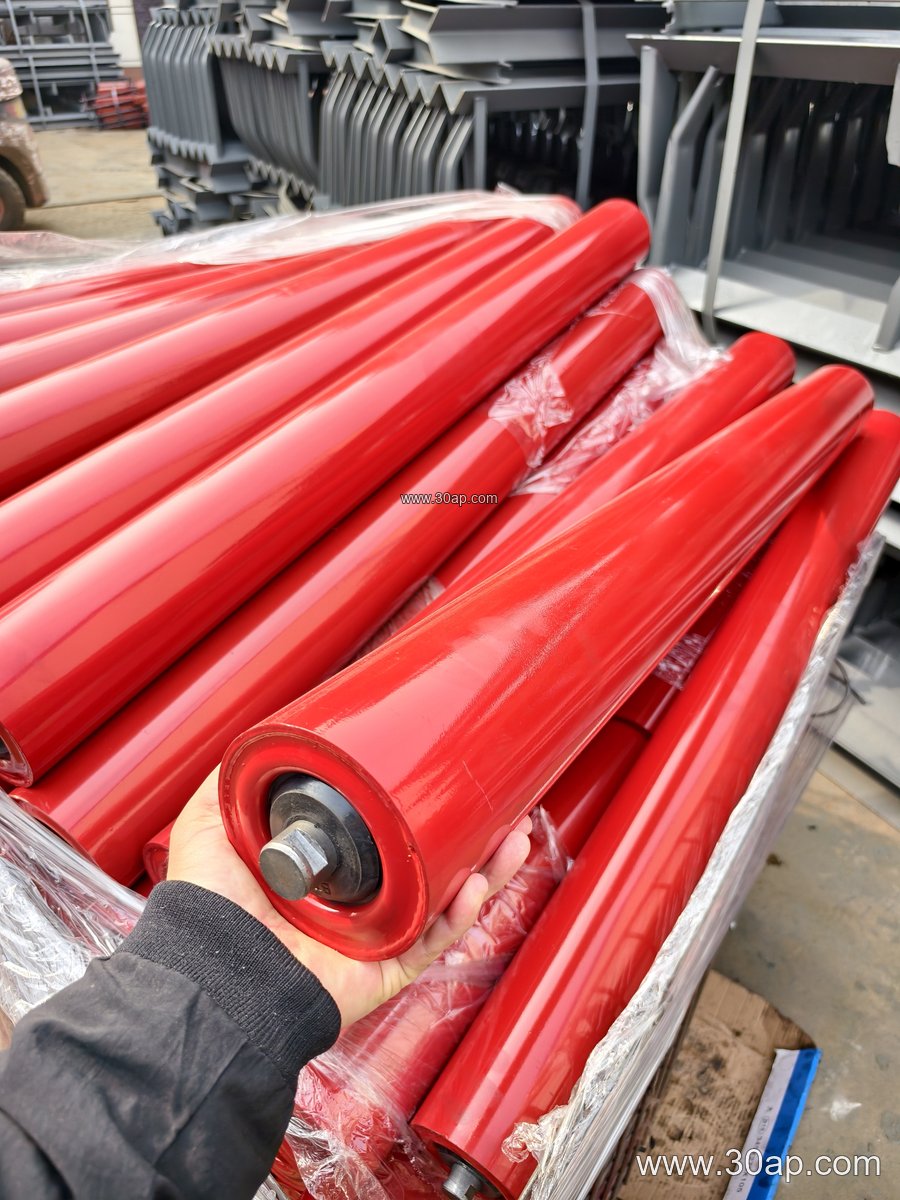
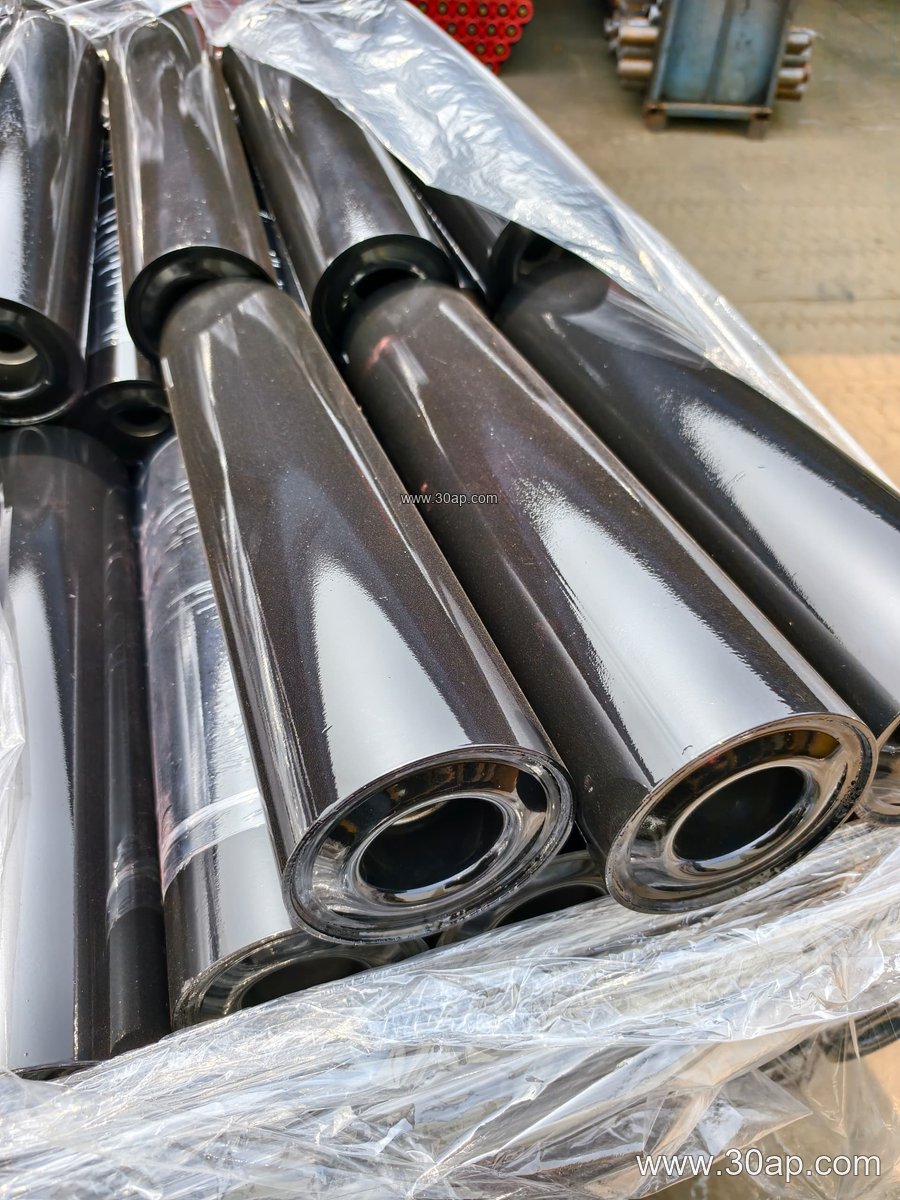
Because steel plant duty is harsh—high temperatures, abrasive dust, and impact from lump ore—the idler must be built for reliability. A typical unit consists of a steel tube shell, bearing housings, a shaft, and seals. The shell material may be plain steel, nylon-coated, or fitted with rubber rings for cushioning. Bearing sizes such as 6204, 6205, 6305, 6306, 6308, and 6310 are common, but the correct bearing is matched to the idler diameter and load, not chosen by belt width alone.
Construction Details That Affect Performance
The sealing system is often the difference between a long-lasting idler and a premature failure. In steel plants, fine dust and water spray are present, so labyrinth seals or multi-stage lip seals help protect the bearing cavity. The shaft is usually machined from round bar and may be plated or coated for corrosion resistance. The tube wall thickness and straightness influence runout and vibration. For impact zones under crusher discharge or transfer chutes, rubber-ring impact idlers absorb shock and reduce belt damage.
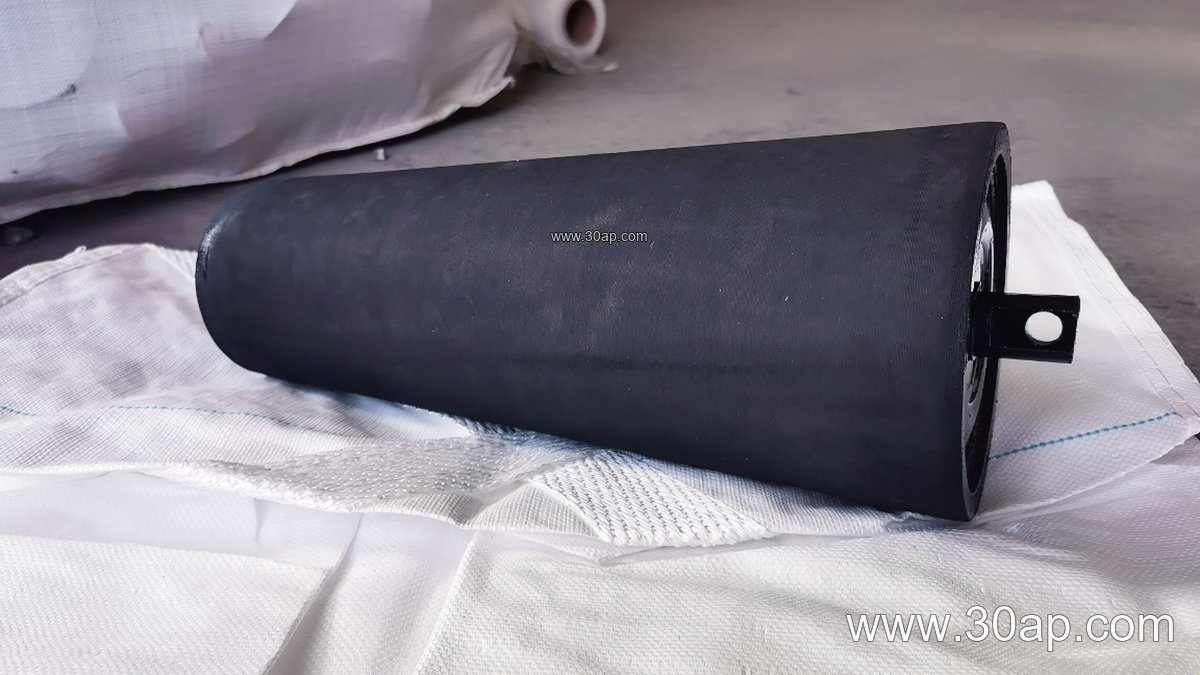
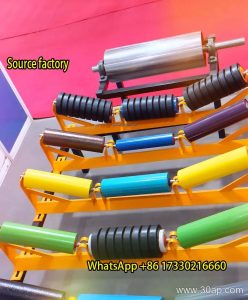
Roller surface options include steel, nylon, ceramic, and rubber rings. Ceramic or nylon covers can reduce material buildup in sticky service, while rubber rings are preferred where impact is severe. The idler diameter range commonly includes Ø63, Ø76, Ø89, Ø102, Ø108, Ø127, Ø133, Ø159, Ø178, Ø194, and Ø219 mm. The final choice depends on belt width, load, and space. A larger diameter generally improves bearing life and reduces rotation speed, but it must fit the conveyor bracket and frame design.
Where Steel Plant Idlers Are Used
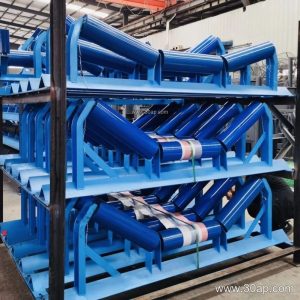
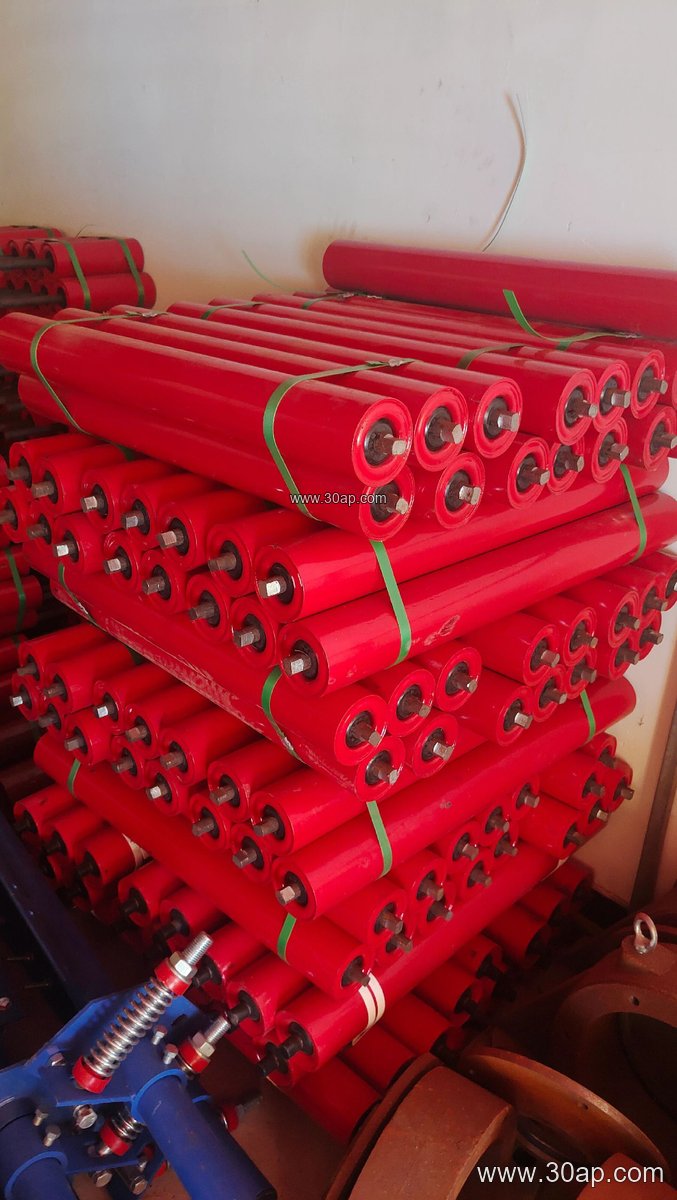
Steel plant conveyor idlers appear in several sections of the bulk handling line. On the carrying side, three-roll troughing sets with 20°, 30°, 35°, or 45° trough angles keep the belt in a trough shape and prevent material spillage. Transition idlers support the belt where it changes from flat to troughed. On the return side, flat return idlers or V-return idlers support the empty belt. Self-aligning idlers, including friction and tapered types, help correct belt misalignment on long runs.
These idlers also serve in sinter plants, coke ovens, and pelletizing lines. In a steel plant, the conveyor belt itself may be a heat resistant conveyor belt or an abrasion resistant conveyor belt, and the idler must tolerate the same environment. For wider belts such as 1200mm or 1400mm, the idler roll length is matched to the belt width and trough angle. Common roll lengths for three-roll troughing sets are approximately 200 mm for B500, 250 mm for B650, 315 mm for B800, 380 mm for B1000, 465 mm for B1200, 530 mm for B1400, 600 mm for B1600, 670 mm for B1800, and 750 mm for B2000. These are reference examples, not fixed rules, and side rolls may differ from the center roll.
Specifications and Selection Notes
Buyers should define the belt width, trough angle, idler diameter, roll length, bearing size, and sealing class before ordering. A common specification table might look like this:
| Parameter | Common Range or Example |
|---|---|
| Idler diameter | Ø63 to Ø219 mm |
| Belt width | B400 to B2400 mm |
| Trough angle | 20°, 30°, 35°, 45° |
| Roll surface | Steel, nylon, ceramic, rubber ring |
| Bearing | 6204, 6205, 6305, 6306, 6308, 6310 |
| Idler set | Single roll, two-roll, three-roll troughing |
Do not assume that one belt width only matches one pulley diameter, or that a given belt width fixes the shaft diameter. The conveyor bracket and frame dimensions, load rating, and available space all matter. For sticky or high-moisture materials, self-cleaning spiral idlers may help. For training the belt, self-aligning idlers with a slight forward tilt of about 1.5° to 2° are sometimes used, but the tilt should be specified by the conveyor designer.
Maintenance and Buyer Checklist
Regular inspection should check for seized bearings, worn shells, damaged seals, and material buildup. A squealing or hot idler usually indicates bearing failure and should be replaced before it damages the conveyor belt. In steel plants, heat and dust accelerate wear, so a planned replacement schedule based on running hours is more reliable than waiting for breakdown. Keep spare idlers in common diameters and roll lengths to reduce downtime.
When sourcing, ask for the idler type, diameter, roll length, bearing brand or class if required, seal type, and surface finish. Confirm that the conveyor bracket mounting dimensions match the existing frame. A steel plant conveyor idler is a small component, but its quality affects belt life, energy consumption, and the continuity of the entire material handling line.