What a Q235 Conveyor Bracket Does on the Line
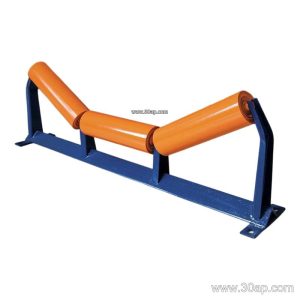
In a quarry or a coal washing plant, the conveyor belt is only as reliable as the steel that holds it up. The Q235 conveyor bracket is the fabricated steel support that positions idler rollers at the correct angle and height along the conveyor frame. Made from Q235 structural steel, this bracket is the quiet workhorse that keeps the belt tracking true, prevents material spillage, and allows the whole conveyor to be assembled, adjusted, and maintained without cutting or welding on site.
The bracket itself is not a roller and not a pulley. It is the interface between the conveyor frame and the idler roller set. When engineers talk about a troughing bracket, a return bracket, or a self-aligning bracket, they are describing the same family of Q235 steel supports with different geometry for different positions on the conveyor.
How the Bracket Is Built
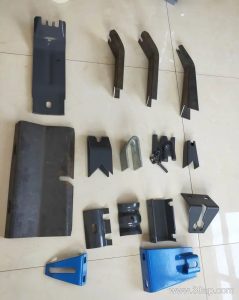
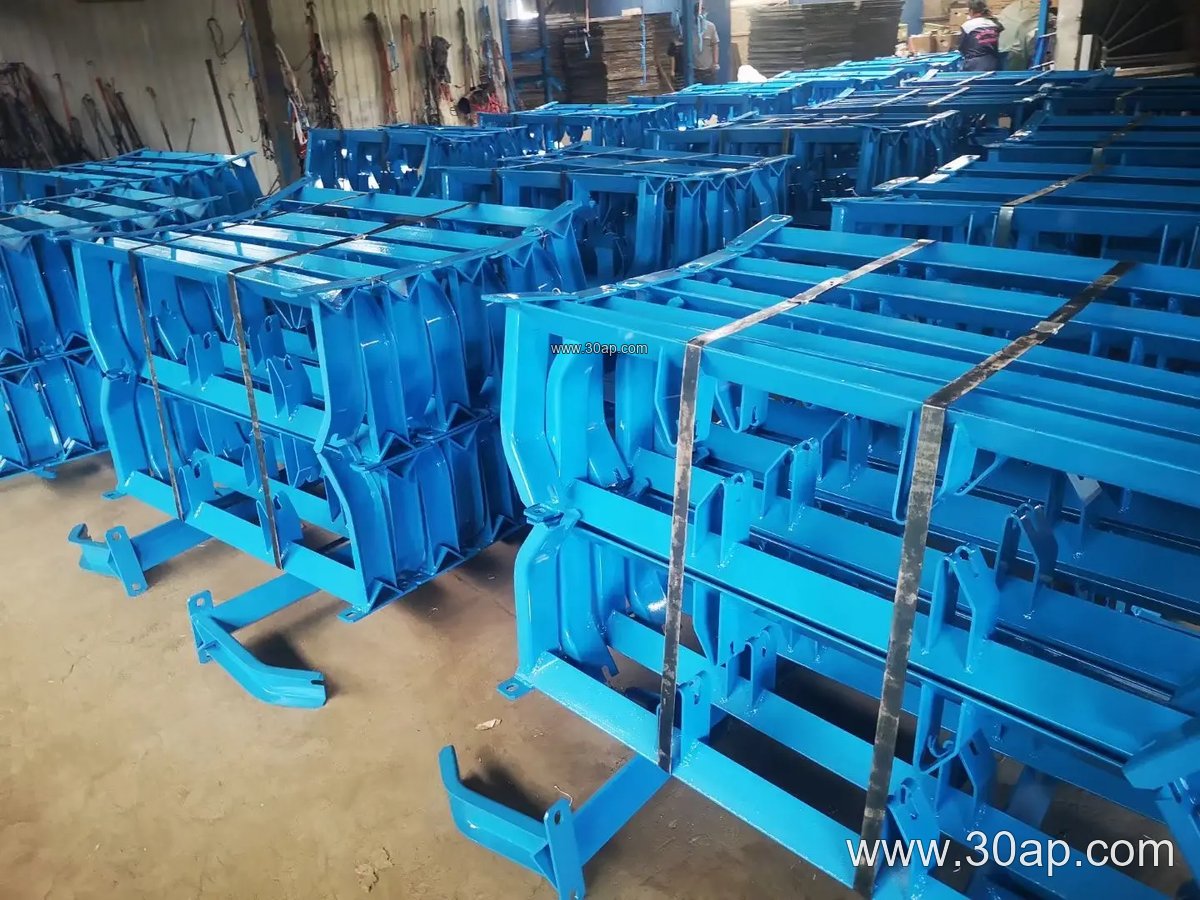
Fabrication starts with angle steel, channel steel, or folded steel plate. The Q235 grade is chosen for its good weldability and predictable strength, which matters when brackets are produced in volume for projects such as a cement plant expansion or a power plant coal handling upgrade. Slots and holes are punched or drilled to match the idler shaft diameter and the frame bolt pattern. A typical bracket assembly includes the main crossbeam, angled idler seats, and mounting feet.
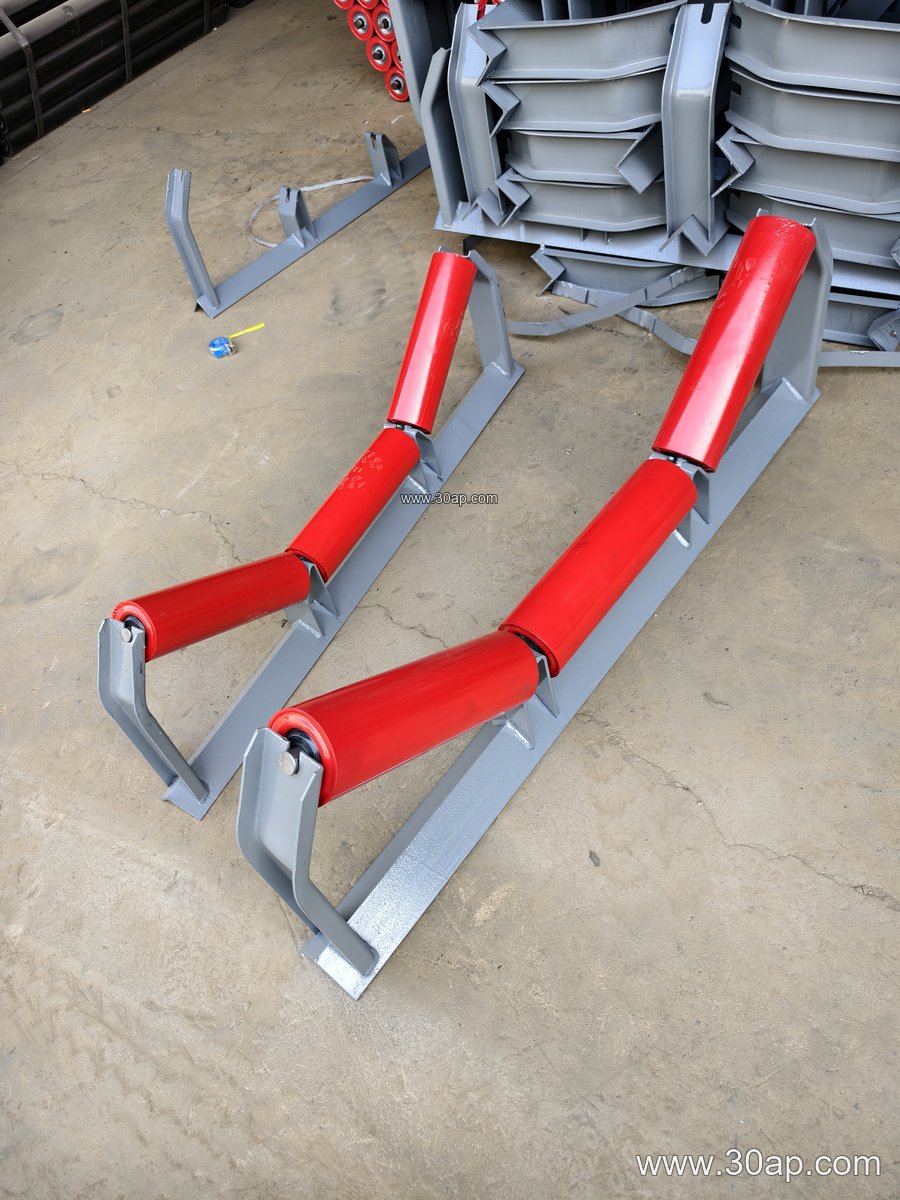
Because the bracket geometry changes with belt width and trough angle, there is no single universal dimension. A bracket for a B800 belt at 35 degrees is a different fabrication from one for a B1200 belt at 45 degrees. The installation hole spacing and crossbeam length are determined by the conveyor design, not by a fixed catalog number.
Common Bracket Positions and Their Roles
On a typical conveyor, the Q235 conveyor bracket appears in several positions, each with a specific job:
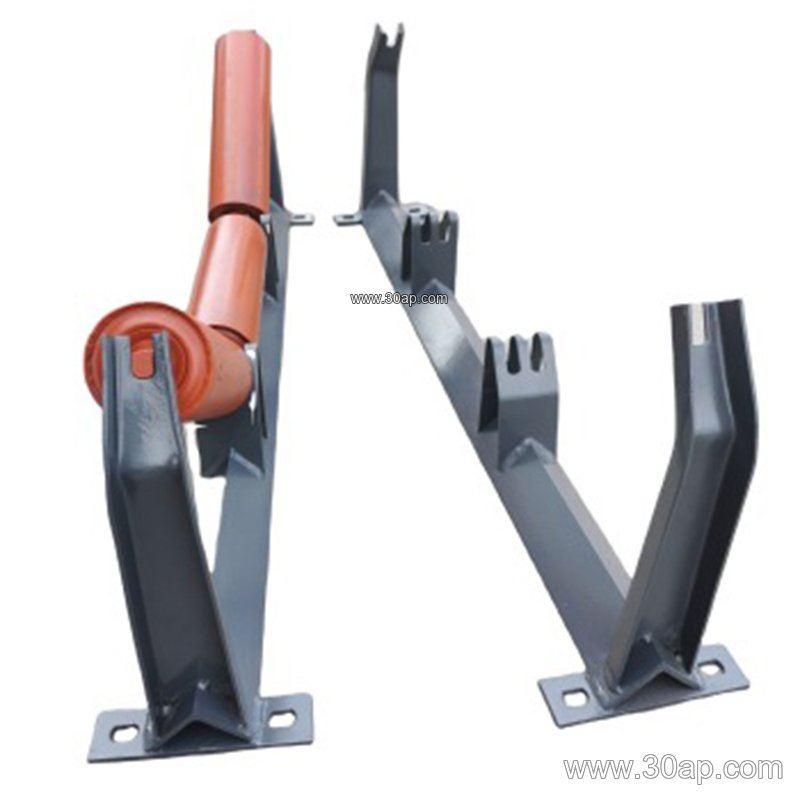
- Troughing bracket (carrying side): supports three idlers at a trough angle, usually 20, 30, 35, or 45 degrees, to shape the belt into a trough for bulk material such as ore, aggregate, or clinker.
- Return bracket (return side): holds a single flat idler or a V-return idler set under the belt to support the empty strand.
- Impact bracket: positioned at the load point, often with rubber or spring cushioning, to absorb the shock of falling rock or coal.
- Self-aligning bracket: allows the idler set to pivot slightly, helping correct belt mistracking on long flights.
- Transition bracket: used near the head or tail to gradually change the belt from flat to troughed.
Adjustable brackets allow the trough angle to be set within a range, which is useful when a conveyor handles different materials or when the belt needs fine tuning after installation.
Matching Bracket to Belt and Roller
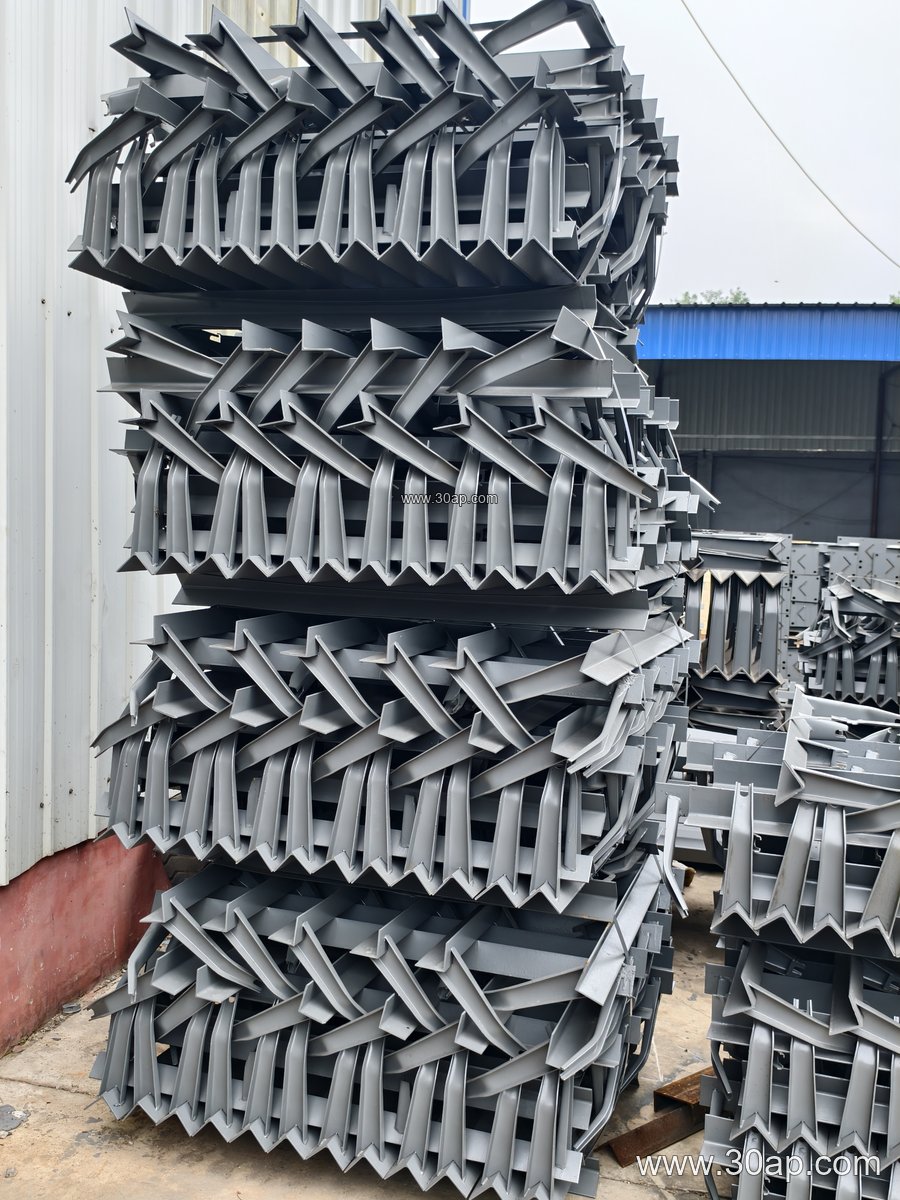
Selecting a Q235 conveyor bracket starts with the belt width and the idler roller diameter. Common combinations include B650 with 30 degrees and Ø89 rollers, B800 with 35 degrees and Ø108 rollers, or B1200 with 45 degrees and Ø133 rollers. These are reference examples, not fixed rules. A B1000 conveyor might use Ø108 or Ø133 rollers depending on load and speed.
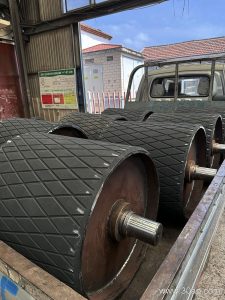
The bracket must also suit the conveyor pulley arrangement. The drive pulley, tail pulley, and bend pulley are not interchangeable, and the bracket near each pulley may need a different height or transition angle. A well-matched bracket set keeps the belt centered as it leaves the tail pulley and enters the troughing section.
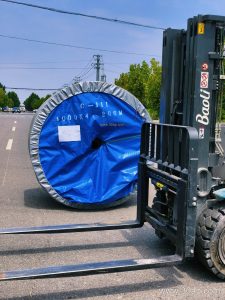
For abrasive duties such as iron ore or quarry rock, an abrasion resistant conveyor belt is often paired with heavy-duty brackets and impact idlers. In coal mining, a flame retardant conveyor belt and anti-static conveyor belt are typical, and the bracket steel should be selected with the same attention to dust and moisture exposure.
Where Q235 Brackets Are Used
You will find these brackets in stone crushing and screening lines, cement plants, power plant coal yards, and port ship loading systems. In a sand and gravel plant, troughing brackets support the belt that carries crushed stone from the crusher; in a fertilizer or grain silo, lighter brackets may be used with a food grade conveyor belt or a rubber conveyor belt on smaller flights. The same Q235 fabrication logic applies, but the surface treatment and bolt hardware may change with the environment.
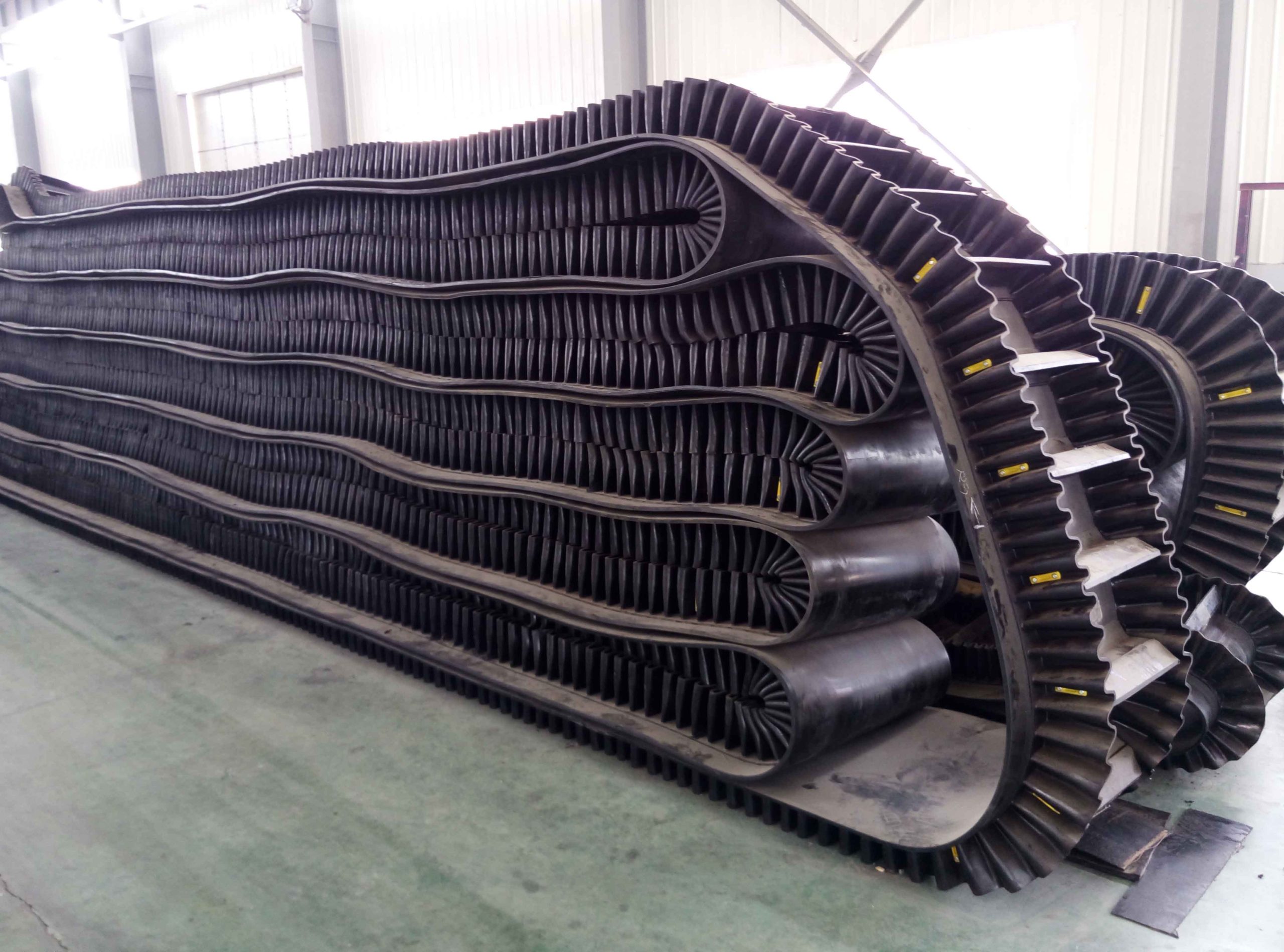
For long overland conveyors, a pipe conveyor belt or a corrugated sidewall conveyor belt may require special bracket geometry, and the bracket supplier should be consulted early in the design stage.
Buyer Checklist
Before ordering, confirm the belt width, trough angle, idler diameter, and mounting hole pattern. Ask for the steel grade and surface finish, and check whether the bracket is fixed or adjustable. For corrosive or wet conditions, discuss galvanizing or painting. Keep spare brackets for high-wear positions such as the impact zone. Finally, remember that the bracket is part of a system: the conveyor belt, idler roller, and conveyor pulley all influence how well it performs.