What an EP500 Conveyor Belt Is
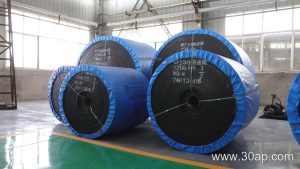
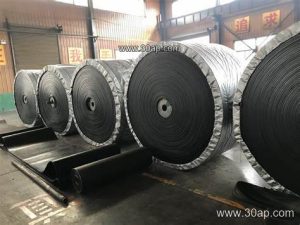
An EP500 Conveyor Belt is a fabric-core rubber belt built around polyester-polyamide (EP) carcass plies. The number 500 refers to the nominal tensile strength of the carcass, commonly expressed as 500 N/mm per ply width. In practice, an EP500 belt sits in the middle-to-upper range of EP belting: stronger than EP200 or EP400, but lighter and more flexible than a steel cord belt. Buyers often describe it as an EP rubber conveyor belt or an EP fabric core conveyor belt, and all three names point to the same product family.
The EP carcass combines polyester warp yarns with polyamide weft yarns. This pairing gives low elongation in the length direction and good troughability across the width. For a plant moving crushed rock, clinker, or sinter, that balance matters as much as raw strength.
Construction and Typical Specifications
An EP500 belt usually contains 2 to 6 fabric plies, depending on the duty and the manufacturer’s design. Top and bottom cover rubber protects the carcass from abrasion, impact, and moisture. Cover thickness is commonly written as a pair, such as 4+2 mm or 6+2 mm, where the first figure is the top cover and the second is the bottom cover. Heavier covers suit primary crushing and ore transfer points; lighter covers suit cleaner, more controlled duties.
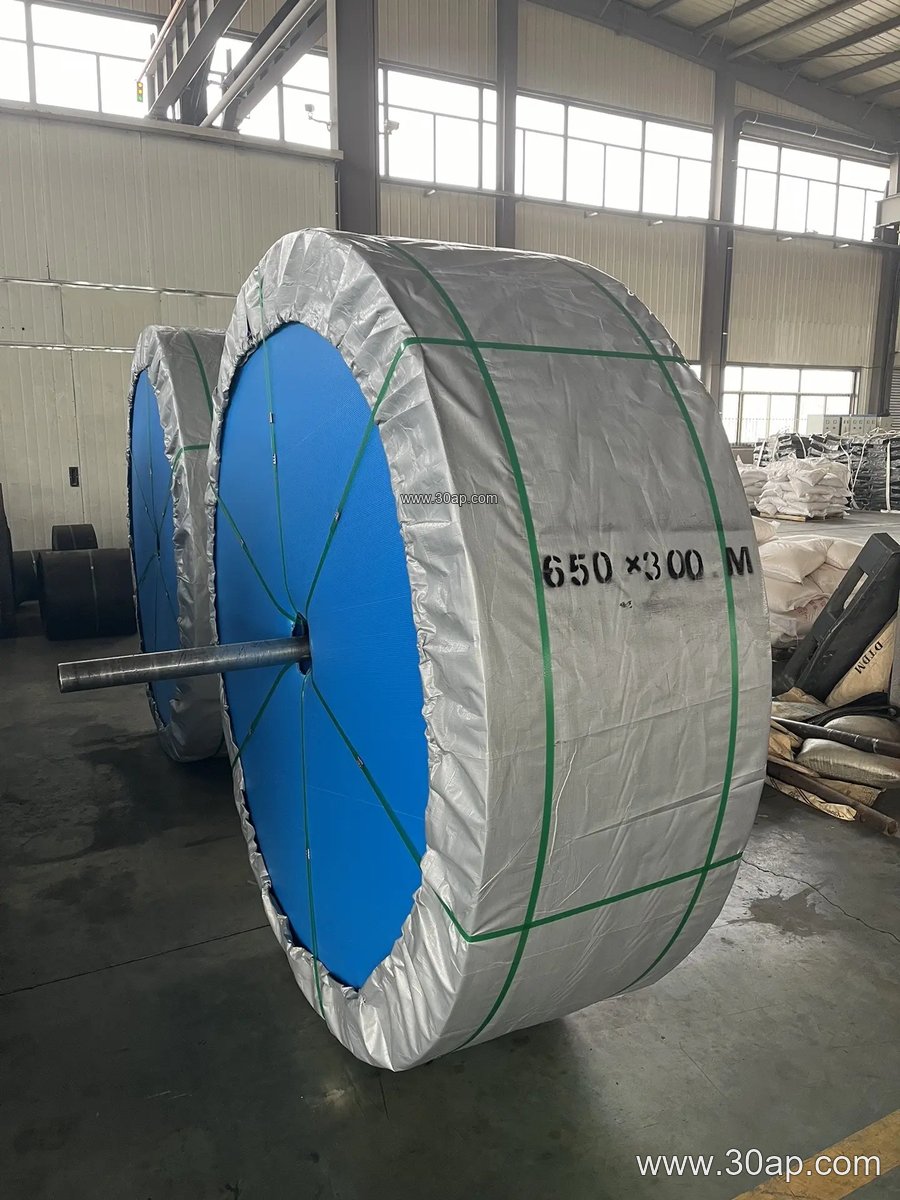
Widths follow standard conveyor practice. Common options include B650, B800, B1000, B1200, B1400, and B1600, with wider belts available for large tonnage lines. The table below shows reference values only; actual supply depends on the manufacturer and the application review.
- Belt type: EP500 Conveyor Belt (EP fabric core)
- Nominal carcass strength: 500 N/mm per ply
- Typical ply count: 2 to 6
- Common widths: B650, B800, B1000, B1200, B1400, B1600
- Common cover combinations: 4+2 mm, 5+2 mm, 6+2 mm
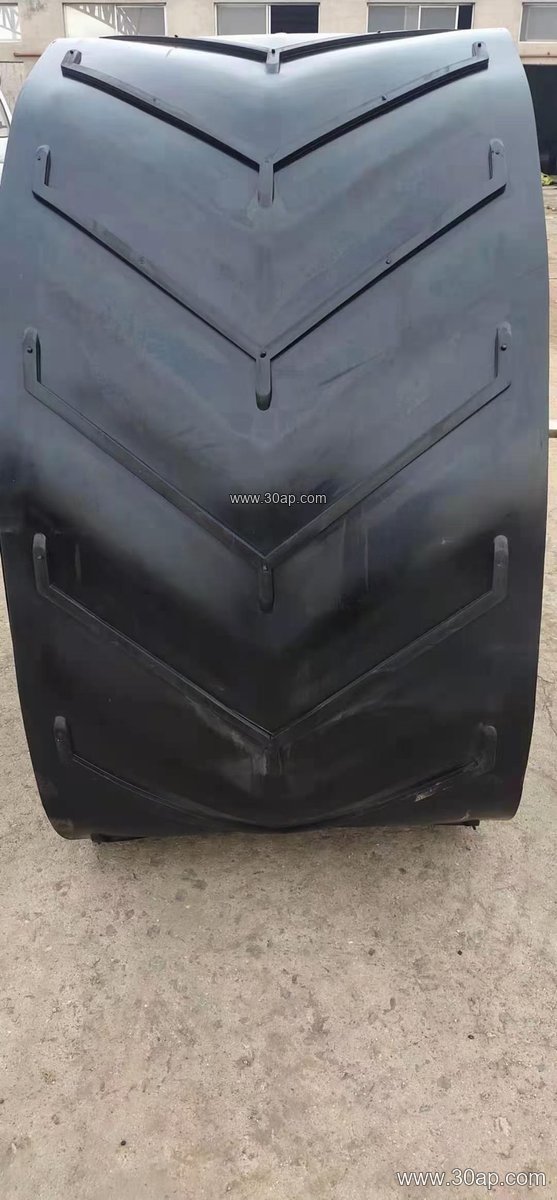
- Common surface forms: smooth, chevron, corrugated sidewall, skirted
Special grades are available for difficult conditions: abrasion resistant, heat resistant, oil resistant, flame retardant, anti-static, and cold resistant constructions. In coal mining and underground coal mining, flame retardant and anti-static grades are usually specified together. In cement plants and power plants, heat resistant variants are common where clinker or ash is still warm.
Where EP500 Belts Are Used
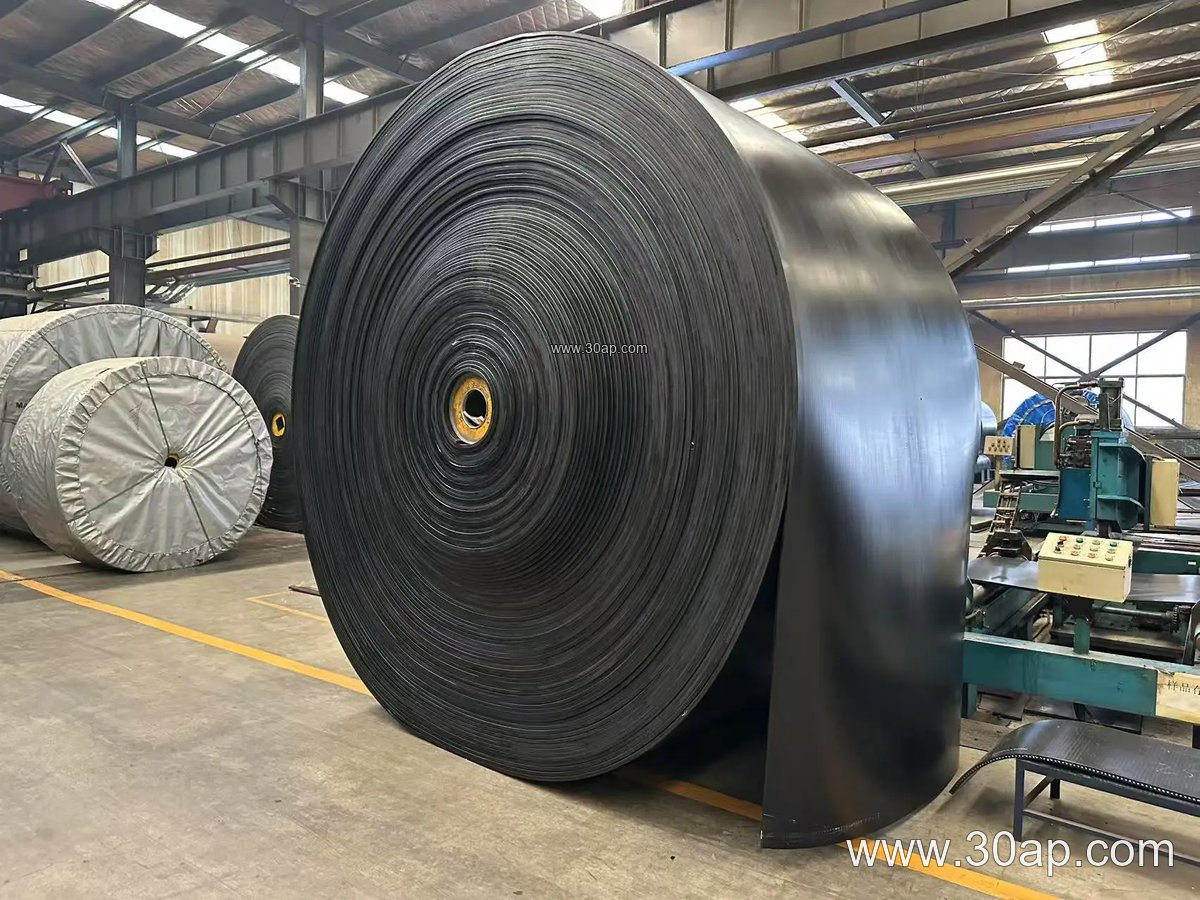
The belt fits medium-to-heavy duty conveying in mining, quarrying, aggregate production, cement, steel, and power generation. A primary crusher discharge, a transfer conveyor between stockpiles, or a ship loading line at a port can all use this belt class when the calculated tension falls within its range.
It is not a universal choice. A very long overland conveyor with high tension may call for a steel cord conveyor belt, while a short light-duty line may be served by an NN conveyor belt. The comparison is about tension and duty, not about one product replacing another. Where material must be kept inside the belt path on an incline, a chevron conveyor belt or a corrugated sidewall conveyor belt may be the better surface form; where dust control is critical, a pipe conveyor belt can enclose the load.
Selection Points for Buyers
Start with the calculated maximum belt tension, then confirm the ply count and safety factor with the belt supplier. Provide the material type, lump size, throughput, incline angle, and loading conditions. State the ambient and material temperatures so the correct cover compound can be chosen. For coal or other combustible dust environments, specify flame retardant and anti-static requirements clearly.
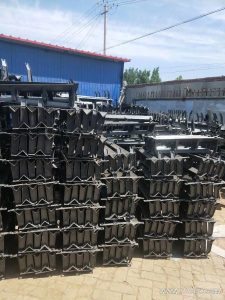
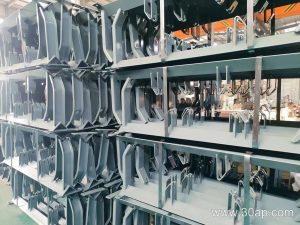
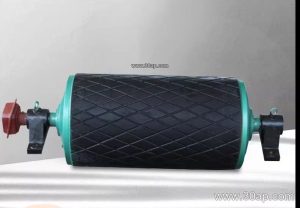
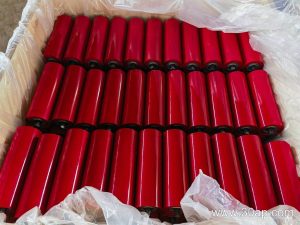
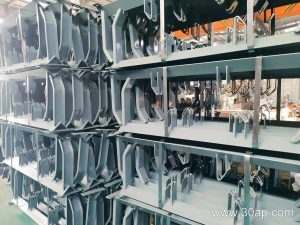
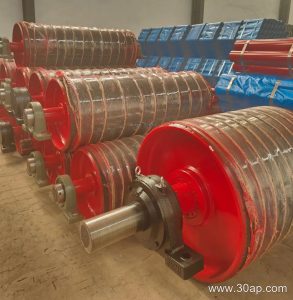
Pulley and idler selection should follow the belt design, not the other way round. Drive pulleys, tail pulleys, and bend pulleys have different roles and are not interchangeable. A conveyor pulley diameter, shaft size, and lagging choice should be confirmed against the belt’s minimum pulley recommendation. Idler roller spacing and conveyor bracket layout affect belt sag and tracking, especially near loading points.
For maintenance, check cover wear at impact zones, monitor splice condition, and keep the belt tracking straight. Store spare belts away from sunlight and ozone sources.
To compare an EP500 Conveyor Belt with other fabric constructions or to request a width and cover combination for your line, visit EP500 conveyor belt or review our conveyor pulley and idler roller references before finalizing the specification.