What the EP1000 Conveyor Belt Is
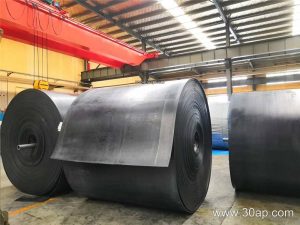
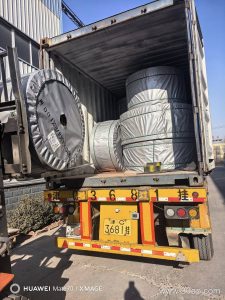
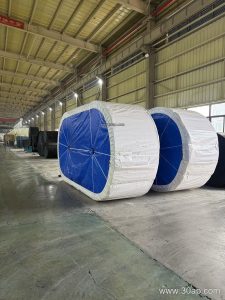
The EP1000 Conveyor Belt is a fabric-core rubber belt built on polyester-polyamide (EP) carcass plies with a nominal tensile strength of 1000 N/mm per ply width. In plant language it is often called an EP1000 rubber conveyor belt or simply an EP fabric core belt at the 1000 class. It sits in the upper-middle of the EP range, above EP630 and below EP1250, which makes it a practical choice for main haulage lines that carry dense, abrasive bulk material but do not justify a steel cord carcass.
The belt is not a single fixed product. Construction, cover grade and ply count are set by the conveyor design, so two EP1000 belts from different suppliers may look similar and behave very differently in service.
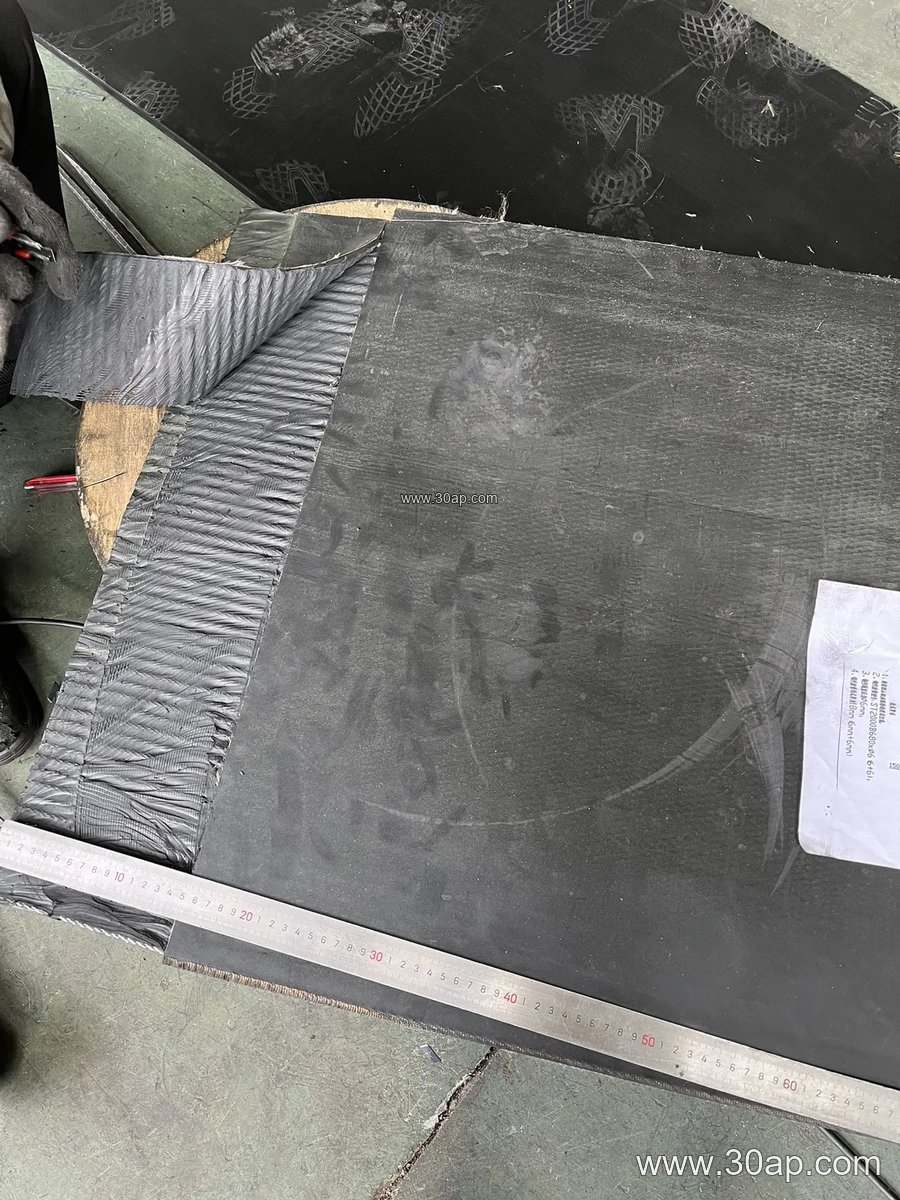
How the Carcass and Covers Are Built
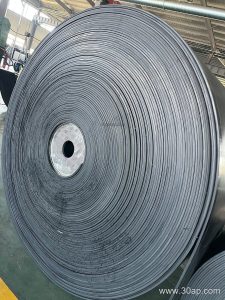
The strength member is a multi-ply EP fabric, typically two to six plies depending on the duty. Polyester warp gives low stretch and good troughability; polyamide weft adds impact tolerance and rip resistance. Skim rubber between plies bonds the carcass into one unit, and top and bottom covers protect the fabric from wear, moisture and impact.
Cover thickness is usually quoted as a pair, for example 4+2 mm, 5+2 mm, 6+2 mm or 8+3 mm. The first figure is the carrying-side cover, the second the pulley-side cover. A 4+2 build suits general bulk handling; 6+2 and 8+3 are common where sharp rock or hot clinker is present.
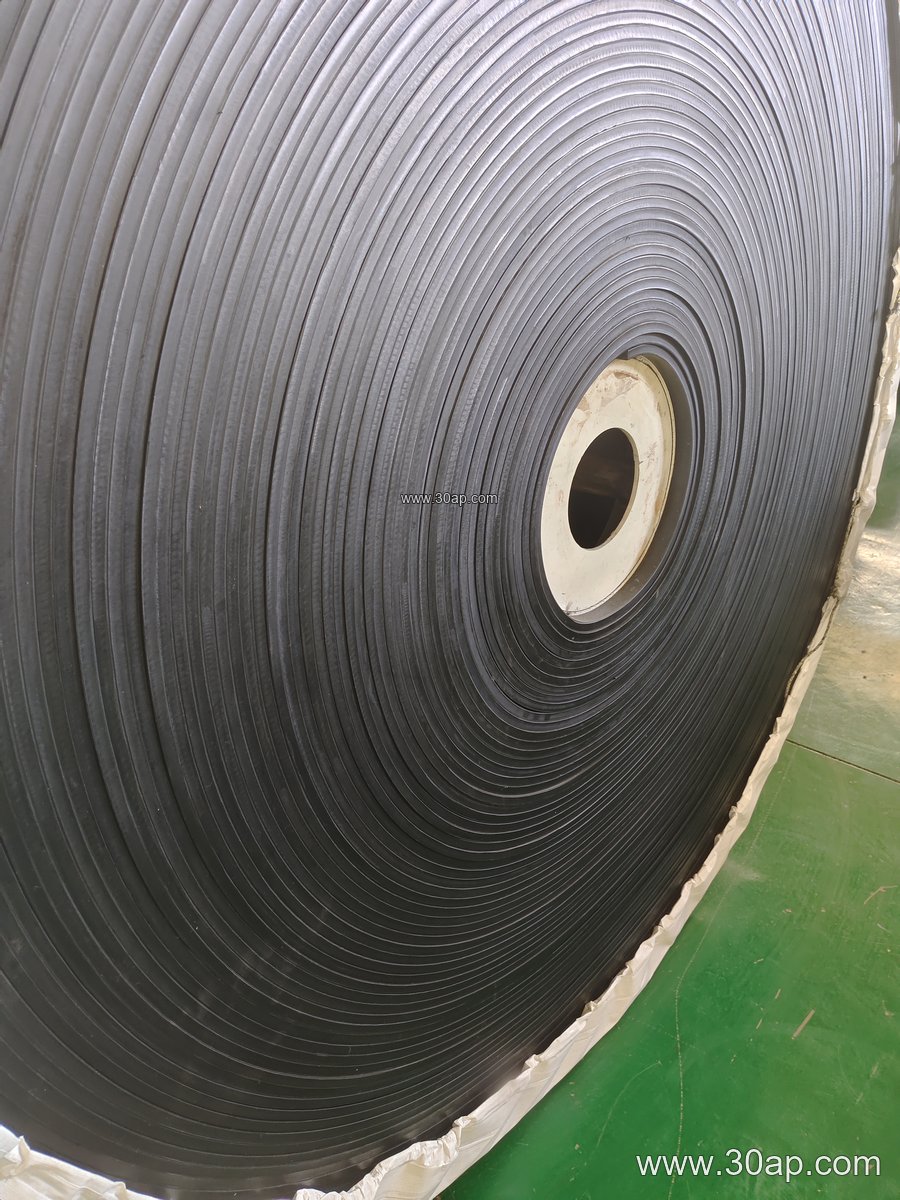
Typical Specifications at a Glance
The table below shows common reference values, not a supply promise. Final figures follow the conveyor design and the manufacturer’s data sheet.
| Parameter | Common Reference |
|---|---|
| Strength class | EP1000 (1000 N/mm) |
| Related classes in the EP family | EP200, EP315, EP400, EP500, EP630, EP800, EP1000, EP1250, EP1600, EP2000 |
| Belt width | B500, B650, B800, B1000, B1200, B1400, B1600, B1800, B2000 |
| Cover thickness | 3+1.5, 4+2, 5+2, 6+2, 8+3 mm |
| Carcass plies | Usually 2 to 6 |
| Cover grades | Abrasion resistant, heat resistant, oil resistant, flame retardant, anti-static, cold resistant |
Where It Fits in the Plant
Because of its balanced strength and flexibility, an EP1000 belt is widely used in mines, coal preparation plants, cement works, power stations, quarries and sand and aggregate yards. It handles crushed stone, ore, clinker, limestone, coal and similar bulk material on long inclined or horizontal runs.
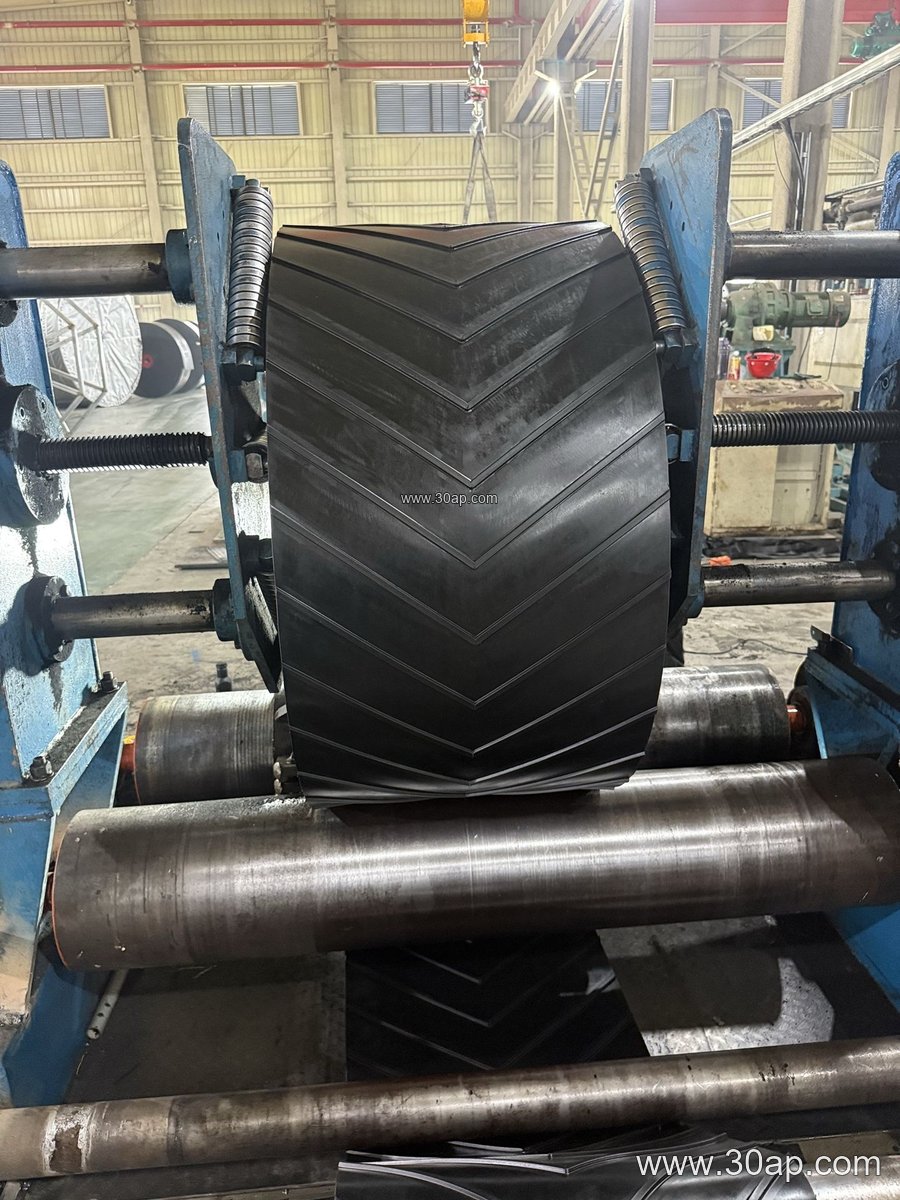
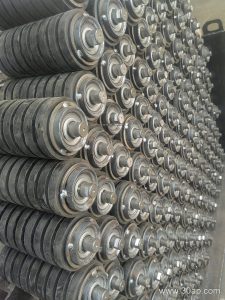
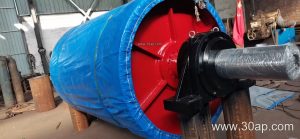
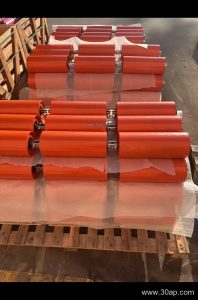
On a typical conveyor it works with a drive pulley, a tail pulley and bend pulleys, supported by idler rollers and mounted on conveyor brackets. Troughing idlers shape the belt into a trough so material stays centred; return idlers support the empty side. Where the belt passes over a drive pulley, adequate cover thickness and the right pulley lagging matter more than the strength class alone.
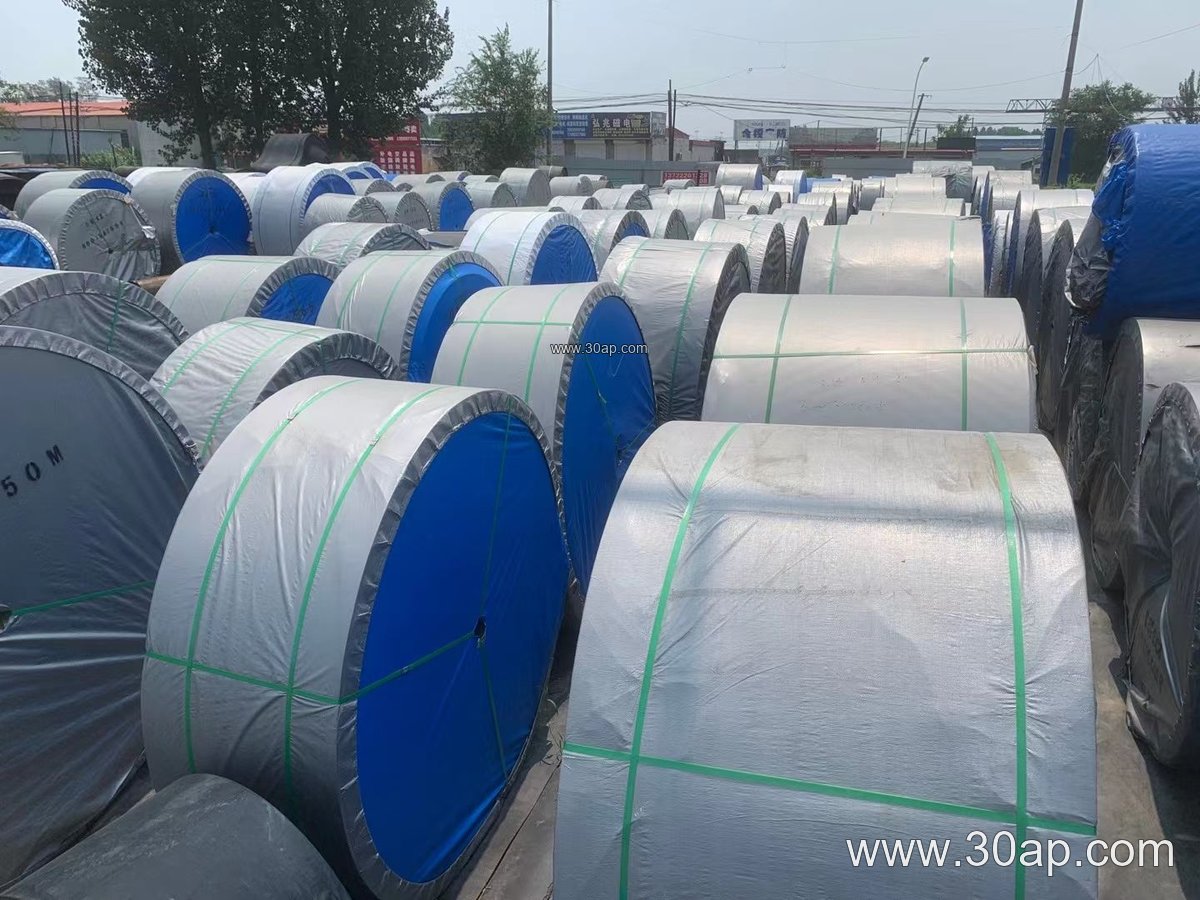
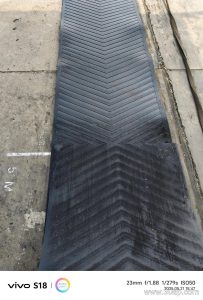
For special routes, the same carcass can be supplied as a Chevron Conveyor Belt for steep inclines, a Corrugated Sidewall Conveyor Belt or Skirted Conveyor Belt for contained material, or an Endless Conveyor Belt where splicing space is limited.
Choosing Covers and Add-Ons
The strength class tells only half the story. In a quarry or crusher line, an Abrasion Resistant Conveyor Belt cover is usually the priority; in a cement kiln area, a Heat Resistant Conveyor Belt grade; in a coal mine, a Flame Retardant Conveyor Belt and Anti-Static Conveyor Belt combination is often specified. Oil-laden material calls for an Oil Resistant Conveyor Belt cover, and cold climates may need a Cold Resistant Conveyor Belt compound.
Impact points deserve attention as well. A belt receiving large lumps at a transfer chute benefits from extra cover thickness, closer idler spacing and impact idlers, rather than from a higher strength class alone.
Buyer Checklist
- Confirm the required strength class and ply count against the conveyor’s calculated tension, not by habit.
- State belt width, cover thickness and cover grade clearly in the enquiry.
- Match the cover grade to the real duty: abrasion, heat, oil, flame or cold.
- Check pulley diameters and take-up travel; EP carcass flexibility has limits set by the designer.
- Agree the splice method and whether an endless belt is needed.
- Ask for the manufacturer’s data sheet with tolerances before ordering.
A correctly specified EP1000 Conveyor Belt gives long, predictable service in demanding bulk handling. The key is to treat strength, cover grade and conveyor layout as one design decision rather than three separate purchases.