What a Rock Conveyor Belt Does
A rock conveyor belt is the load-carrying component of a bulk handling line that moves crushed stone, ore, gravel, and screened aggregate between processing stages. Unlike a general-purpose belt on a light assembly line, this belt works under sharp edges, heavy lumps, and constant abrasion. It is often specified as a heavy-duty mining conveyor belt or an abrasion resistant conveyor belt, depending on how abrasive and how heavy the rock stream is. The same product may also be called a stone crusher conveyor belt when it sits directly under a primary or secondary crusher.
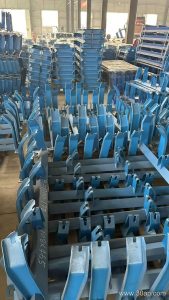
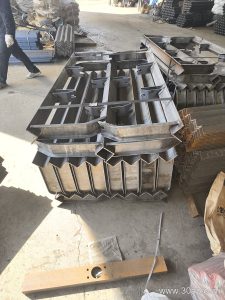
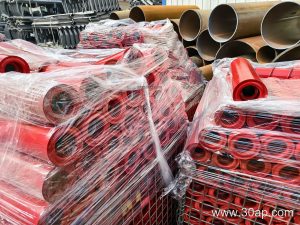
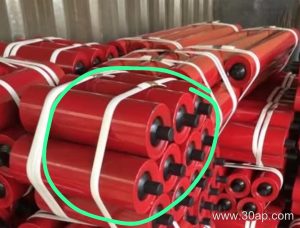
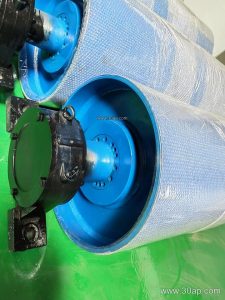
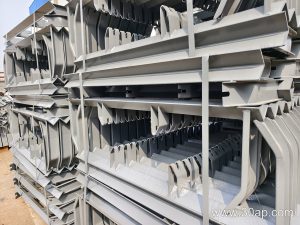
The belt is only one part of the circuit. A conveyor pulley at the head drives it, tail and bend pulleys route it, idler rollers support the carrying side, and a conveyor bracket holds the whole frame together. If any of these parts is mismatched, belt life drops quickly, even when the belt itself is well made.
Construction and Common Cover Grades
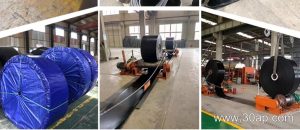
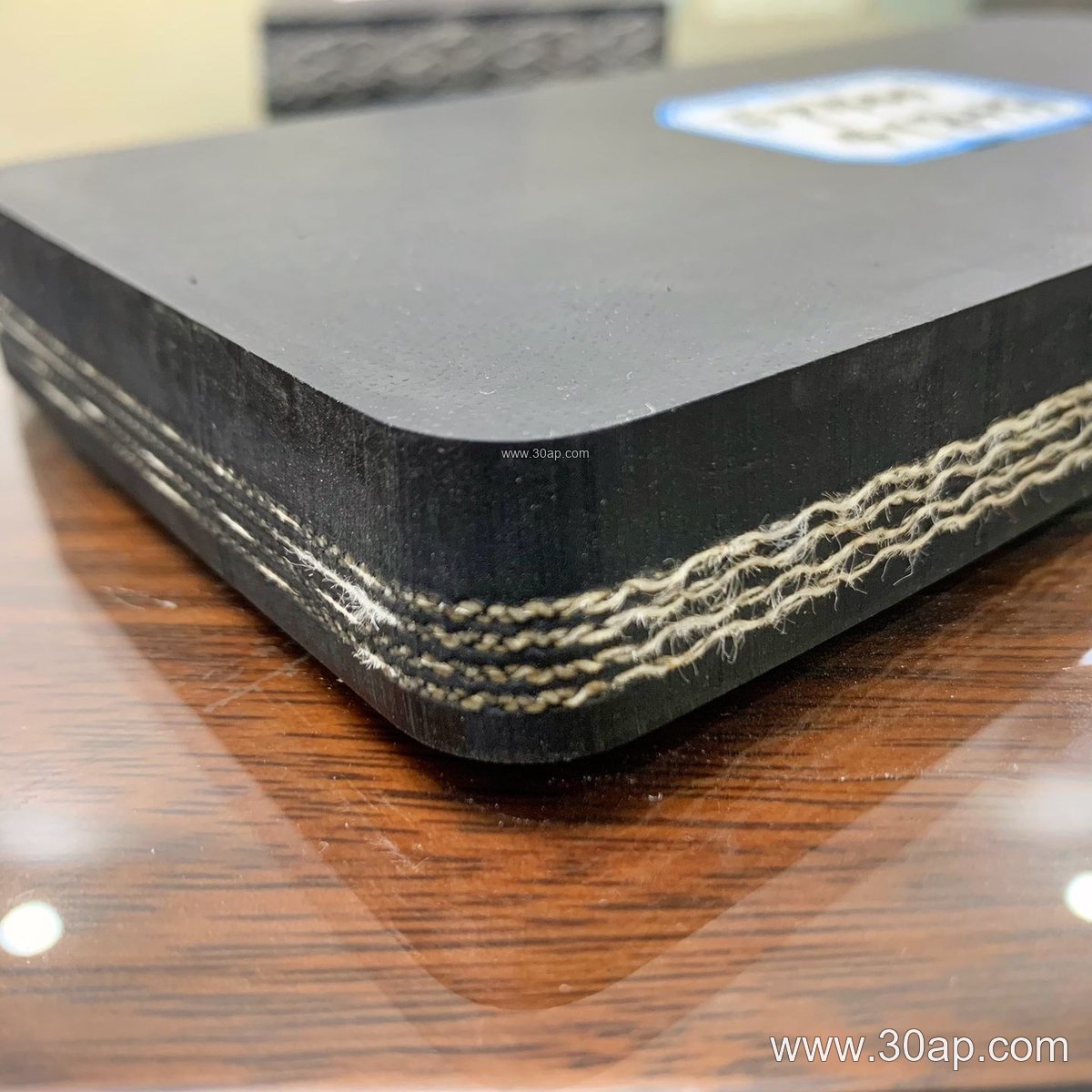
Most rock belts use a fabric core or a steel cord core. Fabric core versions include EP conveyor belt (polyester warp, nylon weft) and NN conveyor belt (nylon warp and weft). Multi-ply fabric core conveyor belt constructions usually run from two to six plies, while steel cord conveyor belt designs are chosen for long runs and high tension. The cover rubber carries the wear, and its grade should match the rock: hard, sharp granite calls for a high abrasion resistant compound, while limestone and cement raw material may allow a standard abrasion resistant cover.
Cover thickness is usually written as top plus bottom, for example 4+2 mm, 5+2 mm, 6+2 mm, or 8+3 mm. Thicker top covers suit coarse, lumpy feed; a thinner cover is often enough after screening. Belt width follows the chute and the tonnage, and common values include B650, B800, B1000, B1200, B1400, B1600, and B1800. These are reference ranges, not fixed pairings — a given width can be matched with different pulley diameters and shaft sizes according to the drive design.
Reference Data for Specification Discussions
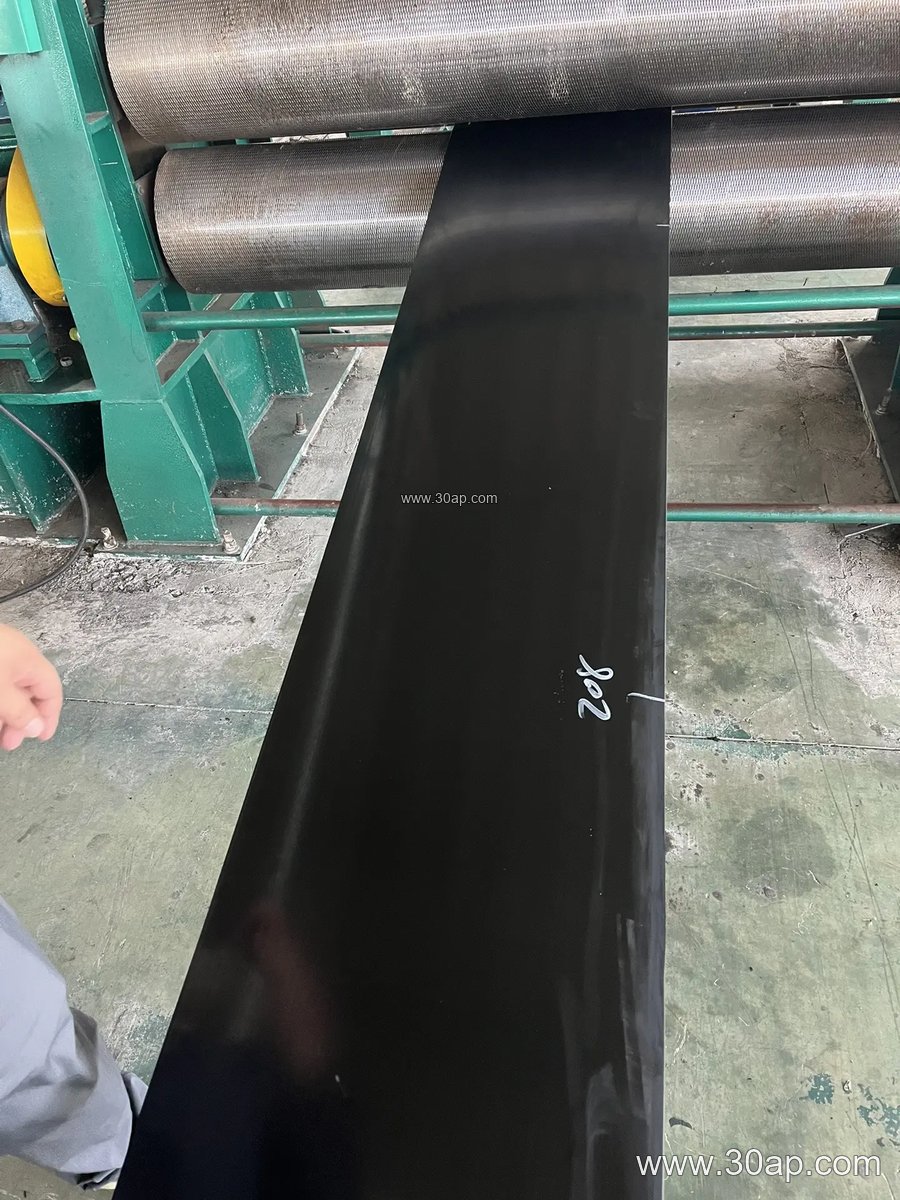
The table below collects typical values used when comparing quotations. Treat them as starting points for a design conversation with the belt supplier and the conveyor engineer.
- Core types: EP fabric, NN fabric, steel cord
- EP strength grades commonly quoted: EP200, EP315, EP400, EP500, EP630, EP800, EP1000, EP1250, EP1600
- Steel cord grades commonly quoted: ST1000, ST1250, ST1600, ST2000, ST2500
- Widths: B500 to B2000, with B800, B1000, B1200, B1400 and B1600 widely used in rock plants
- Cover combinations: 3+1.5, 4+2, 5+2, 6+2, 8+3 mm
- Ply count: 2 to 6 for fabric cores
For a mine or quarry with a long incline, an EP1000 or EP1250 belt at B1200 may be proposed; a short transfer under a crusher may use EP400 or EP500 at B800. No single size is mandatory for every conveyor, and the final choice depends on lump size, drop height, throughput, and pulley arrangement.
Where Rock Belts Are Used
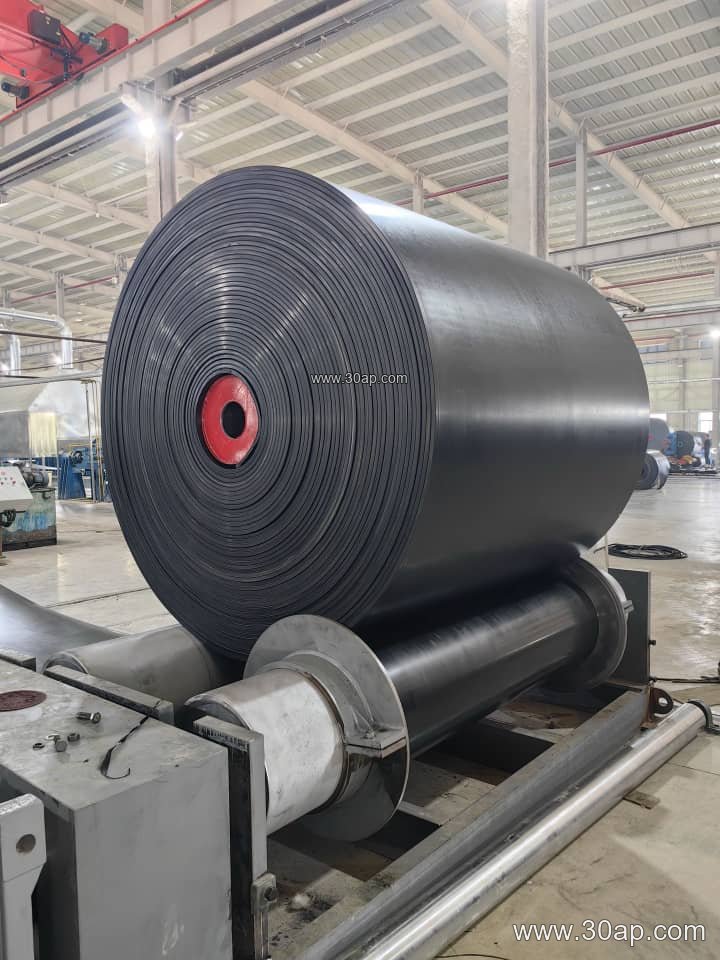
These belts appear across mining, quarrying, cement, power, and construction sites. Typical duties include:
- Primary and secondary crusher discharge in a quarry or stone crushing plant
- Ore transport in iron ore, copper ore, and gold mining operations
- Coal handling in a coal mining conveyor line, where a flame retardant conveyor belt or fire resistant conveyor belt grade is often required underground
- Clinker and raw meal transfer in a cement plant
- Coal and ash handling in a power plant
- Aggregate stockpiling and ship loading at a port
- Recycling lines handling demolition rubble
Where the route climbs steeply, a chevron conveyor belt or a corrugated sidewall conveyor belt may be used instead of a smooth belt. In dusty or confined tunnels, an anti-static conveyor belt grade helps control static buildup. Cold climates may call for a cold resistant conveyor belt, and oily rock or recycled material may need an oil resistant conveyor belt.
Buyer Checklist Before Ordering
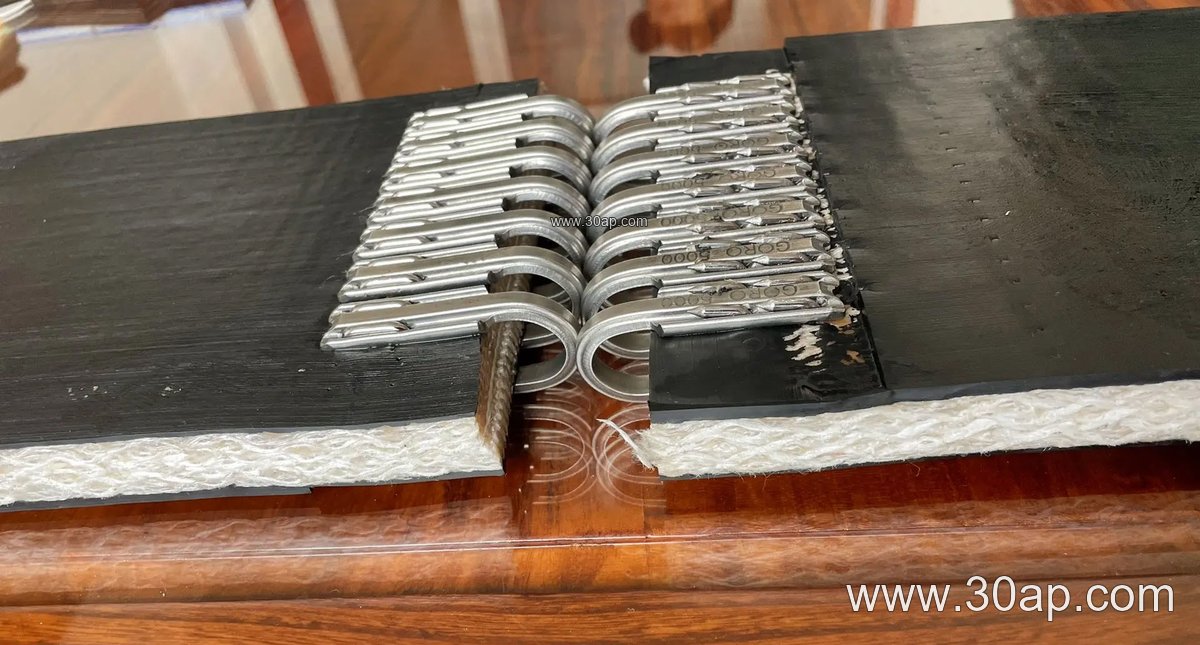
Start with the duty: rock type, maximum lump size, drop height, tonnage per hour, and incline angle. Confirm the belt width and the pulley diameters already installed, because a belt that is too stiff for a small pulley will crack at the splice. Ask for the cover grade and cover thickness in writing, and check whether the splice method suits the core — steel cord belts usually need a different splice than fabric belts.
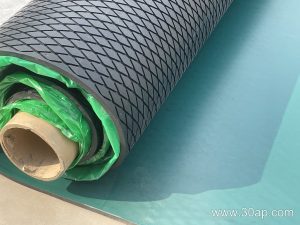
Also review the supporting hardware: idler roller spacing at the loading point, impact idlers under the chute, pulley lagging, and the condition of the conveyor bracket and frame. A worn idler or a misaligned bend pulley can damage a new belt within weeks. Finally, request the belt’s tension rating and recommended minimum pulley diameter from the manufacturer, and keep spare splice material on site for fast repairs.
For plant operators comparing options, a rock conveyor belt quotation should list core type, strength grade, width, cover compound, cover thickness, and splice details together. That combination, rather than belt width alone, determines whether the belt survives the rock stream.