What a Self-Aligning Idler Does on a Conveyor
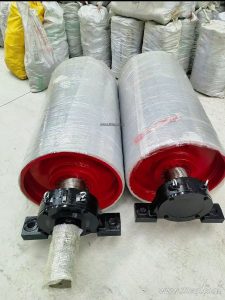
A belt conveyor self-aligning idler is a training idler that keeps the conveyor belt centered along the carrying run. When a belt drifts toward one side, the angled rolls and the swivel action of the idler frame steer it back toward the middle. This reduces edge wear, spillage, and the chance of the belt rubbing against the structure. The same product is also called a self-training idler or self-centering idler. It is a distinct idler subtype; it should not be confused with a drive pulley, tail pulley, or bend pulley, which serve different functions at the ends and curves of the conveyor.
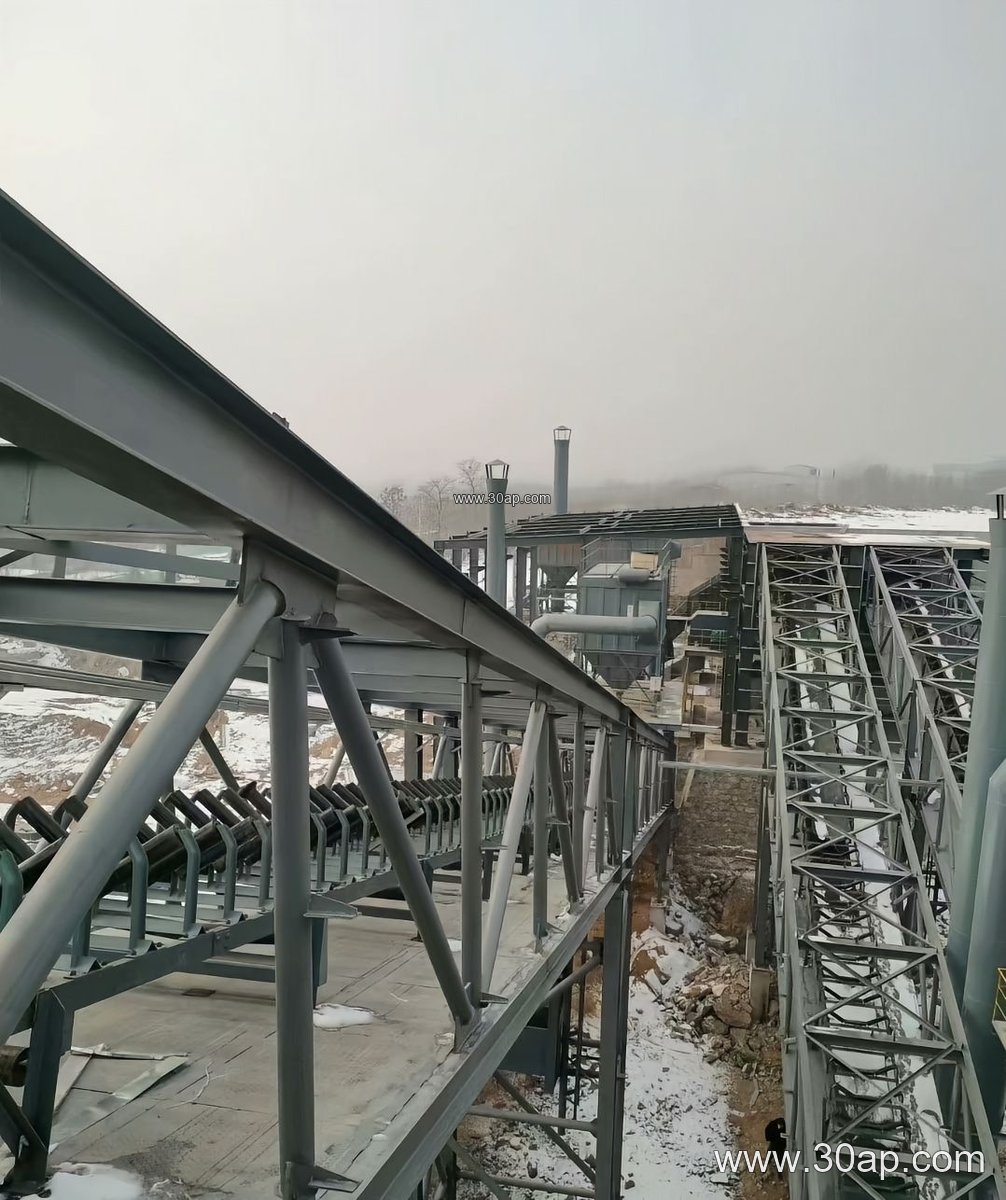
In a quarry, a coal handling system, or a cement plant, a small tracking error can become a large problem on a long run. The self-aligning idler is usually installed at points where misalignment is likely, such as after a loading point or along a section where the belt is prone to wander.
Construction and Working Principle
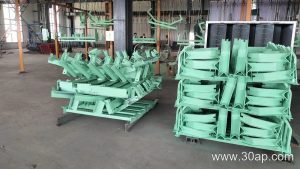
A typical self-aligning idler uses a pivoting frame mounted on a base. The frame carries two or three rolls set at an angle, often in a trough shape. When the belt contacts the rolls unevenly, the friction produces a turning moment that swings the frame slightly. The angled rolls then push the belt back toward the center line. A friction self-aligning idler relies on this contact force, while a conical self-aligning idler uses tapered roll ends to create a similar correcting effect.
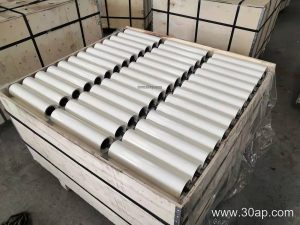
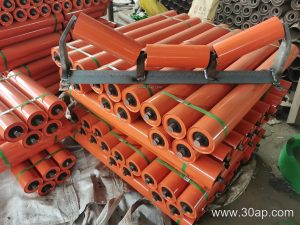
Common roll diameters for training idlers include Ø89, Ø108, Ø127, Ø133, and Ø159 mm, with larger sizes used on heavy-duty conveyors. Roll length depends on belt width, trough angle, and frame design. For reference, a three-roll trough set may use roll lengths of about 315 mm at B800, 380 mm at B1000, and 465 mm at B1200, but side rolls and center rolls can differ. Bearings such as 6205, 6305, and 6308 are common, and the correct bearing is selected by load and speed, not by belt width alone.
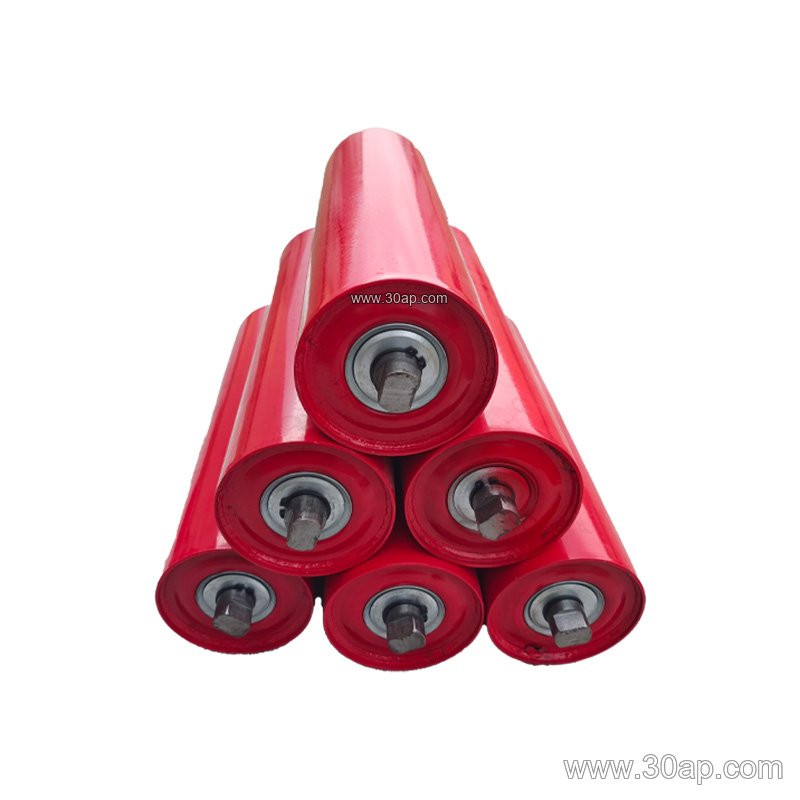
Common Configurations
- Two-roll V-type training idler for the return run
- Three-roll trough training idler for the carrying run
- Friction self-aligning idler with a swivel base
- Conical self-aligning idler with tapered roll profiles
The roll surface may be steel, nylon, or rubber-covered. In dusty or wet conditions, good sealing matters because fine material can enter the bearing housing and shorten service life. A conveyor bracket that fits the frame correctly is equally important for smooth pivoting.
Where It Fits in Bulk Handling
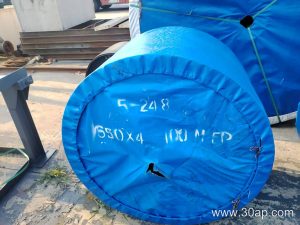
Self-aligning idlers are widely used in sand and gravel lines, iron ore and copper ore handling, coal preparation plants, power station coal yards, and limestone crushing sections. They also appear in port loading systems and tunnel spoil removal. On a conveyor carrying abrasive bulk material, the idler works alongside the conveyor belt, the conveyor pulley, and the supporting structure. The belt itself may be a heavy-duty mining conveyor belt, an abrasion resistant conveyor belt, or a flame retardant conveyor belt in underground coal mining. A steel cord conveyor belt or an EP conveyor belt may need different roll spacing, but the tracking function of the idler remains the same.
In a cement plant, a self-aligning idler placed after a transfer chute can help correct the sideways push caused by off-center loading. In a coal mining conveyor, a flame retardant conveyor belt and well-aligned idlers together reduce the risk of edge damage and frictional heat.
Selection Points for Buyers
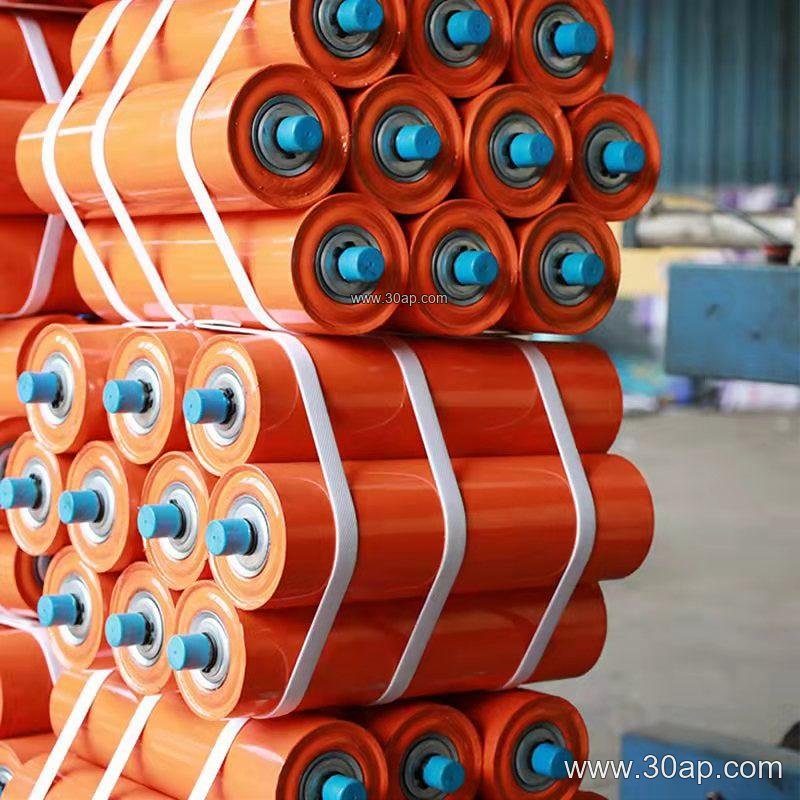
Buyers should match the idler to belt width, trough angle, load, and environment. Belt widths from B400 to B2400 are common, and trough angles of 20, 30, 35, and 45 degrees are typical. A forward tilt of about 1.5 to 2 degrees may be used on training idlers to improve self-centering, but this is a design choice rather than a fixed rule. Specify the belt type and the material being carried, since a rubber conveyor belt, an oil resistant conveyor belt, or a heat resistant conveyor belt may call for different roll surfaces and bearing protection.
Ask for the roll diameter, shaft size, bearing model, frame height, and mounting hole spacing. Do not assume that one belt width matches only one pulley diameter or one shaft size. For a long overland run, place training idlers at intervals recommended by the conveyor designer rather than at every frame. Keep spare rolls and brackets available so that a damaged idler can be replaced before it affects belt tracking.
Installation and Maintenance Notes
Mount the self-aligning idler square to the belt center line and check that the frame pivots freely. A binding frame cannot correct drift. After installation, observe the belt over several empty and loaded cycles. If the belt still drifts, check pulley alignment, belt splice squareness, and loading conditions before adding more training idlers. Clean material buildup from the rolls and inspect seals during routine shutdowns. In a dusty stone crushing line or a fertiliser plant, more frequent inspection is practical because fine dust and moisture accelerate bearing wear.