What a Q355 Conveyor Bracket Does
A Q355 conveyor bracket is the steel support that holds idler rollers at the correct height, spacing and angle along a conveyor frame. It connects the rotating parts to the structural frame, so the belt runs on a stable, aligned path. In a quarry, a coal washing plant or a cement kiln feed line, this bracket is often the quiet component that decides whether the whole conveyor line stays smooth.
The name refers to the steel grade. Q355 is a low-alloy structural steel with a minimum yield strength of about 355 MPa, giving the bracket good stiffness and fatigue resistance under constant vibration. It is not a single shape but a family of brackets, and the right variant depends on the belt width, the idler diameter and the load profile.
How the Bracket Is Built
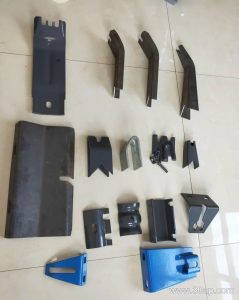
Most Q355 conveyor brackets are fabricated from angle steel, channel steel or bent steel plate, then welded and drilled for mounting. The common workshop route is cutting, punching, bending, welding, shot blasting and painting. Holes and slots are positioned so the bracket accepts a conveyor idler roller without forcing the shaft. A well-made bracket keeps the roller axis square to the belt, which reduces edge wear on the conveyor belt.
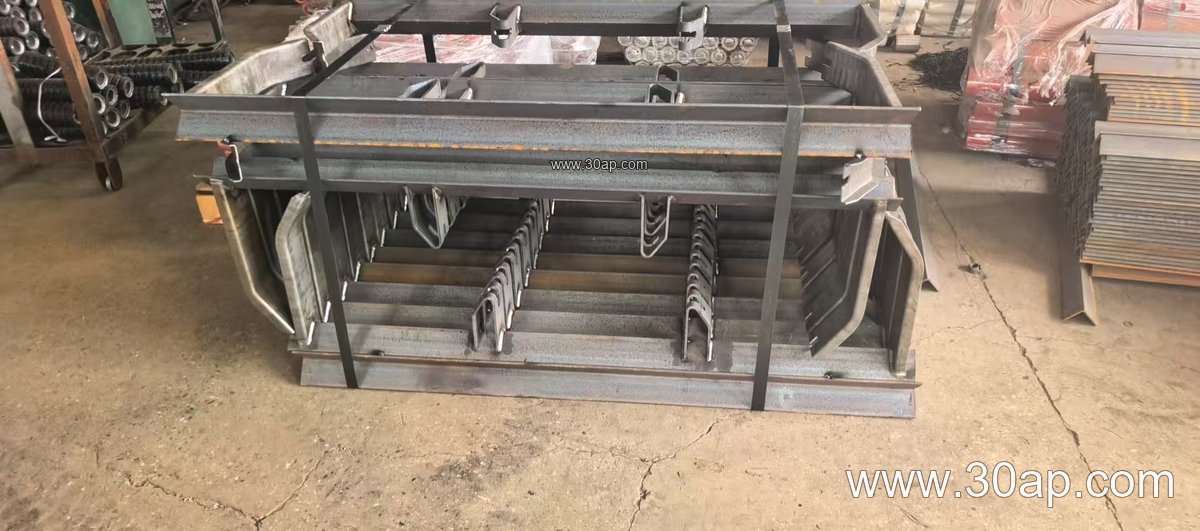
Because Q355 is weldable and tough, the bracket can carry impact loads from lump ore or crushed stone better than a light carbon steel frame. Buyers should confirm weld quality, hole alignment and coating thickness, since these details affect service life more than the steel grade alone.
Common Types and Where They Sit
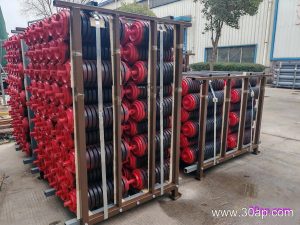
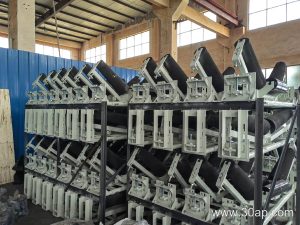
The main variants serve different positions on the conveyor. Trough brackets carry the upper carrying idlers and set the trough angle. Return brackets support the belt on the return side, often as a flat or V-shaped arrangement. Impact brackets sit under the loading point and work with impact idlers. Self-aligning brackets help correct belt drift, and transition brackets ease the belt from flat to troughed. Adjustable brackets allow the trough angle to be changed on site.
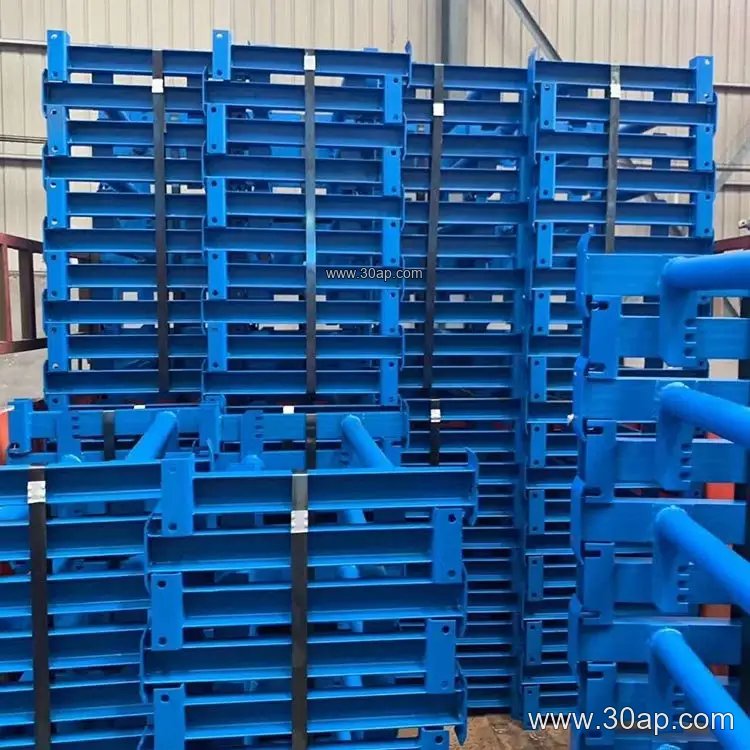
- Trough bracket, upper side, fixed or adjustable
- Return bracket, flat or V type
- Impact bracket at the feed point
- Self-aligning bracket for belt tracking
- Transition bracket near pulleys
- Suspended bracket for lighter frames
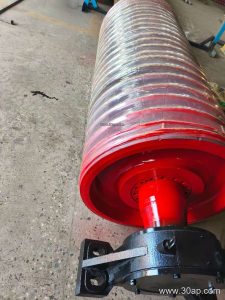
Drive pulleys, tail pulleys and bend pulleys are separate components and are not interchangeable with brackets. A bracket supports idlers; a conveyor pulley drives or redirects the belt.
Matching Belt Width, Trough Angle and Roller Diameter
Bracket geometry follows the belt width and the selected trough angle. Typical belt widths include B500, B650, B800, B1000, B1200, B1400, B1600, B1800, B2000, B2200. Trough angles of 20, 30, 35 and 45 degrees are common, and adjustable brackets can move between these angles. Roller diameters such as Ø89, Ø108, Ø133, Ø159 and Ø194 are chosen by load and belt speed.
There is no fixed rule that one belt width must use one trough angle or one roller diameter. A B800 line might run at 35 degrees with Ø108 rollers, while a B1200 conveyor could use 45 degrees and Ø133 rollers. Hole spacing and beam length change with width and angle, so these should be confirmed by design rather than assumed.
| Belt Width | Common Trough Angle | Common Roller Diameter |
|---|---|---|
| B500 | 20–30 degrees | Ø89 |
| B650 | 30 degrees | Ø89–Ø108 |
| B800 | 30–35 degrees | Ø108 |
| B1000 | 35 degrees | Ø108–Ø133 |
| B1200 | 35–45 degrees | Ø133 |
| B1400 | 35–45 degrees | Ø133–Ø159 |
| B1600 | 35–45 degrees | Ø159 |
Values above are typical reference ranges, not universal specifications. Final selection depends on the conveyor design, material density and idler load rating.
Where These Brackets Are Used
You will find Q355 conveyor brackets in stone crushing plants and aggregate yards, in coal handling systems at power stations, in cement plants moving clinker and raw meal, and in iron ore or copper ore transfer stations. They also appear in port bulk terminals and fertilizer silos. In heavy-duty mining conveyors, the bracket must resist dust, moisture and continuous vibration, so galvanizing or a suitable paint system is often specified.
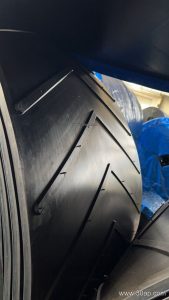
When the belt carries abrasive material, pairing a robust bracket with a high abrasion resistant conveyor belt and good idler alignment reduces downtime. In cold regions, a cold resistant conveyor belt may be used, but the bracket still needs steel toughness at low temperature.
Buyer Checklist
- Confirm belt width, trough angle and roller diameter before ordering.
- Check mounting hole spacing against the actual frame.
- Ask for material certificate for Q355 and coating specification.
- Match bracket type to position: carrying, return, impact or transition.
- Consider adjustable brackets where belt tracking may need tuning.
A correctly specified Q355 conveyor bracket keeps idlers true, protects the conveyor belt and extends the service interval of the whole conveyor. For related components such as conveyor pulleys and idler rollers, coordinate dimensions with the bracket drawing to avoid field rework. See more conveyor bracket options at beltconveyorparts.com.