What a Conveyor Belt Self-Aligning Idler Does
A conveyor belt self-aligning idler is a training idler installed on the carrying or return side of a conveyor to keep the belt centered. When the belt begins to drift toward one side, the idler responds by steering it back. This reduces edge damage, spillage, and uneven wear on the conveyor belt, and it lowers the chance of downtime caused by a misaligned belt rubbing against the structure.
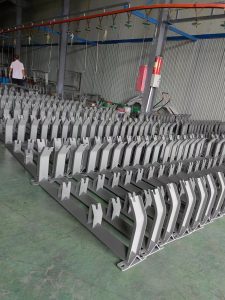
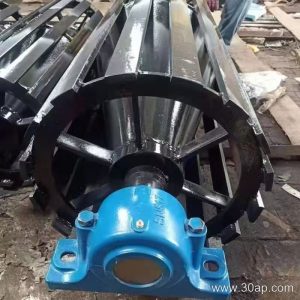
The same product is also called a self-training idler or a belt training idler. In a typical layout the self-aligning idler sits between ordinary carrying idlers and works alongside the conveyor bracket and frame. It does not replace the drive pulley, tail pulley, or bend pulley; those parts transmit power and change belt direction, while a training idler only corrects lateral drift.
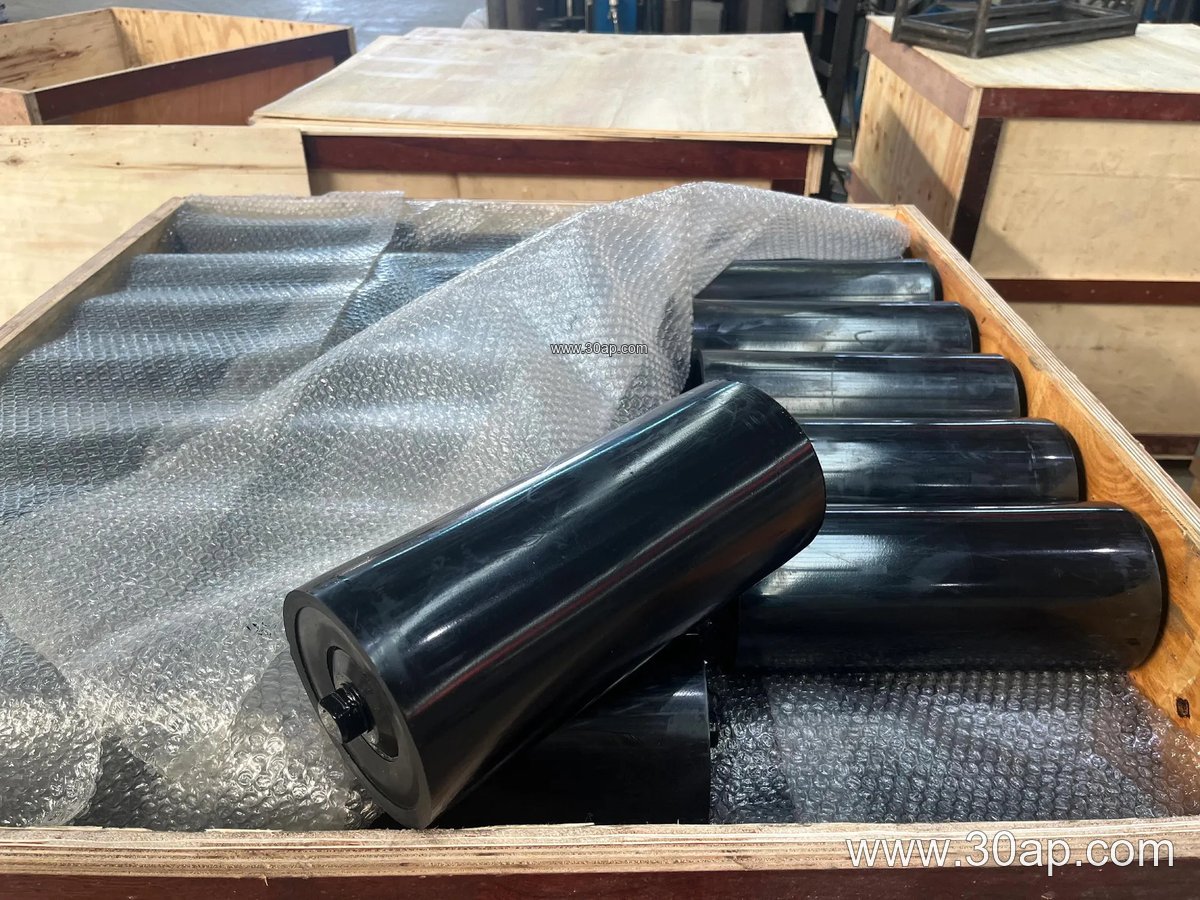
How the Idler Is Built
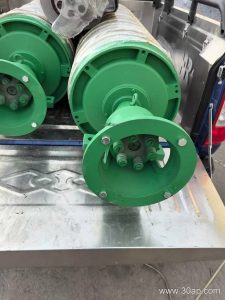
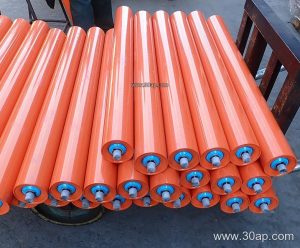
The assembly usually consists of two or three rolls mounted on a pivoting frame. The frame is connected to the conveyor bracket through a vertical pivot. When the belt contacts the rolls off-center, friction and the angled roll positions create a small turning moment that swings the frame. The belt is then guided back toward the center line. Common designs include friction self-aligning idlers, conical self-aligning idlers, and self-aligning return idlers with V-shaped or flat roll arrangements.
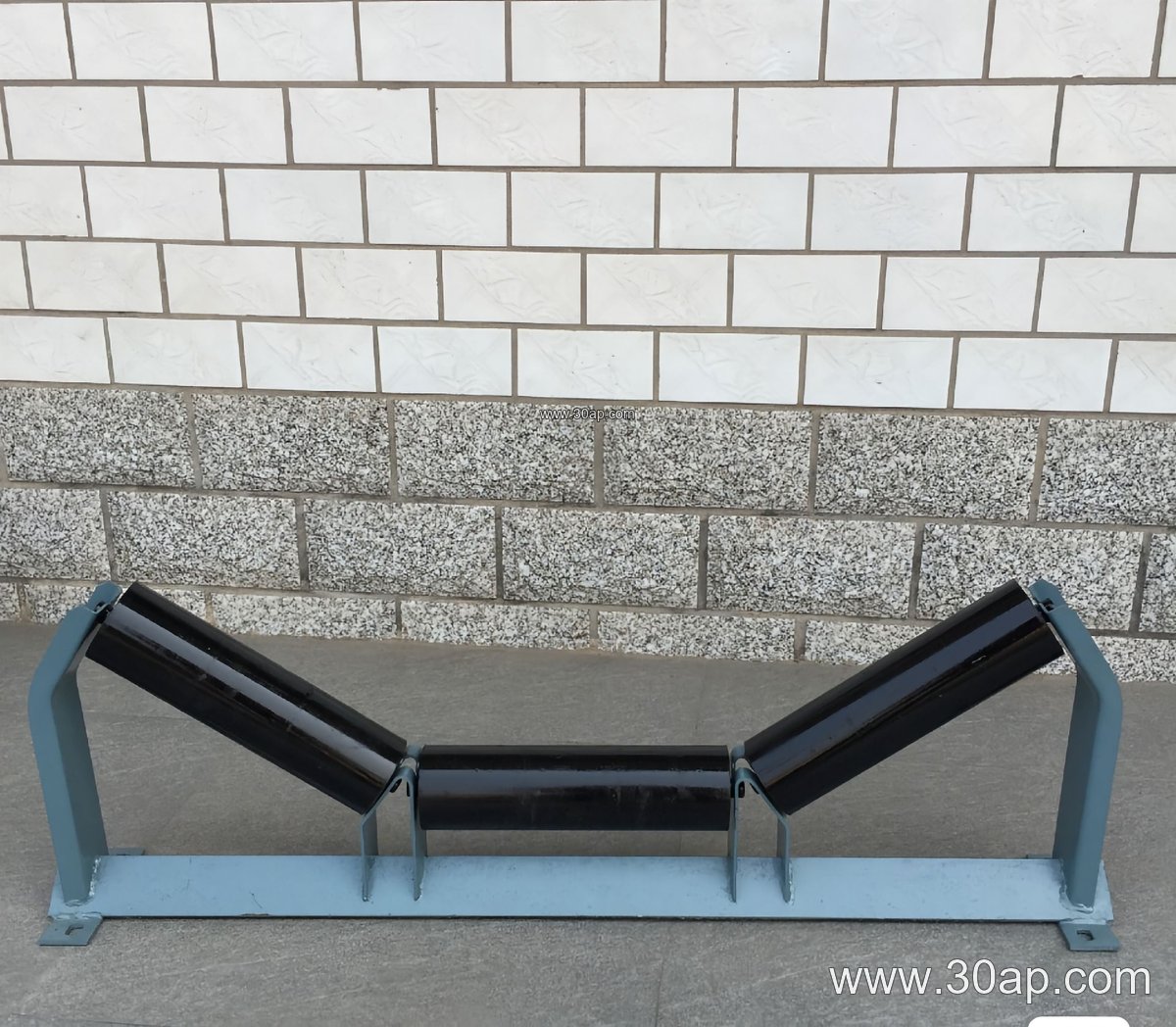
Roll diameters commonly range from Ø89 to Ø159 mm for training positions, though larger sizes may be used on wide belts. Roll length follows belt width, trough angle, and the number of rolls in the set. For example, a three-roll troughing set on a B1000 belt often uses a center roll near 380 mm long, while a B1400 set may use a center roll around 530 mm. These are typical examples, not fixed matches, and the side rolls can differ from the center roll.
| Common reference | Typical range or example |
|---|---|
| Roll diameter | Ø89, Ø102, Ø108, Ø127, Ø133, Ø159 mm |
| Belt width | B500 to B2000 mm, with wider belts available by design |
| Trough angle | 20°, 30°, 35°, 45° |
| Bearing | 6204, 6205, 6305, 6306, 6308, 6310 |
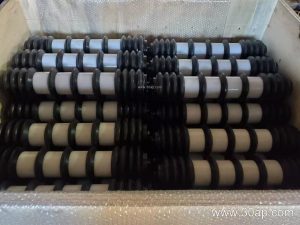
| Roll surface | Steel pipe, nylon, ceramic, rubber ring |
Where Training Idlers Are Used
Self-aligning idlers are common in quarry and aggregate lines, where variable loading and dusty conditions push belts off track. They are also used in cement plants, power plant coal handling, and iron ore or copper ore conveying systems. In a coal mining conveyor or underground mining conveyor, a flame retardant conveyor belt may be paired with training idlers to reduce edge friction and spillage in confined spaces.
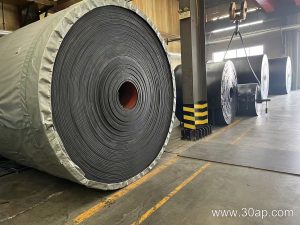
The choice of belt matters too. A heavy-duty mining conveyor belt with a thick cover may need a stronger training frame than a lighter EP conveyor belt. On long overland lines, steel cord conveyor belt and fabric core conveyor belt behave differently under tension, so the training idler position and quantity should follow the conveyor design rather than a fixed rule.
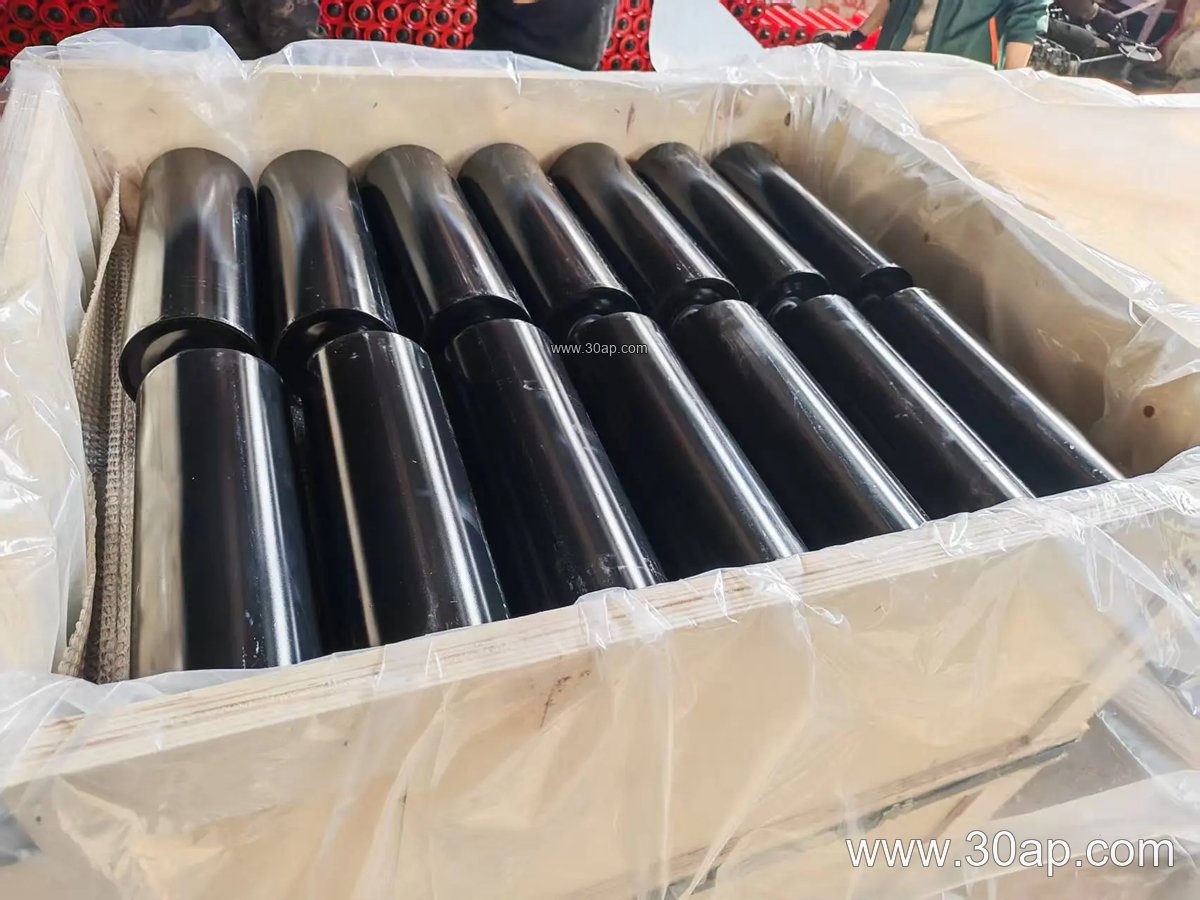
Selection Points for Buyers
- Match the idler to the belt width, trough angle, and roll set form. A B800 belt and a B1200 belt will not use the same roll length.
- Confirm the roll diameter and shaft size with the conveyor manufacturer. Do not assume a shaft diameter from belt width alone.
- Choose the roll surface for the environment. Rubber rings help with impact and grip, while ceramic or nylon surfaces suit different wear conditions.
- Check bearing protection. Dust and water ingress are major causes of idler seizure in sand and gravel plants and in tunnel muck handling.
- Install training idlers at intervals recommended by the conveyor designer, and keep them perpendicular to the belt path during setup.
Maintenance and Practical Notes
A self-aligning idler should pivot freely. If the pivot seizes, the idler acts like a fixed roll and stops correcting the belt. Inspect the pivot, bearing, and roll surface during routine shutdowns. Replace worn rolls before they damage the conveyor belt edge. On a chevron conveyor belt or a corrugated sidewall conveyor belt, check that the raised pattern does not contact the training rolls.
For more conveyor components, visit www.beltconveyorparts.com for conveyor idler and roller references. Related equipment such as the conveyor pulley, conveyor bracket, and idler roller should be selected together with the belt specification, whether the line handles aggregate, clinker, or ore.