What a Heavy-Load Conveyor Idler Does
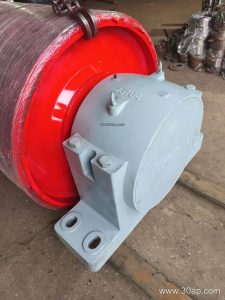
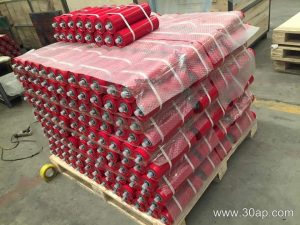
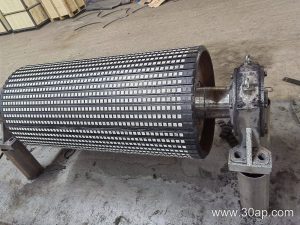
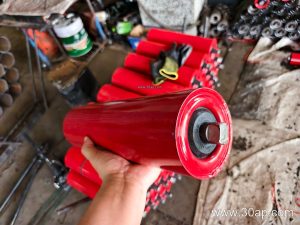
A heavy-load conveyor idler is the rotating support that carries the belt and its material load along the carrying side or the return side of a conveyor. In high-tonnage operations—such as an iron ore terminal, a limestone quarry, or a coal-fired power plant—the idler roller must handle continuous impact, abrasion, and misalignment without becoming the weak point in the line. Unlike a drive pulley or a tail pulley, which transmit power and set belt tension, the idler simply supports and guides the conveyor belt. That distinction matters when specifying components: a heavy-load conveyor idler is not a substitute for a conveyor pulley, and the two should be selected on different criteria.
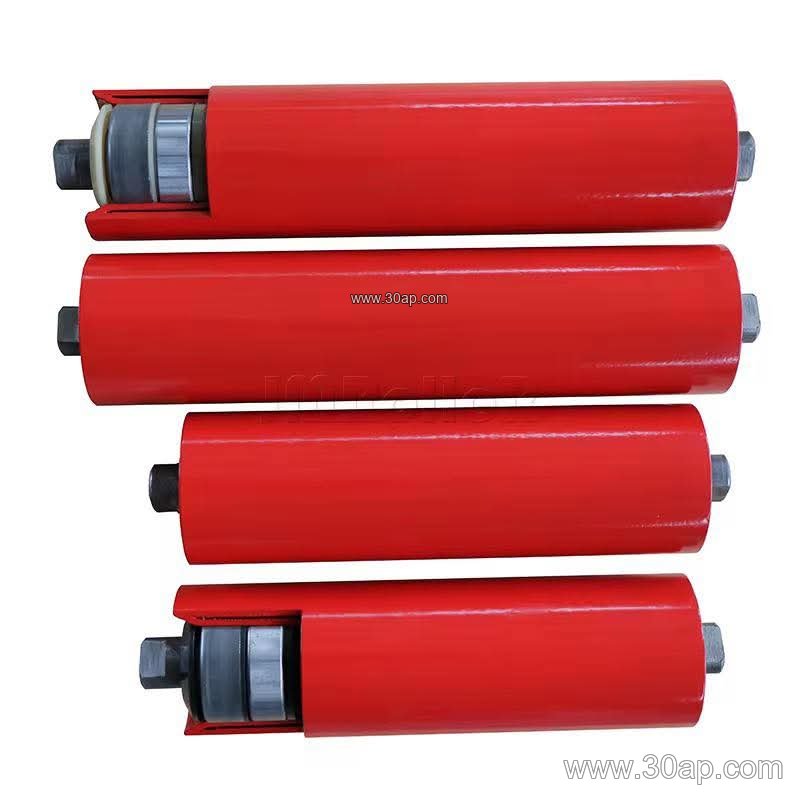
Construction and Surface Options
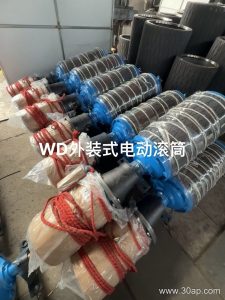
The core of a heavy-load conveyor idler is usually a steel tube shell fitted with sealed bearings at each end. Common bearing sizes include 6205, 6305, 6306, 6308, and 6310, matched to the shaft and load rating rather than to belt width alone. The roller surface can be plain steel, nylon, ceramic, or rubber-ringed. Rubber rings are often chosen at transfer points where lump size is large and impact energy is high, while ceramic or nylon covers may be used where sticky material or fine abrasion is a concern. The idler is mounted in a conveyor bracket or frame, and the assembly—single-roll, two-roll, or three-roll troughing—determines how the belt is supported.
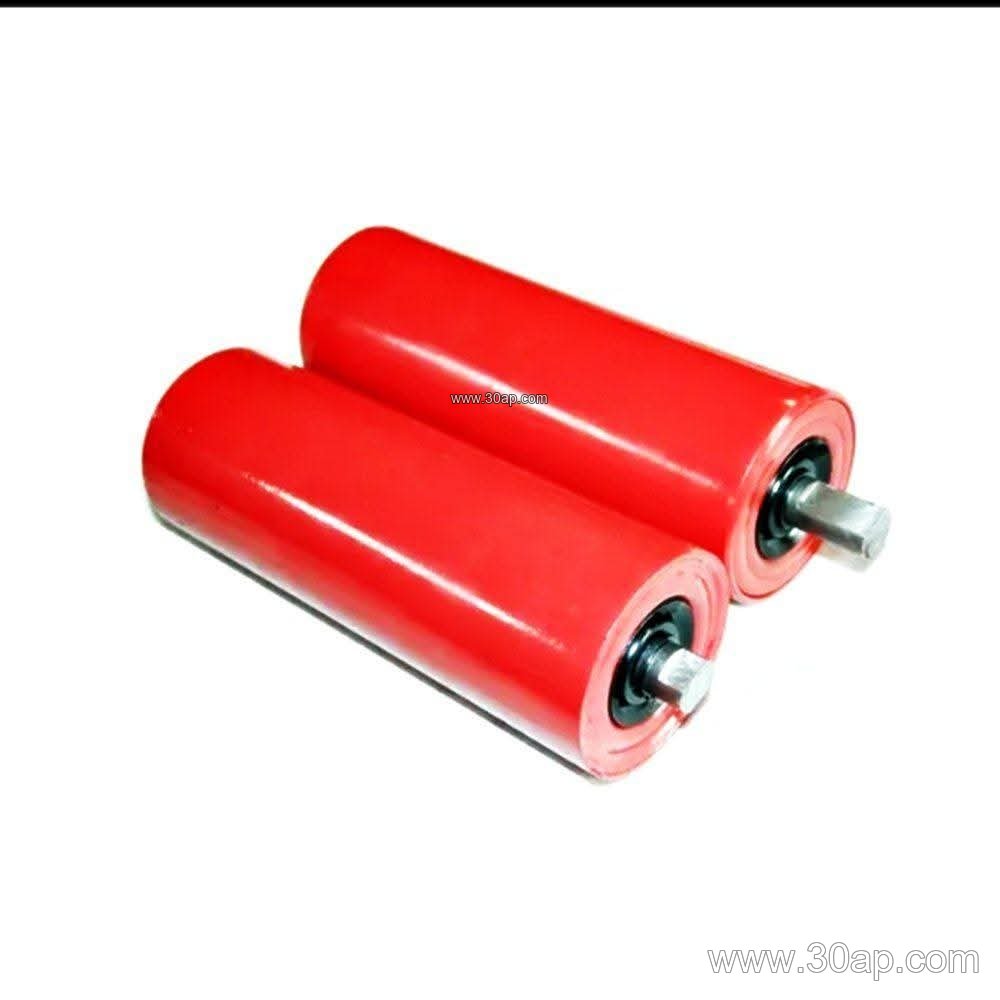
Where Heavy-Load Idlers Are Used
These idlers appear in primary crushing circuits, sinter plants, and ship-loading conveyors where the belt carries dense, sharp, or hot material. In a copper mine or gold mining operation, a heavy-duty mining conveyor belt may run at high tension, and the idler must resist both radial load and vibration. In cement plants and aggregate lines, dust and fines can migrate into bearing housings, so sealing quality is as important as shell thickness. The same applies in coal mining conveyor belts and underground mining conveyor belts, where flame retardant conveyor belts are common and idler reliability affects the whole haulage system.
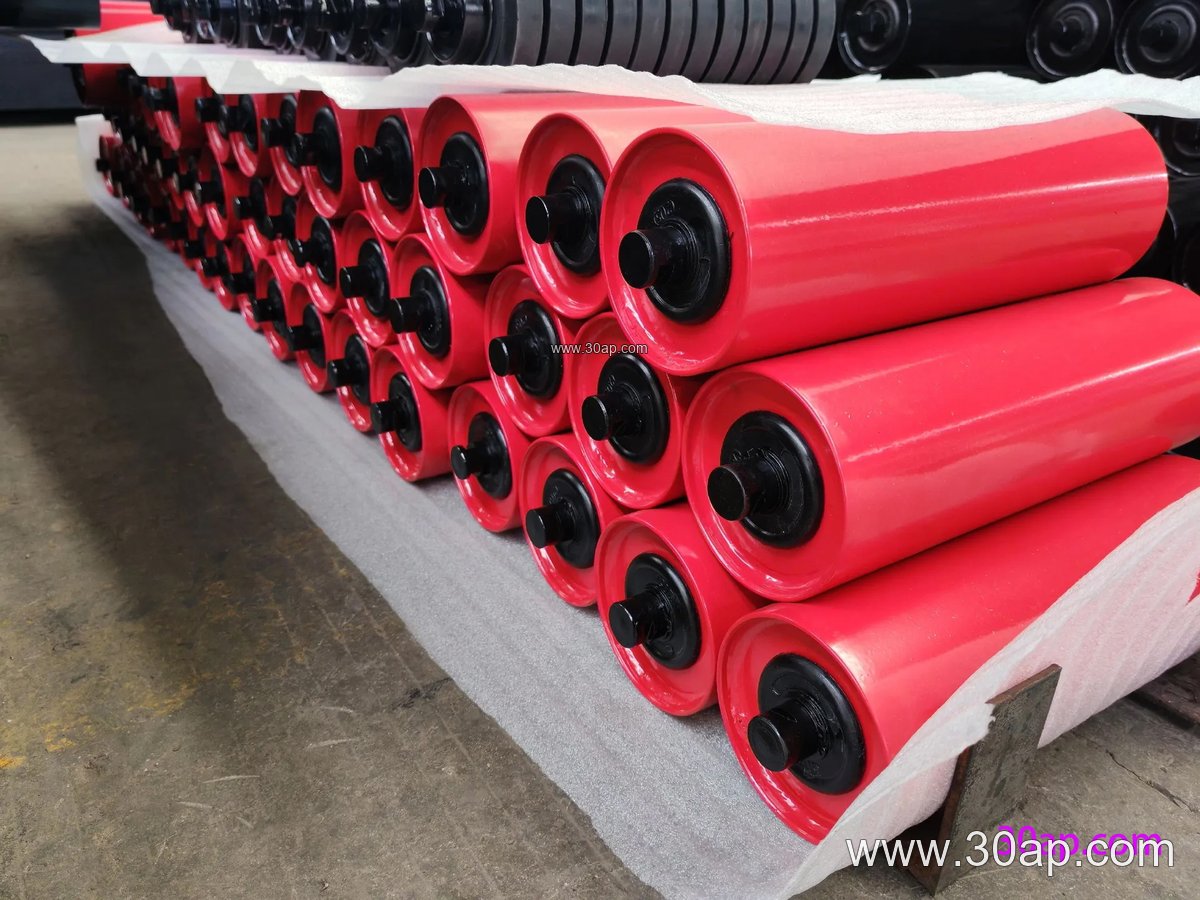
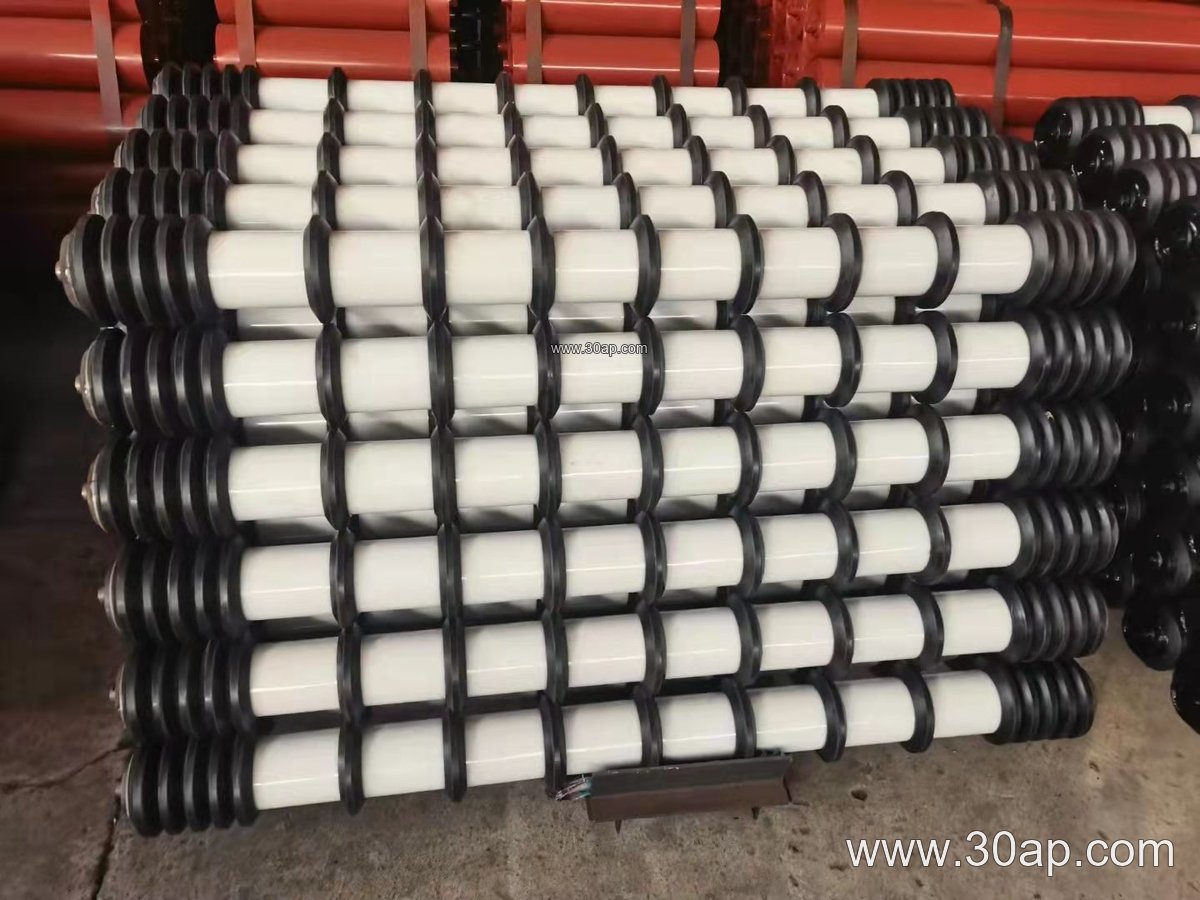
Matching Idler Diameter and Belt Width
Roller diameter and belt width are related through load and speed, not through a fixed rule. A B800 belt might use a Ø108 or Ø127 idler in one conveyor and a larger diameter in another, depending on belt speed and material weight. The table below shows common reference values; final selection should follow the conveyor design.
| Belt width (B) | Common idler diameter range | Typical troughing roll length (three-roll) |
|---|---|---|
| B500 | Ø76–Ø108 | approx. 200 mm |
| B650 | Ø89–Ø127 | approx. 250 mm |
| B800 | Ø89–Ø133 | approx. 315 mm |
| B1000 | Ø108–Ø159 | approx. 380 mm |
| B1200 | Ø127–Ø178 | approx. 465 mm |
| B1400 | Ø133–Ø194 | approx. 530 mm |
| B1600 | Ø159–Ø219 | approx. 600 mm |
Side rolls and center rolls can differ in length, and trough angle—20°, 30°, 35°, or 45°—changes the belt profile and the load distribution. A transition idler near a conveyor pulley may use a smaller trough angle to avoid stressing the belt edge.
Buyer Checklist for Heavy-Load Service
- Confirm the actual load per idler, including material weight and belt tension, not just the belt width.
- Check bearing size and sealing against the environment: dust, water, or fine ore particles.
- Select the shell surface for the job—rubber rings for impact, ceramic or nylon for abrasion and buildup.
- Review the conveyor bracket and frame compatibility before ordering.
- For inclined or high-speed lines, consider self-aligning or training idlers to reduce belt misalignment.
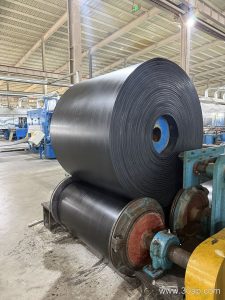
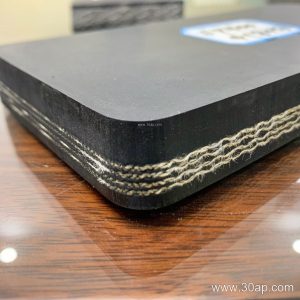
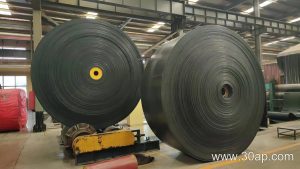
Whether the circuit handles EP conveyor belt, steel cord conveyor belt, or a flame retardant conveyor belt, the idler is only one part of the system. A matching conveyor pulley and a well-supported conveyor belt complete the picture. For heavy-load conveyor idler inquiries, specify the belt width, trough angle, idler diameter, and expected load so the supplier can propose a suitable roller.