What a Copper Ore Conveyor Belt Does
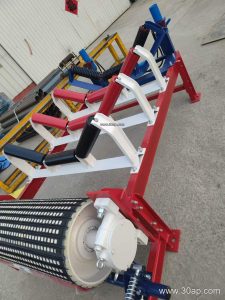
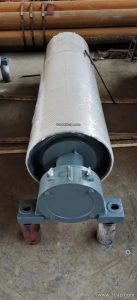
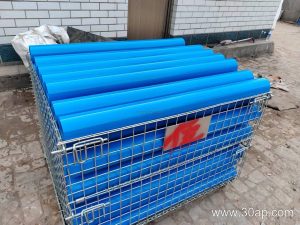
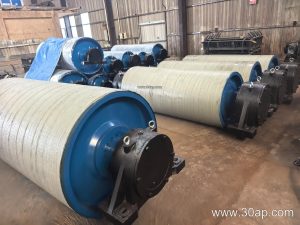
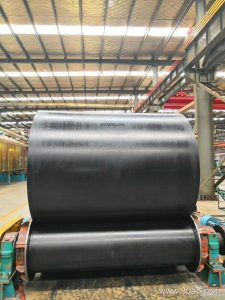
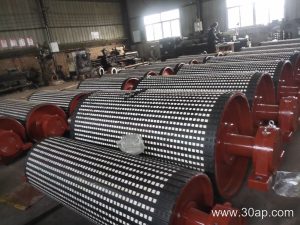
A copper ore conveyor belt is the load-carrying component of a continuous haulage system in copper mines, crushing plants, and port stockyards. It moves run-of-mine ore, crushed copper concentrate, and blended feed at controlled speed, linking the primary crusher to screening stations and stockpiles. Because copper ore is dense, abrasive, and often moist, the belt must combine high tensile strength with a tough rubber cover. In many layouts the belt works with troughing idler rollers, a head conveyor pulley, a tail pulley, and a bend pulley, each performing a distinct duty. A conveyor bracket supports the idlers and keeps the whole line aligned.
Construction and Common Configurations
The carcass carries the tension while the covers resist cutting, impact, and wear. For copper ore duties, three constructions are frequently evaluated.
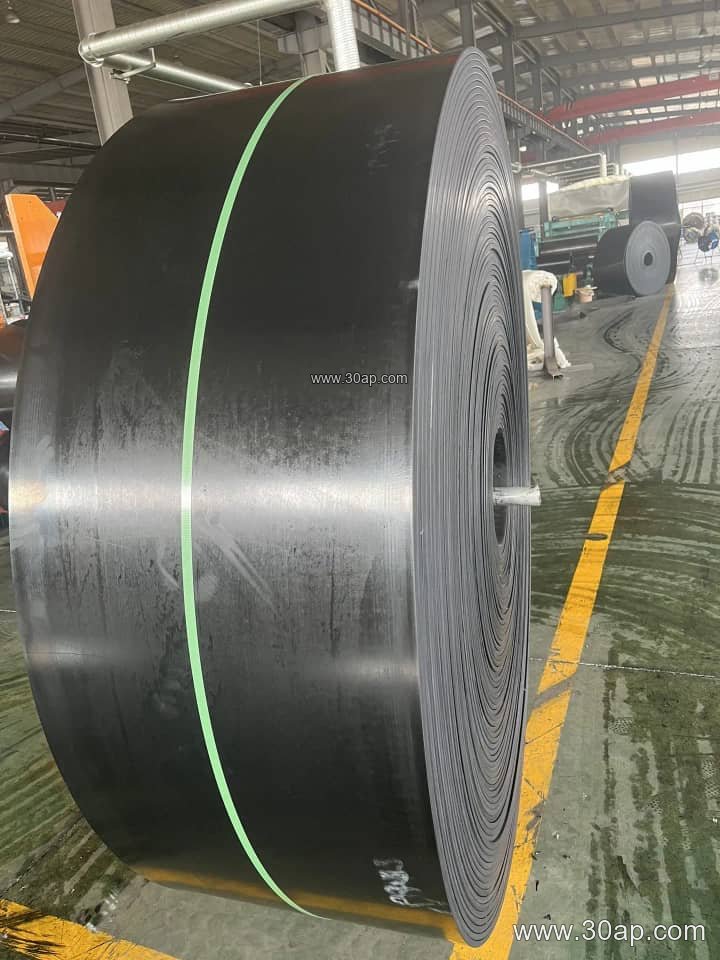
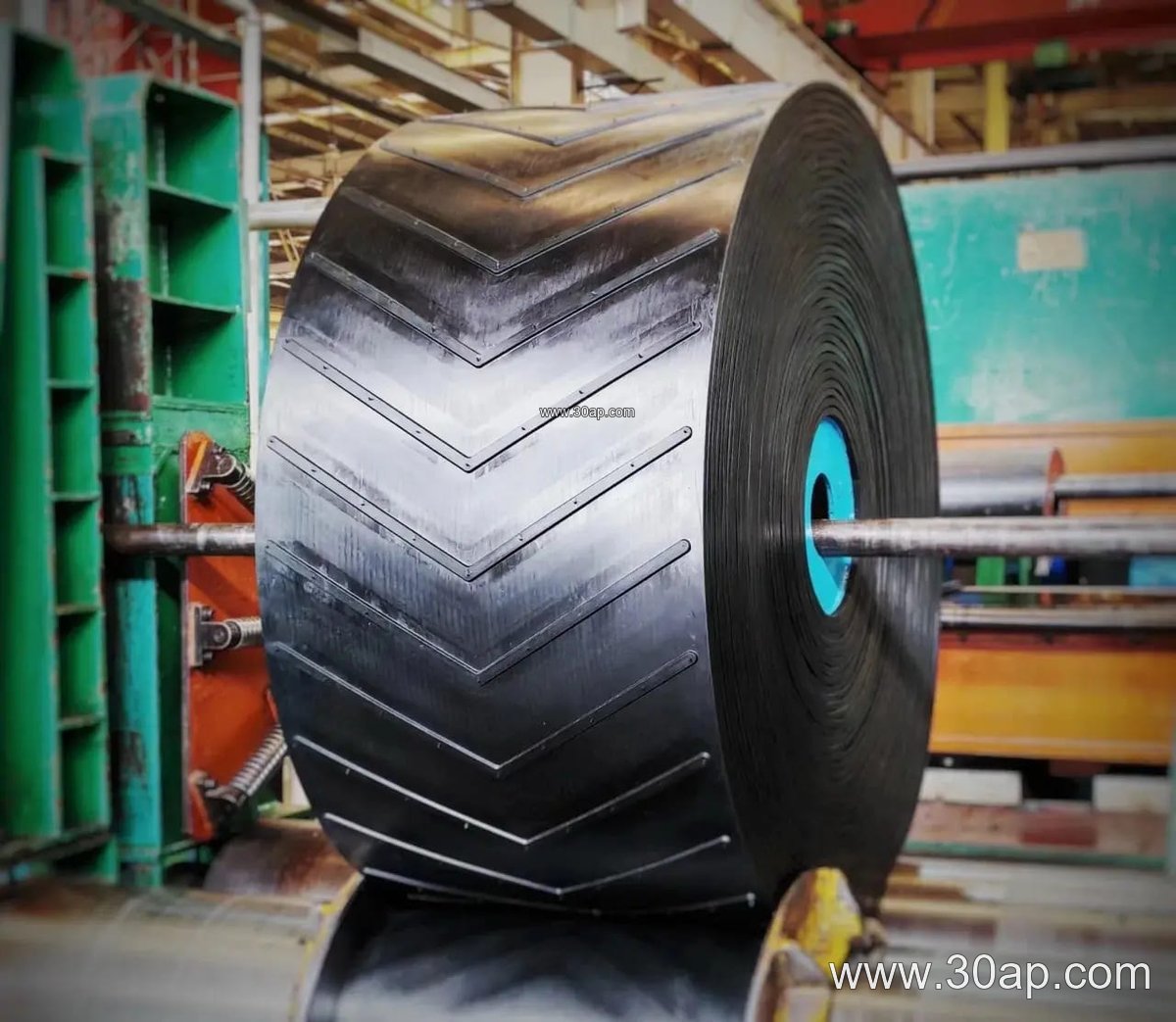
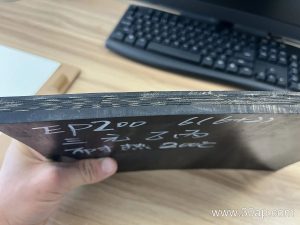
- EP fabric core: multi-ply polyester-nylon carcass, available in grades such as EP200, EP400, EP630, EP1000, and EP1250. These belts balance strength with flexibility and splice well.
- NN nylon belt: all-nylon fabric core with good shock absorption, often chosen where ore lumps are large.
- Steel cord: single-layer steel cords in grades such as ST1000, ST1600, and ST2000 for long, high-tension conveyors.
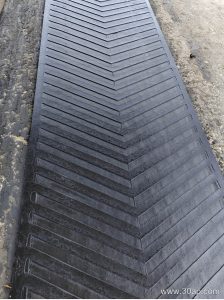
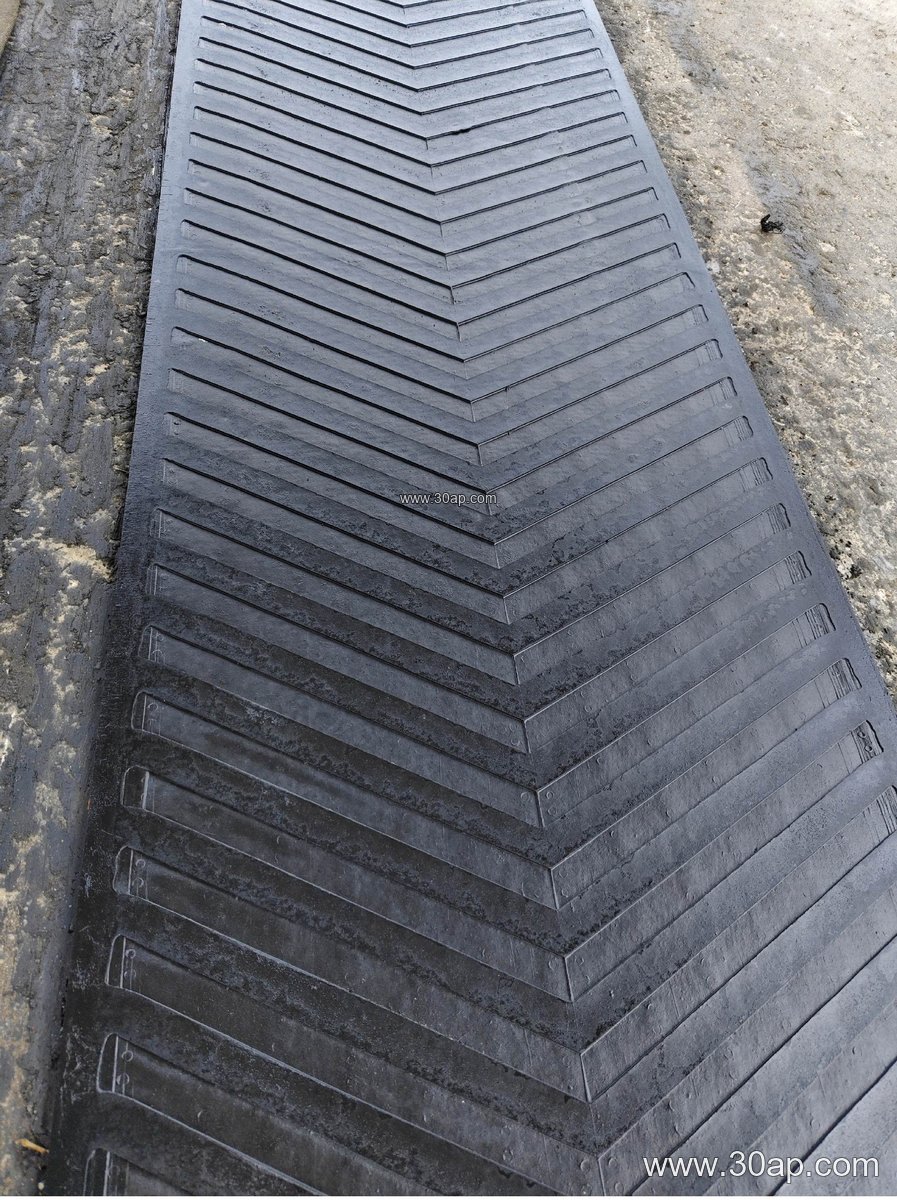
Cover thickness is usually stated as top plus bottom, for example 6+2 mm or 8+3 mm, with 2 to 6 fabric plies common. Abrasion resistant and impact resistant compounds suit transfer points. Where the ore is damp and sticky, a chevron conveyor belt or a corrugated sidewall belt can help retain the load on inclines.
| Parameter | Typical range |
|---|---|
| Belt width | B650, B800, B1000, B1200, B1400, B1600, B1800 |
| EP strength grades | EP200, EP400, EP630, EP1000, EP1250 |
| Steel cord grades | ST1000, ST1250, ST1600, ST2000 |
| Cover thickness | 4+2 mm, 5+2 mm, 6+2 mm, 8+3 mm |
| Carcass plies | 2 to 6 |
These values are reference data only; final selection follows the conveyor design, duty cycle, and site conditions.
Where It Fits in the Plant
Copper operations use this belt across several stages. A coarse ore belt receives dump truck feed and discharges into a crusher. A secondary belt carries crushed product to a milling circuit. Stockyard and ship-loading lines move dried concentrate over long distances. Similar heavy-duty mining conveyor belts serve iron ore, gold, and coal mining operations, but copper duty often places extra emphasis on cut and gouge resistance because of sharp sulfide lumps. In cement plants, power plants, and quarry conveyor lines, the same belt family appears with different cover compounds.
Selection Points for Buyers
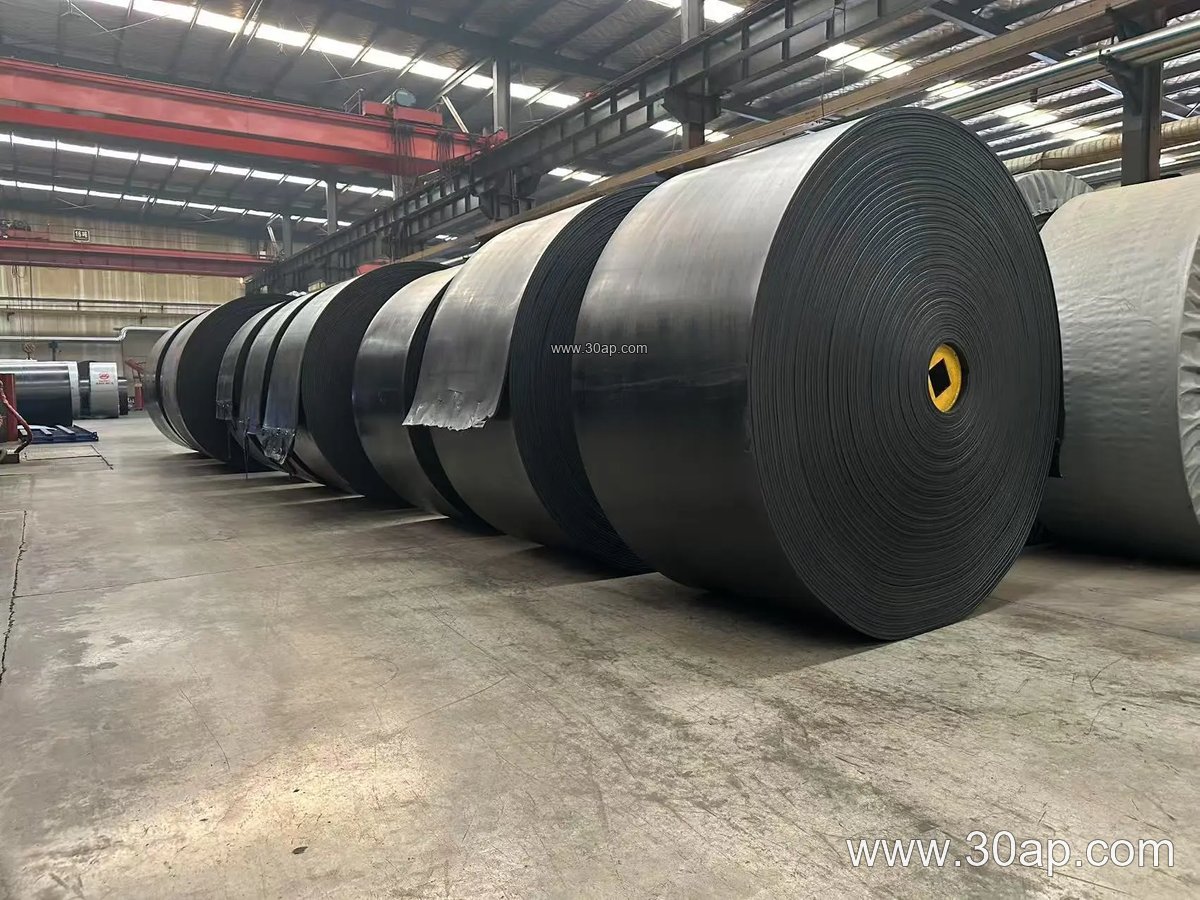
Begin with the peak tonnage per hour and the belt speed, then confirm the maximum lump size and drop height. These determine carcass grade, cover thickness, and whether an impact resistant belt is needed. Check the pulley diameters and shaft loads with the conveyor designer; belt width alone does not define pulley size. Specify environmental factors such as oil mist from gearboxes, ambient heat, or sub-zero startup, which may call for oil resistant, heat resistant, or cold resistant covers. For underground work, flame retardant and anti-static properties are usually requested. Ask for the splice method, edge condition, and whether an endless conveyor belt is preferred to reduce joint fatigue. Keep a spare idler roller set and inspect the tail pulley regularly, since fines build up there.
Installation and Care
Align the structure, check that each conveyor bracket is square, and tension the belt according to the manufacturer’s chart. Track the belt at low speed before loading. During operation, watch for edge damage, cover wear over the idlers, and material spillage at transfer points. Re-cover or replace the belt when the top cover reaches its wear limit; a worn cover exposes the carcass and shortens service life. For more details on matching belts with rollers and pulleys, visit conveyorbeltsolutions.com or check our guide pages on conveyor belt selection.