What a Chevron Conveyor Belt Is
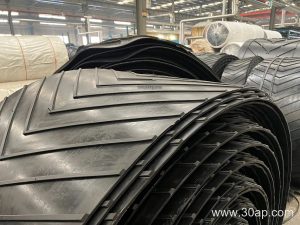
A Chevron Conveyor Belt is a rubber conveyor belt with raised cleat patterns molded onto the top cover. The cleats—often V-shaped or chevron-shaped—help grip bulk material and reduce rollback on inclines. This belt is a practical choice for quarries, sand and gravel plants, cement works, and coal handling systems where the conveyor path rises at an angle. Unlike a smooth surface belt, the patterned top cover creates additional friction between the belt and the load, allowing steeper conveying angles without material sliding back.
The product is also known as a chevron patterned belt or profile belt. It should not be confused with a corrugated sidewall belt, which uses vertical walls rather than surface cleats. Each design solves a different conveying problem.
Construction and Material Options
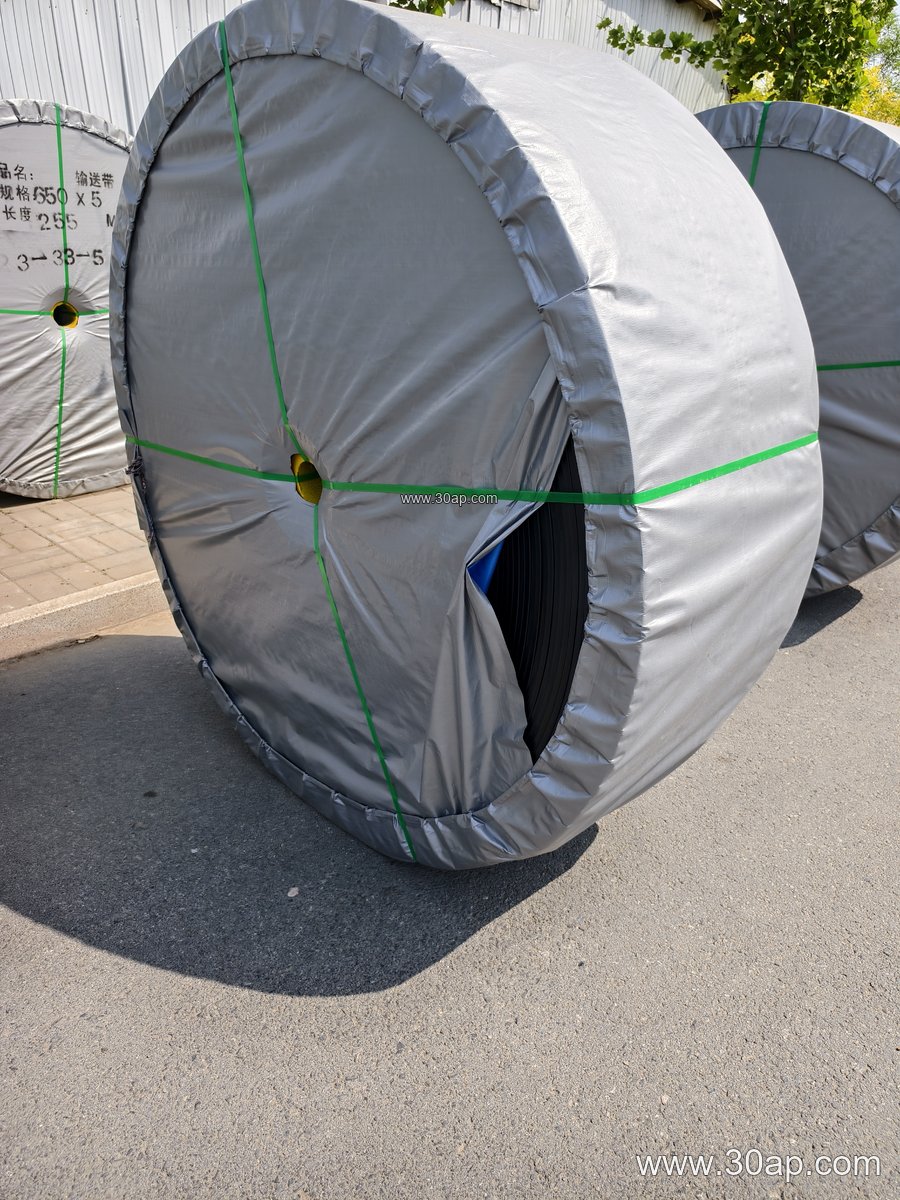
The carcass of a Chevron Conveyor Belt usually follows the same build as standard fabric or steel cord belting. Common carcass types include EP (polyester-nylon) fabric, NN (nylon-nylon) fabric, and steel cord. A Multi-Ply Fabric Core Conveyor Belt may be used for moderate duty, while a Steel Cord Conveyor Belt suits high tension and long distances. The chevron pattern is applied to the top cover during vulcanization, so the cleat height and pitch are set by the mold.
Cover compound selection depends on the material being carried. An Abrasion Resistant Conveyor Belt cover is common in stone crushing and aggregate handling. A Heat Resistant Conveyor Belt may be needed near clinker or sinter. For coal mines, a Flame Retardant Conveyor Belt or Fire Resistant Conveyor Belt with anti-static properties is often specified. Oil Resistant Conveyor Belt covers help where lubricants or oily scrap are present.
Common Specifications
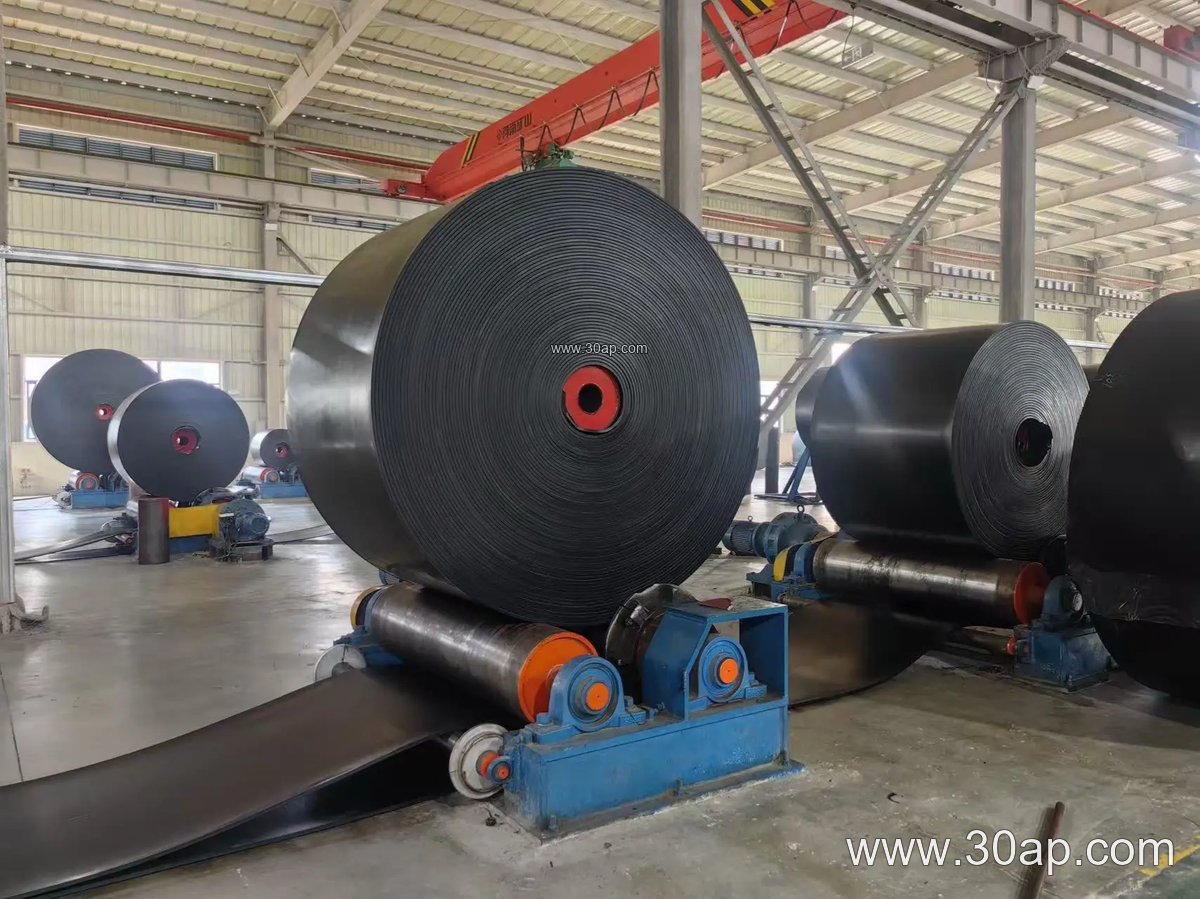
Buyers will encounter a range of belt widths, carcass strengths, and cover gauges. The table below shows typical reference values; actual supply depends on the manufacturer and the conveyor design.
| Parameter | Common Range |
|---|---|
| Belt width | B500, B650, B800, B1000, B1200, B1400, B1600, B1800, B2000 |
| Fabric carcass strength | EP200, EP315, EP400, EP500, EP630, EP800, EP1000, EP1250 |
| Steel cord strength | ST1000, ST1250, ST1600, ST2000 |
| Cover thickness (top + bottom) | 3+1.5 mm, 4+2 mm, 5+2 mm, 6+2 mm, 8+3 mm |
| Fabric plies | 2 to 6 plies, depending on tension |
Chevron height and pitch vary by pattern type. Open V, closed V, and multi-V profiles are available. A taller cleat gives more grip but may affect transition distance and pulley clearance.
Where It Is Used
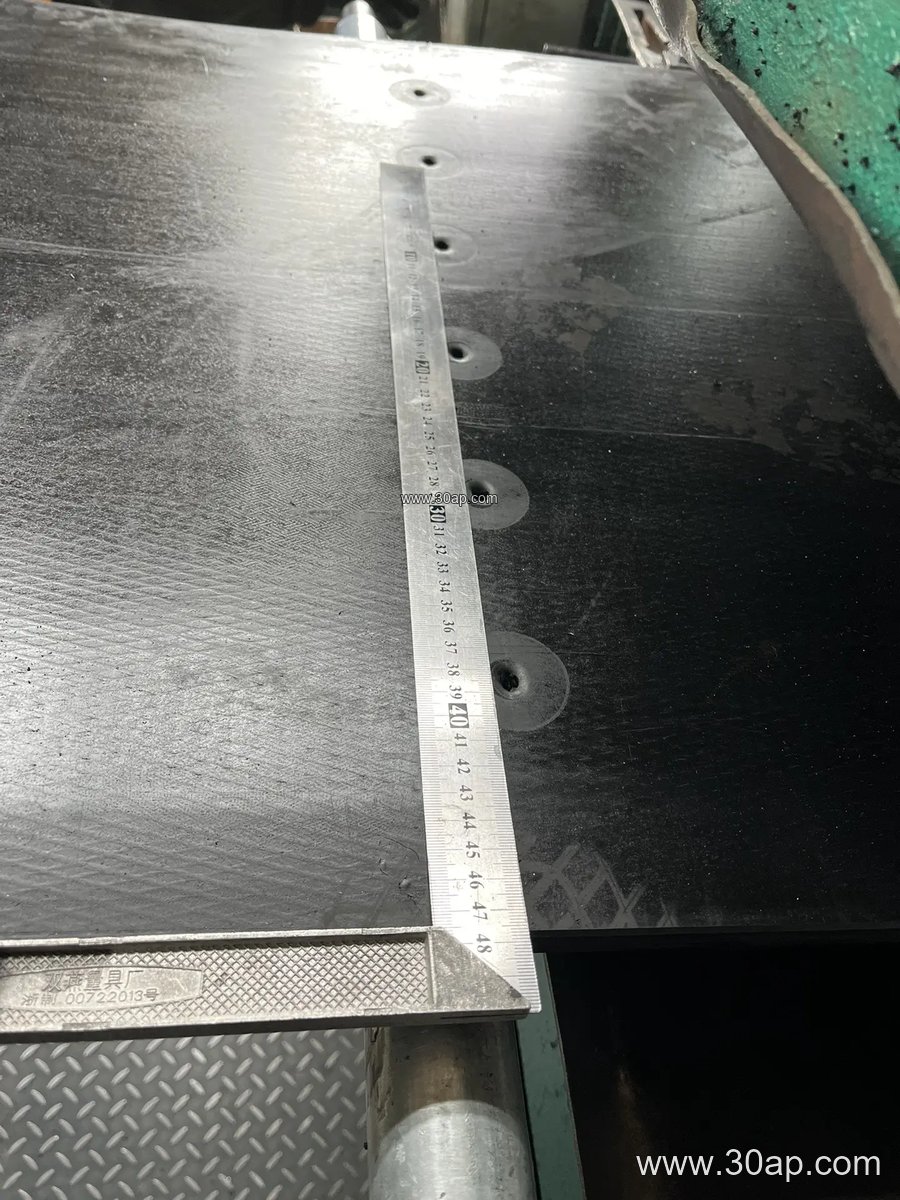
Inclined haulage is the main application. You will find a Chevron Conveyor Belt in quarry conveyor lines feeding crushers, in cement plant raw material handling, in power plant coal yards, and in sand and gravel operations. It is also used in mobile crushing and screening plants where the discharge conveyor is short and steep.
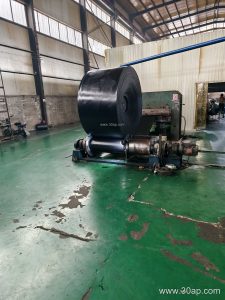
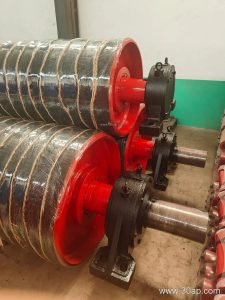
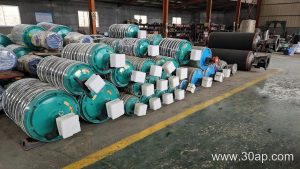
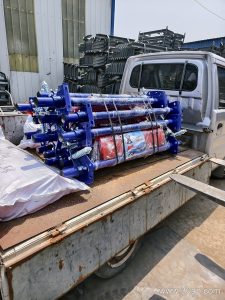
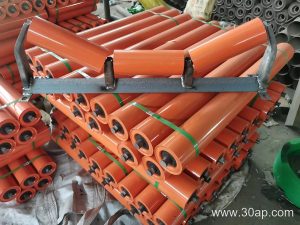
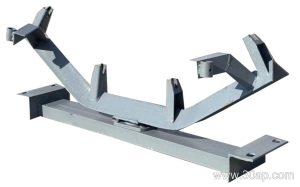
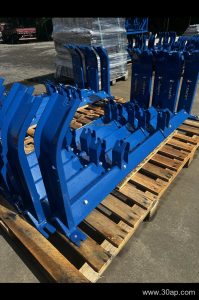
The belt works alongside other components such as the conveyor pulley, idler roller, and conveyor bracket. Drive, tail, and bend pulleys each have a specific role; the patterned belt must be checked for clearance over each of them. In underground mining, a flame retardant chevron belt may be paired with a PVG Conveyor Belt in adjacent sections, but the two are not interchangeable.
Buyer Checklist
- Confirm the maximum incline angle and material lump size.
- Match carcass strength to the calculated tension, not to belt width alone.
- Select cover compound for abrasion, heat, oil, or fire risk as needed.
- Check pulley diameters and transition distances for cleat clearance.
- Specify whether edges should be cut or molded, and whether an Endless Conveyor Belt is required.
- Verify that the chevron pattern suits the loading point and skirt rubber arrangement.
For material handling projects in mining, cement, or aggregate industries, a Chevron Conveyor Belt can improve stability on inclines when the pattern and carcass are correctly matched to the duty. More details on related belting and components are available at www.jiuhengda.com.