What the EP1250 Conveyor Belt Is
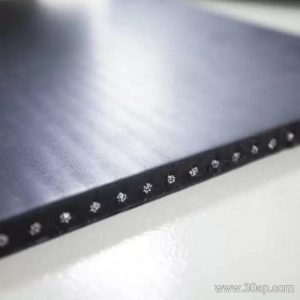
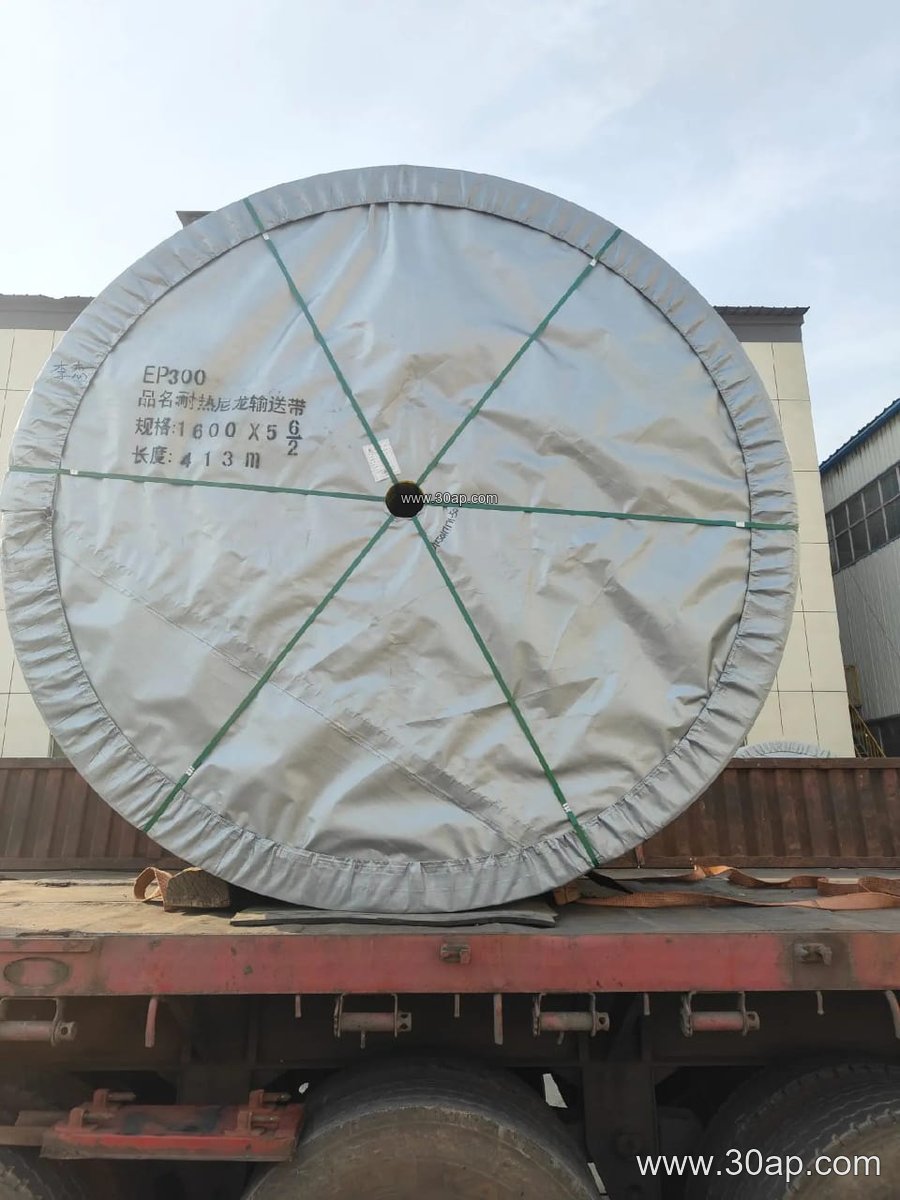
The EP1250 Conveyor Belt is a multi-ply fabric core rubber belt built around polyester and nylon plies. The “EP” refers to the carcass, where polyester warp yarns and nylon weft yarns are woven and bonded in rubber layers. The figure 1250 describes the belt’s nominal tensile strength in newtons per millimetre of width, so an EP1250 belt is a strong choice for main haulage lines that carry heavy bulk loads over long distances.
Because the carcass stretches less than an all-nylon design, this EP Conveyor Belt holds its length well on long centres and keeps troughing shape under load. That combination of low elongation and high strength is why it appears in mines, cement works, power stations and quarry operations.
How the Belt Is Built
A typical construction stacks several fabric plies between top and bottom rubber covers. Skim rubber sits between the plies, and the whole assembly is vulcanised into one solid body. Cover thickness is usually quoted as a top plus bottom pair, for example 6+2 mm or 8+3 mm for punishing duty.
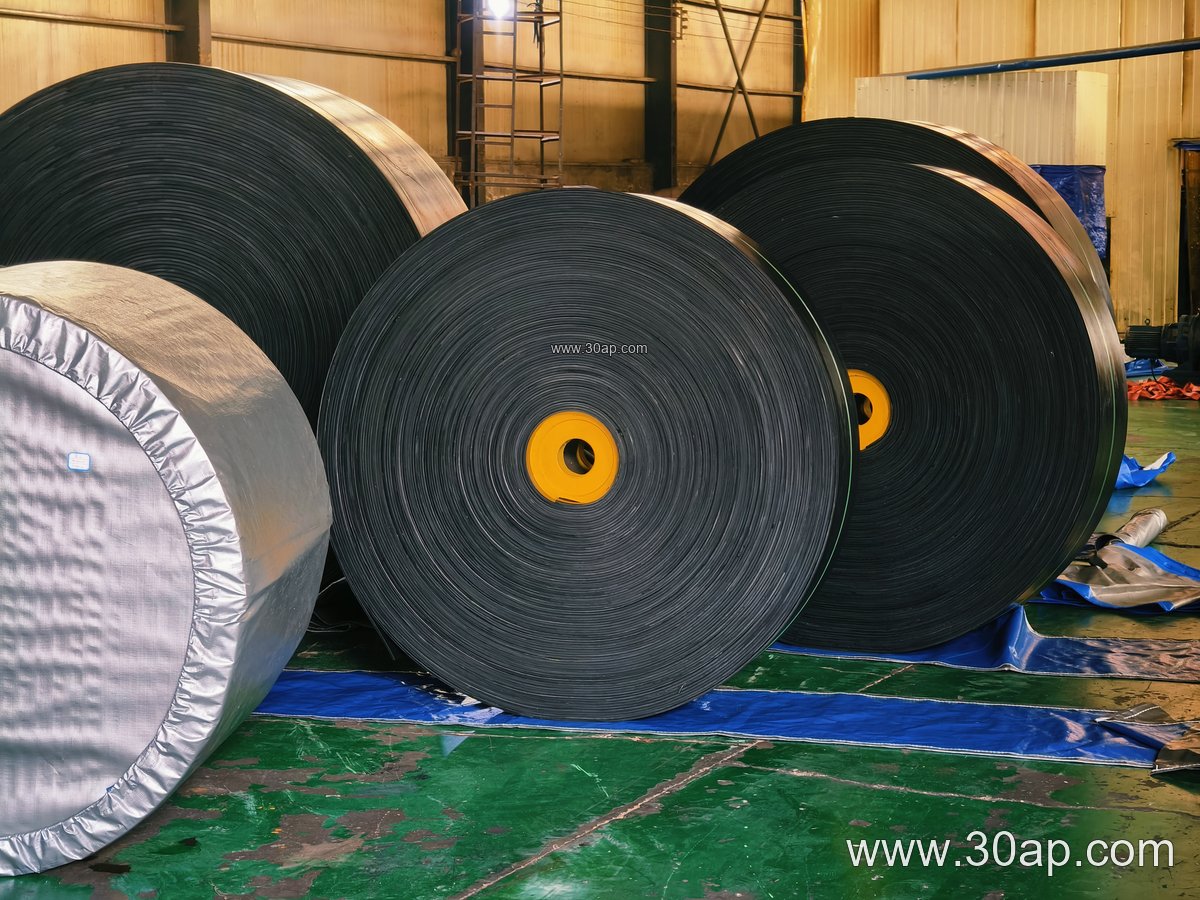
- Carcass: 2 to 6 EP plies, depending on strength and load
- Cover grade: abrasion resistant, heat resistant, oil resistant, flame retardant or anti-static
- Edges: cut edge or moulded edge for better sealing
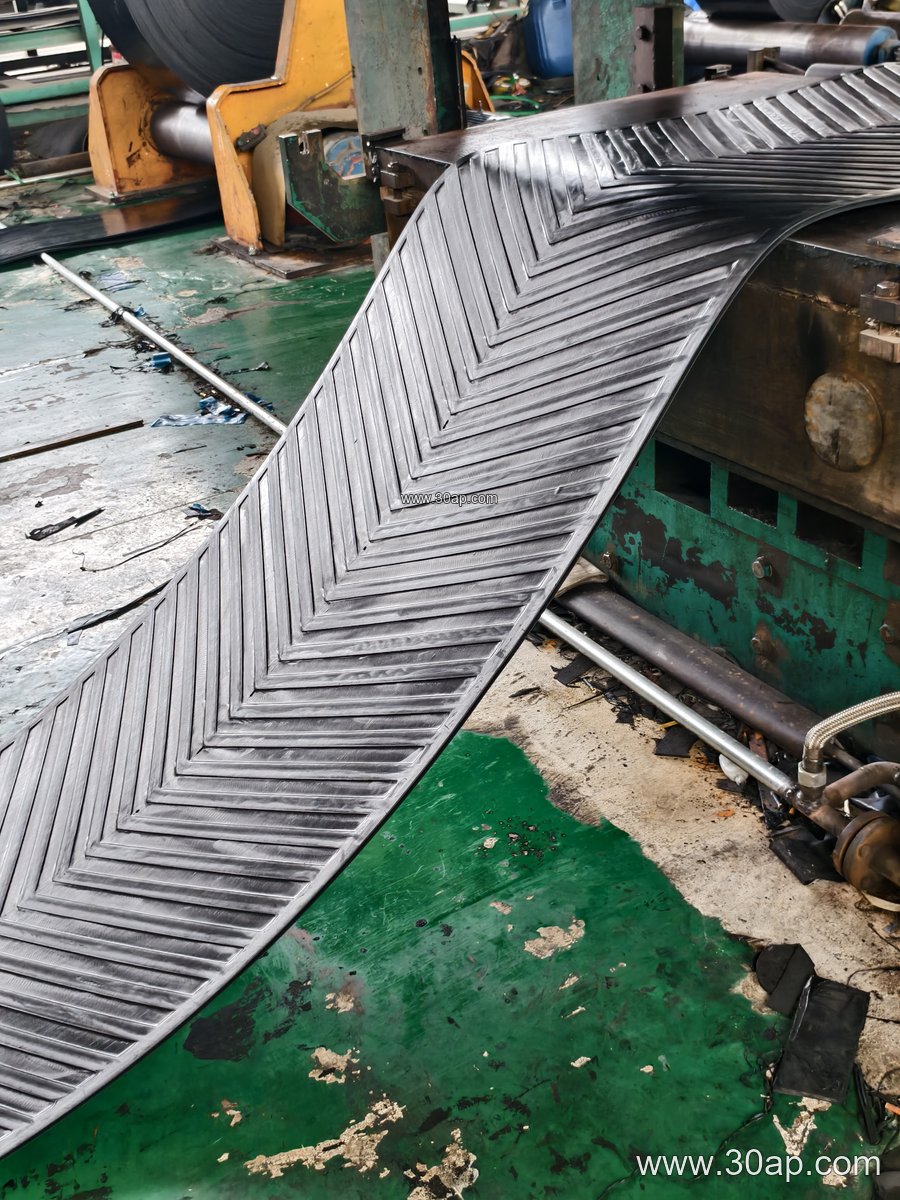
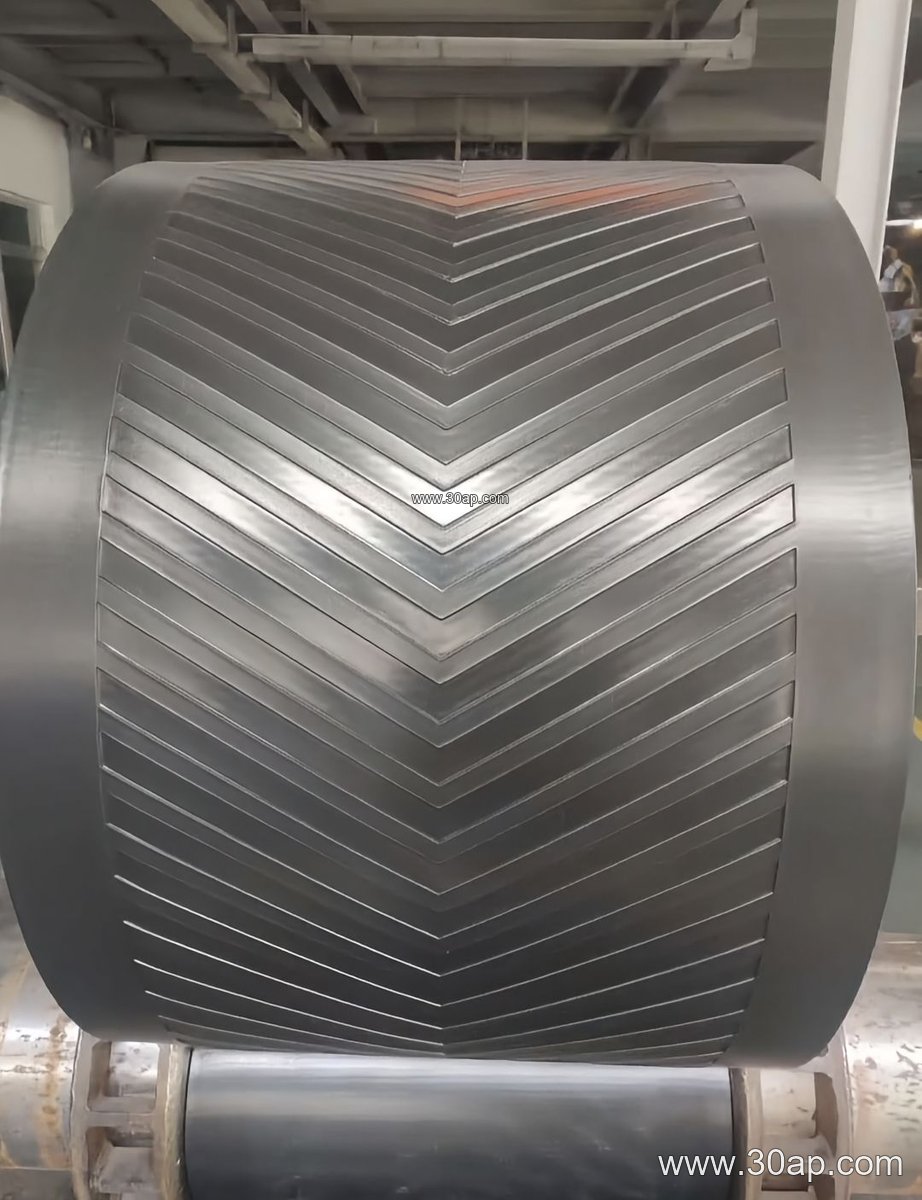
- Surface: plain, or patterned when grip on an incline is needed
Reference data for the EP family shows strengths running from EP200 up to EP2000, with EP1000 and EP1250 sitting in the heavy-duty range. Belt widths commonly span B500 to B2000. None of these are fixed pairings; a wide belt can run on smaller pulleys and vice versa, and shaft sizes must be calculated from the actual duty, not guessed from belt width.
Where It Fits in a Conveyor Line
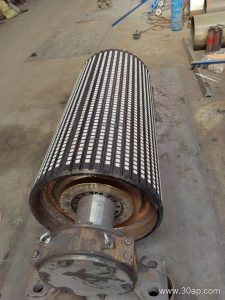
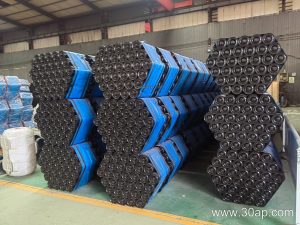
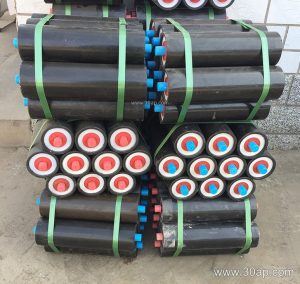
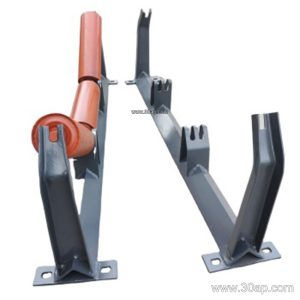
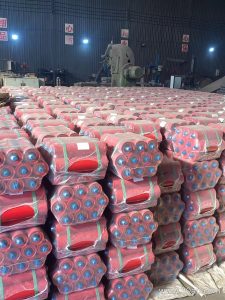
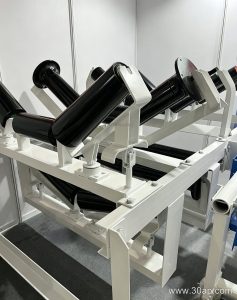
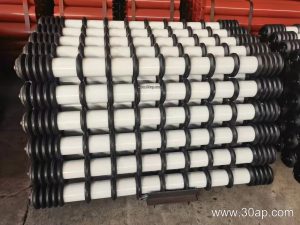
This belt usually runs on a frame supported by idler roller sets, with a conveyor pulley at the drive and tail ends and conveyor bracket assemblies holding the rollers in line. In a coal mining conveyor or an underground coal mining conveyor, flame retardant and anti-static grades are normally specified. In a cement plant conveyor or power plant conveyor, heat resistant and abrasion resistant covers protect the belt from clinker and hot ash. A quarry conveyor, crusher conveyor or aggregate conveyor benefits from a high abrasion resistant cover and impact resistant support at the loading point.
For steep inclines, a chevron conveyor belt or corrugated sidewall belt may be the better answer, but on flat and gently inclined main lines the EP1250 Conveyor Belt remains the workhorse. If the route needs tight curves, a pipe conveyor belt is a different design choice; if the load is extremely long and heavy, a steel cord conveyor belt may be compared, though it is not a substitute for fabric core construction.
Common Specification Reference
| Item | Common Range |
|---|---|
| Belt type | EP1250, EP1250 rubber belt |
| Strength class | EP1250, adjacent classes EP1000 and EP1600 |
| Width | B800, B1000, B1200, B1400, B1600, B1800 |
| Cover thickness | 4+2, 5+2, 6+2, 8+3 mm |
| Ply count | 3 to 5 plies, by design |
| Cover grades | Abrasion resistant, heat resistant, flame retardant, oil resistant |
These values are reference points. Actual data differ by manufacturer and must be confirmed against the conveyor design.
Selection Points for Buyers
Start with the duty: tonnage per hour, lump size, material temperature and whether the belt works underground. Match the strength class to the calculated tension with a sensible safety margin. Choose the cover grade for the environment, for example a heat resistant conveyor belt near sinter or clinker, and a flame retardant conveyor belt where fire risk is regulated.
Check the pulley diameters against the carcass thickness; a thick multi-ply fabric core conveyor belt needs a larger pulley to avoid ply fatigue. Confirm that the idler roller spacing at the loading zone suits the impact, and that the conveyor bracket layout keeps the belt training straight. For very dusty or wet sites, consider anti-static and oil resistant options where relevant. Finally, ask for the splice method and the recommended endless conveyor belt joint, since joint quality decides service life as much as the belt itself. Buyers searching for a reliable EP conveyor belt supplier should request a data sheet listing plies, cover thickness and strength rather than a single headline number.