What a Quarry Conveyor Belt Does
A quarry conveyor belt is the load-carrying element of the continuous haulage system that moves blasted rock, crushed stone, sand, and screened aggregate between the crusher, screen deck, stockpile, and load-out point. In a sand and gravel plant, a stone crushing line, or a cement quarry, this belt works under sharp-edged material, dust, and constant impact, so the rubber compound and the carcass both matter more than they would on a light-duty line. The same product is often called a rock conveyor belt or an aggregate conveyor belt, and buyers in mining, cement, and power plant operations tend to use those names interchangeably.
Construction of the Belt
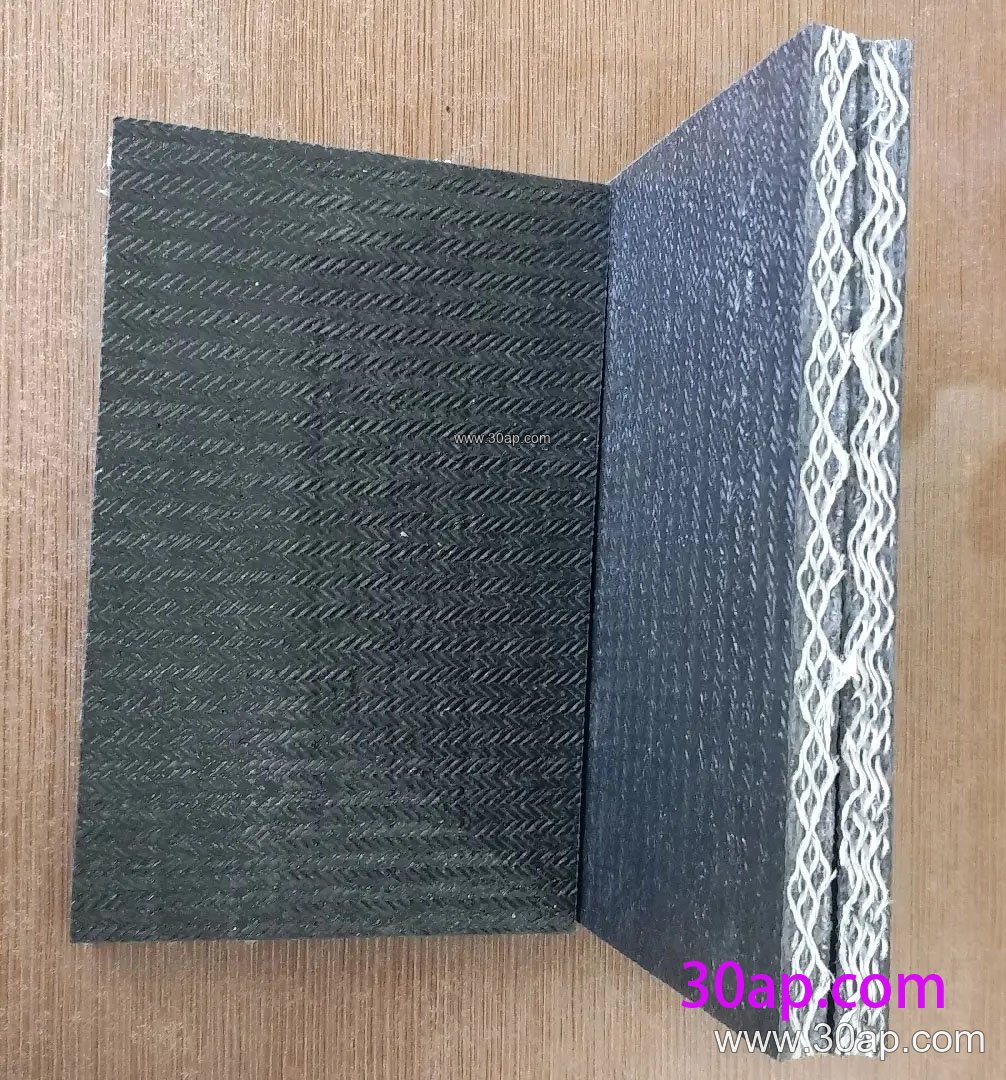
Most quarry belts are fabric-cored or steel-cord reinforced. A fabric core conveyor belt carries tension in woven plies, while a steel cord conveyor belt uses brass-plated wires for very long runs and high tension. The cover rubber protects the carcass from abrasion, moisture, and oil; the edge rubber keeps the plies sealed against dust and water ingress.
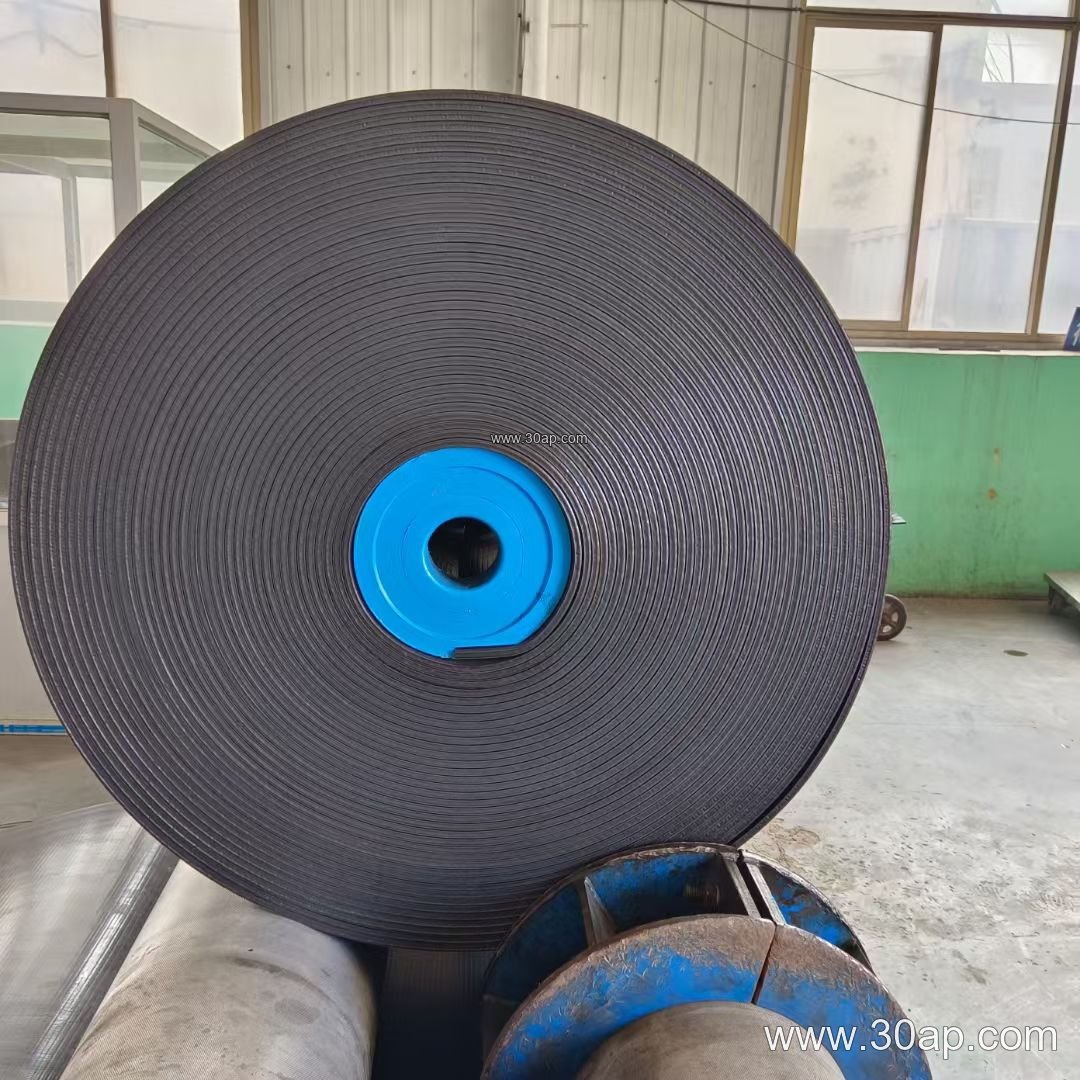
- Carcass: EP conveyor belt (polyester/nylon) and NN conveyor belt (nylon/nylon) are common fabric options; multi-ply fabric core conveyor belt designs typically run from 2 to 6 plies depending on load.
- Covers: an abrasion resistant conveyor belt grade suits sharp rock, while a heat resistant conveyor belt grade is chosen near clinker or hot aggregate and a flame retardant conveyor belt or fire resistant conveyor belt grade is specified where fire risk is a concern, such as coal handling.
- Surface forms: chevron conveyor belt profiles help on inclines, and skirted or corrugated sidewall conveyor belt constructions contain material on steep or space-limited routes.
Typical Duty Points in a Quarry
The primary discharge from a jaw or cone crusher usually takes the hardest impact, so an impact resistant conveyor belt with a thicker top cover is often preferred there. Screen feed and transfer belts handle smaller, drier stone and may use a standard abrasion resistant grade. Long overland runs toward the stockyard or port may justify a high strength conveyor belt with a steel cord carcass, especially where a single flight replaces several transfer points. Underground mining conveyor belt and coal mining conveyor belt duties add flame resistance and anti-static requirements that a plain quarry belt does not need.
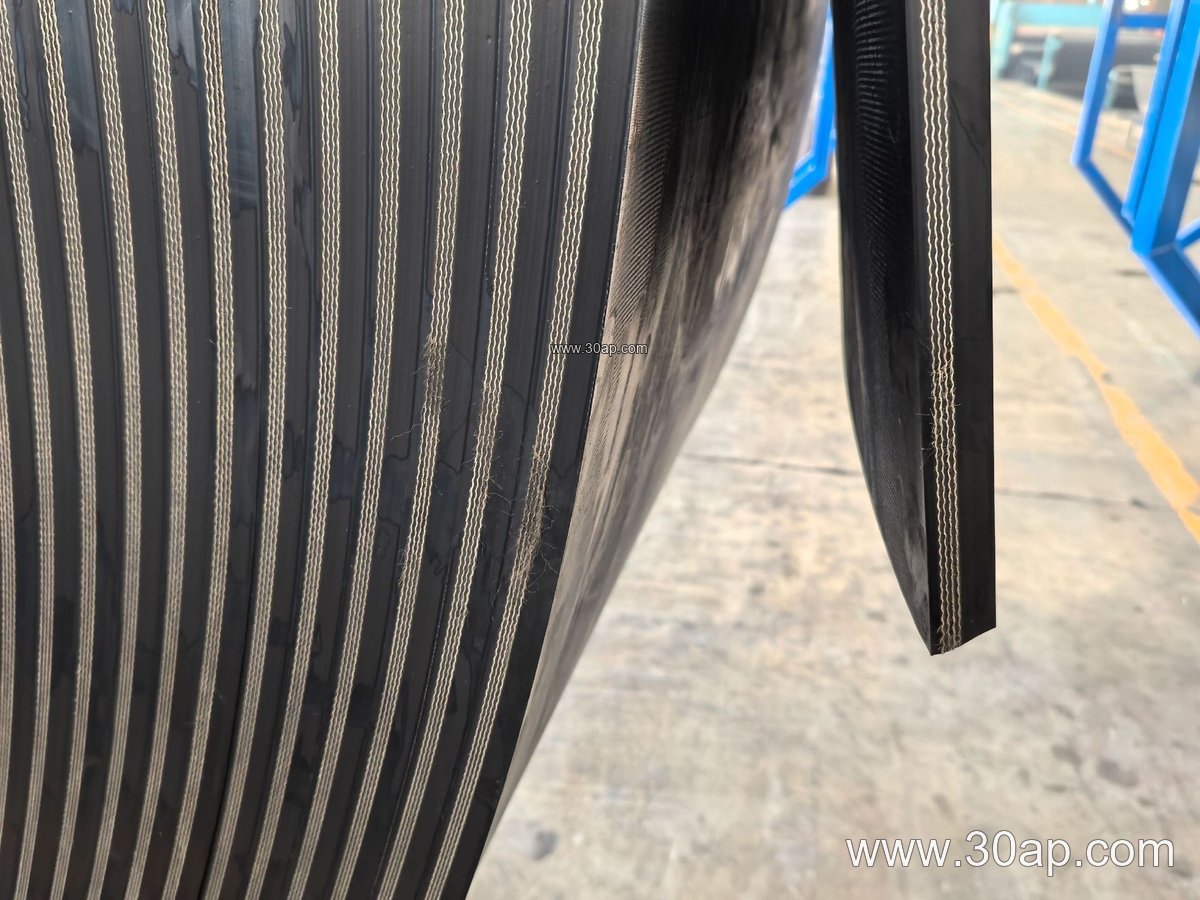
Belt width is matched to tonnage and lump size rather than to a fixed rule. Common belt widths in quarry service include 650mm, 800mm, 1000mm, 1200mm, and 1400mm, with wider belts such as 1600mm or 1800mm used on high-capacity primary circuits. Cover thickness is usually stated as top plus bottom, for example 6+2 mm or 8+3 mm for heavy rock, and 4+2 mm or 3+1.5 mm for lighter duties. Strength grades such as EP200, EP400, EP630, and EP1000 appear on fabric belts, while ST1000 to ST2500 classes cover steel cord belts. These figures are reference values; final selection should follow the conveyor design and the material data sheet.
Selection Notes for Buyers
Start with the material: lump size, moisture, temperature, oil content, and abrasiveness. Then confirm the troughing arrangement, incline angle, and pulley diameters, because a belt must flex around the tail pulley and bend pulleys without over-stressing the carcass. Do not assume that one belt width fixes one pulley diameter; the two are set together by the conveyor designer. Belt speed, loading condition, and splice method also affect belt life, and an endless conveyor belt made to the exact center distance can reduce splice failures on critical circuits.
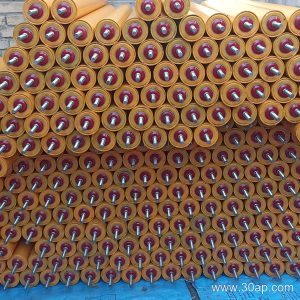
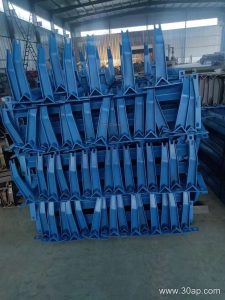
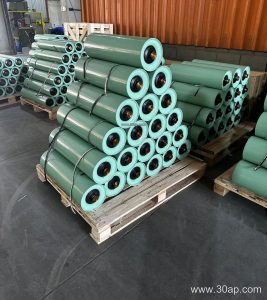
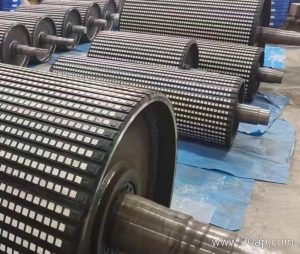
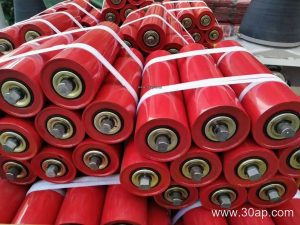
Check that the idler roller spacing supports the belt between transitions, that the conveyor pulley lagging suits the duty, and that the conveyor bracket and frame are aligned so the belt trains without edge damage. For dusty quarry air, anti-static conveyor belt grades and good grounding practice are worth discussing with the supplier.
Maintenance and Service Life
Inspect the belt regularly for cover wear, edge fraying, and exposed carcass. Keep the skirt rubber and chute liners from rubbing the belt surface, and track the belt so it runs centered on the pulleys. Store spare belts away from sunlight, oil, and ozone sources. A belt that is correctly matched to its load, kept aligned, and repaired early will usually outlast one that is simply oversized on strength but poorly maintained.