What Belt Conveyor Pulley Lagging Does
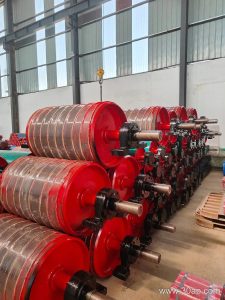
Belt conveyor pulley lagging is the rubber or ceramic layer bonded to a pulley shell to improve grip and shield the drum from wear. On a conveyor pulley, the lagging is the working surface that meets the conveyor belt. In a quarry or a cement plant, this layer often decides whether the belt tracks straight under load or slips when the shell is wet and dusty.
Drive, tail and bend pulleys each see different forces. A drive pulley needs friction to transmit torque. A tail pulley usually needs protection from abrasive material falling back onto the belt. A bend pulley may need a smooth, consistent surface so the belt does not fold or misalign. The same belt conveyor pulley lagging product can be specified in different forms for each position.
How the Lagging Is Built and Fitted
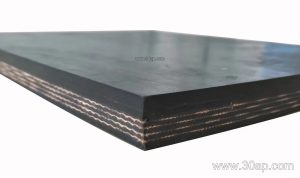
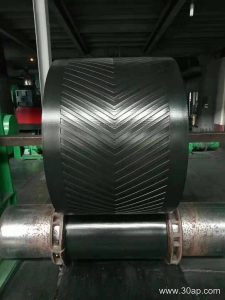
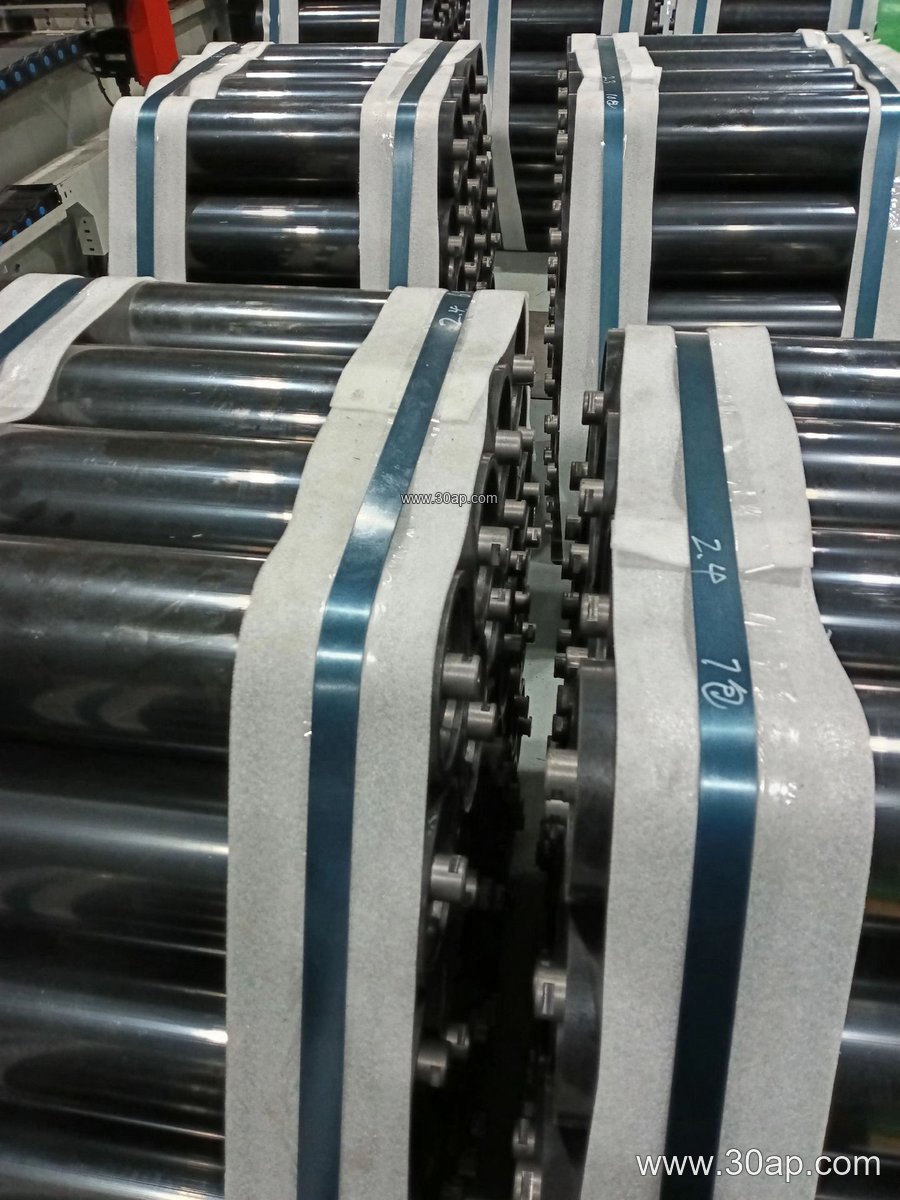
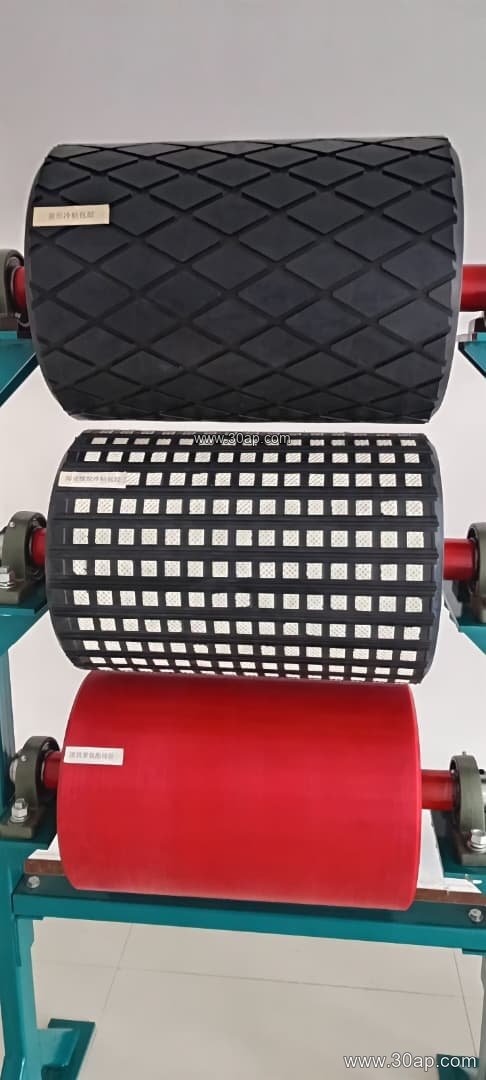
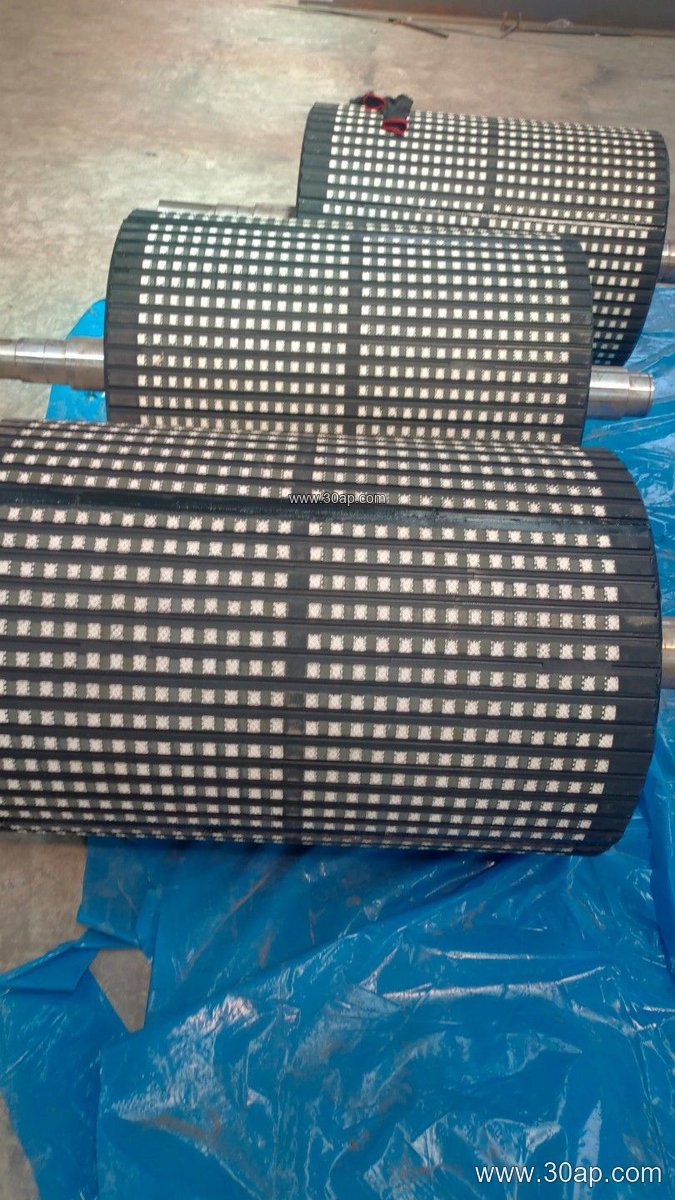
Most lagging starts as a rubber sheet with a textured or plain surface, supplied in strips or as a pre-formed sleeve. Common surface forms include diamond, herringbone, plain and ceramic studded patterns. Thickness is often chosen from 8, 10, 12, 15 or 20 mm depending on the duty. A ceramic version embeds hard tiles in a rubber matrix, which suits high-wear zones but is not a substitute for a drive pulley’s friction requirement.
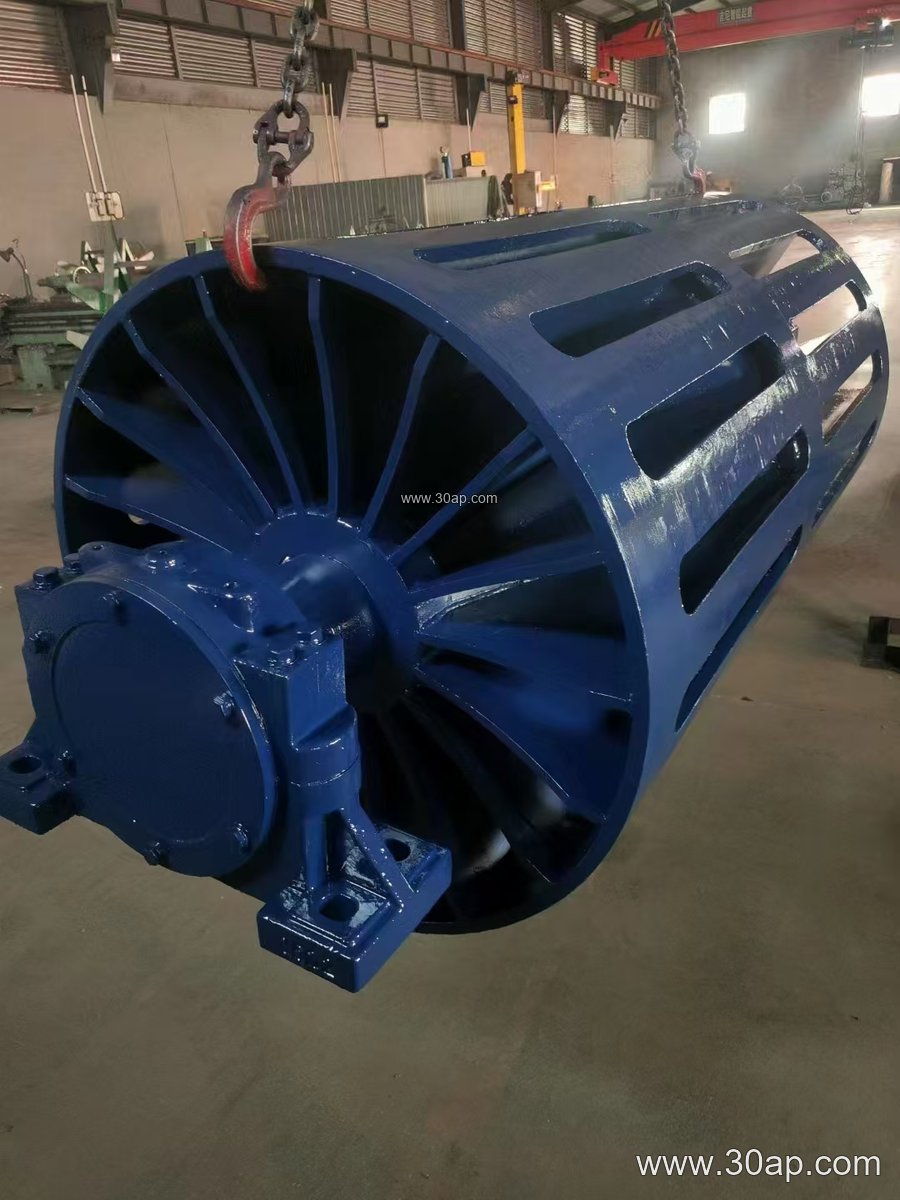
The bond is critical. Cold-bonded rubber is applied with adhesive at the site, while hot-vulcanized lagging is cured onto the shell for a stronger, more uniform joint. A cast or molded lagging can be produced as a sleeve and slipped over the drum. Whichever method is used, the shell must be clean and true before fitting; an out-of-round pulley will wear the lagging unevenly and shorten belt life.
Where It Fits in Bulk Handling
In a coal washing plant, belt conveyor pulley lagging on the drive pulley helps keep a flame retardant conveyor belt moving when the surface is damp. In an iron ore terminal, the same lagging on a bend pulley protects the shell from fines that cling to the return side. Aggregate lines and stone crushing plants often use diamond lagging on tail pulleys because it sheds grit and reduces build-up.
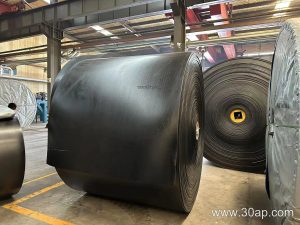
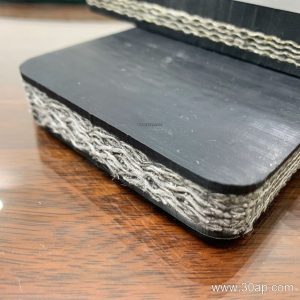
On long overland systems, a steel cord conveyor belt may run at high tension, so the drive pulley lagging must match the torque without creating local stress. In a power plant coal yard, a fabric core conveyor belt such as an EP conveyor belt or NN conveyor belt is common, and the lagging should be selected with the belt’s cover hardness in mind. The conveyor bracket and idler roller alignment also affect how evenly the lagging wears.
Matching Lagging to Pulley Size and Duty
Lagging is ordered against the pulley diameter and face width, not against the belt width alone. A B1200 belt may run on a pulley around Ø1000, while a B800 line might use a Ø500 drum, but these are design choices rather than fixed rules. The shaft diameter is set by torque and load, often in the range of Ø80 to Ø200 for heavy drums, and should never be assumed from belt width.
| Reference | Common range | Note |
|---|---|---|
| Belt width | B400 to B2400 | Pulley face width usually exceeds belt width |
| Pulley diameter | Ø200 to Ø1800 | Selected by tension and belt path |
| Lagging thickness | 8 to 20 mm | Thicker for high-impact or high-wear points |
| Surface | Plain, diamond, herringbone, ceramic | Match to slip risk and material |
For a B1400 × Ø800 drive pulley in a copper ore plant, a 12 mm diamond lagging may be enough, while a B2000 × Ø1250 tail pulley in a primary crusher discharge may need 15 mm rubber with a wear-resistant compound. These combinations are examples, not mandatory pairings.
Buyer Checklist Before Ordering
- Confirm the pulley position: drive, tail, bend, take-up or snub.
- State the belt type and duty, for example abrasion resistant conveyor belt or heat resistant conveyor belt.
- Give the pulley shell diameter, face width and shaft diameter.
- Choose the surface pattern and lagging thickness for the material handled.
- Ask how the lagging will be bonded and whether the drum will be machined first.
A well-chosen belt conveyor pulley lagging reduces belt slip, protects the conveyor pulley shell and keeps the conveyor belt centred. Buyers who match the lagging to the pulley’s job, rather than to a catalogue number, get longer service from both the drum and the belt.