What a Conveyor Belt Support Frame Does
A conveyor belt support frame is the steel backbone that holds the idlers in the right position under and over the belt. It keeps the belt profile stable, spreads the load of bulk material, and makes sure the conveyor pulley, belt and idlers work as one system. In a quarry, a coal washing plant or a cement kiln line, the frame is often the part that decides whether the belt tracks cleanly or wanders off the pulley.
Because the support frame carries every idler roller, it also transfers vibration and impact from the load into the conveyor structure. A well-built frame keeps the belt line straight and protects the conveyor pulley from uneven side loads.
How the Frame Is Built
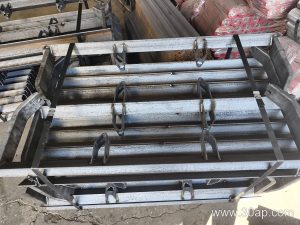
Most frames are fabricated from angle steel, channel steel or folded steel plate. The crossbeam length and mounting hole spacing change with belt width and trough angle, so they are set by design rather than by a single fixed number. Common belt widths include B500, B650, B800, B1000, B1200, B1400, B1600, B1800 and B2000, and the frame is matched to the belt rather than the other way round.
Trough angles are usually 20, 30, 35 or 45 degrees. Adjustable frames let maintenance teams change the trough angle between these values, while forward-leaning frames often use about 1.5 to 2 degrees of tilt to help centre the belt. Idler diameters such as Ø89, Ø108, Ø133, Ø159 and Ø194 are selected with the belt width and load, not from a single rule.
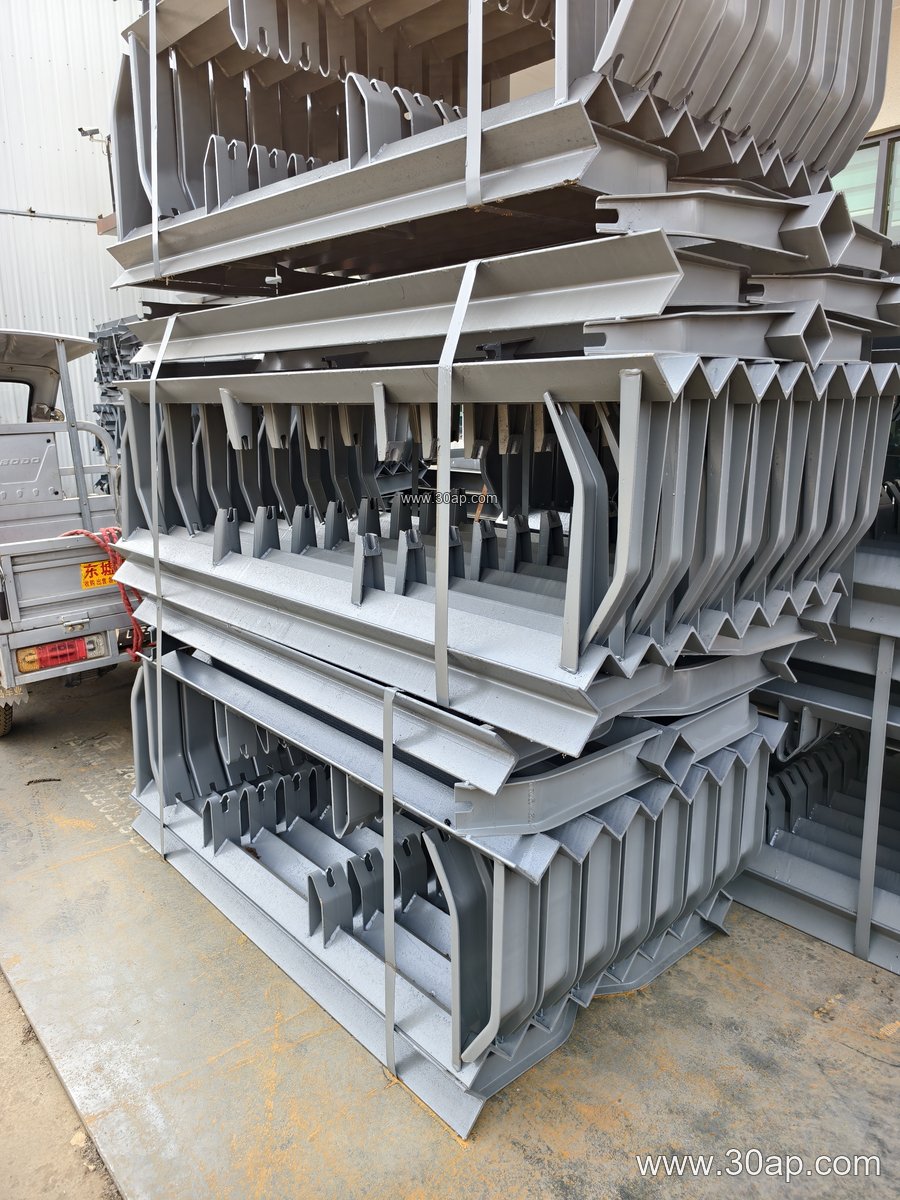
Common Frame Positions on a Conveyor
The support frame appears at several points along the line, and each position has its own job:
- Troughing frame – carries the three-roll or five-roll idler set on the carrying side.
- Transition frame – guides the belt from flat to troughed shape near the tail or head pulley.
- Return frame – supports the belt on its way back, often with a flat or V-return idler.
- Impact frame – sits under the loading point and takes the shock of falling material.
- Self-aligning frame – helps correct belt drift on long runs.
On a typical B1200 line with a 35 degree trough and Ø133 idlers, the troughing frames repeat along the carrying run, while the return frames are spaced further apart. A B650 feeder with 30 degree troughs and Ø89 idlers uses a lighter frame, but the same design logic applies.
Where These Frames Are Used
Support frames are found wherever a conveyor belt moves bulk material. In a limestone quarry or a stone crushing line, they carry the belt under the crusher discharge. In a coal washing plant, flame retardant and anti-static belts run on frames that must resist dust and moisture. Power plant coal yards, port ship loaders and aggregate yards all rely on the same basic frame family.
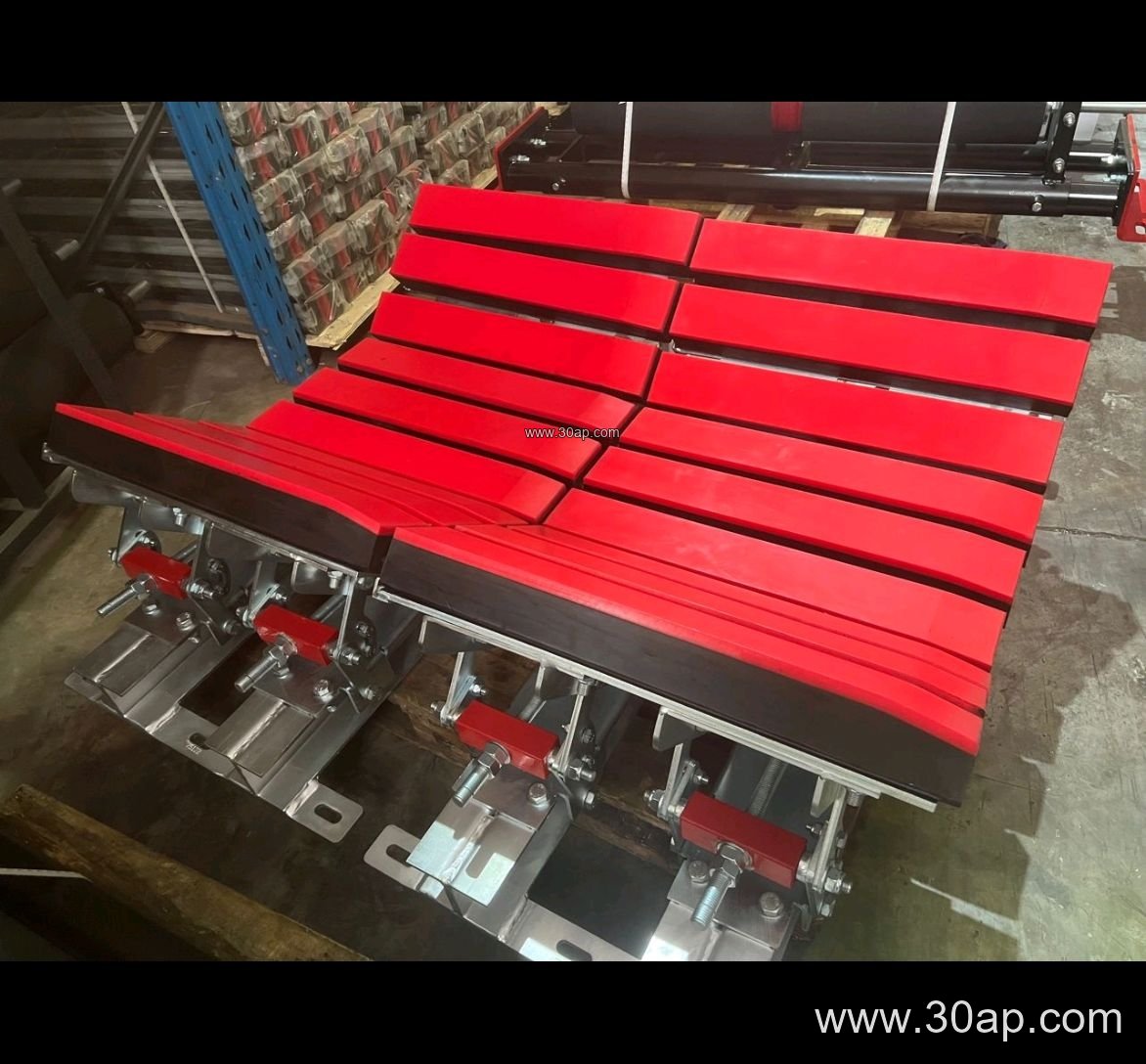
Heavy-duty mining conveyors with steel cord or EP conveyor belts often use thicker frames and larger idler diameters, while lighter sand and gravel lines may use folded plate frames. The frame must suit the belt, whether it is an abrasion resistant conveyor belt in a quarry or a heat resistant conveyor belt near a cement cooler.
What a Buyer Should Check
Before ordering, confirm the belt width, trough angle, idler diameter and the mounting hole pattern on the existing structure. Ask whether the frame is fixed or adjustable, and whether it is designed for carrying, return, impact or transition duty. Check the steel grade and surface treatment, since a wet coal plant needs different protection from a dry cement silo.
Also confirm how the frame connects to the stringer and whether it matches the conveyor bracket already in use. A frame that fits the idler but not the bracket will slow installation. For more on matching frames with belts, idlers and pulleys, see conveyor belt support frame and related conveyor components.
Maintenance Notes
Inspect frames for bent crossbeams, loose bolts and corrosion at the welds. A misaligned frame can make even a well-made EP conveyor belt or NN conveyor belt train poorly, and it can wear the idler roller faster. Keep the trough angle consistent along the run, and replace damaged frames before they distort the belt edge.