What a Ø133 Conveyor Idler Set Includes
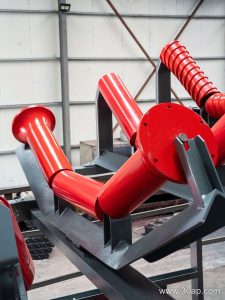
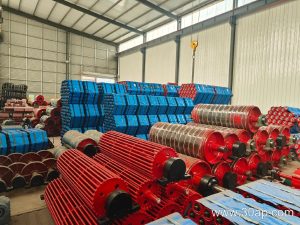
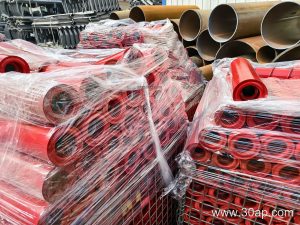
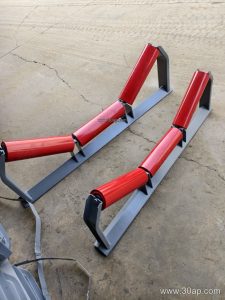
A Ø133 conveyor idler set is a matched group of idler rollers with a 133 mm shell diameter, assembled with a common frame or brackets so that the rolls sit at the correct spacing and angle under the belt. In practice, the set usually means the complete carrying assembly: three troughing rolls for the upper strand, or a two-roll and single-roll arrangement where the belt width and load call for it. The same roller diameter can appear in return, impact, and self-aligning positions, but the set is defined by how the rolls are grouped and mounted, not by the roller alone. Buyers often refer to it as a 133mm conveyor idler set or a Ø133 carrying idler group, and those names point to the same product family.
How the Rolls Are Built
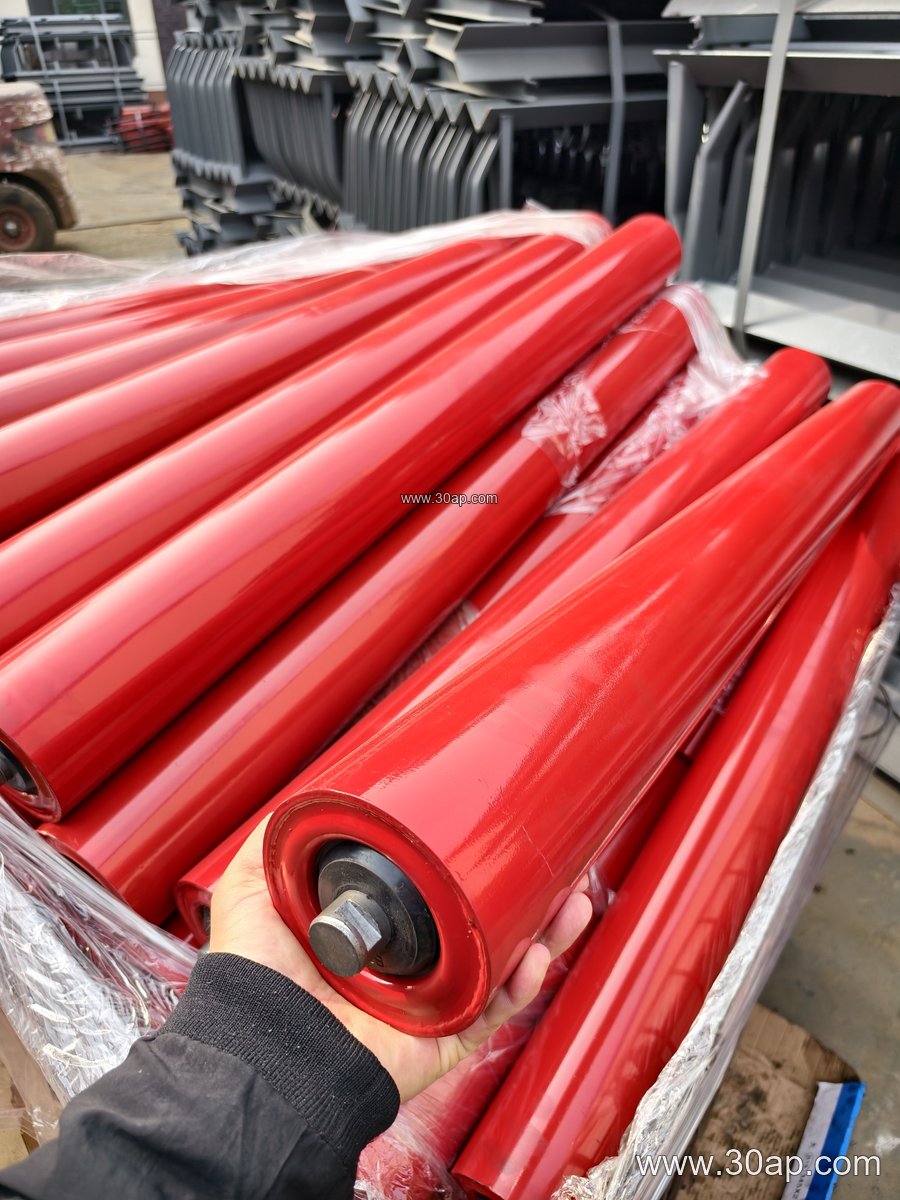
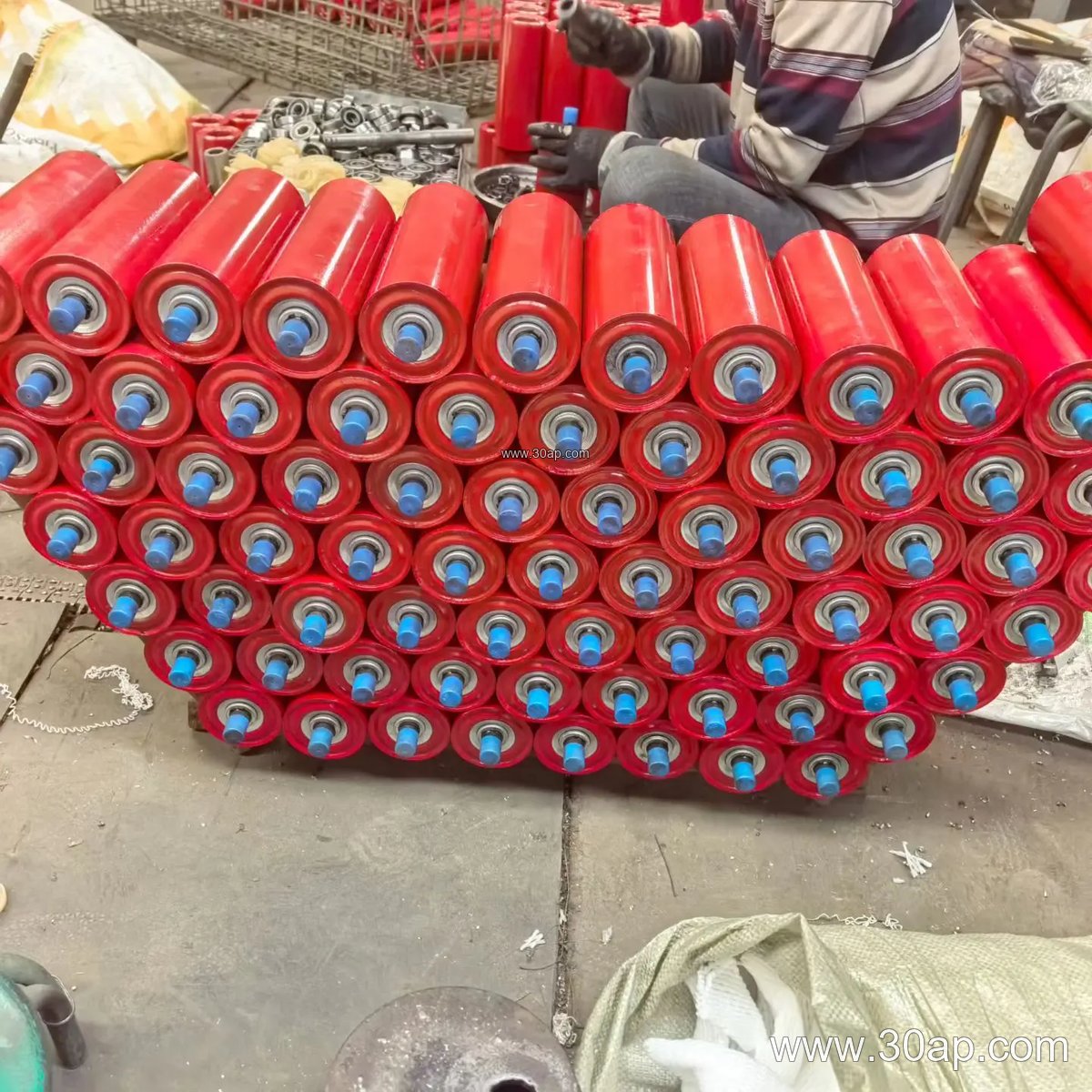
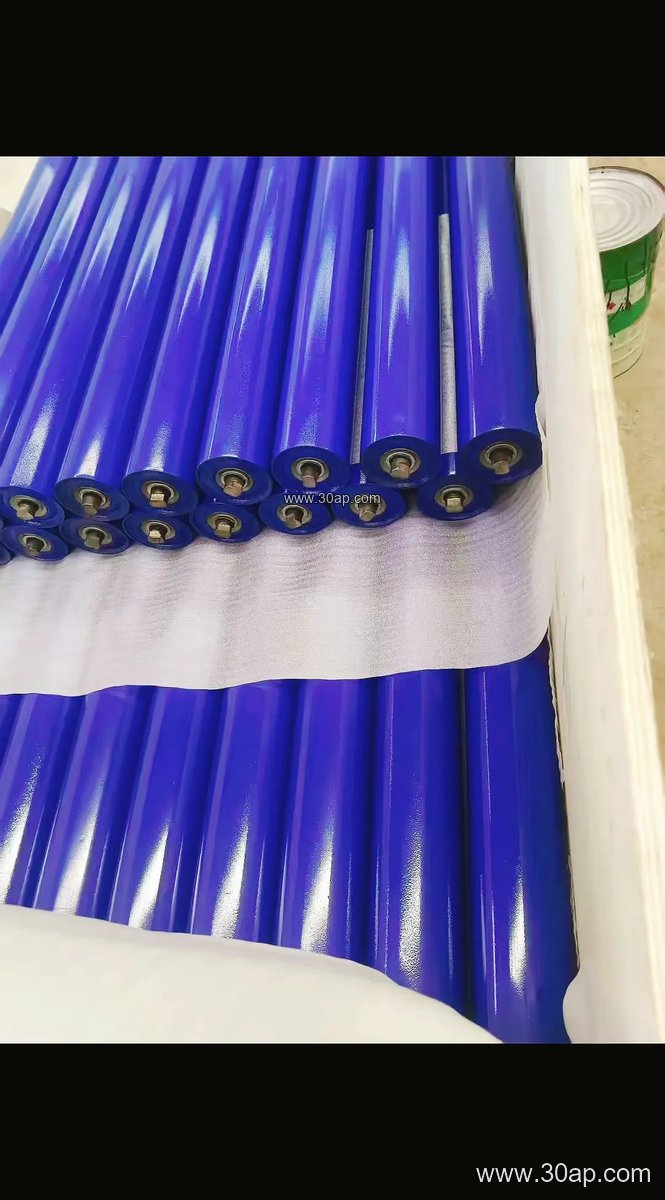
Each idler roller in the set normally has a steel tube shell, a shaft, bearing housings, and a sealing arrangement at both ends. Common bearing sizes for this diameter range include 6205, 6305, 6306, and 6308, though the final choice depends on load and speed rather than on shell diameter alone. The roller surface may be plain steel, nylon, ceramic, or rubber rings; rubber rings are often used on impact and buffer positions to soften the load from coarse material. The set frame, sometimes called a conveyor bracket, keeps the rolls at the designed trough angle and roll length. A three-roll troughing set with Ø133 rolls is a common choice on medium and wide belts where the belt needs steady support without excessive sag.
Where It Fits on the Conveyor
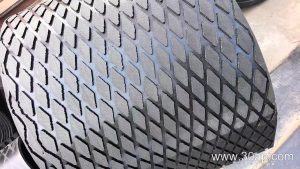
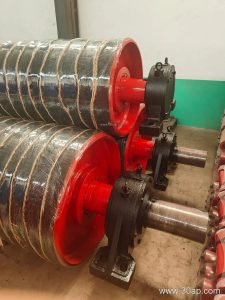
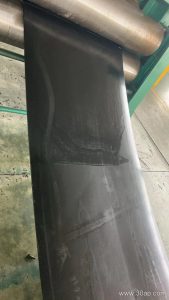
The carrying side is the most familiar location. In a quarry or aggregate line, a Ø133 conveyor idler set supports a rubber conveyor belt loaded with crushed stone, and the rolls must tolerate dust, grit, and occasional lumps. In a coal mining or cement plant, the same set may run under an EP conveyor belt or a flame retardant conveyor belt where fire safety and dust control matter. On the return strand, a V-type or flat return set with Ø133 rolls helps keep the belt tracking and reduces material buildup. The set is not a substitute for a conveyor pulley; drive, tail, and bend pulleys have different duties and are not interchangeable with idler sets. A conveyor pulley turns the belt, while the idler set carries it.
Common Dimensions and Arrangements
Roll length changes with belt width, trough angle, and set type. The table below gives common reference values for three-roll troughing sets; side rolls and center rolls can differ, and these are examples rather than fixed pairings.
| Belt width | Typical roll length (three-roll troughing) | Common trough angle |
|---|---|---|
| B500 | about 200 mm | 20°, 30°, 35° |
| B650 | about 250 mm | 20°, 30°, 35° |
| B800 | about 315 mm | 30°, 35°, 45° |
| B1000 | about 380 mm | 30°, 35°, 45° |
| B1200 | about 465 mm | 30°, 35°, 45° |
| B1400 | about 530 mm | 30°, 35°, 45° |
| B1600 | about 600 mm | 30°, 35°, 45° |
| B1800 | about 670 mm | 30°, 35°, 45° |
| B2000 | about 750 mm | 30°, 35°, 45° |
Other shell diameters in the same family include Ø108, Ø127, Ø159, and Ø178, so a buyer should confirm the roller diameter, bearing size, and roll length as a set rather than assuming one value from belt width. Shaft diameter is a separate design decision and should not be guessed from belt width.
What Buyers Should Check
- Confirm the complete set: roll diameter, roll length, number of rolls, trough angle, and bracket hole spacing.
- Match the bearing and seal to the working environment; dusty aggregate and coal handling need good protection.
- Check the belt type and load: a heavy-duty mining conveyor belt or a steel cord conveyor belt may call for a sturdier frame and roll than a light bulk material conveyor belt.
- Ask for the roller surface form that suits the position: plain steel for normal carrying, rubber rings for impact zones, and suitable return rolls for the lower strand.
- Keep spare rolls and brackets consistent with the installed set so that field replacement stays simple.
For more on idler rollers, conveyor pulleys, and related belt components, visit conveyoridler.example.com or check the conveyor bracket range at beltconveyor.example.com. A well-matched Ø133 conveyor idler set keeps the belt supported, reduces spillage, and helps the whole conveyor line run with fewer stoppages.