What the Q235 Conveyor Bracket Does
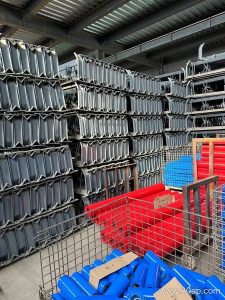
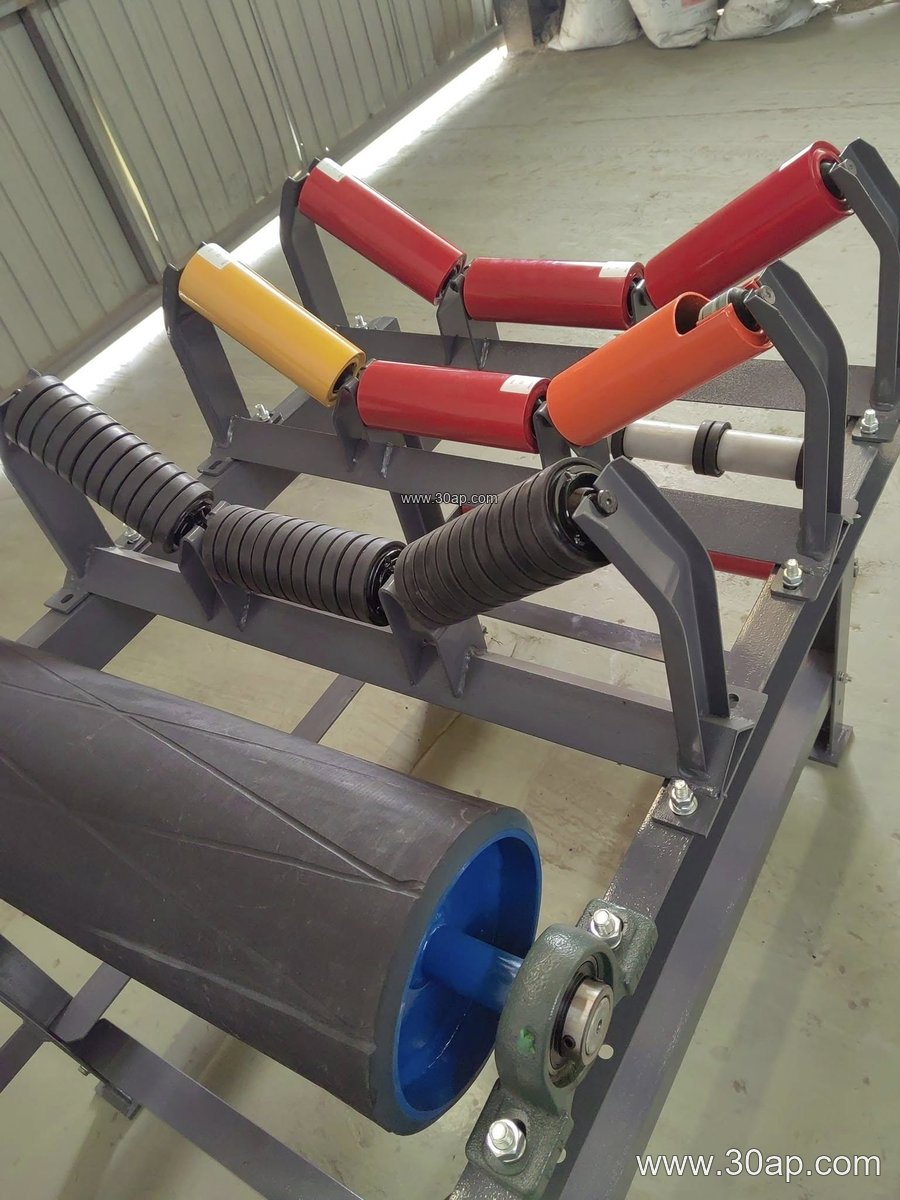
The Q235 Conveyor Bracket is the steel frame that holds idler rollers in position along a belt conveyor. It is usually fabricated from angle steel, channel steel, or bent steel plate, and it is the part that transfers the load from the belt and the material to the conveyor’s main structure. Because Q235 is a common mild carbon structural steel, this bracket is easy to cut, drill, bend, and weld, which keeps fabrication straightforward and makes field adjustments practical. In a typical frame, you will find it working alongside the conveyor belt, conveyor pulley, and idler roller, but its own job is support, spacing, and alignment rather than motion.
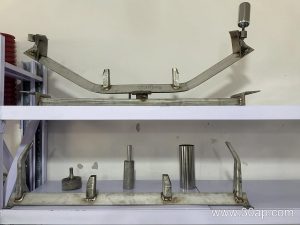
The bracket is not a single shape. It appears as a trough bracket on the carrying side, a return bracket underneath, and sometimes as a transition or buffer support near loading points. Each position asks for a different geometry, so the term covers a family of parts rather than one fixed piece.
How the Bracket Is Built
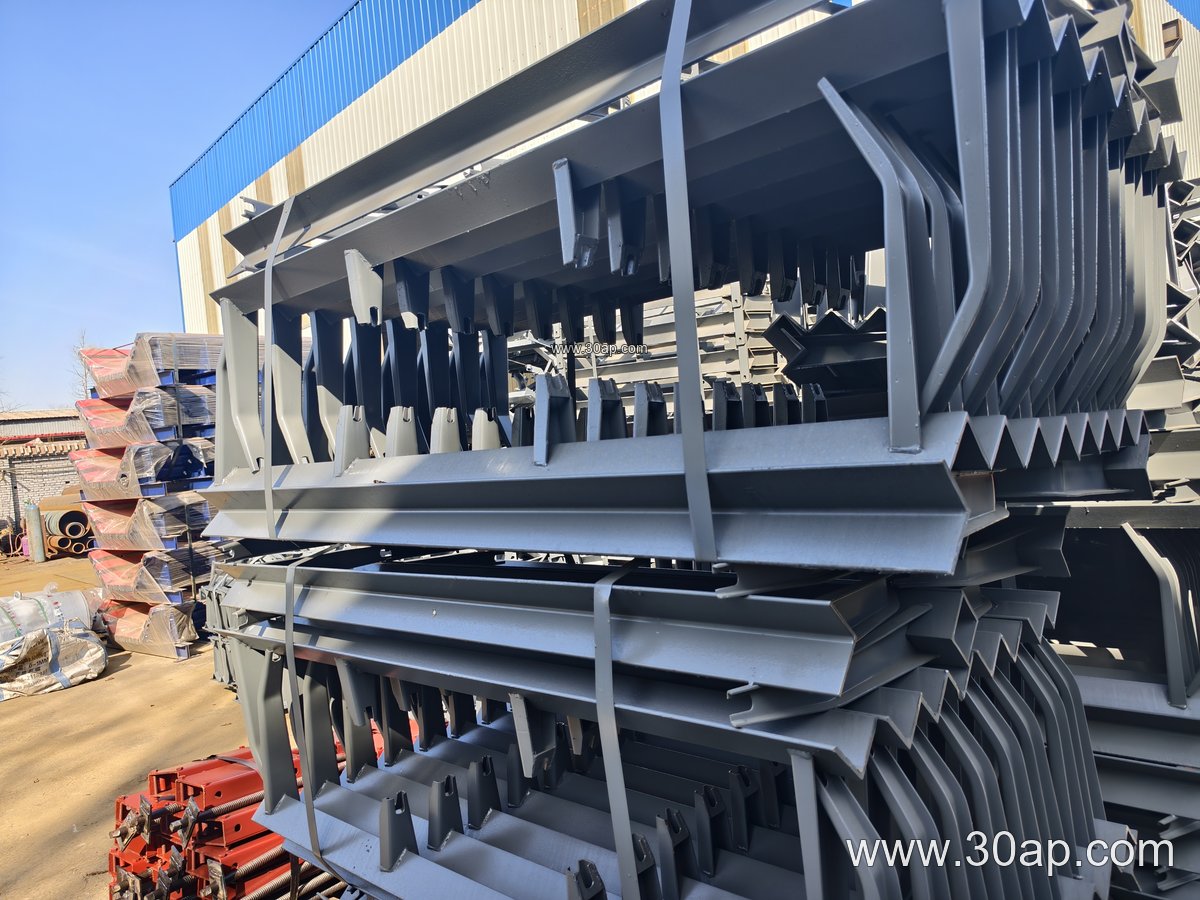
Most units are assembled from a crossbeam and two or more mounting arms, with slots or drilled holes for the idler shafts. Welded construction is common, and the welds, hole positions, and paint finish matter as much as the steel grade. A well-made Q235 Conveyor Bracket should sit flat, hold its trough angle without twisting, and allow the idler to rotate freely after installation.
Common build details include:
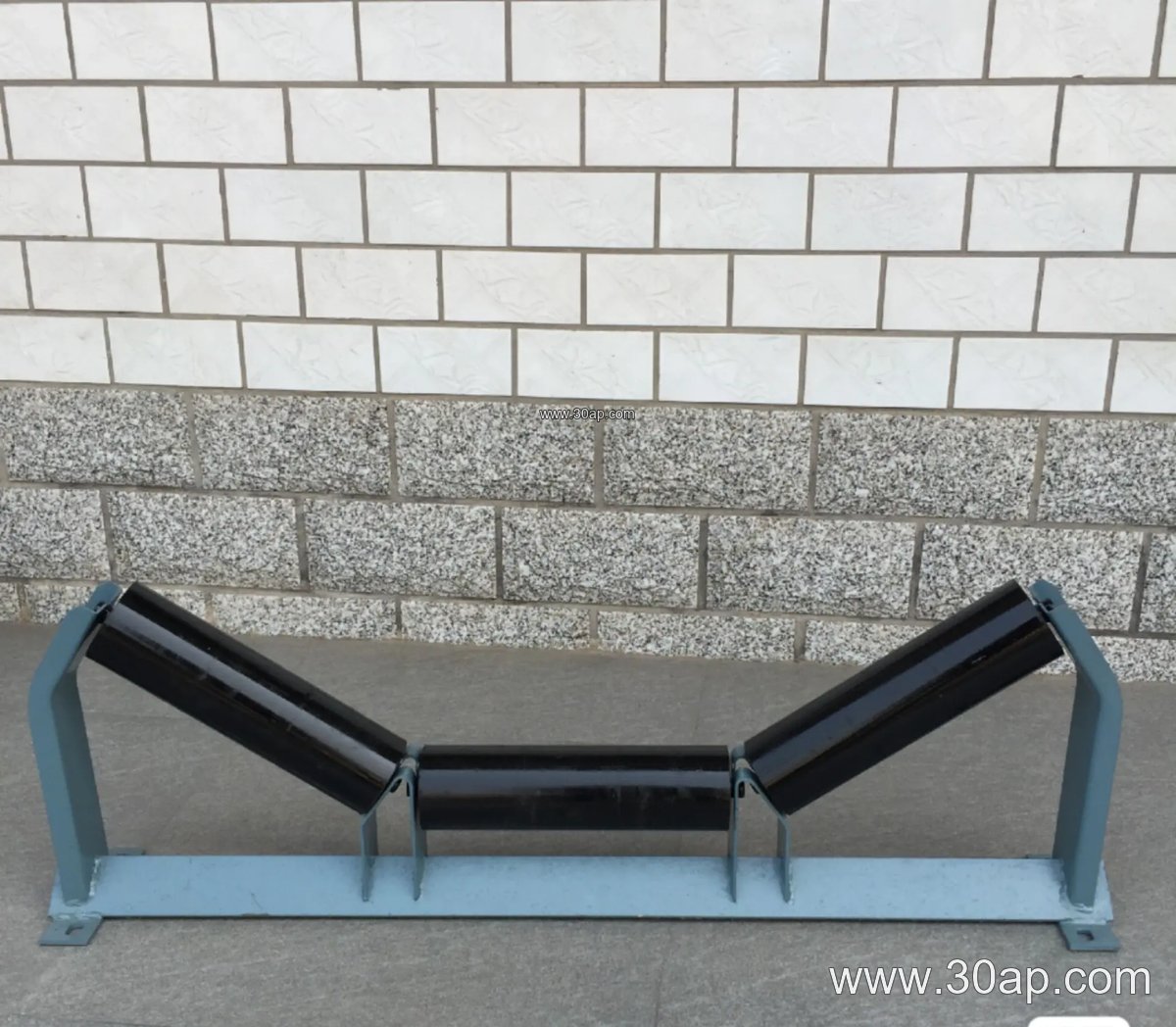
- Angle steel or channel steel main beam, with steel plate bent into end supports
- Fixed or adjustable trough angle, often 20, 30, 35, or 45 degrees
- Forward-leaning idler mounts, typically about 1.5 to 2 degrees, to help belt tracking
- Slotted holes for adjustment during alignment
- Painted or galvanized surface treatment for general service conditions
Installation hole spacing and crossbeam length change with belt width and trough angle, so these dimensions should be confirmed from the drawing rather than assumed.
Where It Fits on the Conveyor
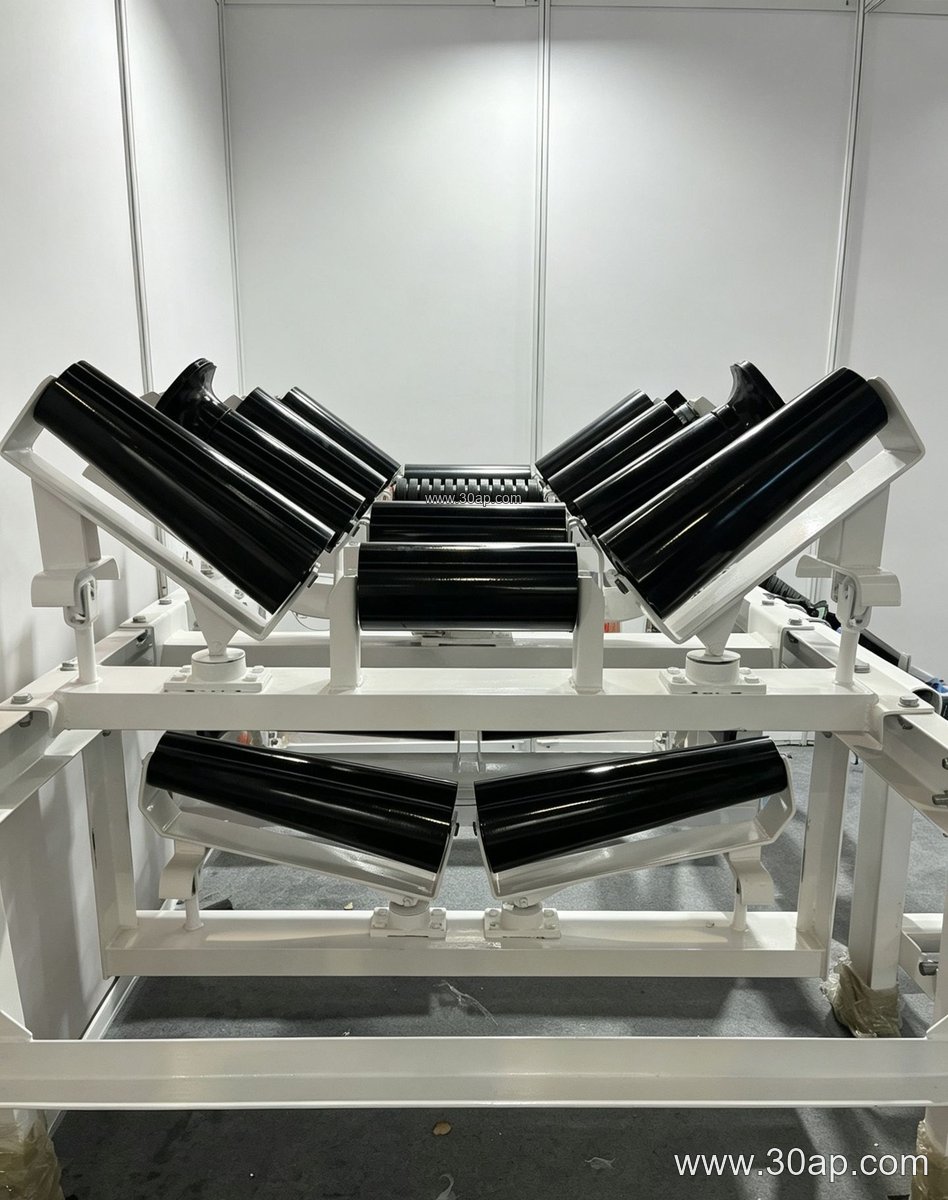
On the carrying run, the trough bracket supports three idlers that form the belt into a trough. On the return run, a flat or V-shaped return bracket supports the belt after discharge. Transition brackets sit between the tail pulley and the first full trough set, where the belt changes shape and needs gentler support. Buffer brackets are used under loading chutes, where impact from falling material is heavy.
Because of this range, the bracket is found in many bulk handling sites. In a coal washing plant, flame retardant and anti-static belt grades are common, and the brackets must hold idlers steady through constant vibration. In a cement plant or power plant coal yard, dust and fine material build up around the frame, so clearances and drainage matter. In a quarry or sand and gravel line, abrasion resistant belts carry sharp rock, and the bracket must resist both load and grit. Similar arrangements appear in iron ore handling, port ship loading, and crushing and screening circuits.
Matching the Bracket to Belt and Idler
Belt width, trough angle, and idler diameter are selected together, not in isolation. A wider belt generally needs a longer crossbeam and heavier section, and a larger idler diameter changes the mounting height. The table below gives common reference combinations; these are examples, not fixed rules.
| Belt Width | Trough Angle | Idler Diameter | Typical Position |
|---|---|---|---|
| B500 | 20 degrees | Ø89 | Small transfer or light-duty line |
| B650 | 30 degrees | Ø89 | Aggregate and sand conveying |
| B800 | 35 degrees | Ø108 | General bulk material duty |
| B1000 | 35 degrees | Ø133 | Coal and cement plant conveyors |
| B1200 | 45 degrees | Ø133 | High capacity troughing |
| B1400 | 35 degrees | Ø159 | Heavy-duty mining service |
| B1600 | 45 degrees | Ø159 | Large tonnage main lines |
| B1800 | 35 degrees | Ø194 | Ore and port handling |
| B2000 | 45 degrees | Ø194 | Extra-wide high capacity belts |
A B800 bracket with a 35 degree trough and Ø108 idler is a common mid-range choice, while a B1200 unit with 45 degrees and Ø133 suits wider, heavier belts. Neither pairing is universal. The same belt width can work with different angles and roller sizes depending on load, speed, and material.
Fixed or Adjustable
Fixed brackets hold a set trough angle and are simple and rigid. Adjustable brackets allow the angle to be changed within a range, which helps during commissioning or when material characteristics shift. Adjustable versions cost more and need checking for loosening over time, but they can simplify alignment work. Forward-leaning brackets are a separate option used to improve belt tracking on the carrying side.
Buyer Checklist
- Confirm belt width, trough angle, and idler diameter against the conveyor drawing
- State the mounting hole spacing and crossbeam length required
- Choose steel thickness and section size to suit load and span
- Specify surface treatment for the site environment, such as dusty or wet conditions
- Check weld quality, hole alignment, and squareness before delivery
- Ask whether fixed or adjustable angle is preferred for the duty
For more on matching frames with conveyor components, see the belt and roller sections at ppfriction.com. A correctly specified Q235 Conveyor Bracket keeps idlers true, reduces belt edge wear, and supports steady operation across mining, cement, power, and quarry conveyors.