What a Large-Diameter Conveyor Pulley Does
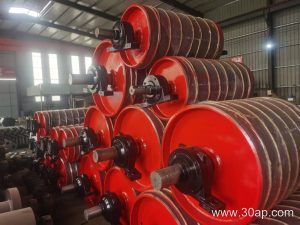
A large-diameter conveyor pulley is the rotating drum at the heart of a belt conveyor, sized well above the small pulleys used on light package lines. In quarry pits, iron ore plants, coal preparation units, and power station coal yards, these big drums carry wide, heavy belts and transmit the drive torque that keeps thousands of tonnes moving. The larger the drum, the gentler the bend it imposes on the belt carcass, which matters when the belt is thick, stiff, or reinforced with steel cord.
The same component is also called a large drum pulley or heavy-duty conveyor drum. It is not the same as a tail pulley or a bend pulley, although all three may look similar from a distance. The drive pulley delivers power; the tail pulley returns the belt; the bend pulley changes direction. Each has its own duty, and they should not be swapped casually.
How the Drum Is Built
Most large-diameter units combine a welded steel shell, end discs, a hub, and a shaft. Shell thickness and shaft diameter are set by torque and load, not by belt width alone. A B800 conveyor might use a Ø500 drum in one layout and a Ø630 drum in another, depending on wrap angle, belt tension, and space. Common shaft sizes range from Ø50 up to Ø200, but the final figure always comes from the drive calculation.
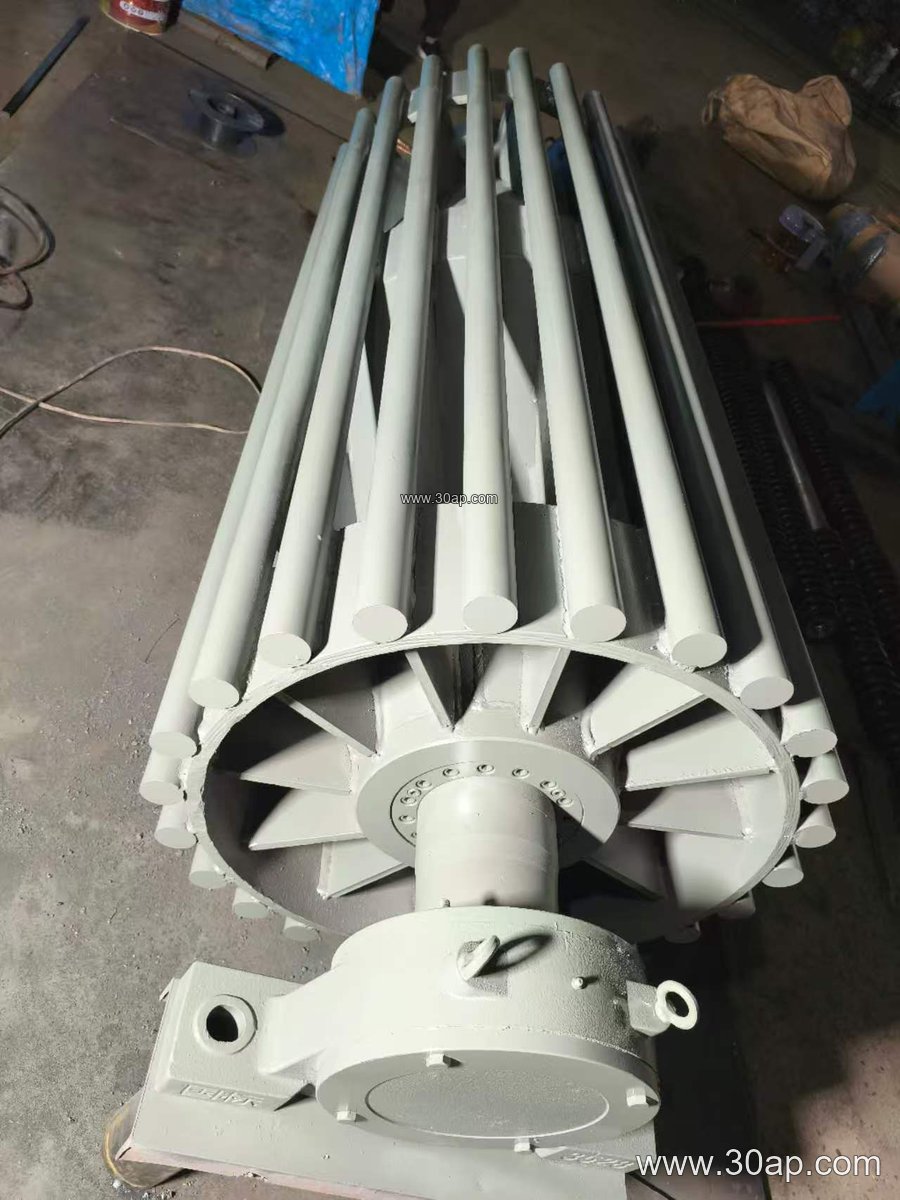
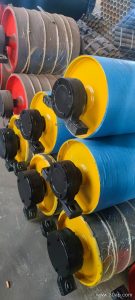
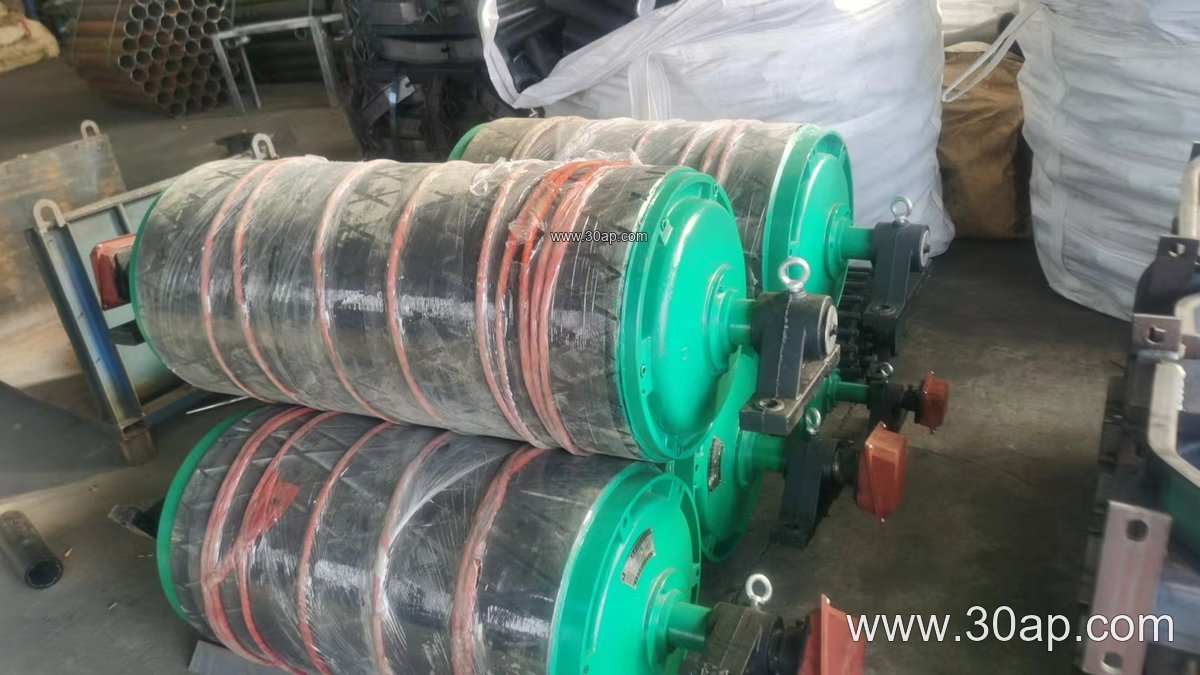
Surface treatment is a separate decision. Plain finish suits some non-drive positions, while cast rubber, cold-bonded rubber, hot-vulcanized rubber, diamond grooving, herringbone grooving, or ceramic lagging can raise grip on the drive drum. Lagging thickness of 8, 10, 12, 15, or 20 mm is often quoted, again by design rather than as a rule.
Matching Drum Diameter to Belt Width
Face width normally exceeds belt width so the belt is fully supported. Reference examples include B400 with roughly 500 mm face, B800 with about 950 mm, B1200 with about 1400 mm, and B2000 with about 2200 mm. Typical combinations such as B800 × Ø500, B1200 × Ø1000, or B1400 × Ø800 appear in real projects, yet no single belt width locks you to one diameter. A steel cord belt on a long overland route usually needs a larger drum than a fabric belt of the same width.
Where These Drums Earn Their Keep
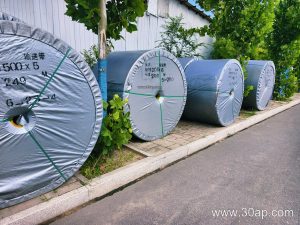
In a limestone quarry, a large-diameter head pulley on the primary discharge conveyor takes the full load from the crusher. At a coal-fired power plant, the drive drum on the coal yard belt must cope with dust, moisture, and steady starting torque. Other users include cement clinker lines, sand and aggregate plants, port bulk terminals, and tunnel spoil handling. The belt itself may be an abrasion resistant conveyor belt, a flame retardant conveyor belt for underground work, or a heat resistant conveyor belt near kilns and sinter coolers.
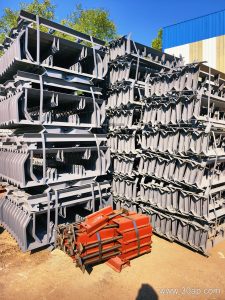
Supporting parts matter too. A well-aligned conveyor idler roller set keeps the belt tracking straight into the drum, and a rigid conveyor bracket holds the bearing housing without flex. Poor alignment shortens lagging life faster than most operators expect.
Buyer Checklist
- Confirm the duty position: drive, head, tail, take-up, or bend.
- Provide belt width, belt type, speed, and expected tension.
- State the required diameter and face width, or ask for a recommendation.
- Choose lagging pattern and thickness for the actual material and moisture.
- Check shaft size against torque, not against belt width alone.
- Ask about balancing, bearing type, and inspection access.
When the conveyor carries a steel cord conveyor belt or a heavy multi-ply fabric core belt, the pulley is only one part of a system that includes the belt, idlers, and structure. Buyers who share full operating data get a drum that fits the first time. For more on related components, see the conveyor pulley pages at www.zxconveyorbelt.com and the idler roller notes at www.zxconveyorbelt.com.