What a Return Idler Bracket Does
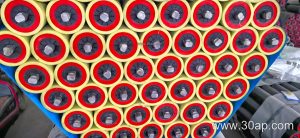
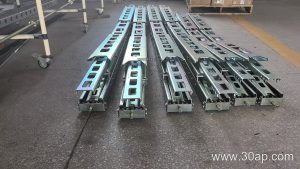
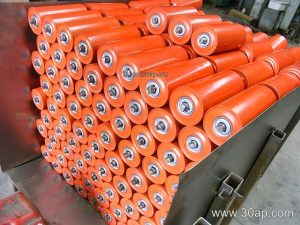
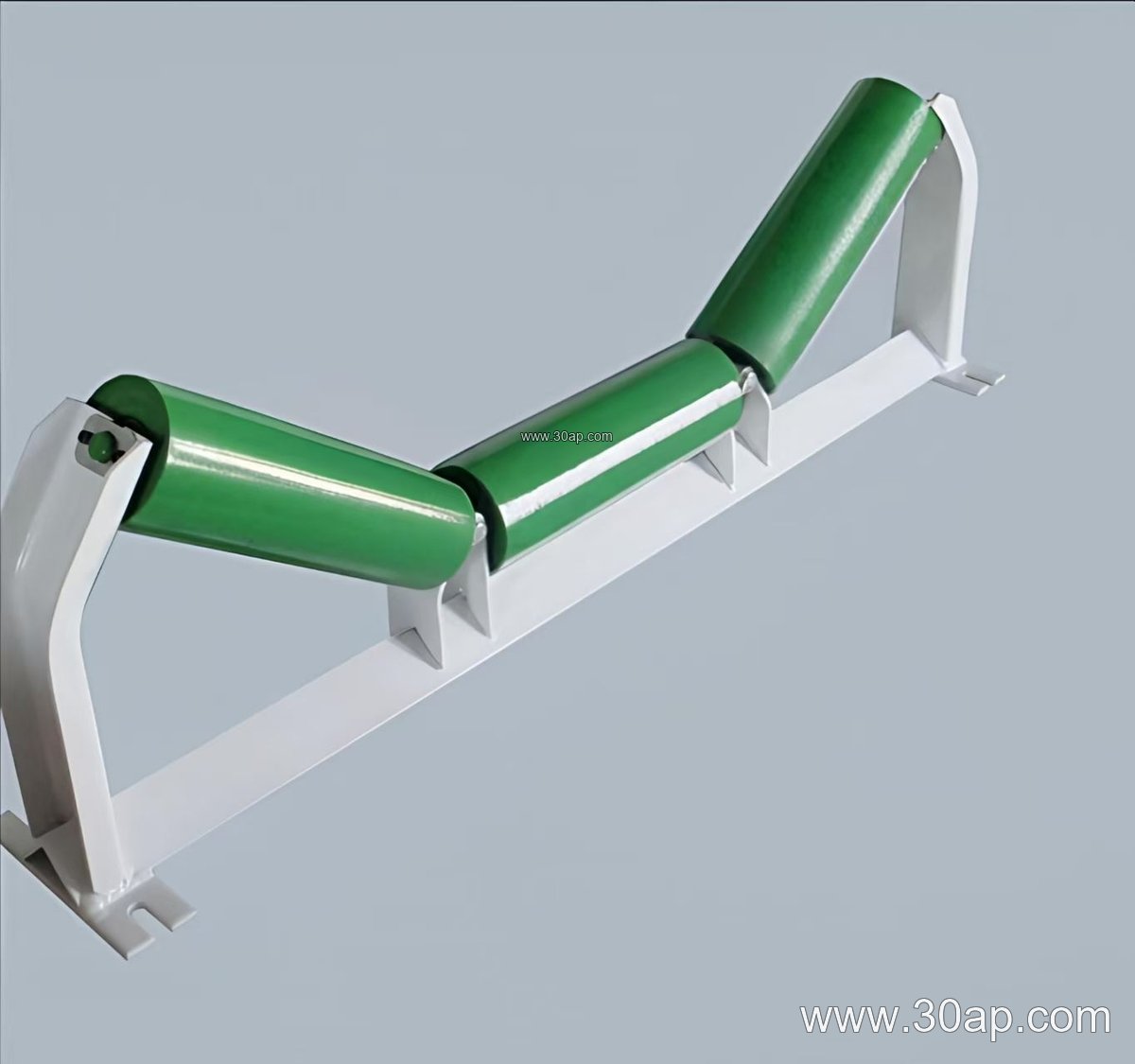
A return idler bracket is the support component that holds the lower, carrying-side-return rollers of a belt conveyor. While the troughing brackets on the top run shape the belt into a trough, the return bracket sits under the returning belt and keeps the idler roller in a stable position. In a typical conveyor frame, this bracket is bolted or welded to the stringer or cross member, and the roller shaft rests in its slot or cradle. The result is a controlled path for the belt on its way back to the tail pulley.
In a quarry, a cement plant, or a power plant coal yard, the return run is often where tracking problems first appear. A well-made bracket helps the belt stay centered and reduces edge wear, which matters when the conveyor carries an abrasive or heavy load.
Construction and Common Forms
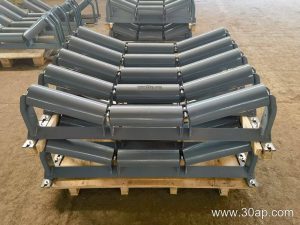
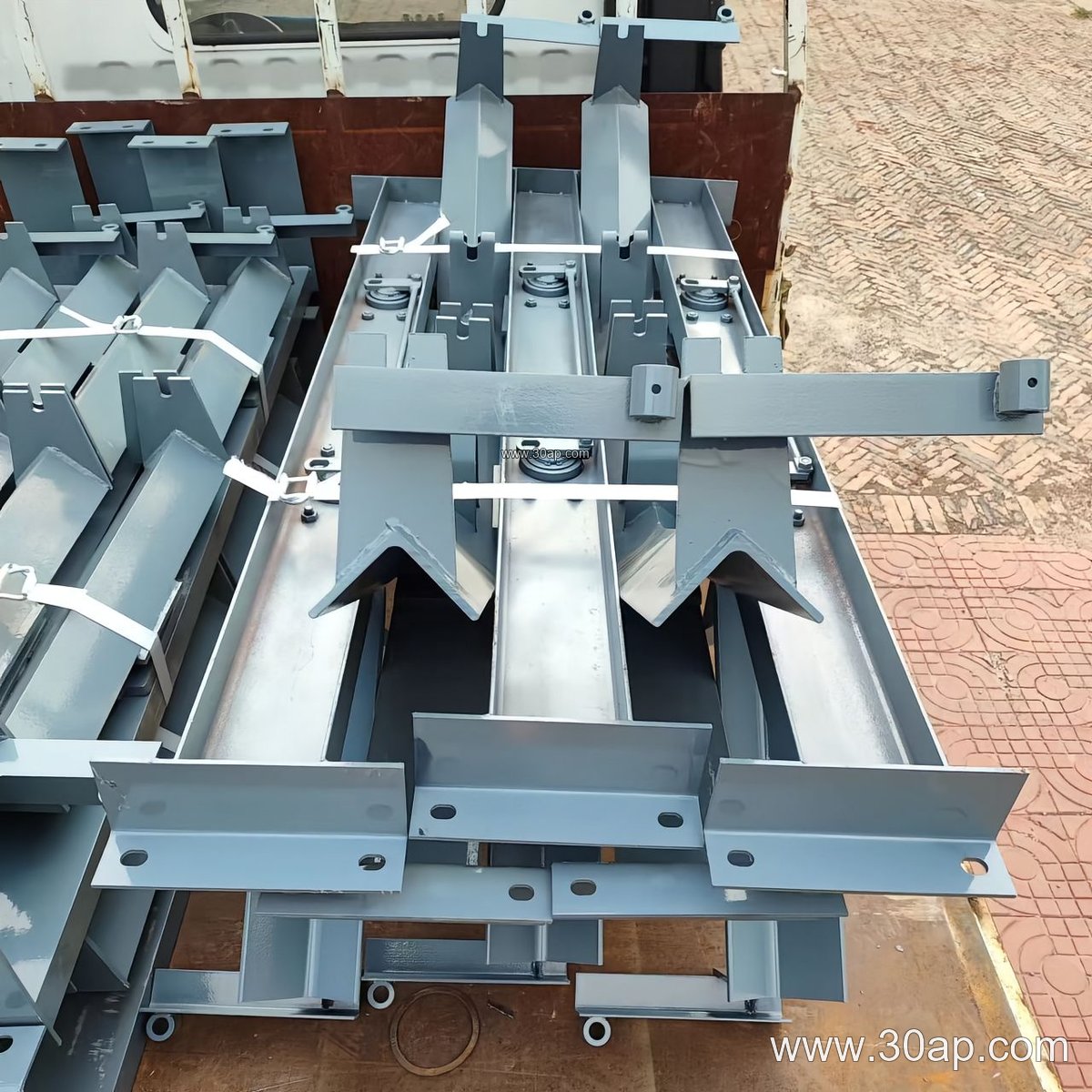
Most brackets are fabricated from angle steel, channel steel, or folded steel plate. The material choice usually follows the load and the environment: a dusty limestone line may use a simple painted carbon steel bracket, while a wash plant or a coastal port may call for a galvanized or otherwise protected finish. The bracket is not a single universal shape. Common forms include:
- Flat return brackets that hold a single roller under the belt
- V-return brackets that set two rollers in a shallow V to help center the belt
- Adjustable brackets with slotted holes for fine height or angle setting
- Heavy-duty brackets for wide, high-tension belts
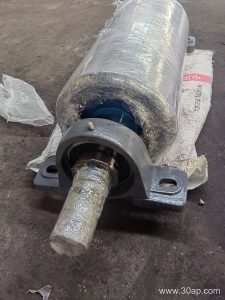
The roller sits in a cradle or is fixed with a pin or clamp, so the bracket and the idler roller must match in shaft diameter and mounting span. Buyers should confirm the mounting hole spacing and crossbeam length against their frame drawing rather than assuming a standard figure, because these dimensions change with belt width and bracket design.
Where It Fits in a Conveyor System
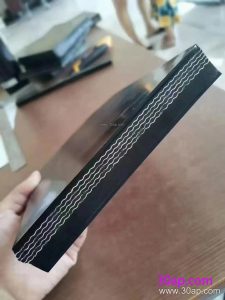
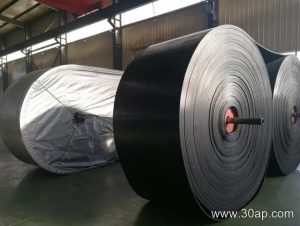
The return bracket works together with the conveyor belt, the idler roller, and the conveyor pulley. On a long overland conveyor, return brackets are spaced at regular intervals to support the belt’s own weight and the weight of any material that clings to it. On a short transfer conveyor in a sand and gravel line, there may be only a few. In an underground coal mining conveyor, the bracket may be part of a compact frame that fits within restricted clearance.
It is worth noting that the return bracket is not the same as a troughing bracket, and neither is it a substitute for a bend pulley or a drive pulley. Each has its own role. A bend pulley changes belt direction, while the return bracket simply supports the returning strand.
Matching Brackets to Belt Width and Roller Diameter
Selection starts with the belt width and the roller diameter. Common belt widths run from B500 and B650 up through B800, B1000, B1200, B1400, B1600, B1800, and wider. Roller diameters commonly include Ø89, Ø108, Ø133, Ø159, and Ø194. A narrow belt may use a Ø89 roller, while a wide, heavy-duty conveyor may use Ø159 or larger. These are reference ranges, not fixed pairings: the final choice depends on load, speed, and frame design.
| Belt width | Typical roller diameter | Bracket note |
|---|---|---|
| B500–B650 | Ø89–Ø108 | Light frame, often flat return |
| B800–B1000 | Ø108–Ø133 | Standard return bracket |
| B1200–B1400 | Ø133–Ø159 | Heavier cross member |
| B1600–B2000 | Ø159–Ø194 | Heavy-duty or V-return design |
For a belt carrying a heavy mineral load, an abrasion resistant conveyor belt may be paired with a robust return bracket and a well-sealed roller. In a coal handling plant, a flame retardant conveyor belt is common, and the bracket should be checked for clearance around the belt edges.
Buyer Checklist
Before ordering, confirm the frame type, the mounting hole distance, the roller shaft size, and the required finish. Ask whether the bracket is fixed or adjustable, and whether it is designed for a single roller or a V-return pair. Check that the bracket will not foul the belt splice or the skirt rubber. On a food or chemical line, note any cleaning or corrosion requirement.
For more information on related conveyor components, see our pages on conveyor brackets and idler rollers at www.example.com/return-idler-bracket. A small detail like the return bracket often decides whether a conveyor runs quietly or wears its belt edges prematurely.