What a Conveyor Return Idler Does
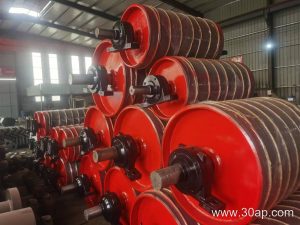
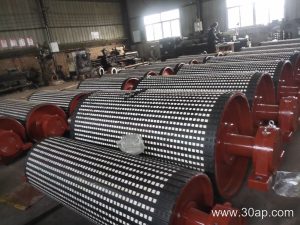
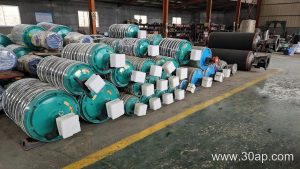
A conveyor return idler is the roller assembly that supports the empty, returning strand of a conveyor belt. Unlike the carrying side, which often uses three-roll troughing sets to shape the belt into a trough, the return side typically relies on a single flat roller or a two-roll V-shaped arrangement. The return idler keeps the belt from sagging between pulleys, reduces drag, and helps maintain proper belt tracking. In a typical bulk handling circuit, you will find these idlers beneath the belt on the return run, spaced at regular intervals that depend on belt width, tension, and load. They are a small but critical part of the overall conveyor structure, working alongside the conveyor pulley at the drive and tail ends.
Construction and Common Configurations
A return idler usually consists of a steel tube shell, bearing housings, a shaft, and sealing elements. The roller surface may be plain steel, nylon, or covered with rubber rings for special duties. Common roller diameters for return idlers include Ø89, Ø102, Ø108, Ø127, Ø133, Ø159, and larger sizes up to Ø219 for heavy-duty applications. Bearing sizes such as 6204, 6205, 6305, 6306, 6308, and 6310 are frequently used, but the bearing choice must match the load and speed of the specific conveyor rather than a single roller diameter.
Return idlers come in several forms to suit different belt widths and operating conditions:
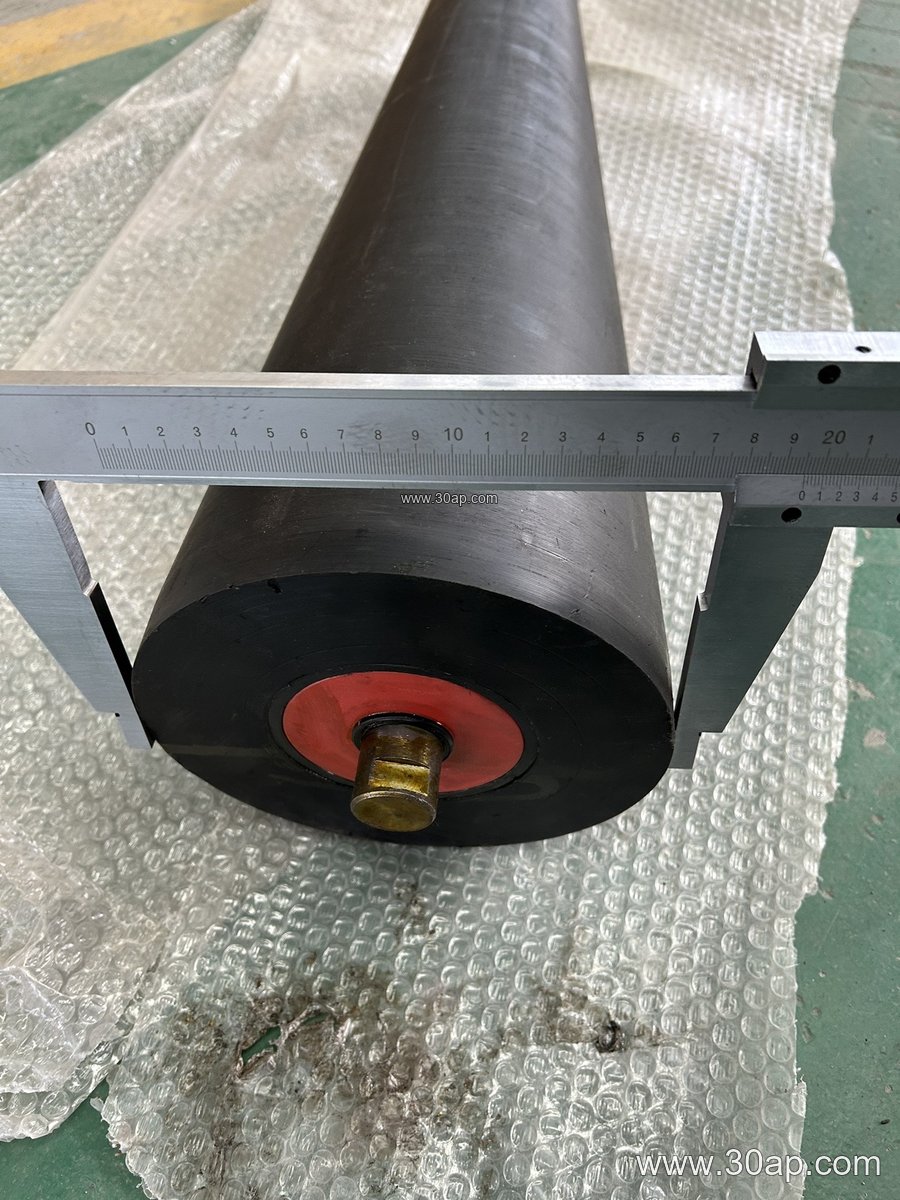
- Flat return idler – a single roller across the full belt width, common on narrower belts and clean environments.
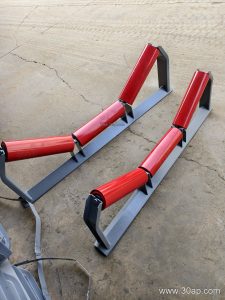
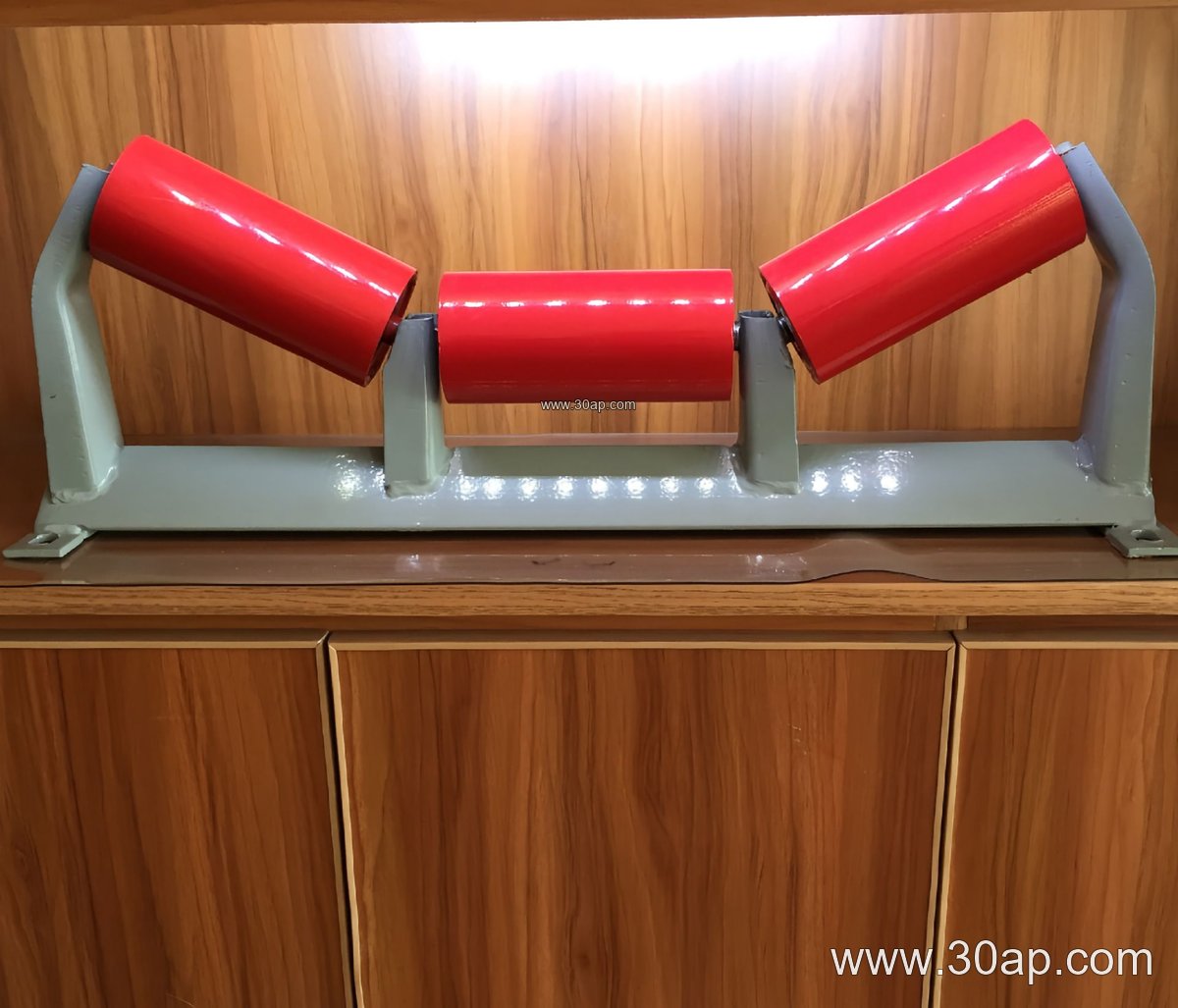
- V-type return idler – two rollers set at an angle to form a V shape, which helps center the belt and shed material.
- Spiral return idler – a roller with a helical wrap that discourages material build-up on the surface.
- Rubber disc return idler – rubber rings on the shell provide cushioning and grip, useful where sticky material or impact is a concern.
Belt widths from B400 to B2400 are commonly handled, and the idler length is matched to the belt width and the return idler configuration. For example, a flat return idler for a B800 belt may be around 950 mm long overall, while a B1200 belt might use a roller closer to 1400 mm. These are indicative figures only; actual dimensions are determined by the conveyor design and the idler manufacturer’s catalog.
Where Return Idlers Are Used
Return idlers appear in almost every belt conveyor system, from small aggregate lines to large mining operations. In a quarry or sand and gravel plant, they support the belt on the return run after the head pulley, helping to keep the belt aligned before it reaches the tail pulley. In a coal mining conveyor, return idlers must cope with fines and moisture, so sealed bearings and sometimes V-type or spiral rollers are chosen to reduce material buildup. Cement plants often use return idlers in dusty conditions, where effective sealing extends service life. Power plant coal handling systems rely on return idlers to maintain low rolling resistance and avoid belt misalignment on long runs. The return idler works together with the conveyor bracket and the conveyor pulley to form a stable belt path.
Selection and Maintenance Notes
When selecting a conveyor return idler, consider the belt width, the expected belt tension, the environment (dust, moisture, temperature), and the need for self-cleaning or impact resistance. The return idler should not be confused with the drive pulley or tail pulley; each has a distinct role. A common mistake is to undersize the return idler bearing or seal, which leads to premature failure. Regular inspection of the return idlers for seized bearings, worn shells, or material buildup helps prevent belt damage and downtime. In dusty or wet conditions, V-type and spiral return idlers are often preferred because they shed material better than a plain flat roller. For very wide belts, such as 1800 mm or 2000 mm, multiple return idlers or a reinforced frame may be needed to support the belt without excessive sag.
Return idlers are a modest component, but they influence the energy consumption and reliability of the entire conveyor. Keeping them properly specified and maintained is a practical way to protect the conveyor belt and the conveyor pulley from unnecessary wear.