What a 500mm Diameter Conveyor Pulley Is
A 500mm diameter conveyor pulley is a cylindrical rotating component used to support and drive the conveyor belt in bulk material handling systems. With a nominal diameter of 500mm (Ø500), it sits in a mid-size range that suits many aggregate, mining, and industrial conveyor lines. This pulley is often specified as a drive pulley, tail pulley, or bend pulley depending on its position in the conveyor frame, and each role places different demands on the shell, shaft, and lagging. The 500mm diameter conveyor pulley is not a one-size-fits-all item; it is engineered to match belt width, tension, and load conditions.
Construction and Key Components
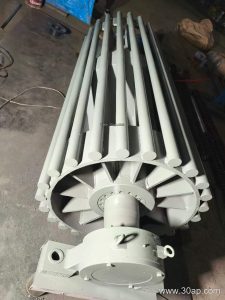
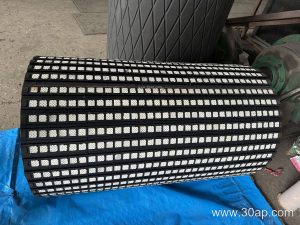
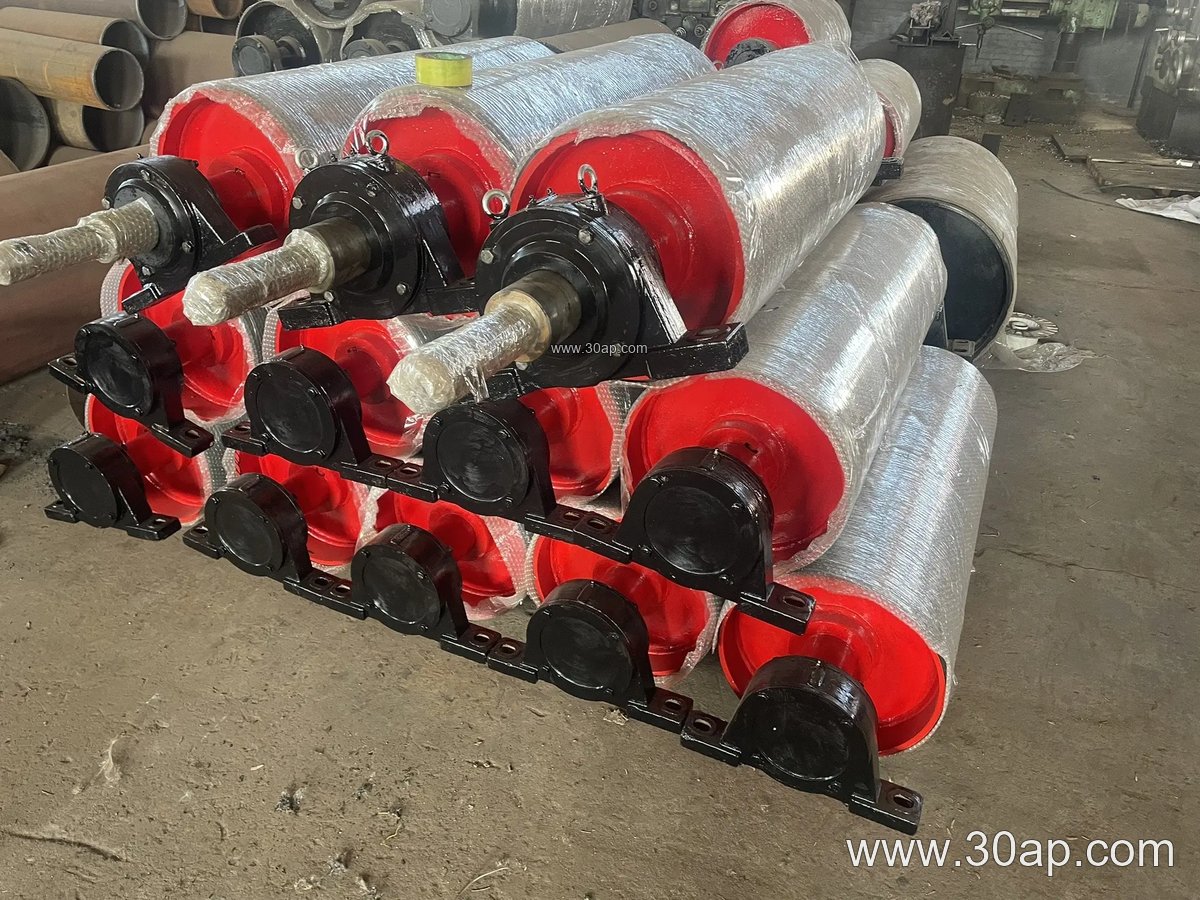
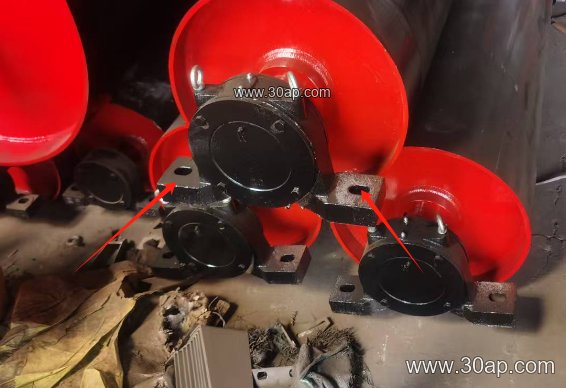
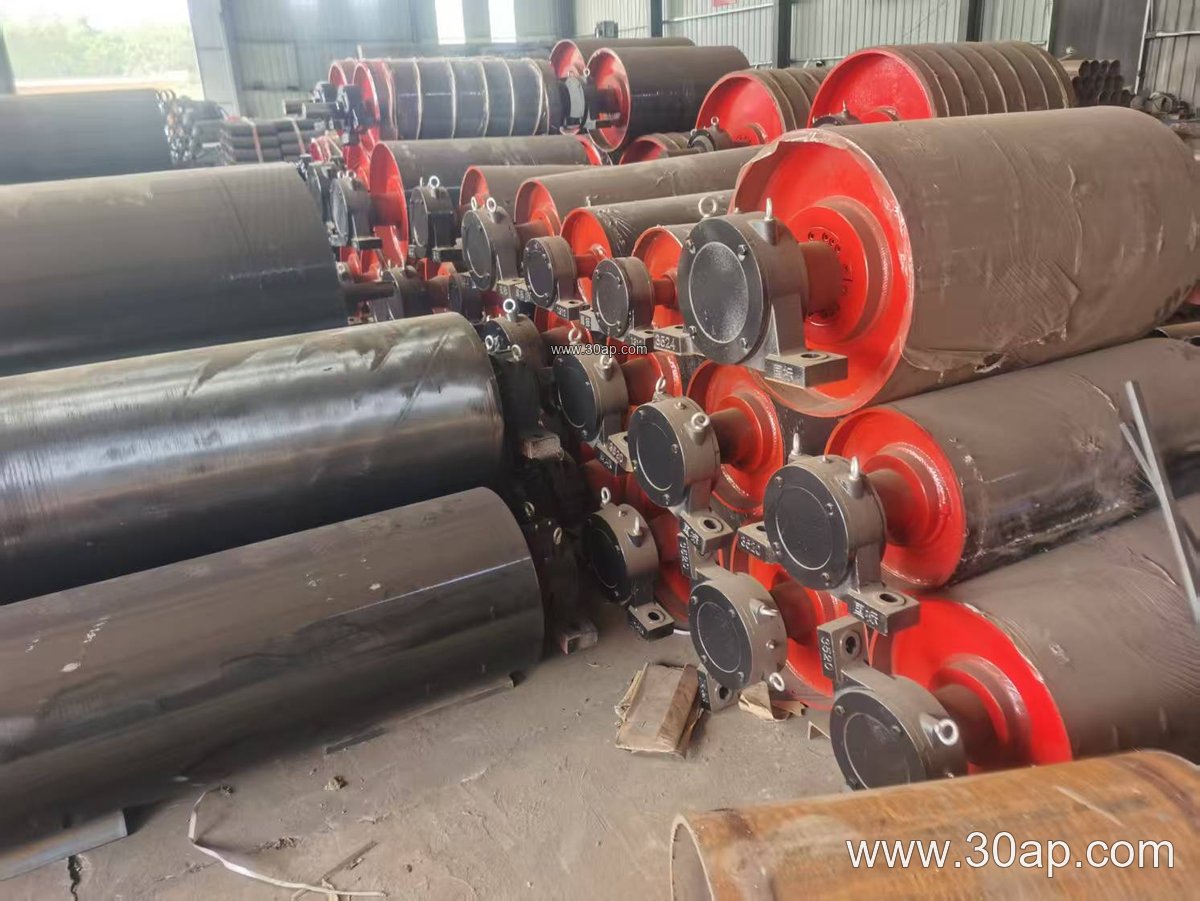
A typical 500mm diameter conveyor pulley consists of a steel shell, end discs, a through shaft, bearing housings, and optional lagging. The shell is usually machined from seamless pipe or rolled plate, with the outside diameter turned to 500mm. End discs are welded to the shell and bored to accept the shaft. Shaft diameters commonly range from Ø80 to Ø160, but the exact size is determined by torque and radial load, not by belt width alone. Bearings are selected according to the pulley’s duty cycle and can be greased or sealed for life. Lagging—rubber, ceramic, or diamond pattern—is applied to improve grip and extend service life in abrasive or wet conditions. The pulley is balanced dynamically to reduce vibration at operating speeds.
Where It Fits in a Conveyor
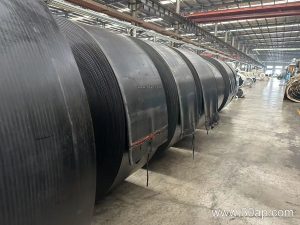
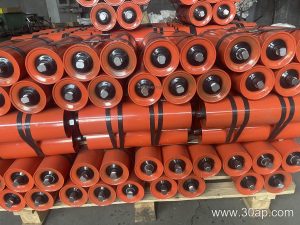
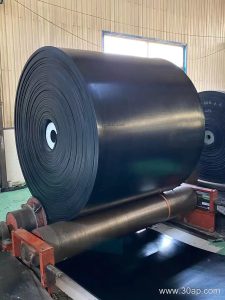
In a belt conveyor, the 500mm diameter conveyor pulley may serve as a head pulley at the discharge end, a tail pulley at the loading point, or a bend pulley that changes belt direction. It can also act as a tension pulley in take-up systems. The choice of position affects the pulley’s design: drive pulleys need higher torque capacity and often receive lagging, while bend pulleys may be lighter and use plain or lightly lagged surfaces. Regardless of position, the pulley must align with the conveyor bracket and idler roller frames to keep the belt tracking correctly. A 500mm diameter conveyor pulley is frequently paired with a fabric core conveyor belt or steel cord conveyor belt, depending on the tension required by the application.
Common Applications
This pulley size appears in quarry and aggregate conveyors, cement plant clinker lines, coal mining operations, power plant coal handling, and port bulk terminals. In a sand and gravel plant, a 500mm diameter conveyor pulley might be used on a secondary conveyor transferring crushed stone. In a coal preparation plant, it could be part of a flame retardant conveyor belt system where safety standards demand careful material selection. The 500mm diameter conveyor pulley is also found in recycling facilities and fertilizer handling, where moderate belt widths and loads are typical. Because the diameter is not tied to a single belt width, it can be used with B800, B1000, or B1200 belts, provided the conveyor design confirms compatibility.
Specifications and Selection Factors
When selecting a 500mm diameter conveyor pulley, buyers should consider belt width, belt tension, shaft load, and environmental conditions. The table below lists common reference values; actual specifications are determined by the conveyor designer.
| Parameter | Common Reference Range |
|---|---|
| Outside diameter | 500 mm (Ø500) |
| Belt width compatibility | B800, B1000, B1200 (not a fixed pairing) |
| Shaft diameter | Ø80 to Ø160 (by torque and load) |
| Lagging thickness | 8, 10, 12, 15, 20 mm |
| Lagging type | Plain, rubber lagging, diamond pattern, ceramic |
| Bearing type | Spherical roller bearing, sealed or greased |
Belt width and pulley diameter are related through the conveyor’s tension and wrap angle, but no single belt width requires exactly one diameter. For example, a B1000 belt might use a 500mm diameter pulley in a low-tension bend position, while a higher-tension drive may need a larger diameter. Shaft diameter must be calculated from the actual torque and bending moment; it should never be guessed from belt width alone.
Buyer Checklist
- Confirm the pulley’s role: drive, tail, bend, or tension. Each has different design priorities.
- Check the shaft diameter and bearing size against the conveyor’s load calculations.
- Specify lagging type and thickness based on material abrasiveness and moisture.
- Verify that the pulley face width matches the conveyor belt width, typically wider than the belt.
- Ensure the pulley bracket and idler roller spacing are compatible with the 500mm diameter.
- Ask for dynamic balancing reports for high-speed applications.
For more information on matching conveyor pulleys with rubber conveyor belt, EP conveyor belt, and steel cord conveyor belt, consult your conveyor system supplier. A properly selected 500mm diameter conveyor pulley helps maintain belt tension, reduce slippage, and support reliable material flow in demanding industrial environments.