What the ST1600 Conveyor Belt Is
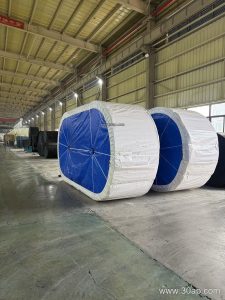
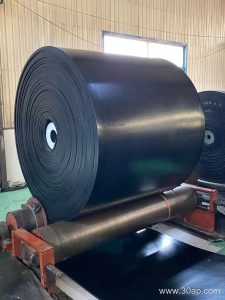
The ST1600 Conveyor Belt is a steel cord conveyor belt with a nominal tensile strength of 1600 N/mm per unit width. It belongs to the steel cord family, where the load-bearing skeleton is made of parallel steel cords instead of woven fabric plies. In plant and quarry language, this product is often called an ST1600 steel cord belt, and both names describe the same heavy-duty belt. It is a distinct strength class within the steel cord range, sitting above ST1250 and below ST2000, and it should not be confused with fabric-reinforced constructions such as an EP Conveyor Belt or an NN Conveyor Belt.
Because the cords carry tension with very little elongation, this belt suits long conveying distances, high tonnage and steady, high-tension operation. It is common in mines, coal preparation plants, cement works, power stations, ports and large sand and aggregate yards where a single flight may run several hundred meters.
How the Belt Is Built
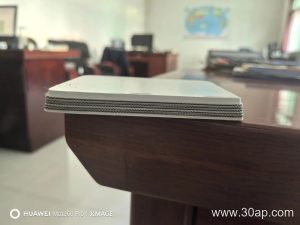
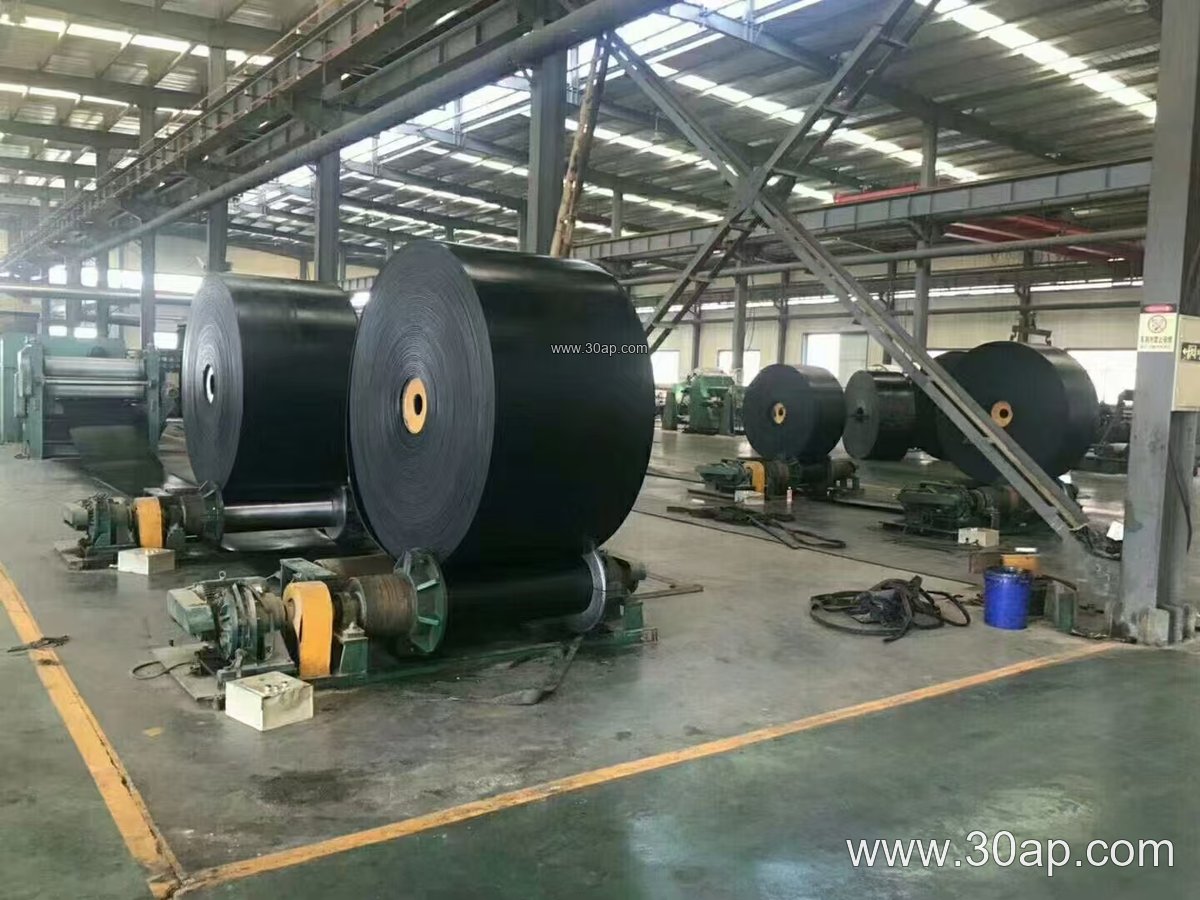
A typical ST1600 belt consists of a core of high-carbon steel cords arranged in one plane, sandwiched between top and bottom cover rubber. The cords are spaced at a defined pitch, and the rubber must bond tightly to each cord to transfer drive force without cord slip. Cover compounds are selected for the duty: abrasion resistant rubber for sharp rock and ore, heat resistant grades near clinker or sinter, flame retardant and anti-static grades for underground coal Mining Conveyor Belt duties, and oil resistant grades where lubricants or oily cargo are present.
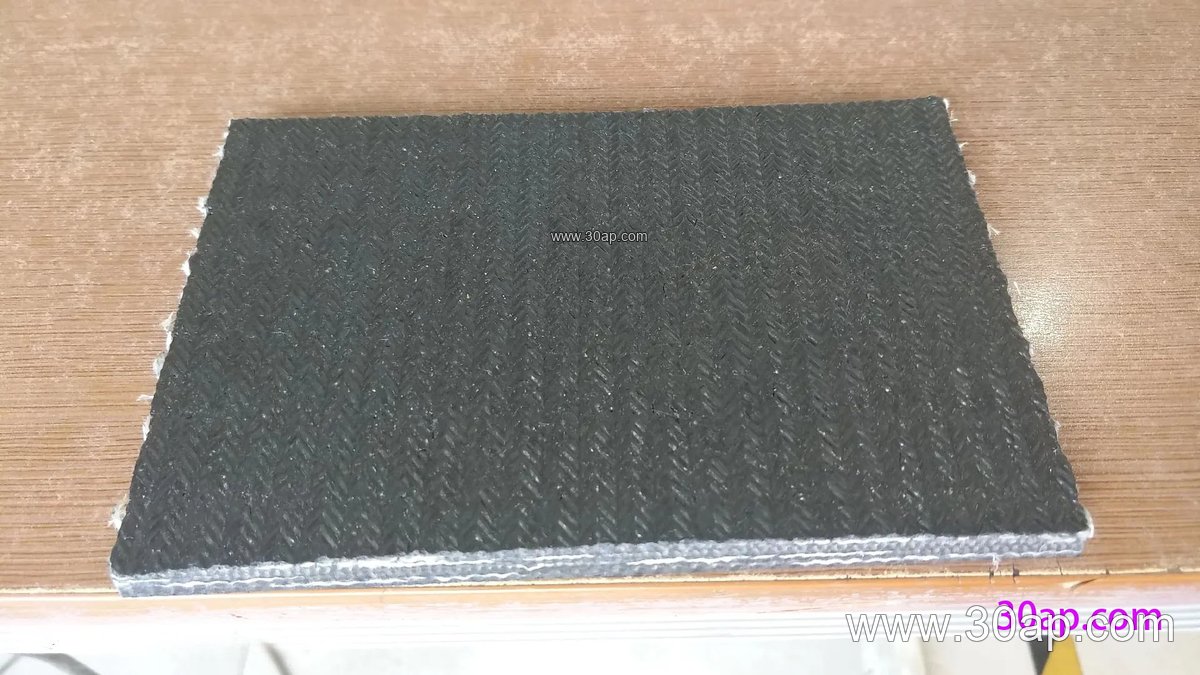
Common cover thickness combinations include 4+2 mm, 5+2 mm, 6+2 mm and 8+3 mm, with heavier covers used in high-impact transfer points. Belt edges may be cut square or molded, and the belt can be supplied as an Endless Conveyor Belt for critical joints or in open lengths for mechanical splicing. Splice quality matters greatly on steel cord belts, since the joint is usually the weakest point in the entire conveyor line.
Where It Fits in a Conveyor System
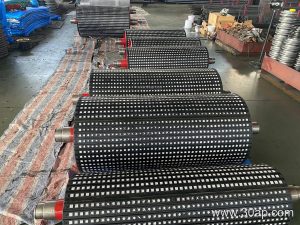
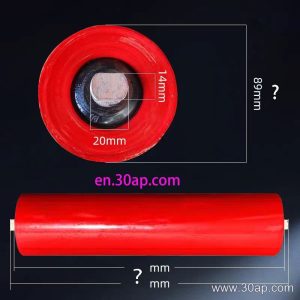
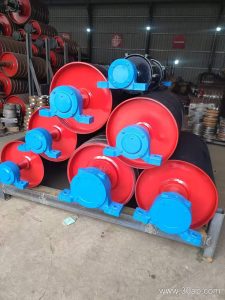
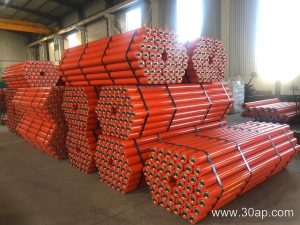
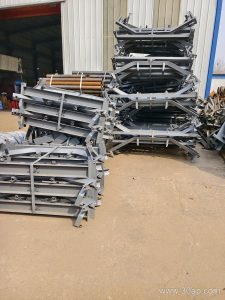
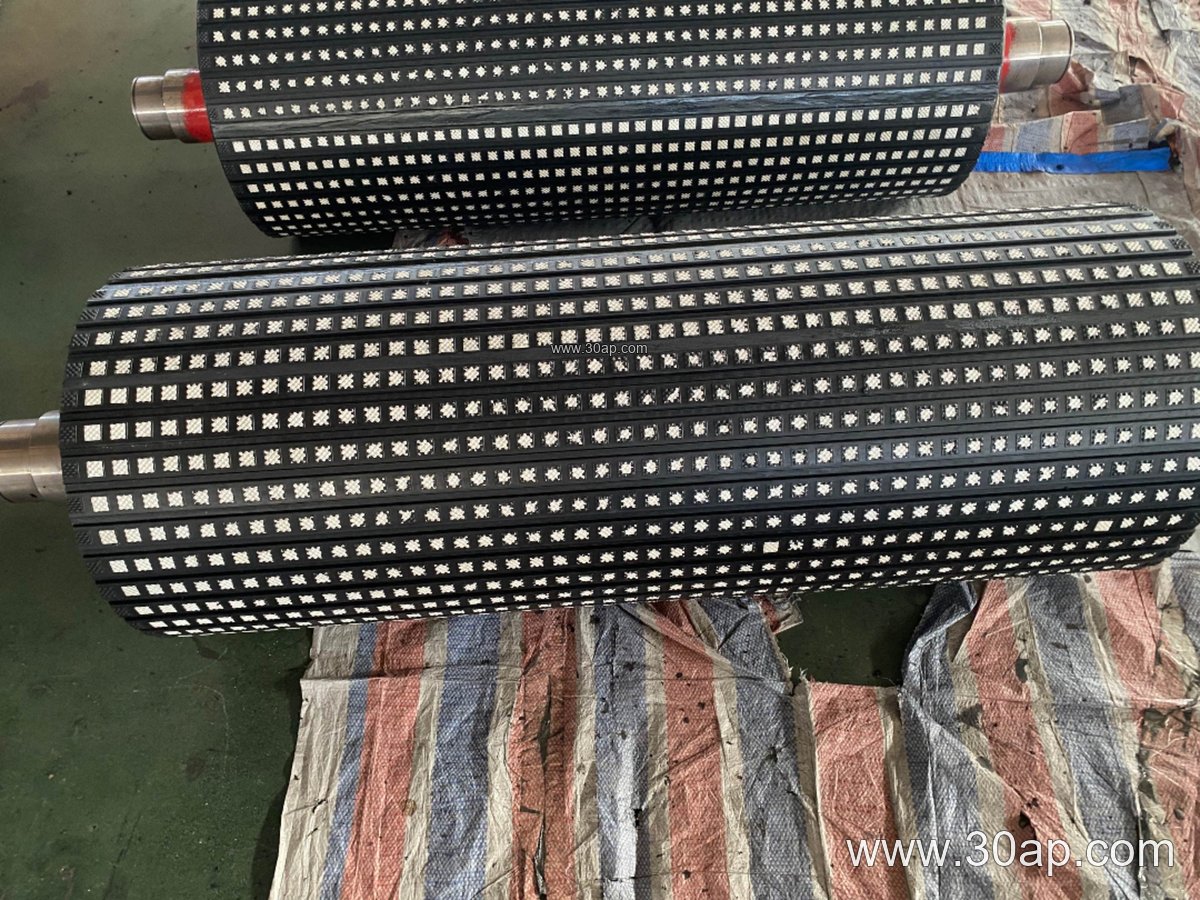
The belt runs over a conveyor pulley at the head and tail, supported by idler roller sets along the carry and return sides, all held by conveyor bracket frames. Drive, tail and bend pulleys have separate roles and are not interchangeable; the drive pulley transmits torque, the tail pulley returns the belt, and bend pulleys redirect it around curves or tensioning arrangements. Correct pulley diameter relative to belt thickness and cord pitch should be confirmed with the belt supplier, because undersized pulleys can fatigue the cords.
Typical duty areas include:
- Main haulage lines in metal mines and coal mines, including underground drifts
- Clinker and raw meal transport in cement plants
- Coal yard and boiler feed lines in power plants
- Primary and secondary crushing circuits in quarries and stone crushing plants
- Ship loading and stockyard conveyors at ports
In these settings the belt often works alongside a Chevron Conveyor Belt on inclined sections or a Corrugated Sidewall Conveyor Belt where steep, confined lifting is needed. Those are different constructions used for specific geometry, not substitutes for the ST1600 on a long horizontal run.
Specifications a Buyer Should Confirm
The table below shows reference values that are commonly discussed; final figures are set by design and may vary between manufacturers.
| Parameter | Common reference |
|---|---|
| Strength class | ST1600 (1600 N/mm) |
| Related classes | ST1000, ST1250, ST2000, ST2500 |
| Belt width | B800, B1000, B1200, B1400, B1600, B1800, B2000 |
| Cover thickness | 4+2, 5+2, 6+2, 8+3 mm |
| Cover grade | Abrasion resistant, heat resistant, flame retardant, oil resistant, cold resistant |
| Typical industries | Mining, coal, cement, power, quarry, port |
Belt width is matched to the required capacity and lump size, not to a single pulley diameter. A 1200mm or 1400mm belt may be used with different pulley sizes depending on tension and cord pitch, so the shaft and pulley dimensions must come from the conveyor design, not from the belt width alone.
Selection and Maintenance Notes
When specifying an ST1600 belt, provide the conveyor length, lift, capacity in tonnes per hour, material lump size, trough angle and the required cover grade. State whether the environment is a coal mine requiring flame retardant and anti-static properties or a dry quarry where a high abrasion resistant cover is the priority. Confirm the minimum pulley diameters and the splicing method with the belt maker before ordering.
During operation, check idler roller alignment, pulley lagging condition and belt tracking regularly. Steel cord belts tolerate high tension but are sensitive to edge damage and poor splices, so keep skirt rubber and chute liners from rubbing the surface. Storing belts in dry, shaded conditions and avoiding sharp folds protects the cords before installation.
For buyers comparing suppliers, ask for the cord pitch, cover compound data and splice procedure rather than only the strength class. A well-matched ST1600 belt, paired with properly sized conveyor pulley and idler roller components, gives reliable service in the toughest bulk handling duties.