Why Steep Conveying Needs a Different Idler Approach
When a conveyor line climbs at a steep angle, the belt no longer behaves like a flat carrying surface. Material tends to slide back, the belt may sag between frames, and the idler set has to keep the belt in a stable trough while the load presses harder against the rollers. A high-angle conveyor idler is the roller assembly used on these inclined sections, often in a deep trough configuration, to support the belt and keep bulk material centered on the incline. It is still an idler roller in the ordinary sense, but its position, trough angle, and mounting details are chosen for the steep duty rather than for a horizontal run.
On a quarry conveyor or a cement plant incline, the difference between a well-matched idler set and a poorly chosen one shows up quickly in belt tracking and spillage. The same applies in a power plant coal handling line or a sand and aggregate plant where the incline follows a crusher discharge.
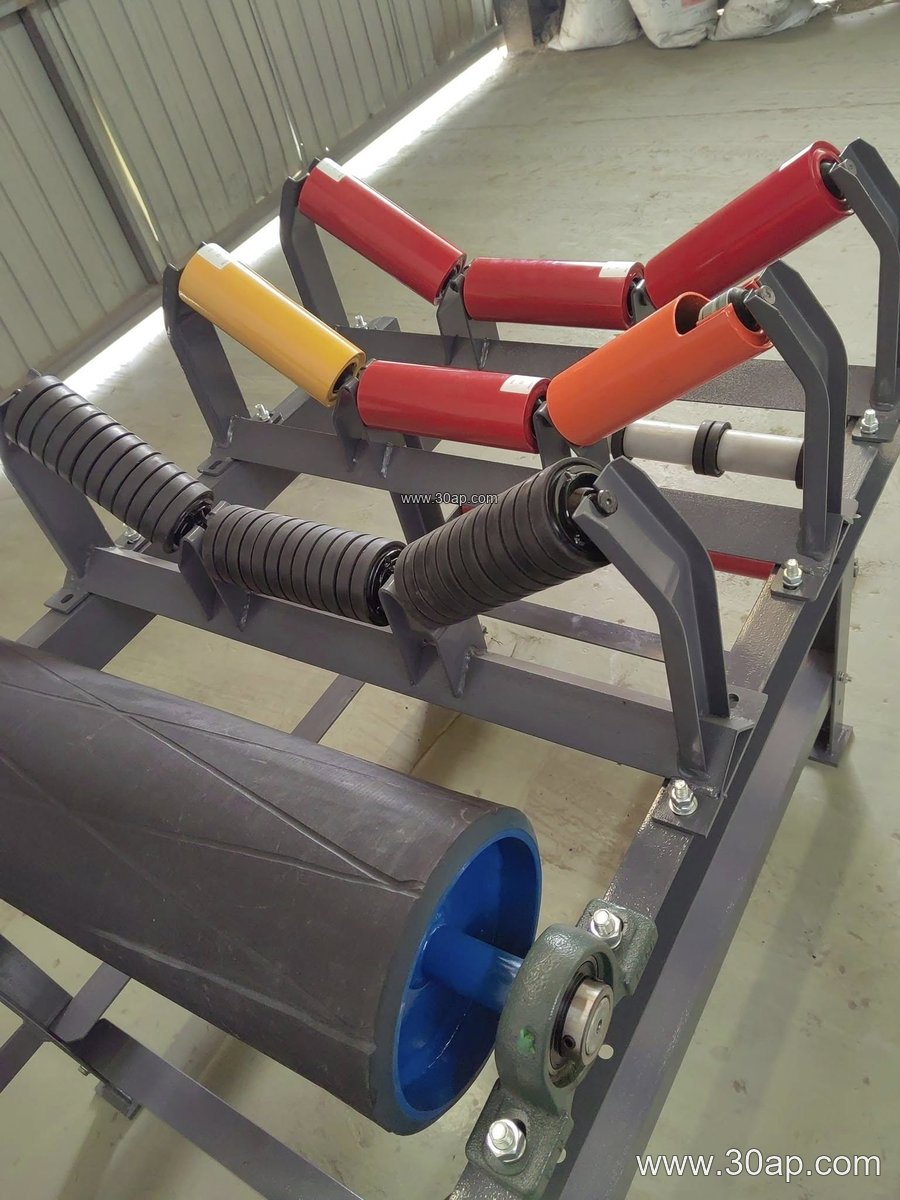
How the Assembly Is Built
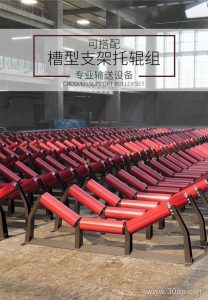
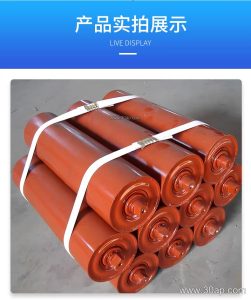
A high-angle conveyor idler normally appears as part of a troughing set: a center roller and two side rollers mounted on a common frame, with the side rollers angled upward to form a deep trough. The frame connects to the conveyor bracket on the stringer, and the rollers turn on bearings sealed against dust and fines. Roller shells are commonly steel tube, with nylon, ceramic, or rubber ring surfaces available where abrasion or material build-up is a concern.
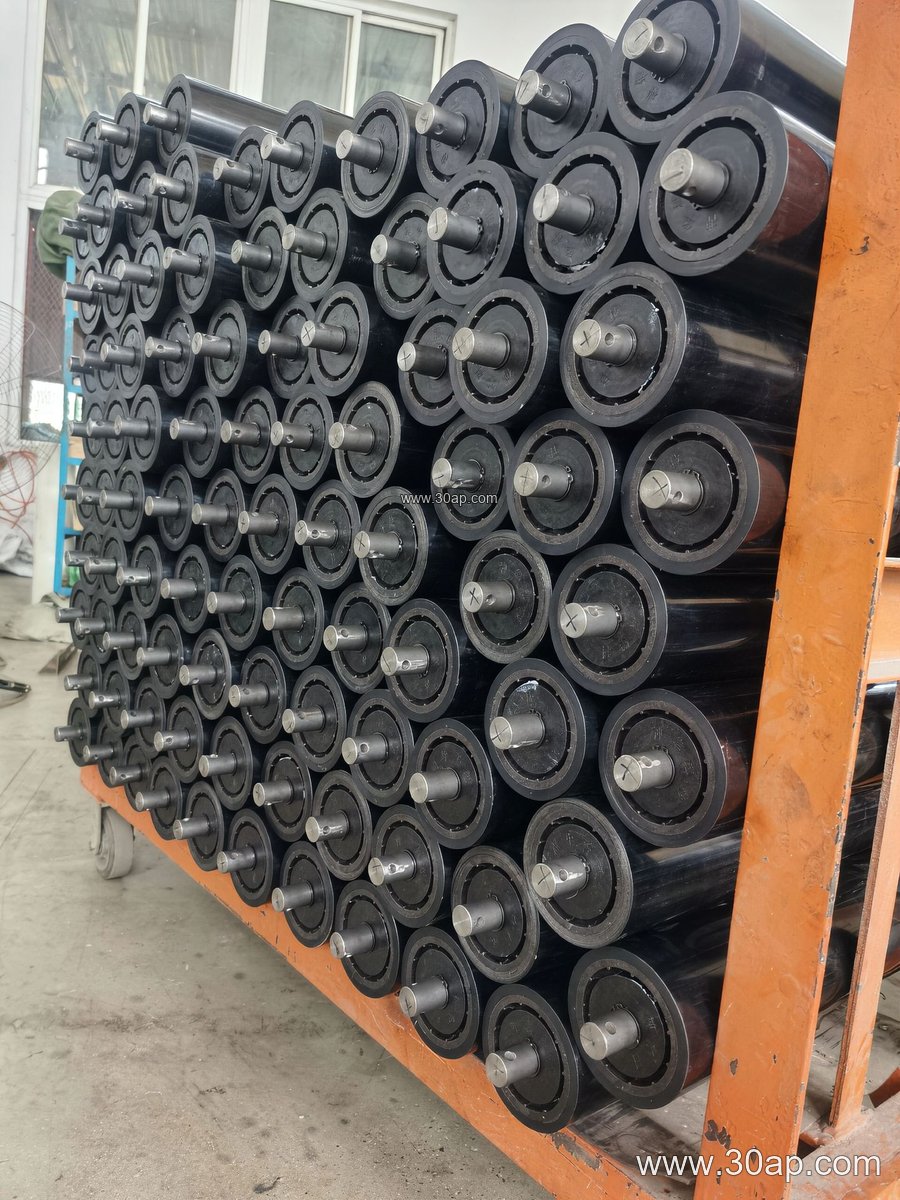
The trough angle is the key geometric feature. Standard troughing sets use 20, 30, or 35 degrees, while steep inclines often call for 45 degrees to hold the load more deeply. The roller length follows belt width, trough angle, and the number of rollers in the set; a three-roller set on a B1000 belt might use a center roll around 380 mm long, but side rolls and center rolls can differ, and the final length is set by the conveyor design rather than by a single rule.
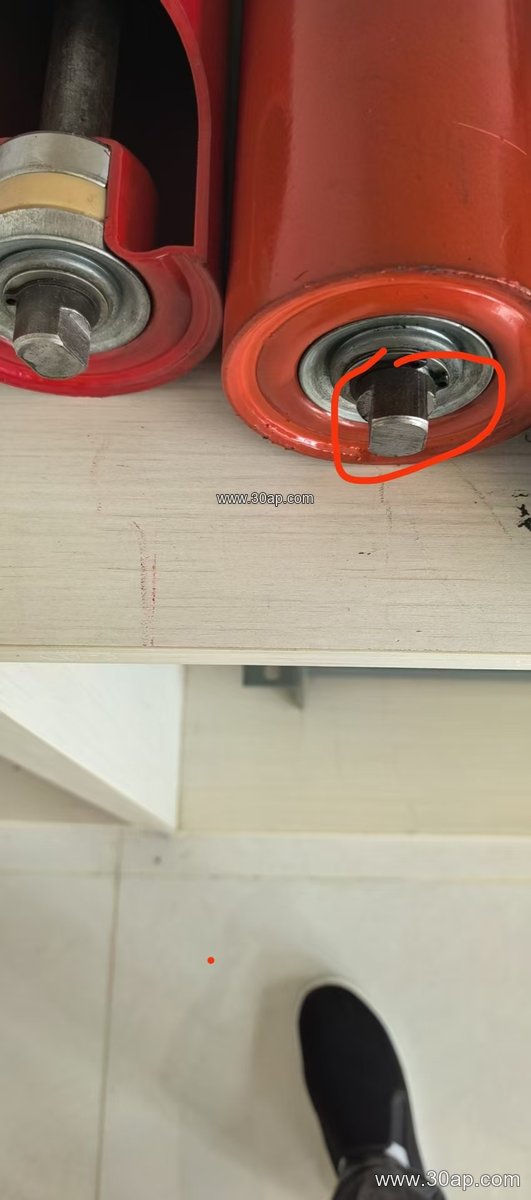
- Roller diameter commonly ranges from Ø63 to Ø219 depending on load and belt speed.
- Bearing sizes such as 6204, 6205, 6305, 6306, 6308, and 6310 appear across the range, matched to the roller and duty.
- Surface options include plain steel, nylon, ceramic, and rubber ring for impact or abrasion control.
Where It Fits on the Conveyor
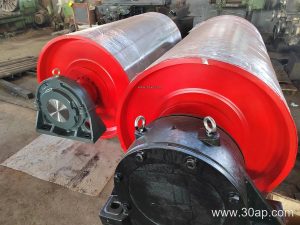
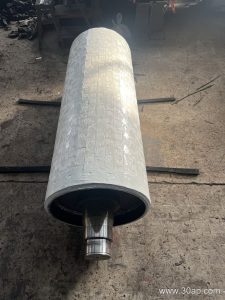
The high-angle idler is not a substitute for a drive pulley, tail pulley, or bend pulley; those are separate components that transmit power and change belt direction. The idler supports the belt between them. On a steep incline, the carrying-side troughing sets are spaced closely enough to limit belt sag, and transition idlers may be used where the belt moves from a flat pulley into the deep trough.
Typical locations include the inclined section after a crusher in a stone crushing line, the steep lift in a limestone mine, the incline feeding a stockpile at a port terminal, and the sloped gallery in a coal mining conveyor system. In these places the belt may be a heavy-duty mining conveyor belt, a flame retardant conveyor belt for underground work, or an abrasion resistant conveyor belt where sharp rock is present. The idler has to suit the belt and the load, not the other way around.
Matching Idler to Belt and Duty
Buyers should start with the belt width, the trough angle, and the expected load per meter. A 45-degree trough on a 1200mm wide conveyor belt behaves differently from a 30-degree set on the same belt, and the idler frame must match the bracket spacing on the stringer. Roller diameter should be chosen for load and speed; larger diameters generally handle heavier loads and reduce rolling resistance, but they also raise the belt line and require compatible brackets.
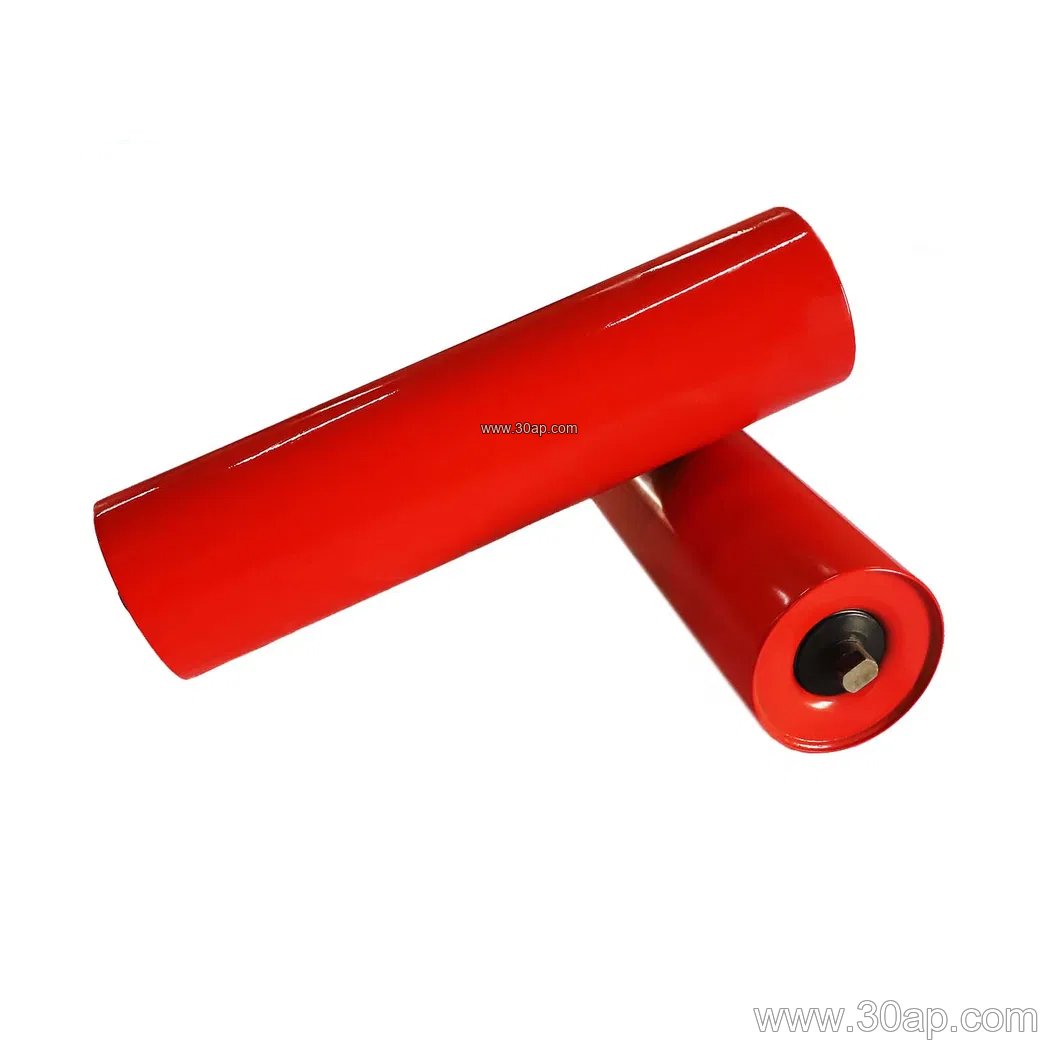
Sealing matters on steep inclines because fines tend to migrate along the belt. Labyrinth seals and good bearing protection extend service life in dusty conditions such as a quarry conveyor or an ore conveyor. Where material impacts the belt at the load point, impact idlers or rubber ring rollers may be placed near the feed, while the high-angle troughing sets handle the incline itself.
Practical Checks Before Ordering
- Confirm belt width and the required trough angle for the incline.
- Check the roller length and frame dimensions against the existing conveyor bracket.
- Select roller diameter and bearing size for the load and belt speed.
- Choose the roller surface for the material: abrasive rock, wet coal, or hot clinker each calls for a different approach.
- Review idler spacing on the incline to control belt sag and material rollback.
For a steel plant conveyor or a fertilizer handling line, the same logic applies with different material properties. A supplier who asks about belt width, incline angle, and material type is usually a better partner than one who quotes a single size for every job.