What the EP1500 Conveyor Belt Is
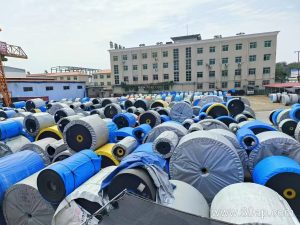
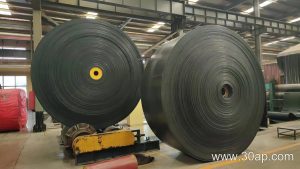
The EP1500 conveyor belt is a high-strength fabric core belt built around polyester (EP) plies. The number 1500 refers to the nominal tensile strength per unit width, so this belt sits among the stronger EP constructions used in bulk handling. It is an EP conveyor belt, often called an EP fabric core conveyor belt, and it is chosen when a single run has to carry heavy loads over long distances without the stiffness of a steel cord conveyor belt. In mines, cement works, power plants and large quarries, this class of belt keeps primary crushing and transport circuits moving.
Construction and Materials
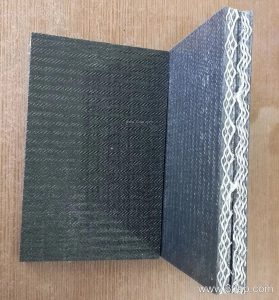
Inside the belt, polyester warp yarns and polyamide weft yarns are woven into plies and bonded with rubber skim. The carcass usually carries two to six plies depending on the duty, and the outer covers are compounded for the environment. Cover thickness is commonly quoted as top plus bottom, for example 5+2 mm or 6+2 mm, with heavier covers on abrasive rock duty. A fabric core conveyor belt of this strength balances flexibility with load capacity, which helps it track around conveyor pulleys without the bend resistance of steel cord.
| Property | Typical reference |
|---|---|
| Belt type | EP1500, multi-ply fabric core |
| Nominal strength | 1500 N/mm |
| Ply count | 3 to 6, by design |
| Width range | B800 to B2000, common |
| Cover options | Abrasion, heat, oil, flame retardant |
These figures are reference values; actual construction follows the application and the manufacturer’s data sheet.
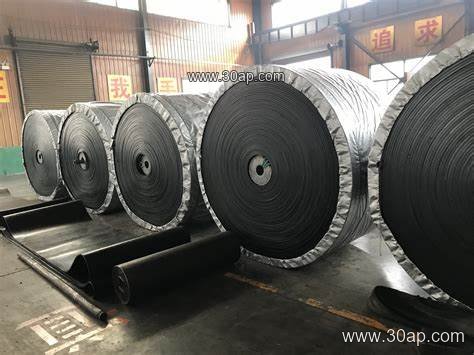
Where It Fits in a Conveyor
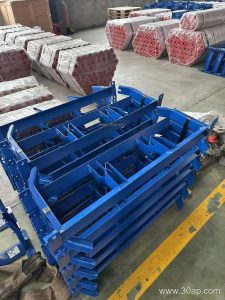
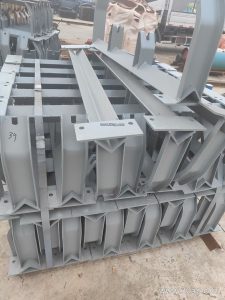
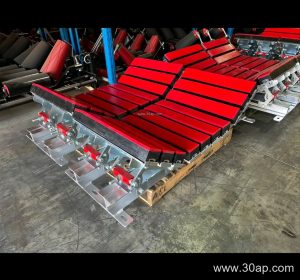
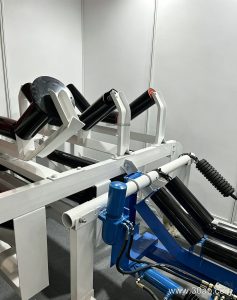
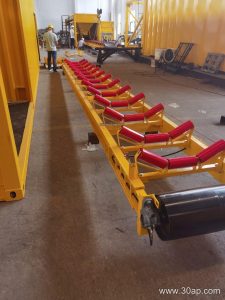
The belt is only one part of the line. Drive pulleys transmit torque, tail pulleys return the belt, and bend pulleys guide it through transitions. Idler rollers support the loaded strand, while conveyor brackets hold the idlers and pulleys in alignment. On a long overland or underground run, the EP1500 conveyor belt may work alongside a flame retardant conveyor belt in coal mining or an abrasion resistant conveyor belt in a quarry. Rubber conveyor belt covers protect the carcass from cutting and wear, and the right grade extends service life.
Applications Across Industries
This strength class appears in mining conveyor belts for ore and rock, in cement plants feeding clinker and limestone, in power plant coal handling, and in port and ship loading systems. A crusher conveyor belt often needs high impact resistance at the loading point, while a bulk material conveyor belt on a long incline needs steady tension. In sand and gravel operations, an aggregate conveyor belt of EP construction is common. Where the environment is wet or oily, an oil resistant or cold resistant grade may be specified. The same carcass can be supplied with chevron or corrugated sidewall profiles when the route is steep.
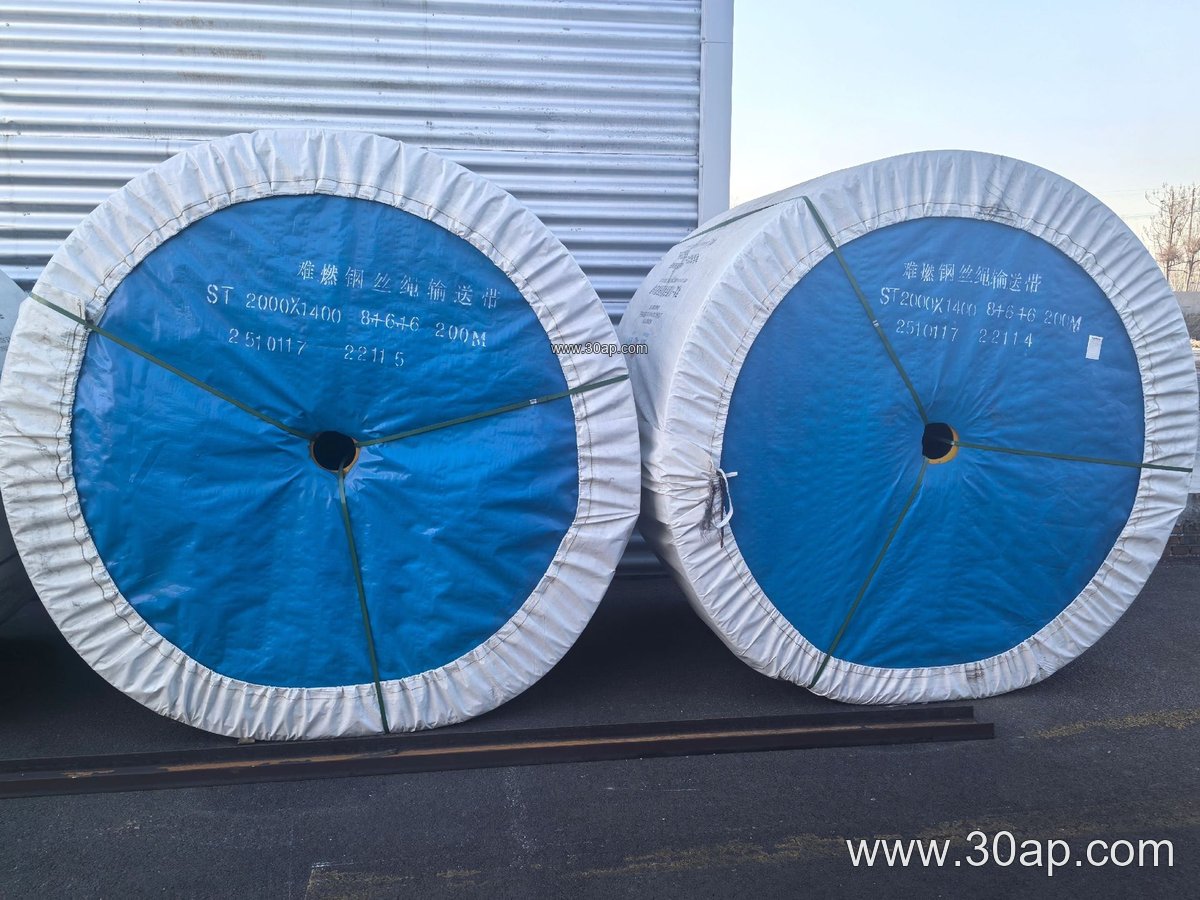
Selection and Sizing Notes
Buyers should match belt strength to the calculated tension, not to a single rule of thumb. Belt width and pulley diameter are separate decisions: a 1200mm wide conveyor belt does not force one particular pulley size, and shaft diameter comes from the pulley design and load, not from belt width alone. Check the transition distance, troughability and minimum pulley diameter recommended for the ply count. For heavy-duty mining conveyor belts, confirm cover grade, ply number, and whether the splice will be vulcanized or mechanical.
Maintenance and Belt Care
Keep idler rollers turning freely and inspect pulleys for build-up. Misalignment at the tail or bend pulleys can cause edge damage on any fabric core belt. Store spare rolls away from sunlight and moisture, and track wear at loading points where impact is highest. A schedule of visual checks on covers, edges and splices will usually reveal problems before a stoppage.
For more information on EP1500 conveyor belt options, visit www.example.com/ep1500-conveyor-belt and compare grades for your conveyor system.