What an Idler Bearing Does
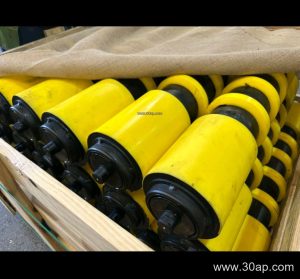
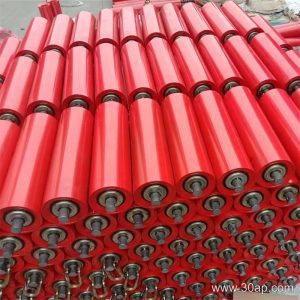
An idler bearing is the small but critical component inside a conveyor idler roller that allows the roller to spin freely under the belt. Without a reliable bearing, the roller would drag, wear the belt, and increase power consumption. In a typical conveyor, dozens or even hundreds of idler rollers support the belt, and each one depends on its bearing to keep friction low. The bearing sits inside the roller shell, often protected by a seal, and is mounted on a shaft that connects to the conveyor bracket. While the idler roller is the visible part, the bearing is the hidden heart that determines how smoothly the system runs.
Construction and Common Types
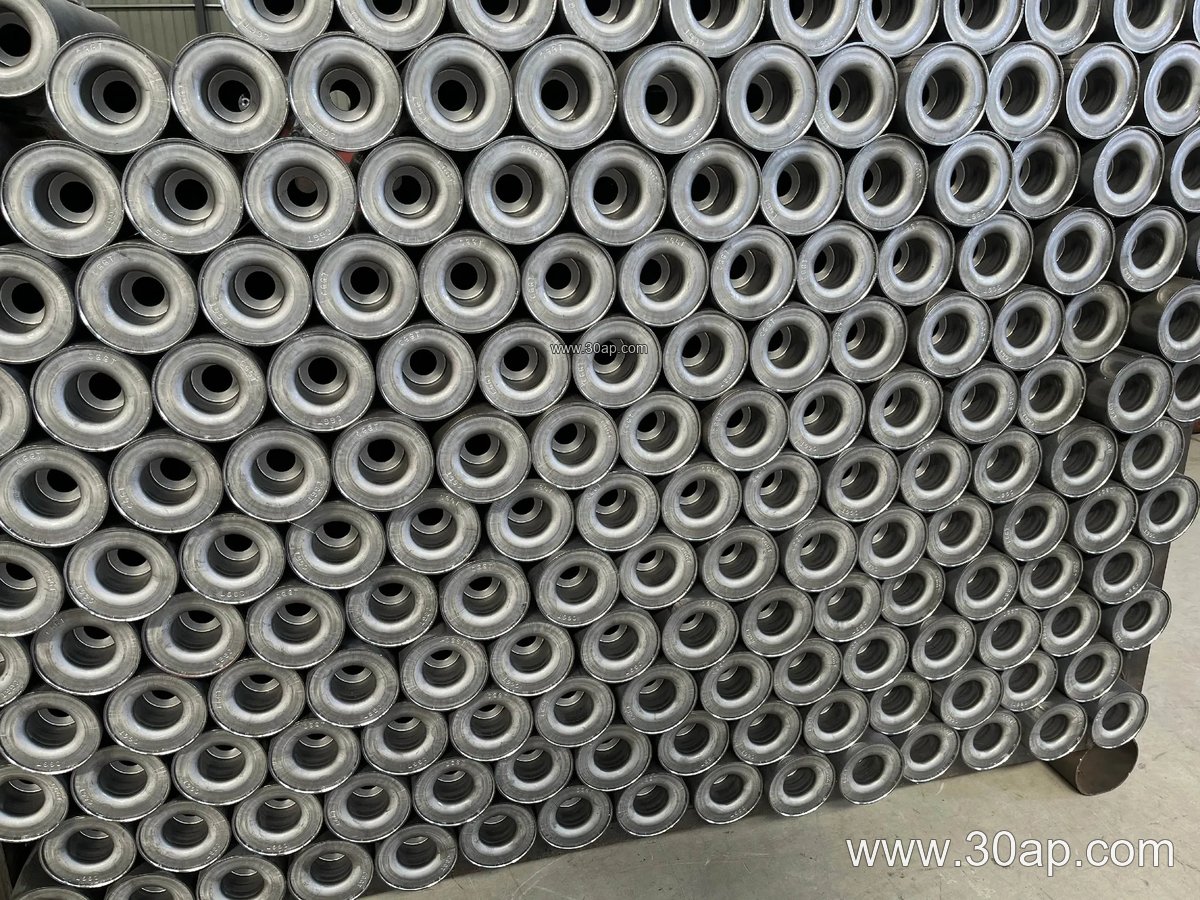
Most idler bearings are deep groove ball bearings, known for their versatility and ability to handle both radial and axial loads. Common sizes include 6204, 6205, 6305, 6306, 6308, and 6310, but the choice depends on the roller diameter, load, and speed—not on a fixed pairing. For example, a larger roller might use a 6308 bearing, while a smaller one could use a 6205. The bearing is usually press-fitted into the roller end, with seals on both sides to keep out dust and moisture. In mining and quarry environments, where dust and grit are constant, effective sealing is vital. Some idler rollers use nylon or ceramic coatings on the shell to resist wear, but the bearing itself must remain clean and lubricated. The bearing housing is often designed with a labyrinth seal or a triple-lip seal to extend service life.
Bearing Sizes and Roller Diameters
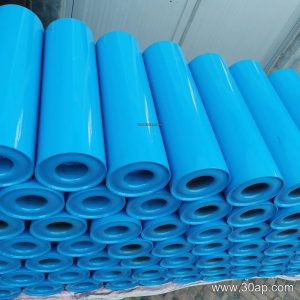
Idler rollers come in various diameters, such as Ø63, Ø76, Ø89, Ø102, Ø108, Ø127, Ø133, Ø159, Ø178, Ø194, and Ø219 mm. The bearing size must match the shaft and load requirements. A common mistake is to assume a specific bearing for a given roller diameter; instead, engineers select bearings based on load rating, speed, and environmental conditions. For instance, a heavy-duty application in a coal mining conveyor might use a 6308 bearing in a Ø159 roller, while a lighter aggregate conveyor could use a 6205 in a Ø108 roller. Always consult the idler manufacturer’s specifications for the correct bearing fit.
Where Idler Bearings Are Used
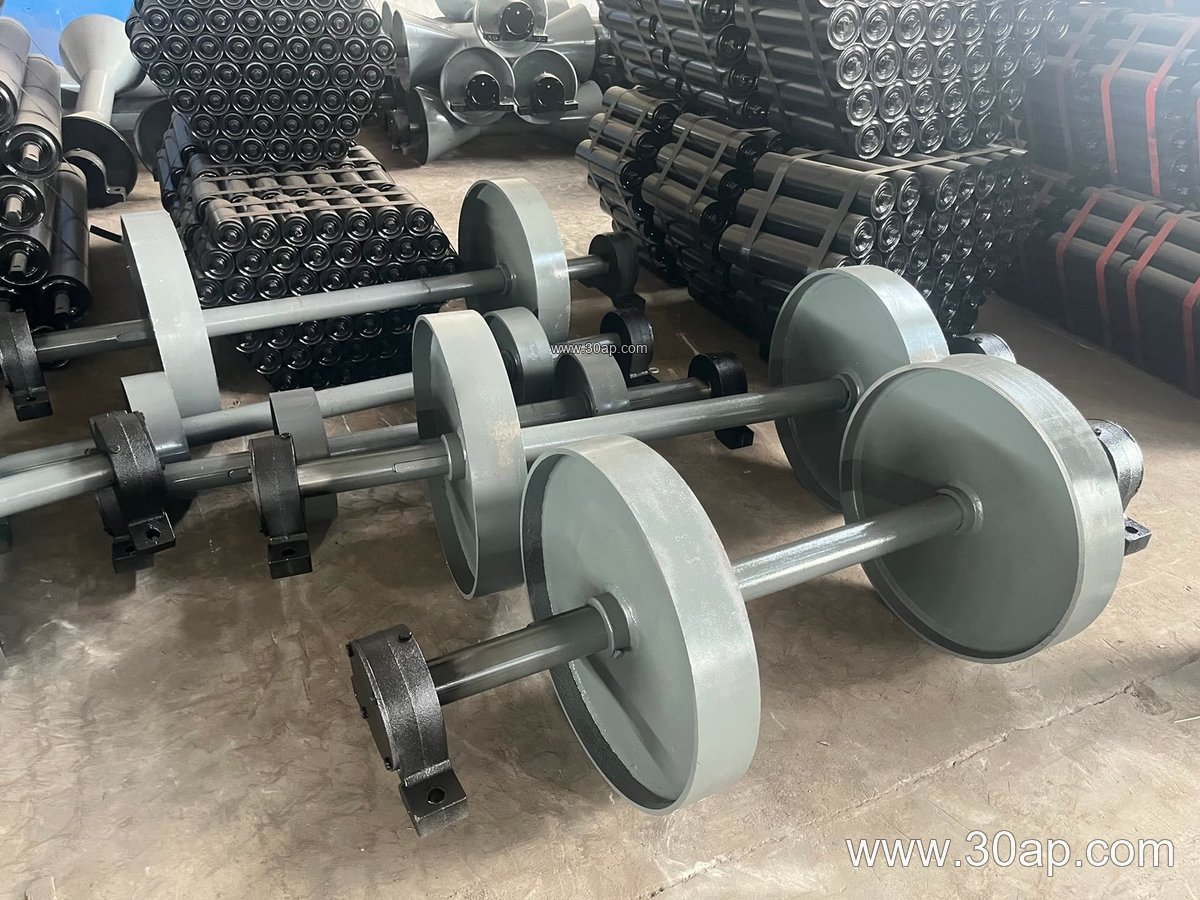
Idler bearings are found in virtually every belt conveyor system. In a quarry or sand and gravel plant, they support the belt on the carrying side and return side. In a coal mining conveyor, they must withstand abrasive dust and occasional water. Cement plants use them in clinker and raw material handling, where heat and fine powder are present. Power plant coal handling systems rely on idler bearings to keep belts moving efficiently. Even in port facilities and steel mills, idler bearings are essential for continuous operation. The bearing’s performance directly affects the entire conveyor’s reliability, from the drive pulley to the tail pulley.
Selection and Maintenance Tips
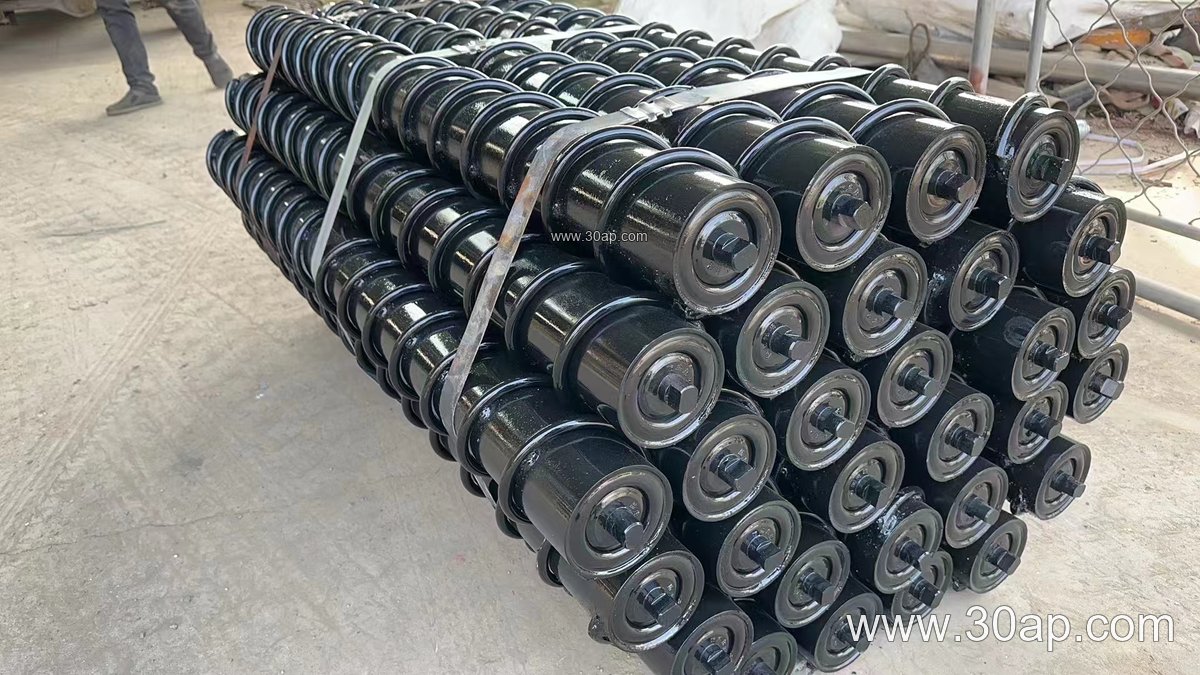
When choosing idler bearings, consider the load, speed, and environment. For dusty conditions, choose bearings with effective seals. For high-temperature areas, special lubricants or heat-resistant bearings may be needed. Regular maintenance includes checking for excessive noise, vibration, or temperature rise, which can indicate bearing failure. Lubrication intervals vary by application; sealed bearings often require no additional grease, but some designs allow relubrication. Inspect idler rollers periodically for worn shells or damaged seals, as these can lead to premature bearing failure. Replacing a failed bearing early prevents belt damage and costly downtime.
Compatibility with Conveyor Components
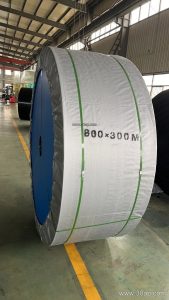
Idler bearings must work in harmony with other conveyor parts. The conveyor bracket holds the idler in place, and the belt rides on the roller. A misaligned bracket can cause uneven bearing load and rapid wear. Similarly, the drive pulley and tail pulley must be properly aligned to avoid side forces on the idler bearings. When specifying idler bearings, ensure they match the shaft diameter and the roller’s internal dimensions. Common conveyor belt widths like 500mm, 650mm, 800mm, and 1000mm influence the idler roller length and, indirectly, the bearing load. For wider belts, such as 1200mm or 1400mm, heavier rollers with larger bearings are typical. Always refer to the conveyor design manual for the correct bearing selection.
Buyer’s Checklist
- Verify the bearing size and type recommended for your idler roller model.
- Check the seal design for your environment (dust, water, heat).
- Confirm the bearing’s load rating matches the conveyor capacity.
- Ensure compatibility with the conveyor bracket and shaft.
- Plan a maintenance schedule for inspection and replacement.
Understanding the idler bearing’s role helps buyers make informed decisions, reducing downtime and extending conveyor life. Whether in a mining conveyor belt system or a cement plant, the right bearing keeps everything rolling smoothly.