What a Mining Conveyor Bracket Actually Does
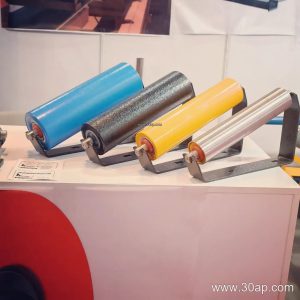
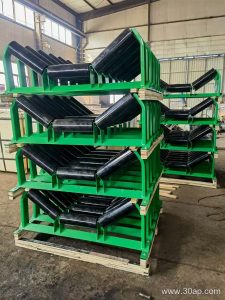
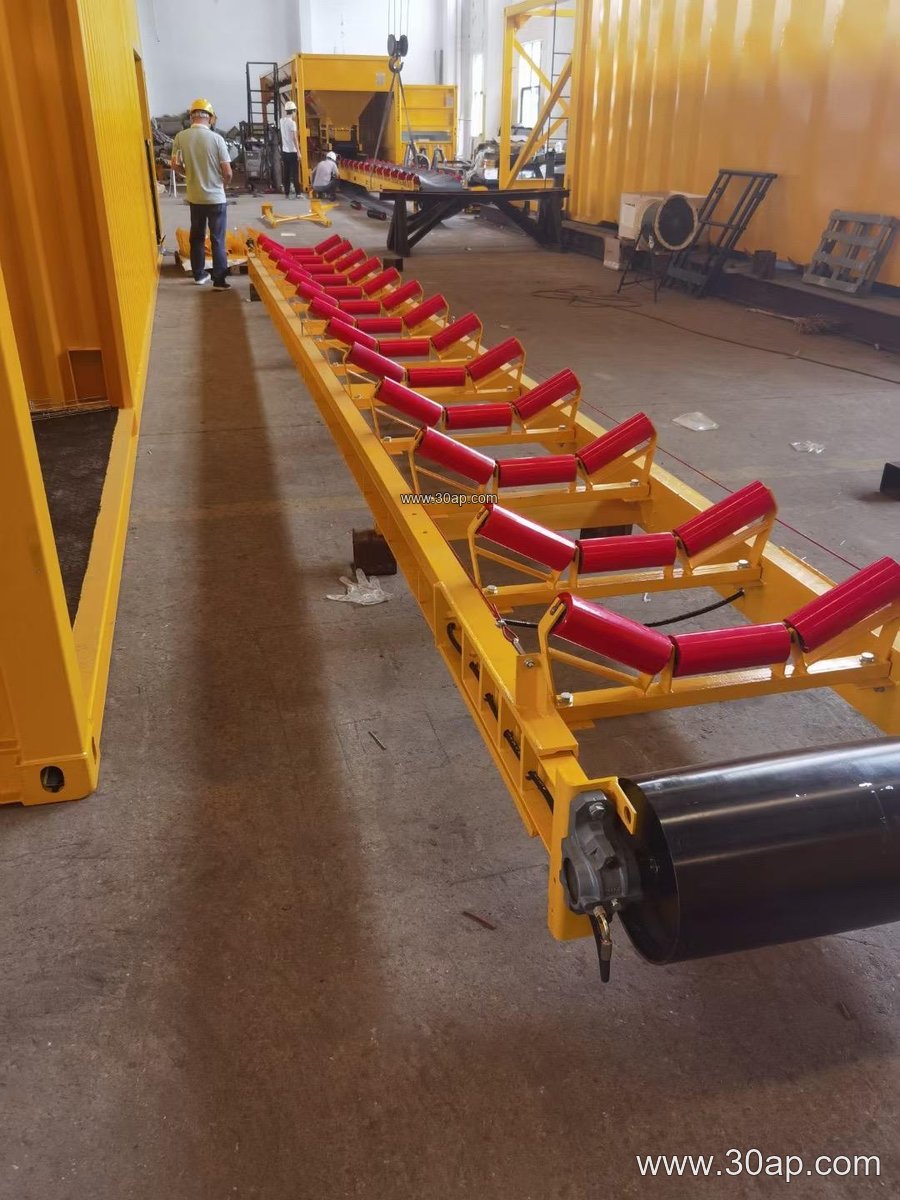
A mining conveyor bracket is the structural frame that holds the idler rollers in position along a conveyor system. It sits between the belt and the main stringer or frame, carrying the weight of the loaded belt and keeping each roller at the correct angle and spacing. In a quarry, a coal preparation plant, or a power station coal yard, these brackets are the quiet workhorses that determine whether a conveyor runs true or wanders off track.
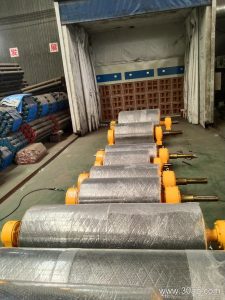
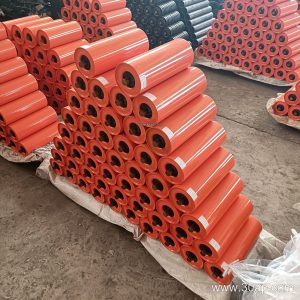
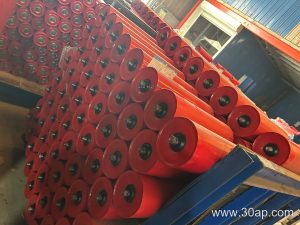
The bracket is often called a conveyor idler bracket or roller support bracket, and the name refers to the same component. It is not a pulley and should never be treated as one. Drive pulleys, tail pulleys, and bend pulleys transmit power or change belt direction, while the bracket simply supports the troughing or return rollers that guide the belt.
How the Bracket Is Built
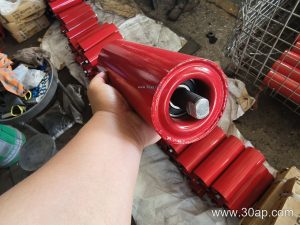
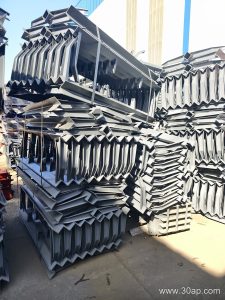
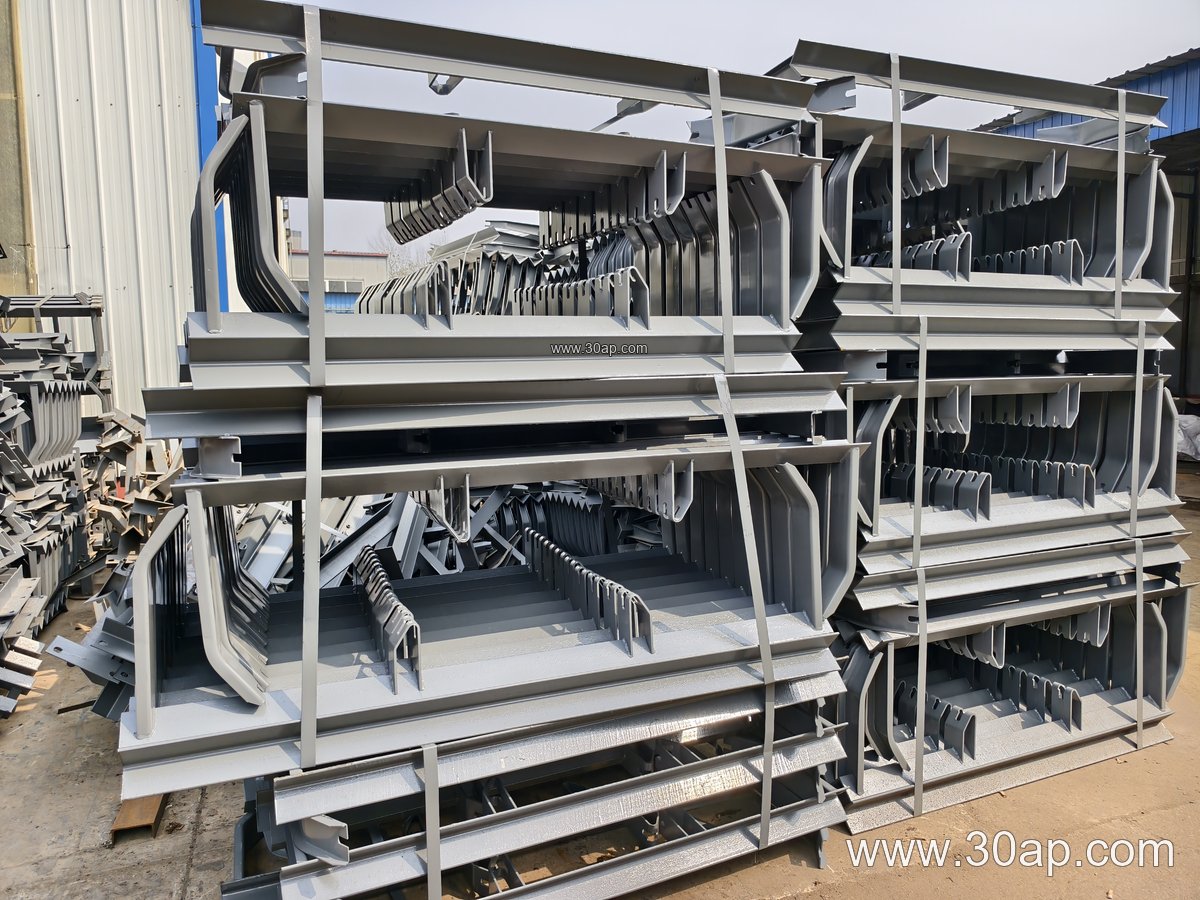
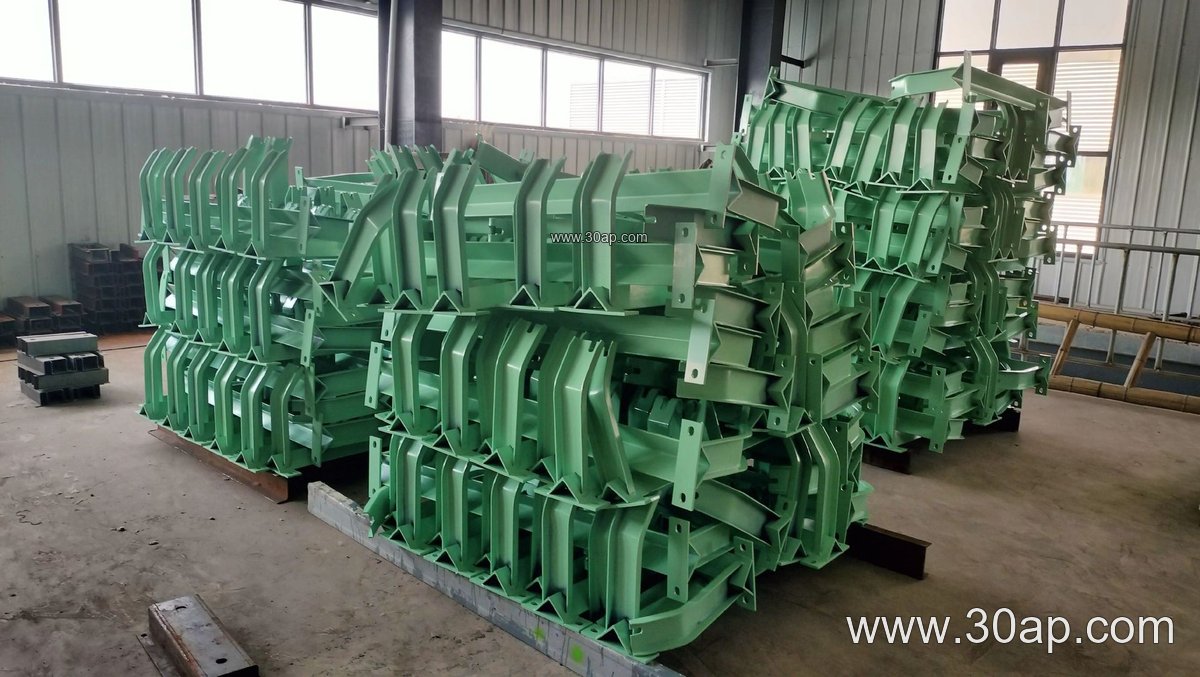
Most brackets are fabricated from angle steel, channel steel, or folded steel plate. The material choice depends on load and environment. A heavy-duty mining conveyor bracket in an iron ore or copper ore operation may use thicker channel sections, while a lighter aggregate conveyor bracket on a sand and gravel line can use folded plate. Welding quality and hole alignment matter more than the raw steel grade, because a twisted bracket throws every roller out of line.
Common bracket types include troughing brackets, transition brackets, return brackets, V-return brackets, impact brackets, self-aligning brackets, and adjustable brackets. Each has a distinct job. A transition bracket, for example, supports the belt as it changes from flat to troughed, while a self-aligning bracket helps correct belt drift. These are different components and are not interchangeable with one another.
Trough Angle, Belt Width, and Roller Diameter
Buyers often ask how trough angle relates to belt width. There is no single rule that ties one belt width to one angle or one roller diameter. The table below shows typical reference combinations, not fixed matches.
| Belt Width | Common Trough Angle | Typical Roller Diameter | Typical Use |
|---|---|---|---|
| B500 | 20 to 30 degrees | Ø89 | Light aggregate lines |
| B650 | 30 degrees | Ø89 to Ø108 | Small quarry conveyors |
| B800 | 35 degrees | Ø108 | General bulk material handling |
| B1000 | 35 to 45 degrees | Ø108 to Ø133 | Cement and coal plants |
| B1200 | 35 to 45 degrees | Ø133 | Heavy-duty mining conveyors |
| B1400 | 35 to 45 degrees | Ø133 to Ø159 | Iron ore and port terminals |
| B1600 | 35 to 45 degrees | Ø159 | Large tonnage lines |
| B1800 to B2000 | 35 to 45 degrees | Ø159 to Ø194 | High capacity bulk systems |
Adjustable brackets allow the trough angle to be changed within a range such as 20, 30, 35, or 45 degrees. Forward-tilted brackets usually lean about 1.5 to 2 degrees to help center the belt. Installation hole spacing and crossbeam length vary with belt width and trough angle, so they are determined by design rather than by a universal number.
Where These Brackets Are Used
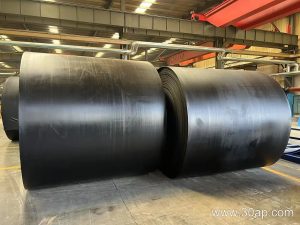
You will find mining conveyor brackets in limestone mines feeding crushers, in coal washing plants where flame retardant conveyor belts run underground, and in cement plants moving clinker on heat resistant conveyor belts. A steel plant may use them under sinter lines, while a port terminal relies on them beneath a long overland conveyor carrying ore. The bracket must match the belt and roller it supports, whether that is a rubber conveyor belt, an EP conveyor belt, or a steel cord conveyor belt on a high-strength installation.
In dusty or wet conditions, self-aligning and impact brackets earn their place. Impact brackets absorb shock at transfer points, and V-return brackets help keep the return strand clean. For abrasive loads such as iron ore, pairing a sturdy bracket with an abrasion resistant conveyor belt and quality idler rollers extends service life.
What Buyers Should Check
- Confirm the bracket type matches the roller position: troughing, return, transition, or impact.
- Check belt width, trough angle, and roller diameter as a set, not in isolation.
- Ask for the mounting hole spacing and crossbeam length rather than assuming them.
- Match steel thickness and finish to the site: washdown, dust, or high impact.
- Ensure brackets align with the conveyor pulley centers so the belt tracks correctly.
For anyone sourcing components, it helps to review the full belt line together. A bracket that fits a 1200mm wide conveyor belt with a 35 degree trough and Ø133 rollers will not suit a 650mm line, and the conveyor pulley, idler roller, and conveyor bracket should always be specified as one system. Buyers comparing suppliers often check bracket drawings alongside EP conveyor belt or steel cord conveyor belt data to confirm the whole line works together.