What the Head Pulley Does on a Conveyor
The belt conveyor head pulley sits at the discharge end of the conveyor and is the component that actually drives the belt in most installations. Because it both transmits torque and supports the belt at the point where material leaves the system, it is often called the drive pulley or, in some layouts, the discharge pulley. Whatever name is used, it is not the same as a tail pulley or a bend pulley, and those parts cannot be swapped into this role without changing the whole drive arrangement.
On a typical stone crushing line or a cement plant clinker conveyor, the head pulley pulls the loaded belt toward the discharge chute, so its diameter, lagging and shaft strength all influence belt tracking and throughput. In a coal mining conveyor or a power plant coal handling system, the same component must cope with abrasive dust and constant load. You can see more conveyor pulley options at cnmhconveyor.com.
Construction and Key Components
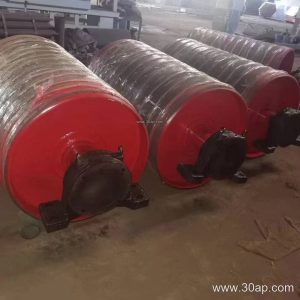
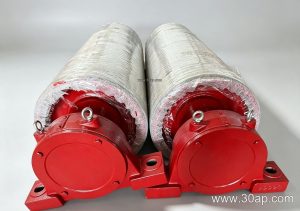
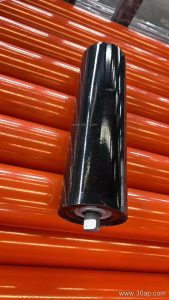
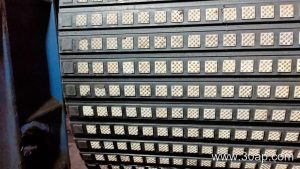
A belt conveyor head pulley is usually built around a steel drum shell with welded end discs, a shaft running through the center, and bearing housings mounted on a sturdy frame. The shell may be machined smooth or covered with rubber lagging. Common surface forms include plain finish, hot vulcanized rubber, cold bonded rubber, diamond grooving, herringbone grooving and ceramic lagging tiles. Lagging thickness is often 8, 10, 12, 15 or 20 mm depending on the duty.
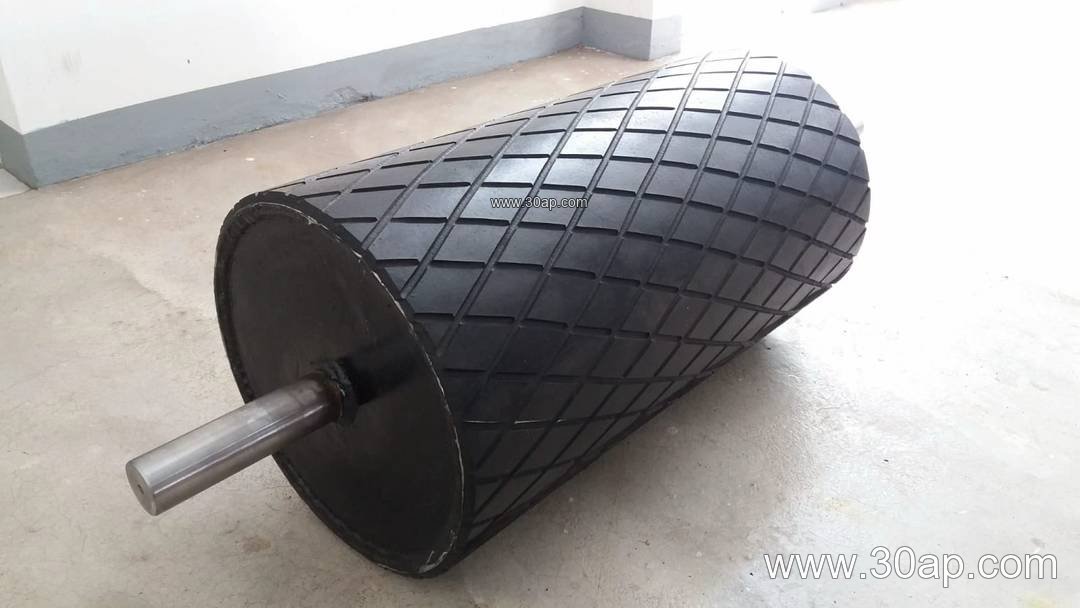
- Shell: rolled steel, sometimes with a crowned profile to assist tracking
- Shaft: sized by torque and load, with common diameters such as Ø100, Ø120, Ø140, Ø160 and Ø180
- Bearings and housings: selected for radial load and service life
- Lagging: rubber or ceramic, bonded to the drum face
- Conveyor bracket and frame: welded or bolted structure that ties the pulley to the conveyor stringers
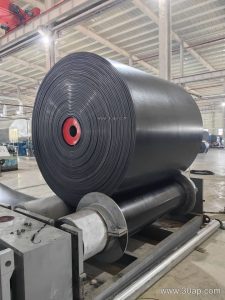
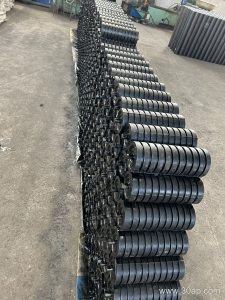
Because the head pulley works together with the conveyor belt, the idler roller set and the take-up system, alignment at installation matters as much as the drum itself.
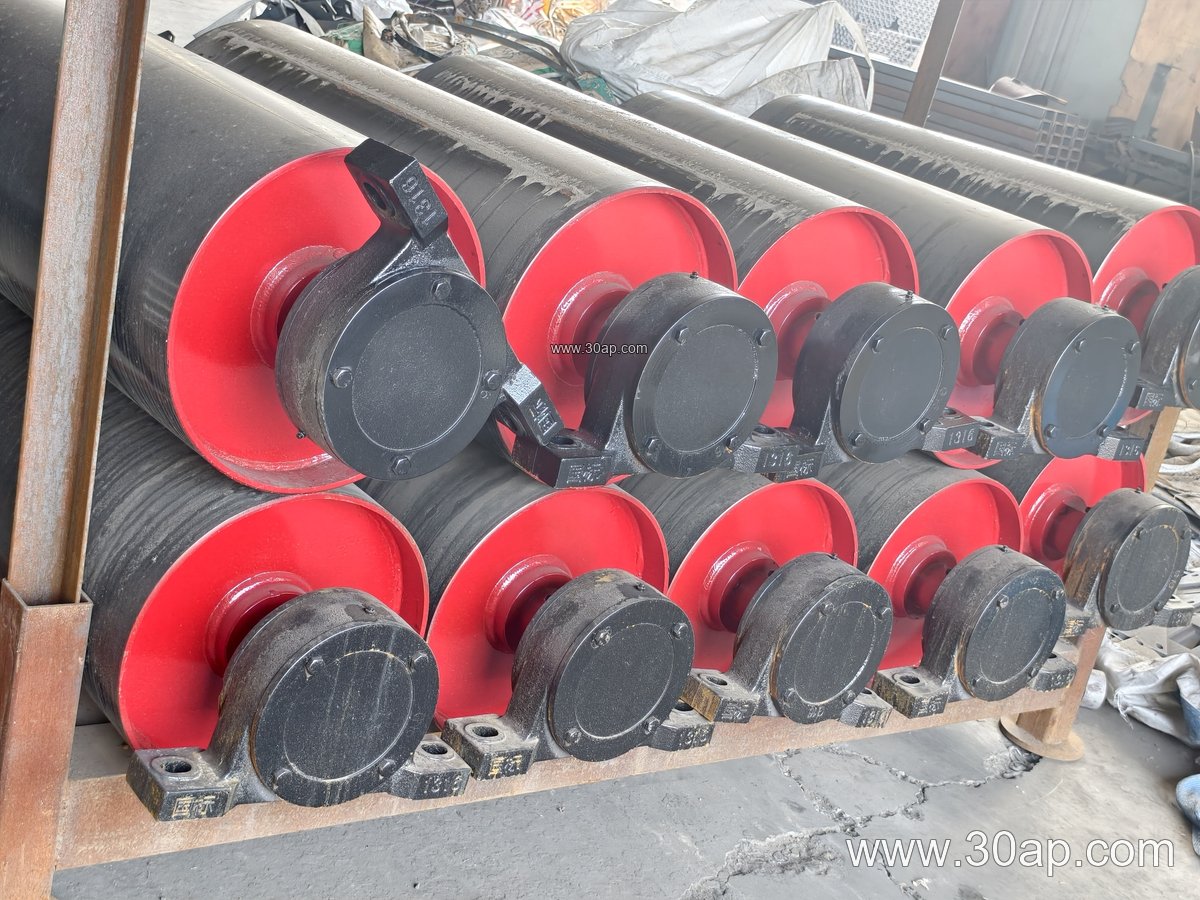
Typical Sizes and How They Are Combined
Drum diameter and face width are chosen from belt width, belt tension, pulley loading and the required wrap angle. A B800 belt is often paired with a Ø500 drum, and a B1200 conveyor may use Ø800 or Ø1000, but these are examples rather than fixed rules. The face width is normally a little wider than the belt, as shown below.
| Belt Width | Typical Pulley Face Width | Example Diameter |
|---|---|---|
| B400 | about 500 mm | Ø200 to Ø315 |
| B500 | about 600 mm | Ø250 to Ø400 |
| B650 | about 750 mm | Ø315 to Ø500 |
| B800 | about 950 mm | Ø400 to Ø630 |
| B1000 | about 1150 mm | Ø500 to Ø800 |
| B1200 | about 1400 mm | Ø630 to Ø1000 |
| B1400 | about 1600 mm | Ø800 to Ø1250 |
| B1600 | about 1800 mm | Ø1000 to Ø1400 |
| B1800 | about 2000 mm | Ø1250 to Ø1600 |
| B2000 | about 2200 mm | Ø1400 to Ø1800 |
Shaft diameter should not be guessed from belt width alone. It follows the calculated torque and the resulting bearing loads, so two conveyors with the same belt width can need different shaft sizes. When specifying a replacement, give the existing shaft diameter, keyway, bearing centers and lagging type.
Where It Is Used
Head pulleys appear wherever a belt must discharge material at the end of its run. In a quarry or aggregate plant they sit above the stockpile or the transfer chute; in a cement works they handle clinker and limestone; in a coal preparation plant they move washed coal toward loading points. The duty affects the choice of belt and lagging: a heavy-duty mining conveyor with a steel cord conveyor belt or a multi-ply fabric core belt will usually need a larger drum and stronger lagging than a light sand line running an EP conveyor belt.
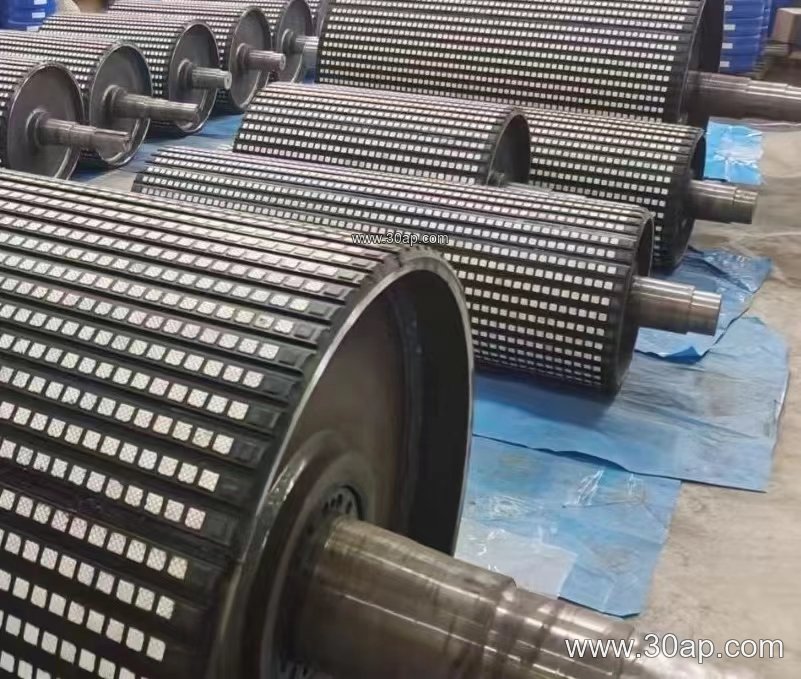
Where oil or heat is present, an oil resistant conveyor belt or a heat resistant conveyor belt may be used, and the pulley lagging should be matched to the same environment. In underground coal mining, flame retardant conveyor belt grades are common, and the head pulley is often inspected for rubber wear and bearing temperature. Similar considerations apply at a port bulk terminal or a fertilizer plant. More details on drum and belt matching are available at cnmhconveyor.com/conveyor-pulley.
Buying and Maintenance Notes
Before ordering a belt conveyor head pulley, confirm the belt width, the required drum diameter, the shaft size, the bearing type, the lagging pattern and the mounting dimensions of the conveyor bracket. Ask whether the drum is plain, grooved or ceramic lagged, and check that the lagging thickness suits the belt and the material. A spare drum kept in the warehouse at a copper mine or a power station can shorten downtime when the original develops a worn face or a failed bearing.
During service, watch for belt slippage, rubber wear, groove clogging and abnormal bearing noise. Keep the discharge chute clear so material does not build up against the drum, and check that the belt runs centrally on the pulley rather than against one edge. Regular inspection of the head pulley, together with the idler roller and the conveyor belt itself, keeps a bulk material line running predictably. For questions about matching a head pulley to your belt and layout, visit cnmhconveyor.com.