What a Conveyor Idler Quotation Covers
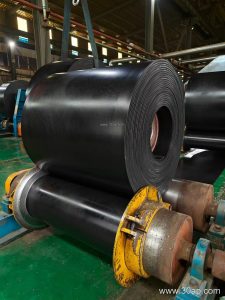
A conveyor idler quotation is more than a price list. It defines the idler roller specification, the quantity per conveyor section, and the commercial terms that let a buyer compare offers fairly. Whether you are sourcing for a quarry, a cement plant, or a coal mining conveyor system, the quotation should state the roller type, diameter, bearing arrangement, and surface form clearly. The same document may also reference the conveyor belt width and the conveyor pulley layout, but the idler roller remains the core subject.
Because idlers are consumable components, a good quotation helps maintenance planners estimate replacement needs across the whole line. It should separate upper carrying idlers from return idlers and note any special designs such as impact or self-aligning sets. For heavy-duty mining conveyor belts and abrasive ore conveyor belts, the wear life of the roller shell directly affects downtime, so the quotation should reflect the intended service condition.
How the Idler Roller Is Built
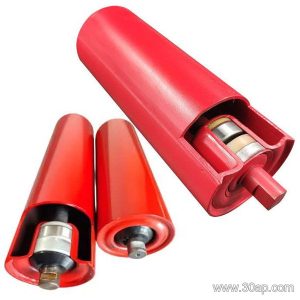
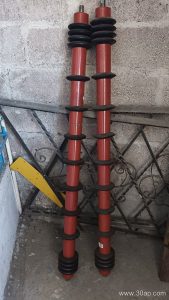
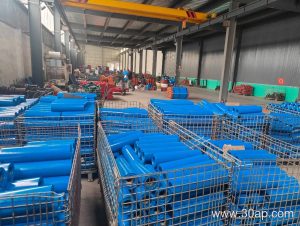
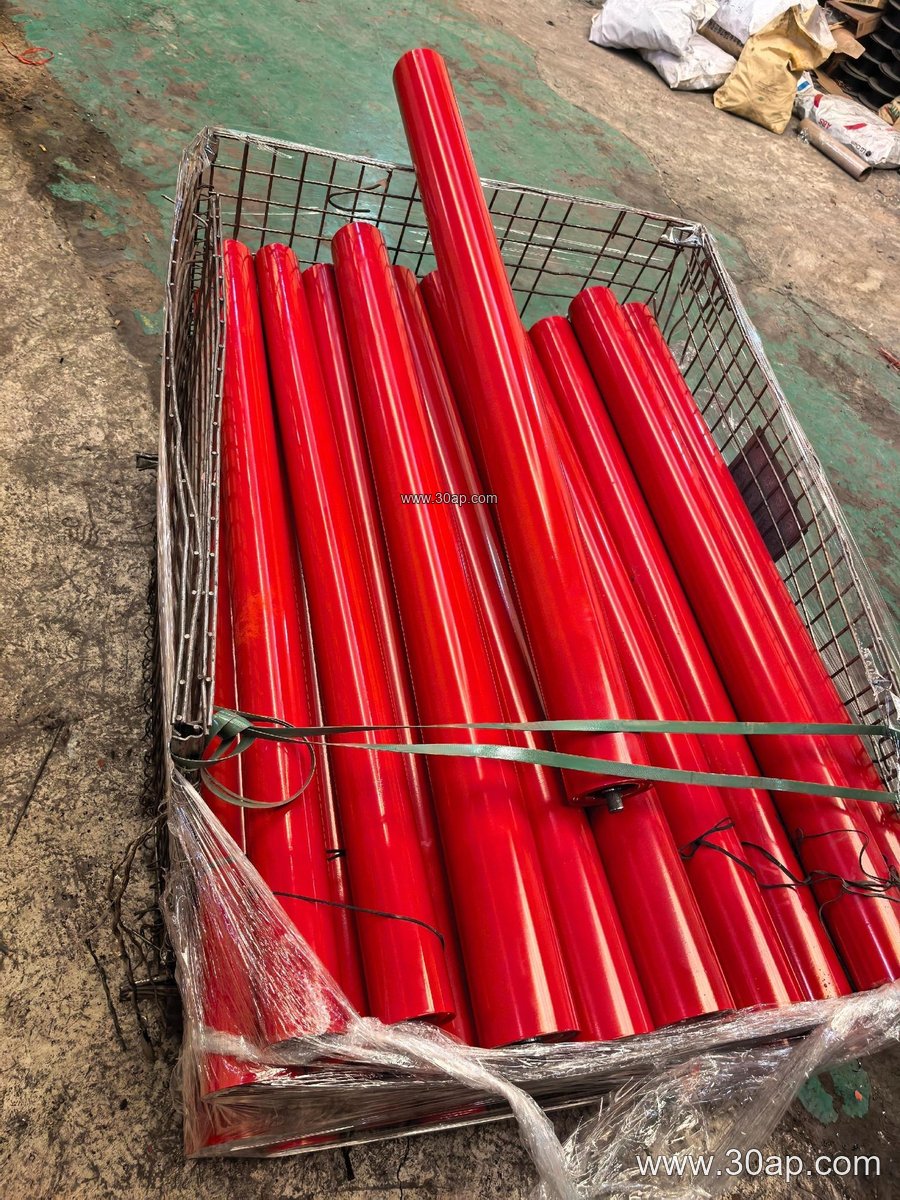
A typical idler roller consists of a steel tube shell, a shaft, bearing housings, and a sealing system. The shell may be plain steel, nylon-coated, ceramic-covered, or fitted with rubber rings for impact absorption. Bearings are commonly 6204, 6205, 6305, 6306, 6308, or 6310, selected according to load and speed rather than matched to one fixed diameter. Sealing is critical in dusty environments such as crushing and screening plants, where fine particles can shorten bearing life.
The quotation should describe the roller surface and the sealing method, because two offers with the same diameter may differ greatly in durability. For a belt conveyor carrying bulk material, the idler roller is often the most numerous rotating part, so small differences in bearing quality and grease retention multiply across hundreds of units.
Common Idler Types and Where They Sit
Idlers are positioned along the conveyor structure according to their function. The quotation may include several types in one line item list:
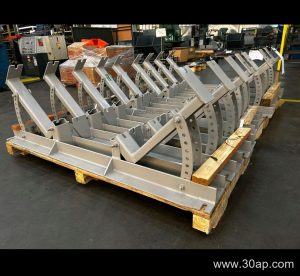
- Carrying idlers in three-roll trough sets, usually at 20, 30, 35, or 45 degree trough angles.
- Transition idlers placed near the head and tail to gradually change belt shape.
- Return idlers, including flat and V-type, supporting the empty belt.
- Impact idlers with rubber rings under loading points.
- Self-aligning idlers, sometimes with tapered rollers, to correct belt tracking.
- Spiral or comb-type idlers for sticky materials.
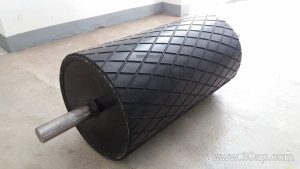
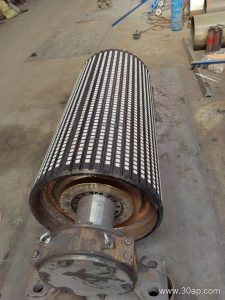
In a coal mining conveyor or a power plant coal handling line, flame retardant conveyor belt and fire resistant conveyor belt are often specified alongside the idlers. The quotation should not confuse idler types with pulleys: drive, tail, and bend pulleys are separate components with different functions and should be quoted separately.
Matching Roller Diameter and Belt Width
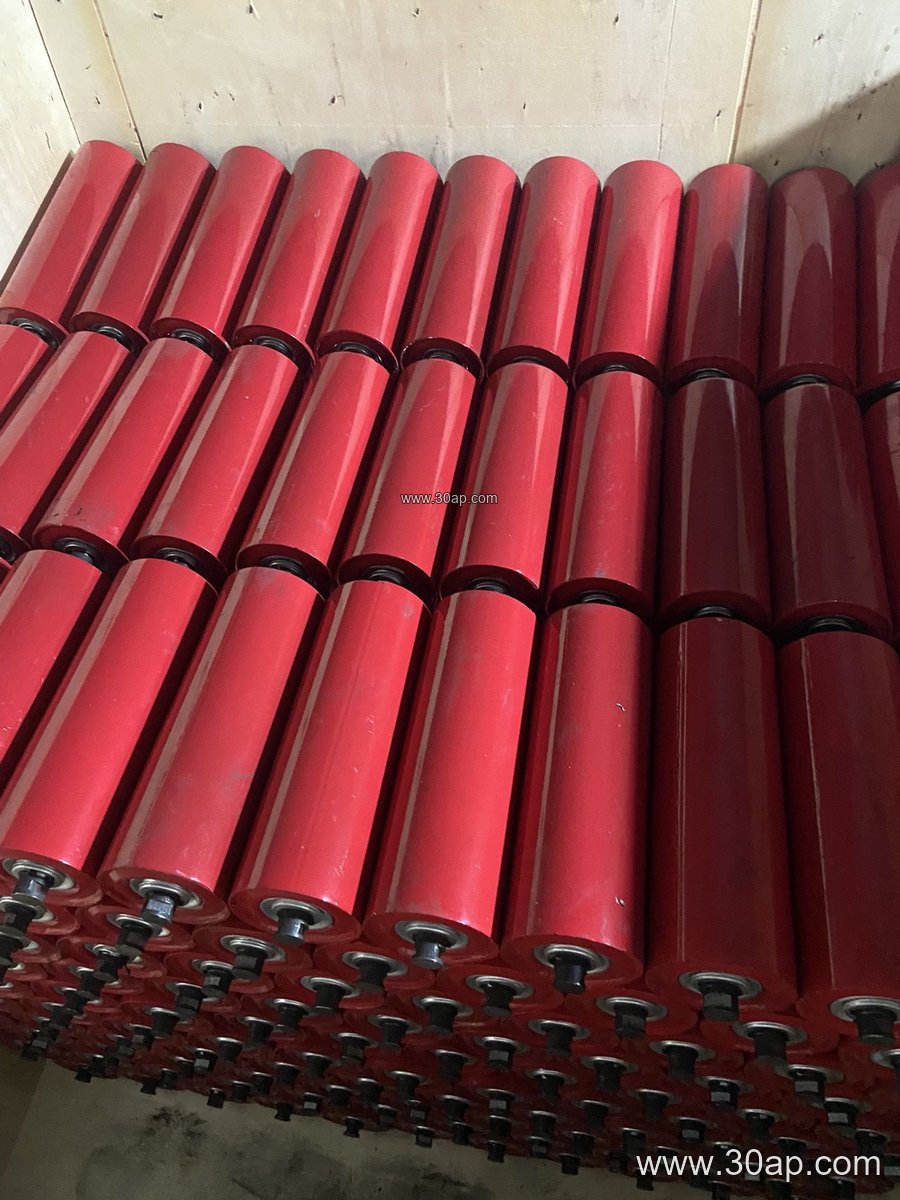
Belt width and roller diameter are related but not locked in a one-to-one pairing. Common roller diameters include 63, 76, 89, 102, 108, 127, 133, 159, 178, 194, and 219 mm. Belt widths range from B400 to B2400. A wider belt such as 1200 mm or 1400 mm usually needs a larger roller diameter and longer roller length to handle the load, but the final choice depends on belt speed, material weight, and idler spacing.
For three-roll trough sets, roller length changes with belt width and trough angle. As a common example, B500 may use about 200 mm rollers, B800 about 315 mm, B1000 about 380 mm, B1200 about 465 mm, and B1400 about 530 mm. These are reference examples, not fixed rules, and side rollers may differ from the center roller. The quotation should list roller length separately for each position.
What to Check Before Accepting a Quotation
First, confirm that the quotation states the idler type, diameter, length, bearing model, and surface form for every line. Second, check whether the quantities match the conveyor length and idler spacing. Third, ask about sealing and lubrication details, especially for abrasive or wet conditions. Fourth, verify that the quotation distinguishes idlers from conveyor brackets and conveyor pulleys, so no item is missing or double-counted.
For projects involving steel cord conveyor belt, EP conveyor belt, or NN conveyor belt, the idler load and spacing should be reviewed together with the belt tension. A quotation that lists only a price per piece without specification detail is difficult to compare. A clear offer helps buyers in the aggregate, cement, and port sectors plan spare parts with confidence.