What a Friction Self-Aligning Idler Does
A friction self-aligning idler is a training idler that corrects belt drift by using the friction between the moving conveyor belt and the idler rolls themselves. When the belt wanders to one side, it contacts the rolls at a slight angle, and the resulting friction force turns the idler frame about its vertical pivot. The frame swings so the rolls steer the belt back toward the center line. No motor, sensor, or external actuator is involved, which makes this a purely mechanical tracking solution for long horizontal runs.
The same product also appears under the equivalent name friction training idler. Both names describe the same assembly, and neither should be confused with a drive pulley, tail pulley, or bend pulley, which transmit power or change belt direction rather than correct misalignment.
How the Assembly Is Built
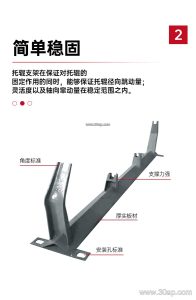
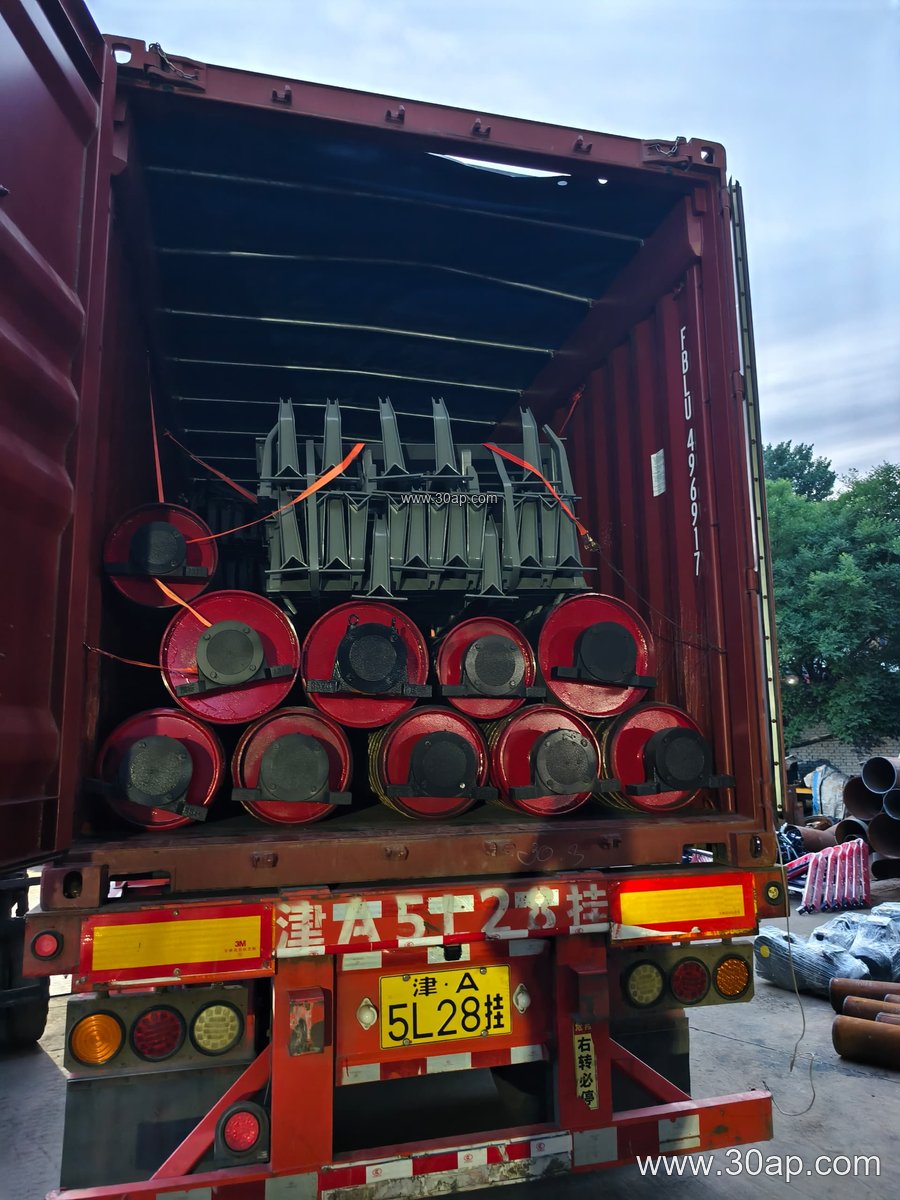
A typical unit consists of two or three rolls mounted in a frame that pivots on a vertical shaft. The shaft sits in a base plate or bracket fixed to the conveyor stringer. Friction between the belt and the roll surface provides the turning moment, so the roll face and the pivot bearing condition matter more than on a fixed idler. Common roll diameters for this duty include Ø89, Ø108, Ø127, and Ø133, while heavier installations may use Ø159 or Ø178. Roll length follows belt width and trough form; for a three-roll trough set, 315 mm rolls are common around B800, 380 mm around B1000, and 465 mm around B1200. These figures are reference examples, and side rolls may differ from the center roll.
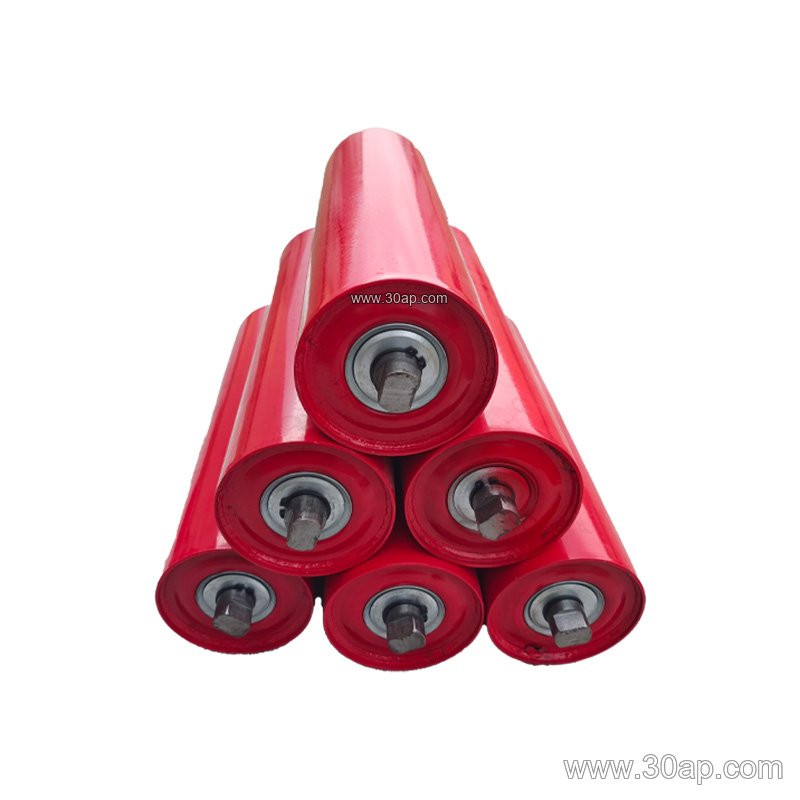
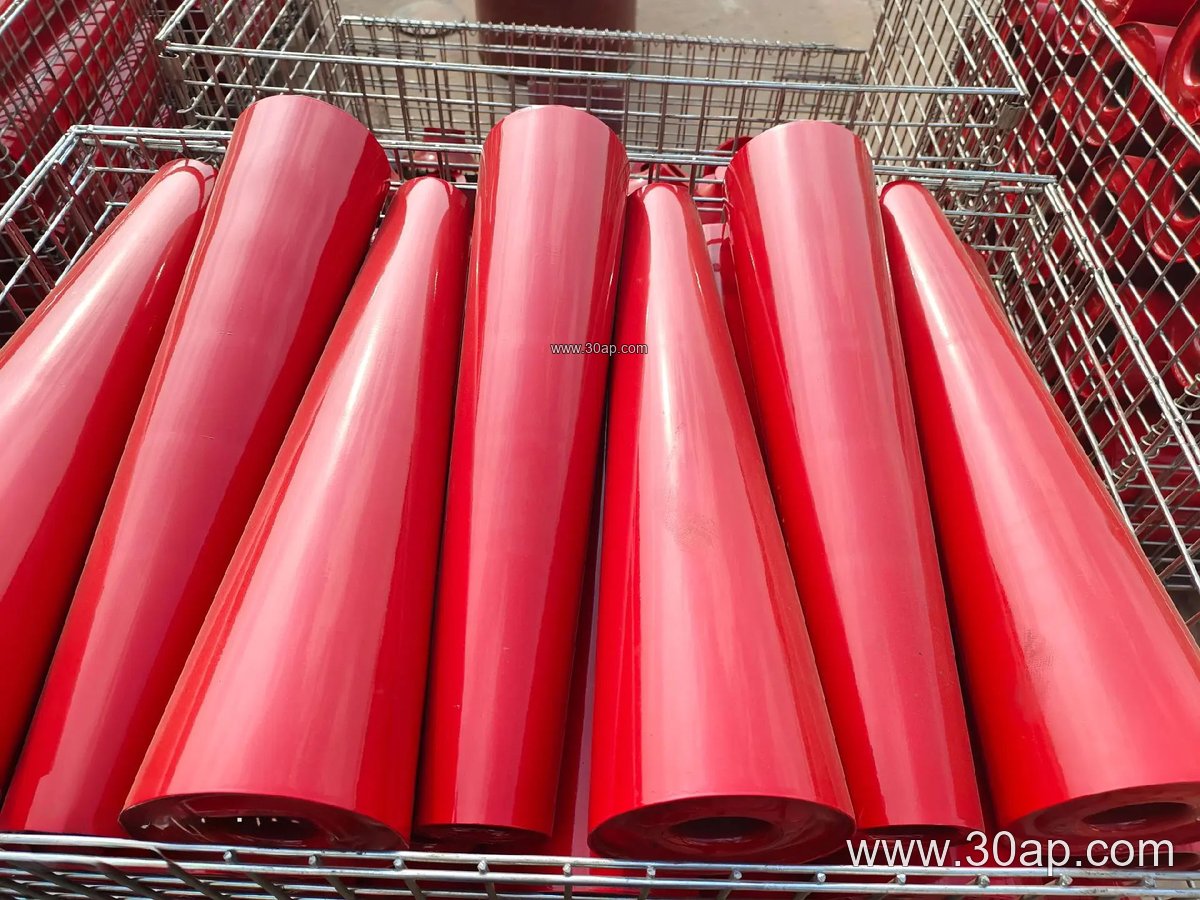
Roll surfaces are usually steel tube, and some designs add rubber rings or a nylon sleeve to raise friction and reduce slip. Bearings such as 6205, 6305, or 6306 are frequently fitted, with the final choice depending on load and speed rather than on roll diameter alone. Seals deserve attention in dusty service, because a stiff or contaminated pivot will stop the frame from responding.
Where It Fits on the Conveyor
These idlers are normally installed on the carrying side, spaced along a straight section where drift tends to begin, and sometimes on the return side as well. A quarry conveyor moving crushed stone, a cement plant clinker line, or a power plant coal handling system all benefit when the belt is kept centered, since edge damage and spillage are reduced. On a coal mining conveyor belt or an iron ore conveyor belt, the self-correcting action helps where the structure is long and manual adjustment is infrequent.
They are not a substitute for correct pulley alignment, proper loading, or a well-supported belt. A bend pulley that is out of square or a drive pulley with worn lagging will cause drift that no training idler can fully remove. Fix the cause first, then use friction self-aligning idlers to manage the remaining tendency.
Selection Points for Buyers
Start with belt width, trough angle, and the roll diameter already used on the conveyor. A unit with a different roll diameter can still work, but it changes the belt line and should be checked against the surrounding idler sets. Trough angles of 20, 30, 35, and 45 degrees are common, and the training set should match the adjacent carrying idlers.
| Parameter | Common Reference |
|---|---|
| Belt width | B500 to B2400 |
| Roll diameter | Ø89 to Ø178 (Ø219 for special duty) |
| Trough angle | 20°, 30°, 35°, 45° |
| Roll surface | Steel, rubber ring, nylon, ceramic |
| Bearing | 6204, 6205, 6305, 6306, 6308, 6310 |
Ask how the pivot is sealed, whether the frame has a mechanical stop, and how much vertical adjustment the bracket allows. On a heavy-duty mining conveyor belt carrying abrasive ore, specify a robust pivot and wear-resistant roll face. For a food grade conveyor belt or a fertilizer line, check that the materials and lubricants suit the environment.
Installation and Maintenance Notes
- Mount the pivot square to the belt center line; a skewed base makes the unit fight itself.
- Keep the first training idler a reasonable distance from the tail pulley so the belt has room to settle.
- Inspect pivot freedom and seal condition during routine walks; a seized frame behaves like a fixed idler.
- Replace worn rubber rings before they polish smooth and lose friction.
Used with a sound conveyor structure, a friction self-aligning idler is a low-maintenance way to keep a bulk material conveyor belt running centered through long shifts in quarry, cement, power, and mining duty.