What a 600mm Conveyor Belt Is
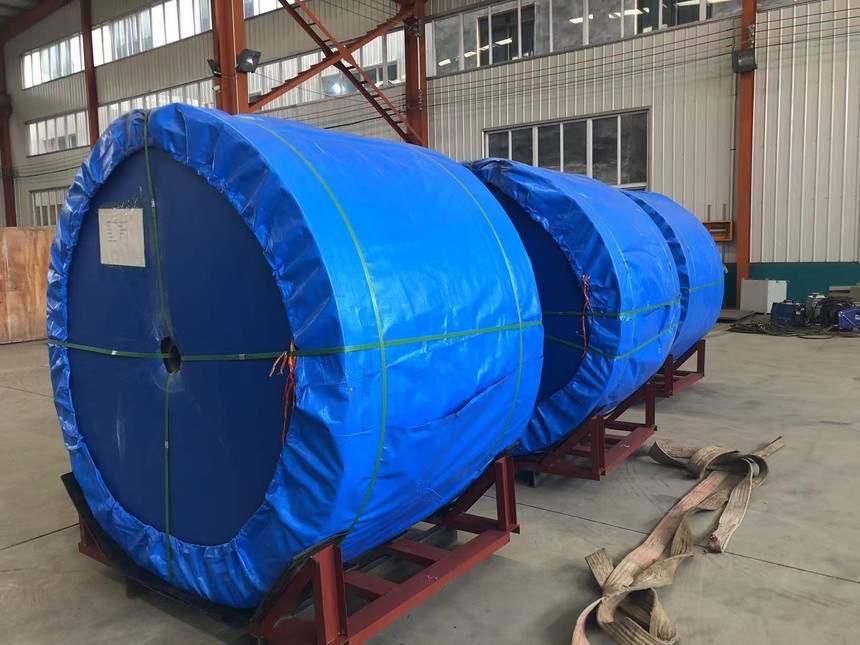
A 600mm conveyor belt is a narrow-to-medium width belt built to run on a belt conveyor with a 600 mm nominal belt width. It sits between the small 500mm conveyor belt used on light transfer lines and the wider 650mm conveyor belt and 800mm conveyor belt common on heavier mainlines. Because 600 mm is a modest width, this belt is often chosen for secondary haulage, plant transfer points, screening feed lines and mobile crushing spreads where the tonnage does not justify a wider, heavier belt.
The product is usually supplied as an endless conveyor belt spliced on site, or as an open length that is joined with mechanical fasteners or a vulcanized splice. Buyers should treat the width as one design input among several, not as a fixed rule that decides pulley diameter or shaft size.
Construction and Common Types
Most belts at this width use a fabric core. An EP conveyor belt with polyester warp and nylon weft is a frequent choice for general bulk material duty, while an NN conveyor belt with nylon warp and weft offers high strength and good fatigue resistance. A multi-ply fabric core conveyor belt with two to five plies is typical, and heavier grades may use more plies. Where shock loads from coarse rock are severe, a steel cord conveyor belt is sometimes used, although the narrower width and lighter frame of many 600 mm conveyors usually favor fabric construction.
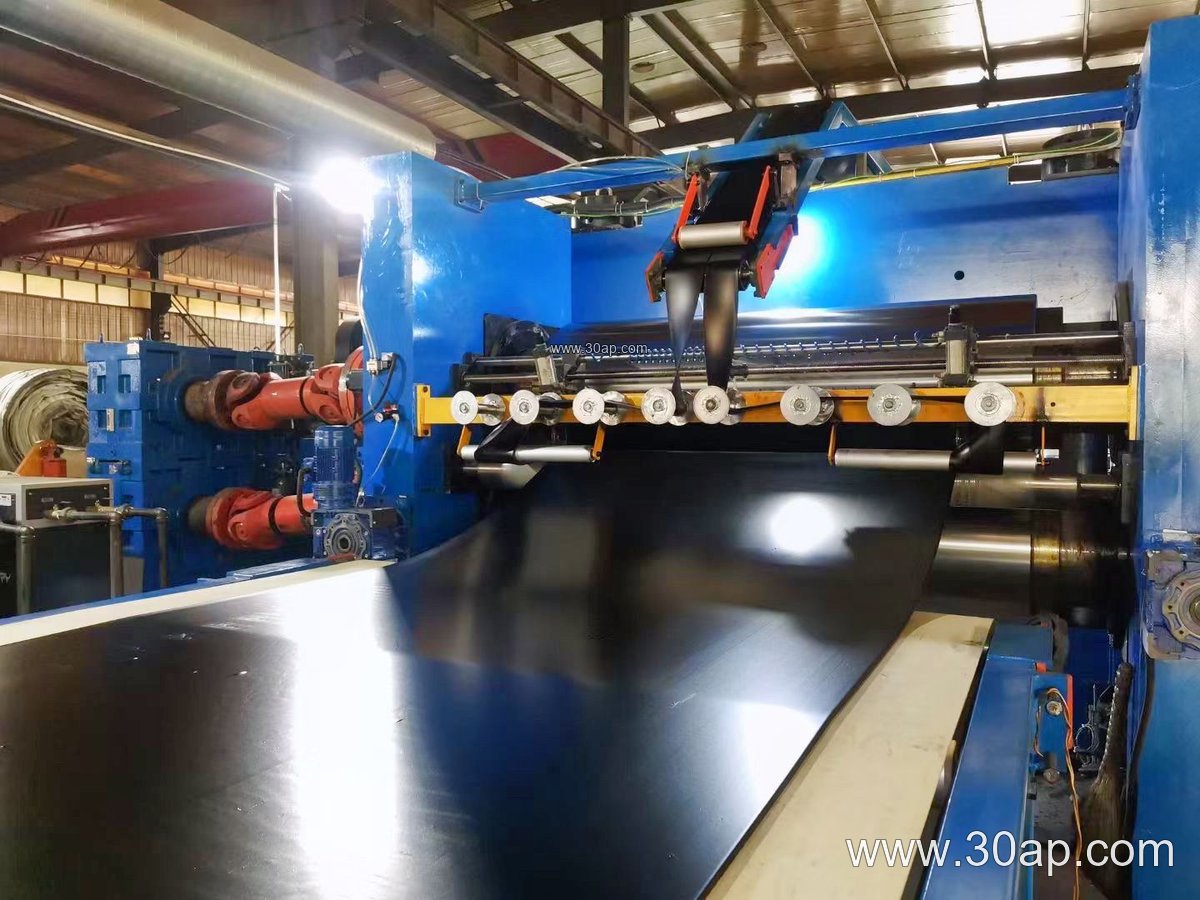
Cover compound selection matters as much as the carcass. Abrasion resistant conveyor belt grades suit sand, gravel and clinker; heat resistant conveyor belt grades handle cement and sinter; flame retardant conveyor belt and fire resistant conveyor belt grades are specified in coal handling; oil resistant conveyor belt grades serve recycled oil and certain mineral feeds. For cold climates, a cold resistant conveyor belt avoids cracking, and an anti-static conveyor belt helps where static buildup is a concern.
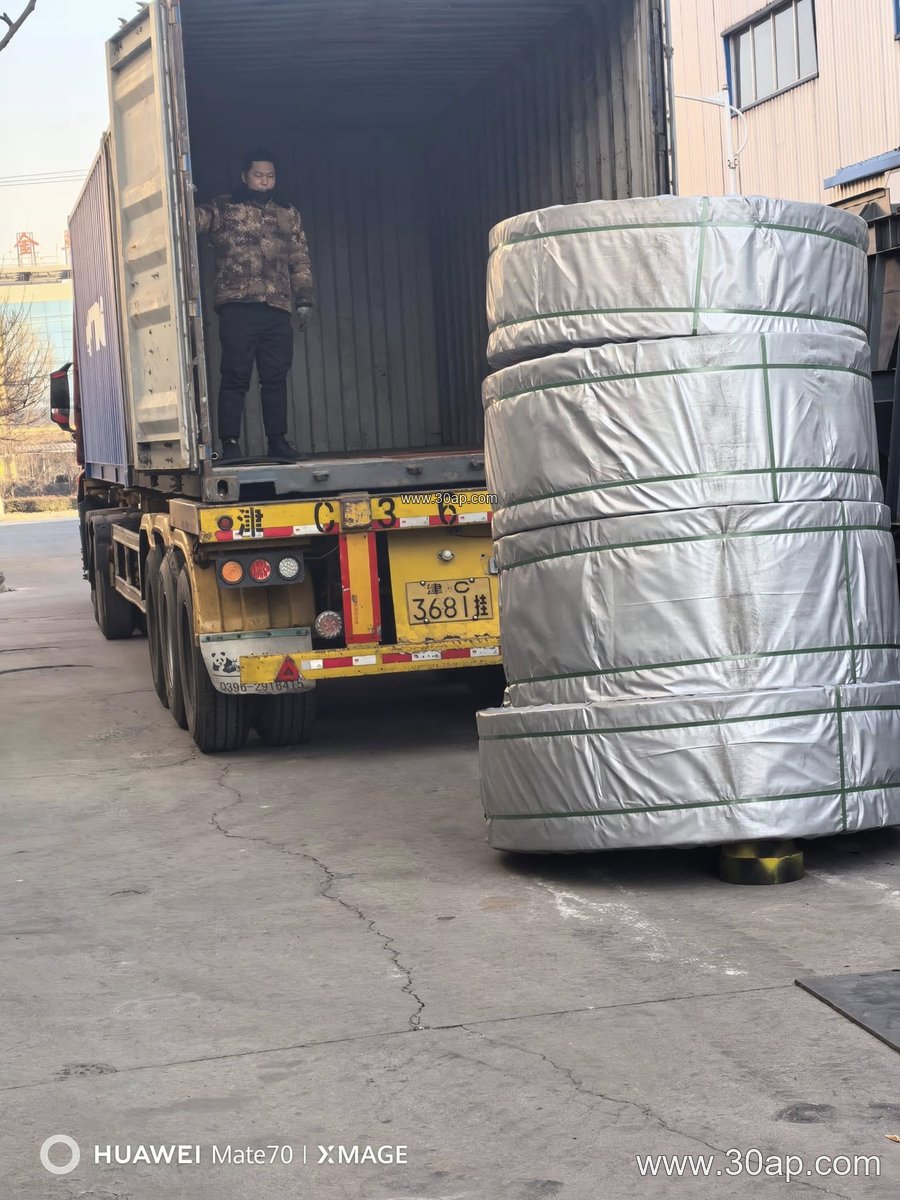
Special surface forms also appear at this width. A chevron conveyor belt or a corrugated sidewall conveyor belt helps hold material on an incline, and a skirted conveyor belt controls spillage at loading points. A pipe conveyor belt is a different conveying concept and is not a substitute for an open 600 mm belt.
Typical Specifications and Reference Data
The table below shows reference values that appear in common product literature. They are starting points for discussion with a supplier, not fixed commitments.
| Parameter | Common reference values |
|---|---|
| Belt width | 600 mm (B600) |
| Fabric grades | EP200, EP315, EP400, EP500, EP630, EP800, EP1000 |
| Nylon grades | NN100, NN200, NN300, NN400 |
| Number of plies | 2 to 6, selected by duty |
| Top cover thickness | 4 mm, 5 mm, 6 mm, 8 mm |
| Bottom cover thickness | 1.5 mm, 2 mm, 3 mm |
| Cover combinations | 4+2, 5+2, 6+2, 8+3 mm |
| Specialty grades | Heat, oil, flame, cold, abrasion, anti-static |
Where a conveyor is fed by a crusher, an impact resistant conveyor belt grade or a thicker top cover may extend service life. For iron ore, copper ore or gold mining conveyor belt duty, the buyer should confirm both the strength grade and the cover class.
Where This Width Fits
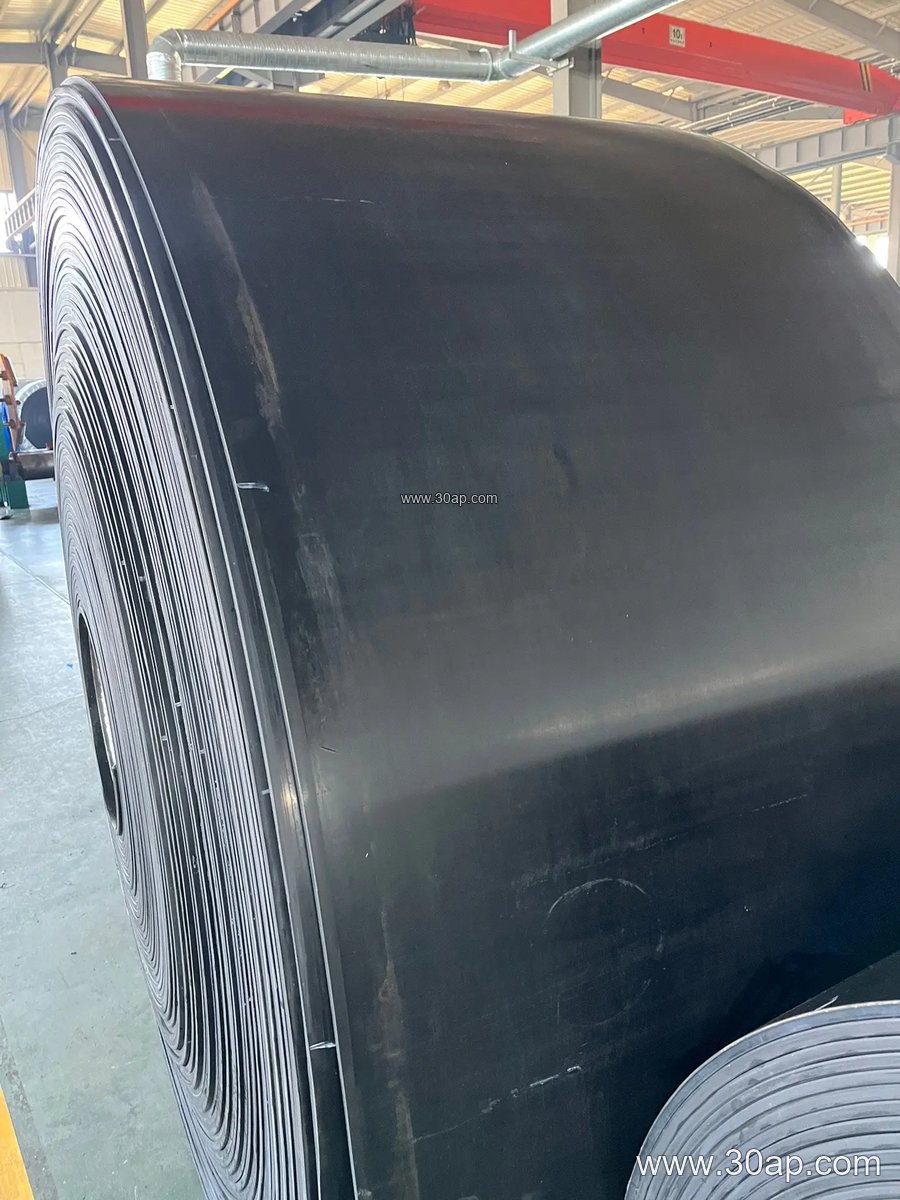
The 600mm conveyor belt is common in quarry conveyor belt systems, aggregate conveyor belt lines supplying a sand making plant, and stone crushing conveyor belt circuits where a crusher conveyor belt must be fed at a controlled rate. In cement plants it appears on clinker and additive transfer runs. In power plants it can carry coal from a stockyard to a bunker. In coal mining, underground mining conveyor belt and underground coal mining conveyor belt installations may use flame retardant and anti-static grades at this width for gate roads and short panel belts.
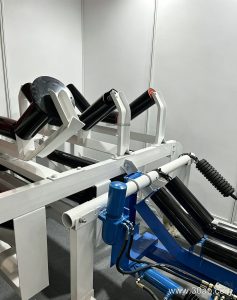
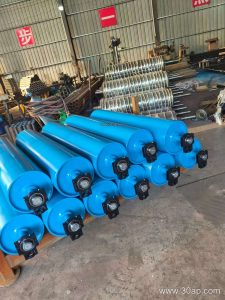
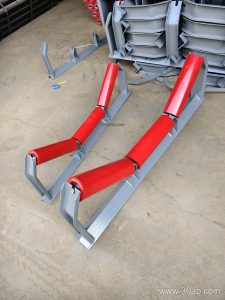
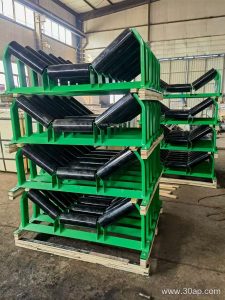
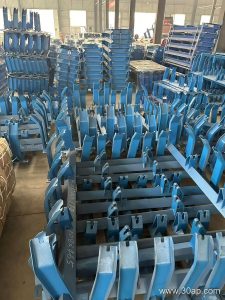
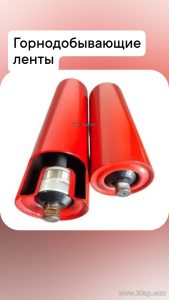
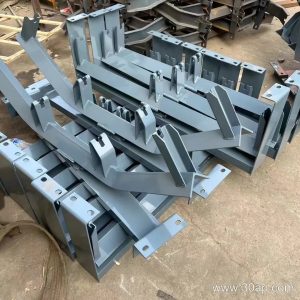
It also appears in recycling plants, ports and ship loading conveyor belt systems on smaller berths, and in construction industry conveyor belt setups for concrete batching. In many of these places the belt runs over conveyor pulley assemblies, idler roller sets and conveyor bracket frames that were sized for a compact conveyor structure.
Selection and Maintenance Notes
- Confirm the actual carcass grade and ply count with the supplier rather than assuming that width alone defines strength.
- Match cover thickness to the material: sharp rock needs more top cover than fine cement dust.
- Check pulley diameters against the belt manufacturer data; do not assume that a 600 mm width fixes one pulley size.
- Verify that idler roller spacing and trough angle suit the belt stiffness.
- Keep loading centered and skirting aligned to reduce edge damage on a narrow belt.
- Inspect splices, edges and covers regularly, especially on crusher discharge and transfer points.
For more belt, idler roller and conveyor pulley options, buyers can compare grades at example.com/600mm-conveyor-belt and review conveyor bracket details before finalizing a specification.