What the Main Drive Pulley Does
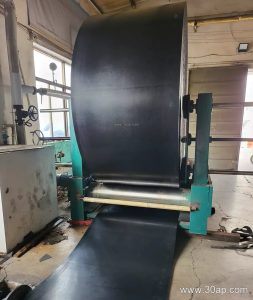
The main drive pulley, often called the head pulley or drive drum, is the powered roller that transmits torque to the conveyor belt and keeps the entire system moving. It sits at the discharge end in most installations, gripping the belt through friction so that material loaded upstream travels steadily toward the next stage. In a quarry or a sand and aggregate line, this pulley is the component that turns motor power into useful belt motion, and its condition directly affects throughput and belt life. Unlike a tail pulley or a bend pulley, the main drive pulley is connected to the gearbox or motor and carries the full driving tension, so its design, lagging, and shaft connection deserve careful attention.
Construction Basics
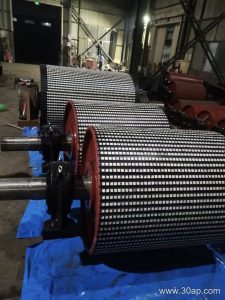
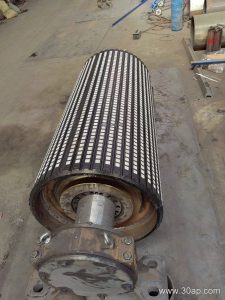
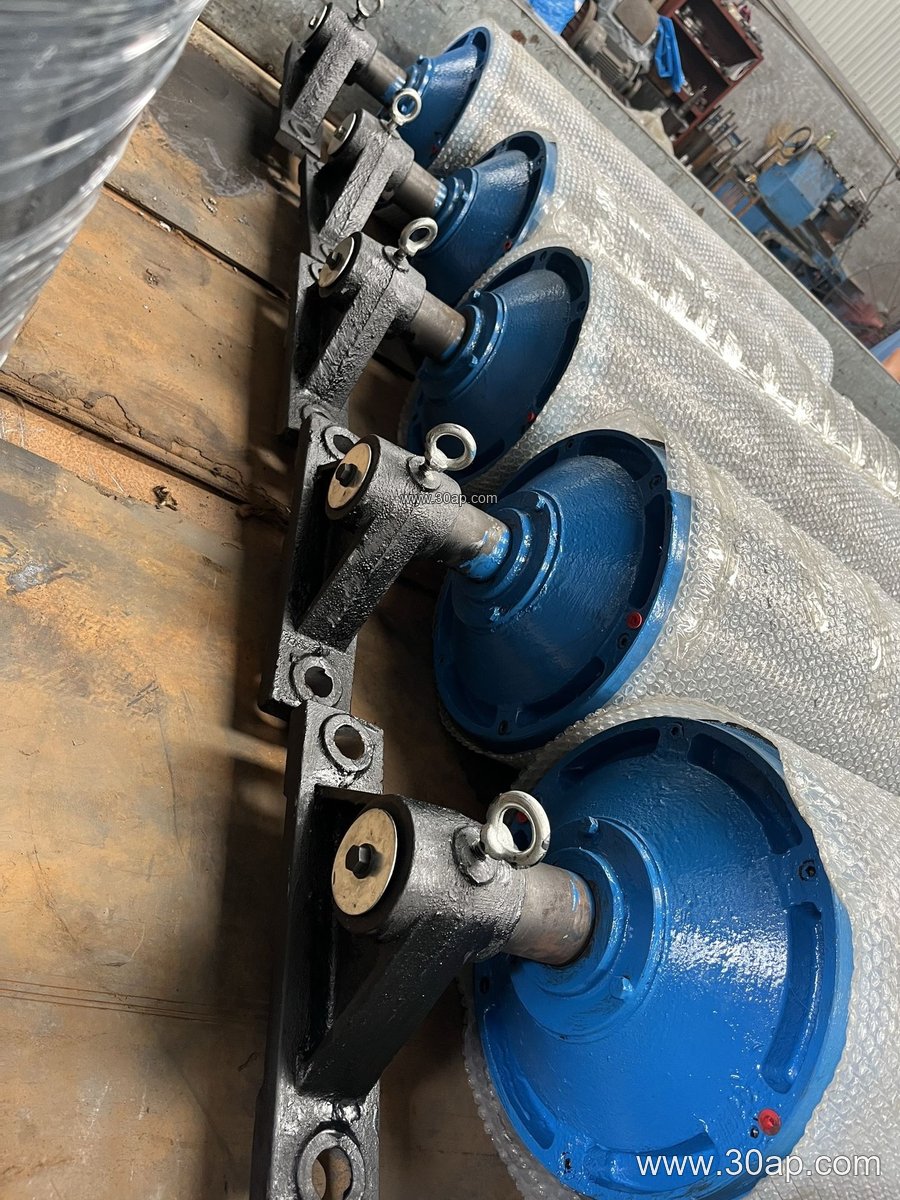
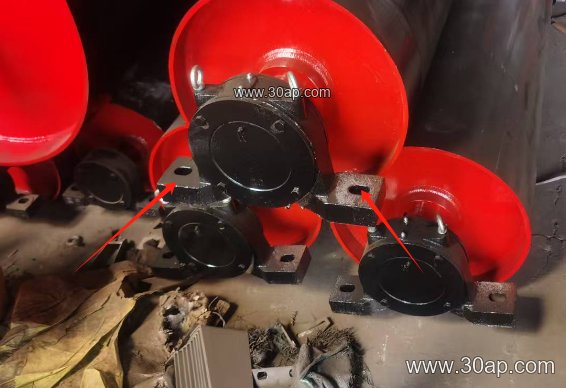
A typical main drive pulley is built around a steel drum shell welded to end discs, with a shaft running through the center on bearing housings. The shell surface may be plain, or it may carry rubber, ceramic, or grooved lagging to improve grip. The shaft is sized by torque and radial load rather than by belt width alone; common shaft diameters range from Ø50 to Ø200 depending on the drive power and pulley size. Drum diameters such as Ø500, Ø630, Ø800, Ø1000, and Ø1250 are frequently seen in bulk handling, while smaller diameters like Ø315 or Ø400 suit lighter belts. The pulley face width usually exceeds the belt width slightly; for example, a B800 belt often runs on a pulley with roughly 950 mm face width, and a B1200 belt on about 1400 mm. These are reference relationships, not fixed rules, and final dimensions should follow the conveyor design.
Lagging and Surface Options
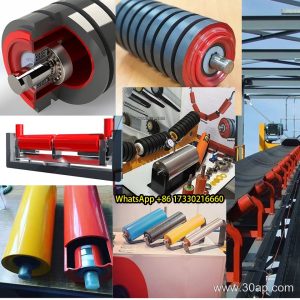
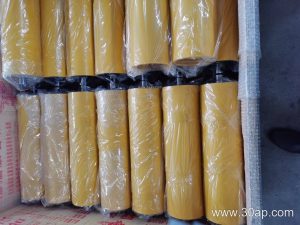
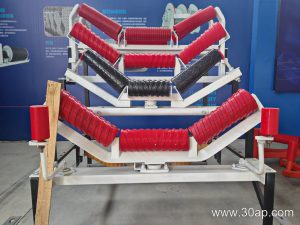
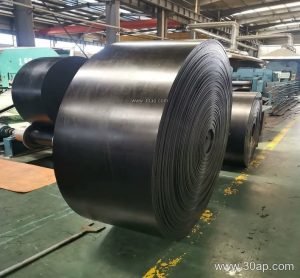
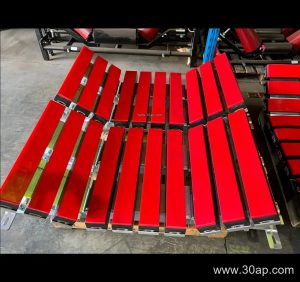
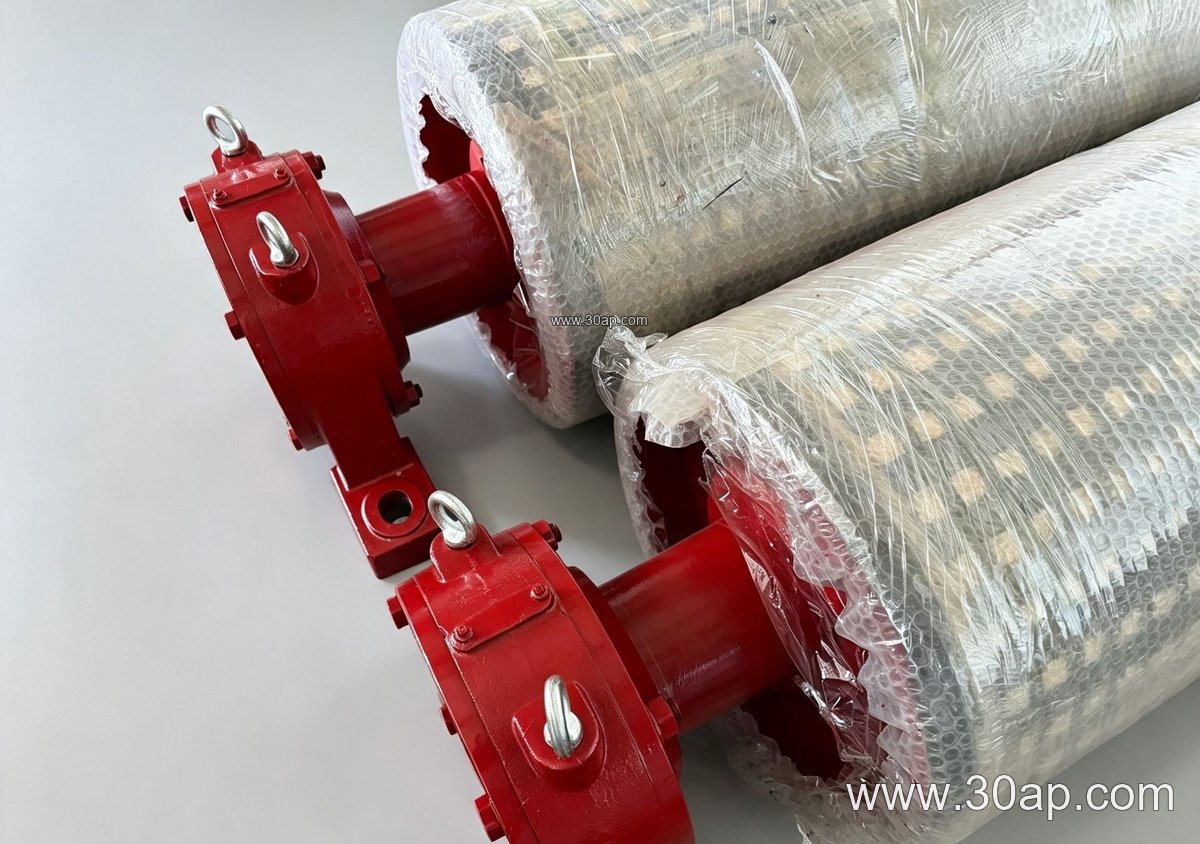
The surface form of the main drive pulley matters as much as its size. Plain steel can work in clean, dry conditions, but most bulk applications benefit from lagging. Rubber lagging in 8, 10, 12, 15, or 20 mm thickness improves friction and cushions the belt. Diamond or herringbone grooving helps shed water and fines, which is useful in wash plants and port terminals. Ceramic lagging offers high wear resistance in abrasive service such as iron ore or copper ore handling. The choice should match the belt and the material: a heavy-duty mining conveyor belt running on a smooth pulley in wet conditions may slip, while the same belt on a grooved rubber-lagged drive pulley performs more reliably. The main drive pulley works together with the conveyor belt, idler rollers, and conveyor brackets to maintain alignment and tension.
Where It Fits in the System
You will find the main drive pulley in primary crushing circuits, cement plant clinker transport, power plant coal handling, and tunnel mucking lines. It is the pulley that pulls the belt, so it sees the highest tension and the most demanding grip requirements. A tail pulley merely redirects the return side, and a bend pulley changes belt direction without driving; these are not interchangeable with the drive pulley. In a long overland conveyor, the main drive pulley may be paired with a secondary drive or a tripper arrangement, but the primary unit remains the main power transfer point. For abrasive aggregate or wet sand, a rubber-lagged drive pulley with adequate diameter helps reduce belt slip and extends the life of the conveyor belt. If the belt is a flame retardant conveyor belt for underground coal mining, the pulley lagging should also be selected with fire safety in mind, though the pulley itself is steel.
Buyer Checklist
- Confirm the belt width and the required pulley face width; B650, B1000, and B1400 belts each need a matching face, not a one-size-fits-all drum.
- Specify the drum diameter based on belt tension and space; Ø400, Ø630, and Ø1000 are common starting points for different duty levels.
- Choose lagging type and thickness according to material abrasiveness and moisture; 10 mm rubber is a frequent general-purpose choice, while 15–20 mm suits heavy impact.
- Provide shaft torque and bearing load data so the shaft diameter can be calculated; do not assume a shaft size from belt width.
- Check the drive connection method and bearing housing style against the conveyor bracket layout.
Maintenance is straightforward but important: check lagging wear, keep the pulley clean, and monitor bearing temperature. A worn drive pulley can cause belt slippage, mistracking, and premature wear on the conveyor belt and idler rollers. When replacing, match the new main drive pulley to the existing belt width, drum diameter, and shaft dimensions, and verify that the lagging suits the material being conveyed. With the right selection, the main drive pulley delivers reliable power transfer in demanding industrial settings.