What a Tapered Idler Is
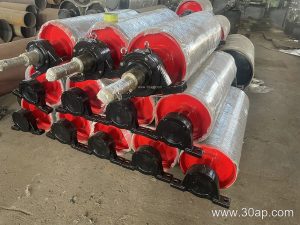
A tapered idler is a conveyor idler roller whose shell is machined or formed as a cone rather than a straight cylinder. It is most often used in self-aligning idler stations, where two tapered rollers sit in a V arrangement and turn the belt back toward the center line whenever its edge drifts. Plant operators in quarries, washed coal plants and crushing-screening lines know this component as a conical self-aligning idler roller. Both names describe the same product; neither should be confused with a conveyor pulley, since drive, tail and bend pulleys are different assemblies entirely.
How the Shell and Bearing Housing Are Built
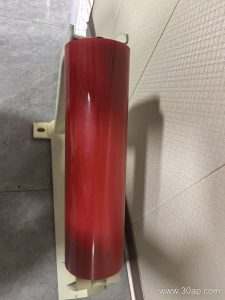
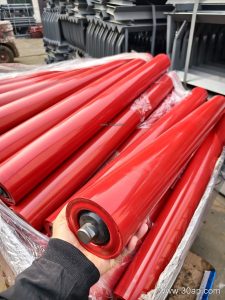
The cone shape is the defining feature. The large end carries the load and the small end faces the belt center, so the roller surface runs at a slight angle to the belt. Standard tube, nylon, ceramic or rubber ring surfaces can all be supplied on a tapered body, and the rubber ring version is useful on wet or sticky material because it sheds fines as it turns.
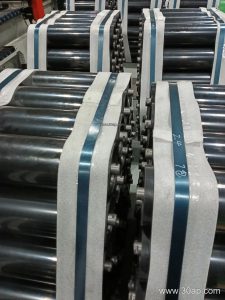
Inside the shell, the shaft and bearing seats are the same kind of construction found on any straight idler roller: a through shaft, pressed bearing housings, labyrinth or felt seals, and grease retained in the cavity. Bearing selection follows the load and speed of the station rather than the taper alone. Common bearing numbers on conveyor idlers include 6204, 6205, 6305, 6306, 6308 and 6310, and no single bearing is tied to one shell diameter.
Where Tapered Idlers Fit on the Conveyor
The usual location is the carry side, a short distance behind the loading point or on long runs where misalignment tends to build up. In an underground coal mining conveyor or a tunnel spoil line, a pair of conical rollers in a self-aligning frame corrects tracking without the operator touching the take-up. In a cement plant or a power plant coal yard, the same station protects the belt edge from rubbing the frame and reduces spillage at the transfer chute.
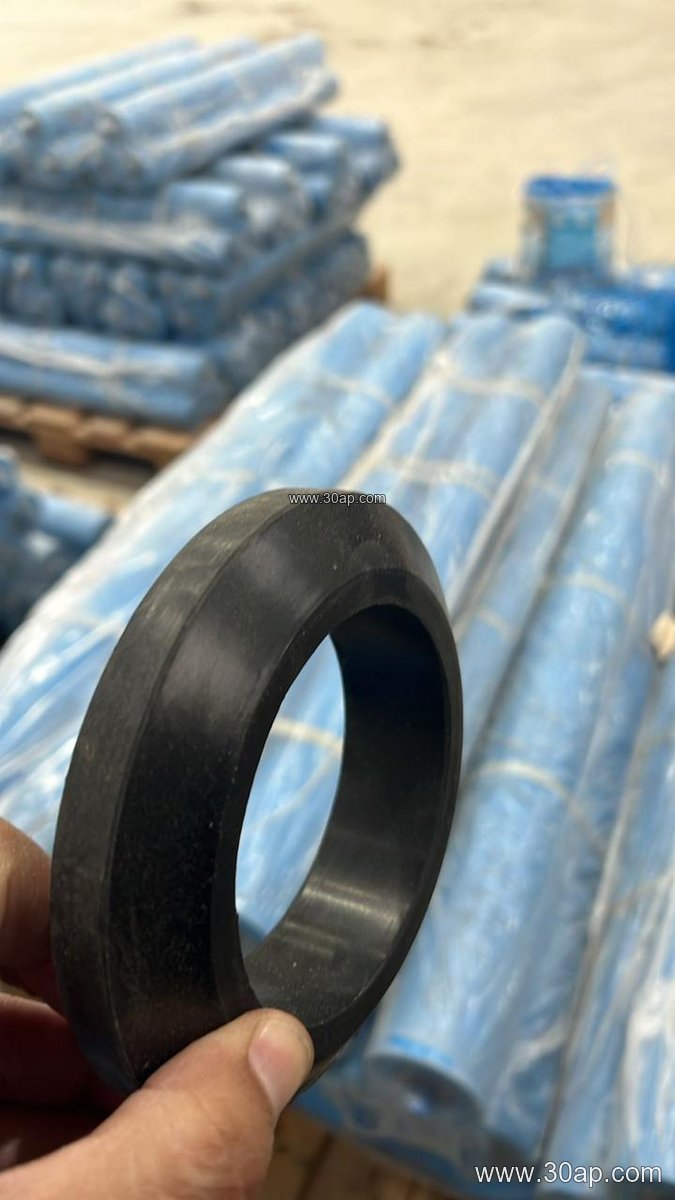
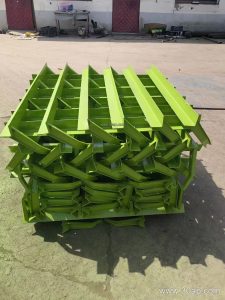
They are not a substitute for a vertical gravity take-up or for proper pulley alignment, and they are not a replacement for the bend pulley at the head end. Think of them as a tracking aid in the idler string, paired with a robust conveyor bracket that allows the frame to pivot freely.
Typical Reference Dimensions
The figures below are common reference values, not a fixed catalogue promise. Final roller length follows belt width, trough angle and frame design, and the two rollers on one station are often unequal.
- Shell diameters often seen: Ø76, Ø89, Ø102, Ø108, Ø127, Ø133, Ø159
- Belt widths served: B500, B650, B800, B1000, B1200, B1400, B1600
- Frame angles: 20, 30, 35 and 45 degrees, with about 1.5 to 2 degrees of lead angle on self-aligning types
- Bearing options: 6204, 6205, 6305, 6306, 6308
On a typical three-roll troughing station, roller lengths near 200 mm for B500 and near 315 mm for B800 are common, but the tapered leading roller may differ from the center roll. A buyer should confirm the mounting hole spacing and shaft end shape before ordering.
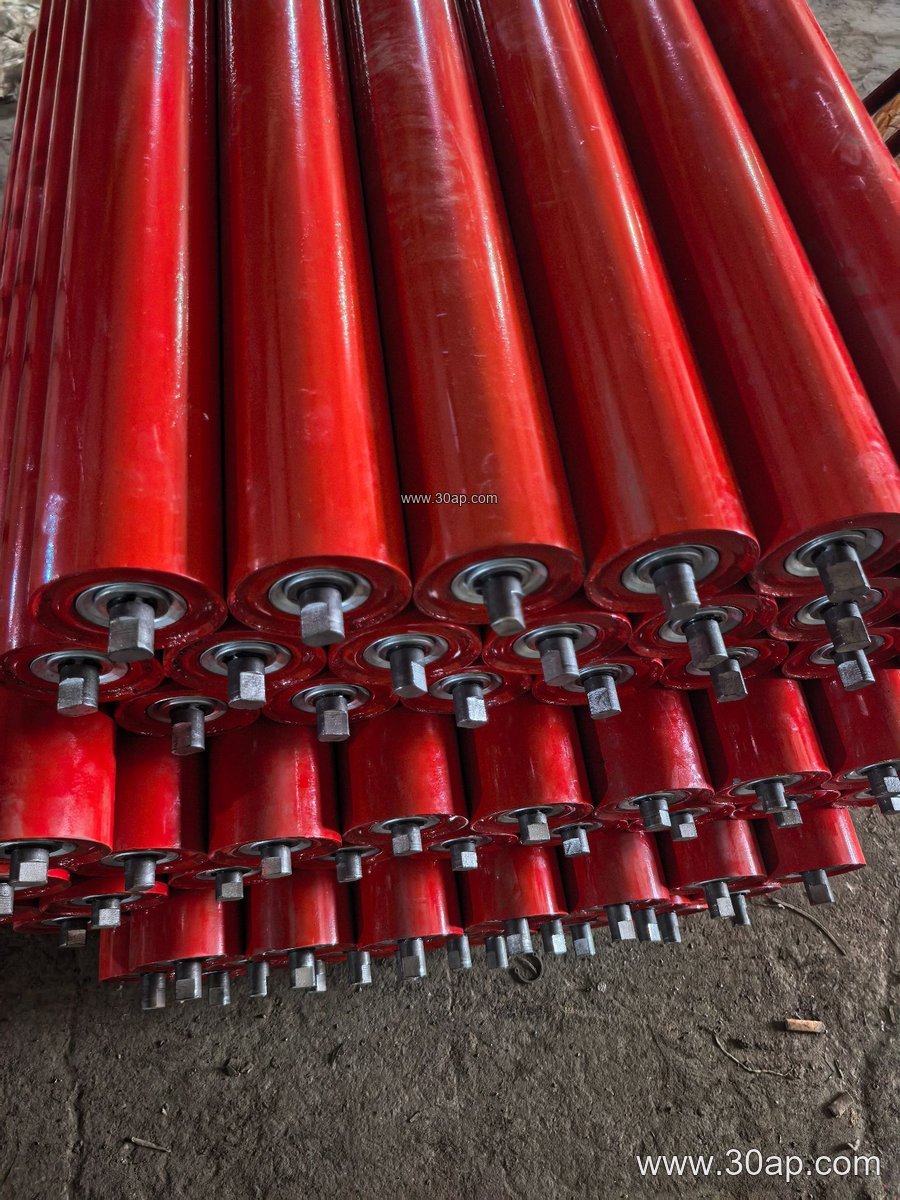
Selection Notes for Buyers
Start with the belt. A heavy abrasion resistant conveyor belt carrying coarse rock needs a larger shell and thicker wall than a smooth EP conveyor belt on a light duty line. If the belt is a steel cord conveyor belt running at high tension, the tracking frame must be strong enough that the tapered rollers are not deflected. In coal service, specify a flame retardant conveyor belt and match the idler seals to dusty, damp conditions. For hot clinker or sinter, a heat resistant conveyor belt plus a heat-tolerant bearing grease is the practical combination.
Check three things on the drawing: the taper angle, the roller length at both ends, and the seal type. Ask how the roller is balanced, because an out-of-balance cone will vibrate and wear the bracket. Also confirm whether the station uses a friction or positive pivot, since that decides how quickly the idler reacts to a drifting belt.
Installation and Maintenance
Mount the station square to the belt center line and let the frame pivot before tightening the bracket bolts. Spin each roller by hand after installation; a gritty feel points to a damaged seal or a dry bearing. Grease at the interval set for the rest of the idler string, and inspect the rubber rings or ceramic tiles for flat spots that reduce grip on the belt edge.
Replacement is straightforward when the shaft and bracket pattern are recorded. Keep a spare pair on site for critical lines such as an ore conveyor or a quarry primary discharge, where a seized idler can quickly damage the belt cover. For more on idlers, pulleys and belting, see the component pages on chinabeltconveyor.com and review our conveyor idler range at chinabeltconveyor.com before finalizing a specification.