What a Coal Conveyor Idler Does on the Line
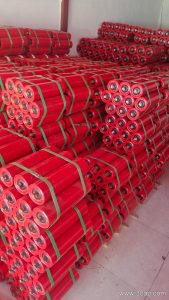
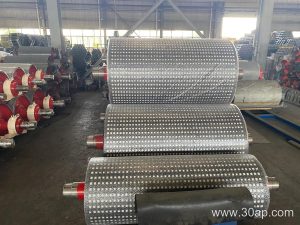
A coal conveyor idler is the rotating support that carries the loaded belt between the head and tail of a conveyor. In a coal handling system, these idlers hold the belt in its trough shape, control sag between frames, and keep material moving without spillage. The same component is often called a conveyor idler roller, and the two names describe the same product. It is not a pulley: drive, tail and bend pulleys transmit power and change belt direction, while idlers simply support and guide the belt.
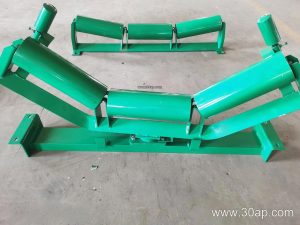
On a typical coal handling conveyor, troughing idlers sit on the carrying side in three-roll sets, while return idlers support the empty belt underneath. The frame and idler work together with the conveyor bracket, and the whole assembly must match the conveyor belt width and loading pattern.
How the Idler Is Built
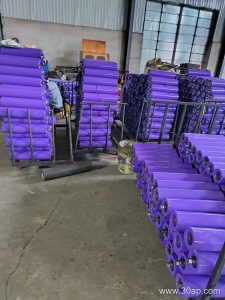
Most coal conveyor idlers use a steel tube shell fitted over a shaft, with sealed bearings at each end. The shell may be plain steel, nylon-coated, ceramic-covered or fitted with rubber rings for impact absorption. Bearing housings are usually protected by labyrinth seals or similar multi-stage seals to keep coal dust and fine particles away from the bearing cavity.
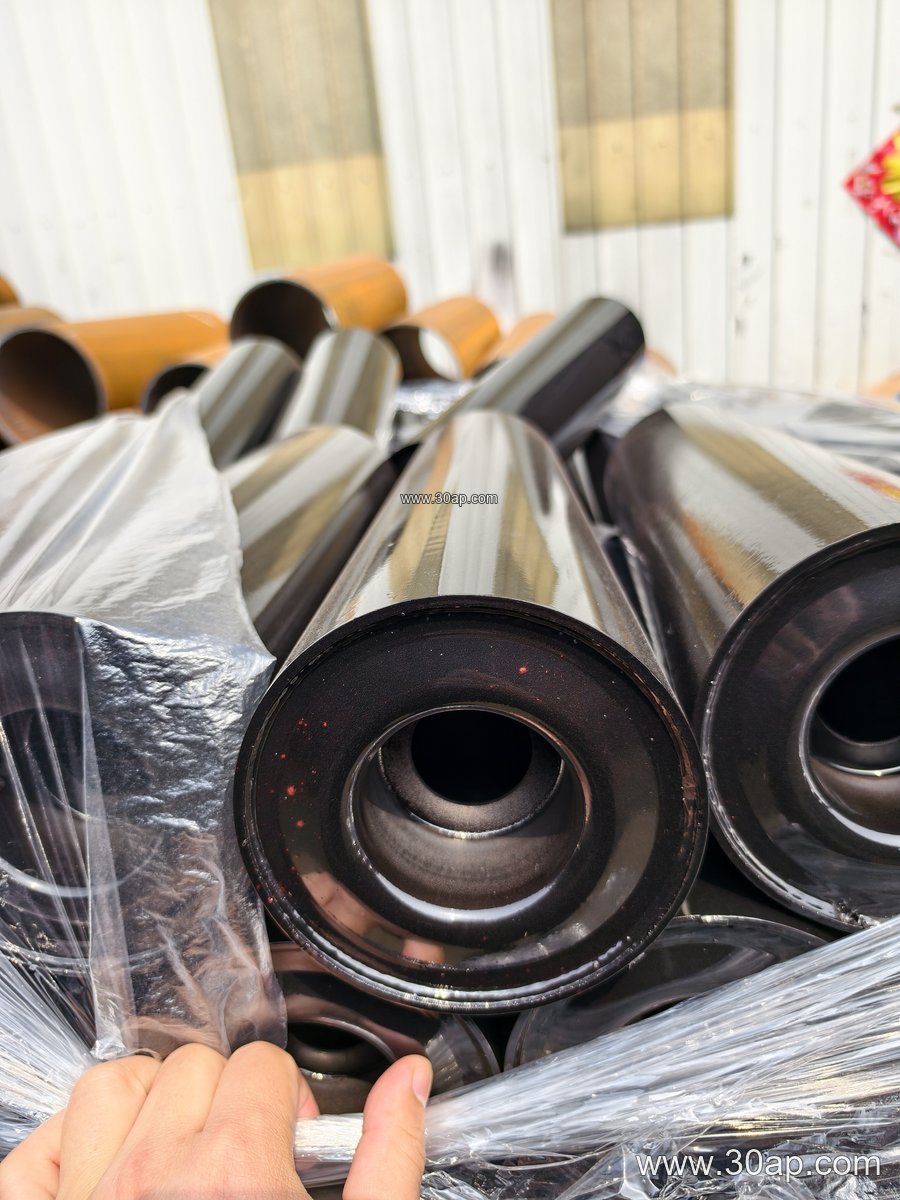
- Shell: steel tube, often with protective coating or rubber rings
- Shaft: machined steel, sized to the load and frame design
- Bearings: common sizes include 6204, 6205, 6305, 6306 and 6308
- Sealing: dust-resistant labyrinth or contact seal arrangement
Bearing size should be matched to the roller diameter, load and speed by the conveyor designer. A given shell diameter does not lock the idler to one bearing size, and a given belt width does not fix a single shaft diameter.
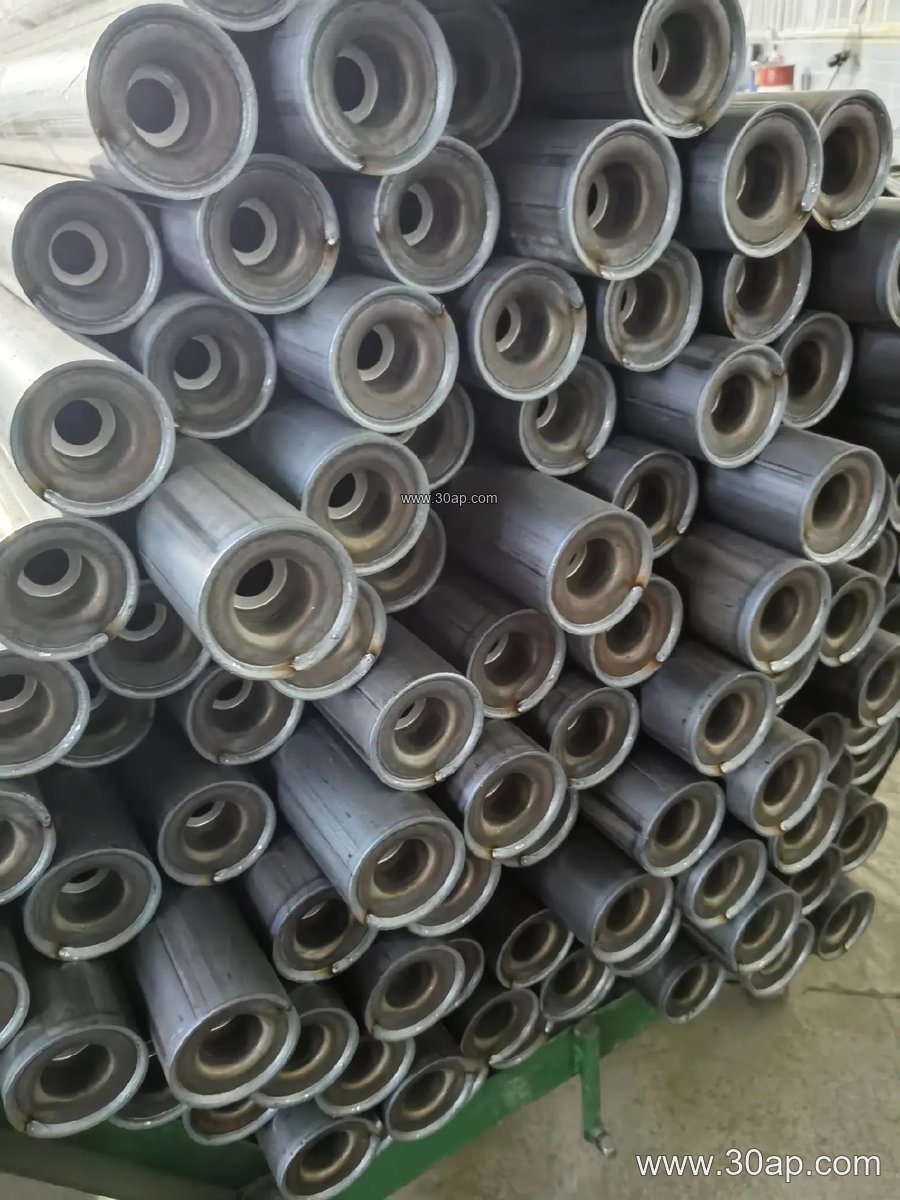
Common Idler Forms and Where They Fit
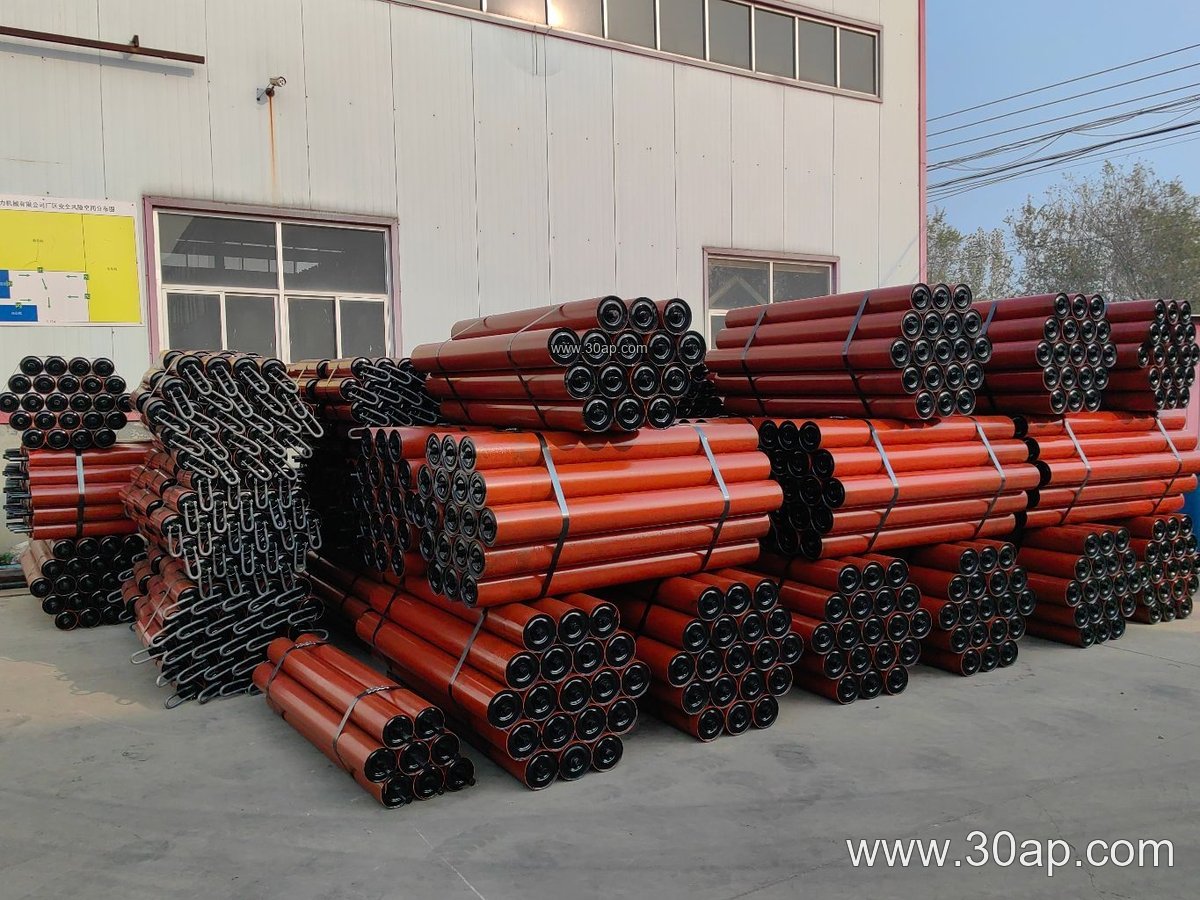
The carrying side usually uses three-roll troughing sets with a trough angle of 20, 30, 35 or 45 degrees. A steeper trough gives better material containment for fine coal, while a shallower angle suits wider belts and certain lump sizes. Transition idlers are placed near the head and tail to gradually change belt shape. On the return side, flat or V-return idlers support the empty belt, and spiral or garland designs can help shed sticky fines.
Impact zones under a crusher or transfer point often use impact idlers with rubber rings. Self-aligning idlers, including friction and tapered types, help correct belt wander on long runs. These are alternatives for specific duties, not replacements for the standard troughing idler.
Reference Dimensions for Coal Duty
The table below shows common reference values. Actual roller length depends on belt width, trough angle and idler set form, and side rollers may differ from the centre roller.
| Belt Width | Typical Three-Roll Idler Length | Common Roller Diameter |
|---|---|---|
| B500 | about 200 mm | Ø76 to Ø89 |
| B650 | about 250 mm | Ø89 to Ø108 |
| B800 | about 315 mm | Ø89 to Ø133 |
| B1000 | about 380 mm | Ø108 to Ø159 |
| B1200 | about 465 mm | Ø108 to Ø159 |
| B1400 | about 530 mm | Ø127 to Ø178 |
| B1600 | about 600 mm | Ø133 to Ø194 |
| B1800 | about 670 mm | Ø159 to Ø219 |
These are common references, not fixed pairings. Belt widths from B400 up to B2400 are used in coal handling, and the final idler selection should follow the conveyor design.
Where Coal Conveyor Idlers Are Used
Coal handling is the classic application, but the same idler serves many bulk material lines. In a coal preparation plant, troughing and return idlers carry raw and washed coal along the belt. In a power plant coal yard, long overland conveyors rely on closely spaced idlers to limit belt sag. Quarry and aggregate lines, cement plants, iron ore and copper ore operations, port loading systems and tunnel muck removal all use similar idler arrangements.
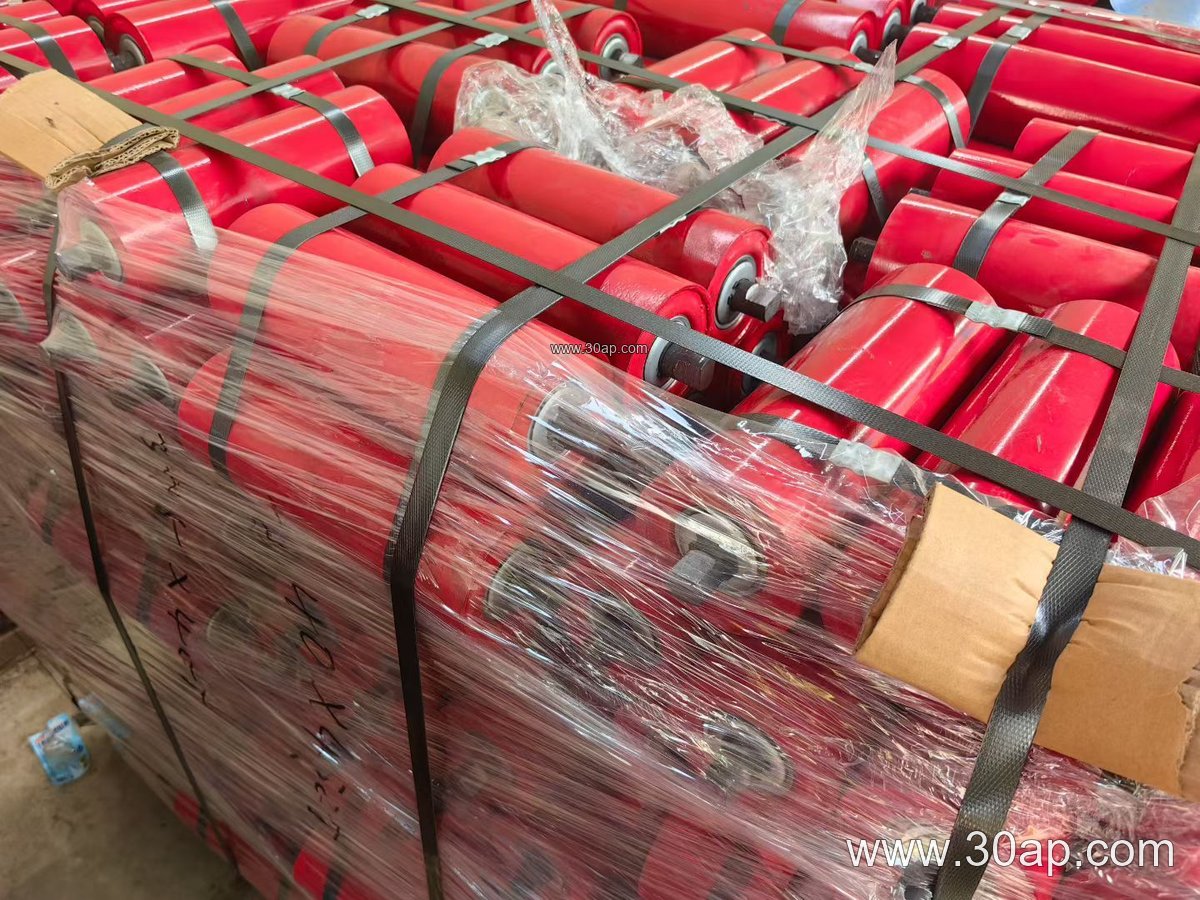
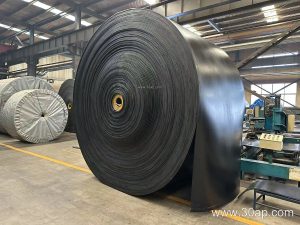
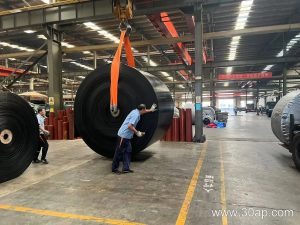
The belt itself matters too. A flame retardant conveyor belt is common underground, while an abrasion resistant conveyor belt suits sharp coal and rock. Heavier duty lines may use a steel cord conveyor belt or a high strength fabric core belt, and the idler load rating must match that belt and its material load.
What Buyers Should Check
Before ordering, confirm the belt width, trough angle, idler set form, roller diameter and shaft end fitting. Check the bearing size and seal type against the dust and moisture level at the site. For impact zones, specify rubber-ring impact idlers rather than standard troughing rolls. For long runs, review spacing and alignment, since poor alignment shortens bearing life and damages the belt edge.
Ask for the roller length, shaft diameter and bearing number as a set, and confirm that the frame or conveyor bracket matches. Buyers can also review the conveyor belt specification at jsconveyor.com to make sure the idler load matches the belt and material.
Maintenance Notes
- Check for seized or noisy rollers during routine walks
- Replace worn shells before they damage the belt cover
- Keep the return side clear of spilled coal and fines
- Verify alignment after any frame or bracket repair
Regular inspection of the idler roller, frame and belt keeps a coal conveyor running smoothly and reduces unplanned downtime in mines, power plants and preparation facilities.