What a Multi-Ply Fabric Core Conveyor Belt Is
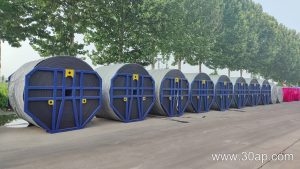
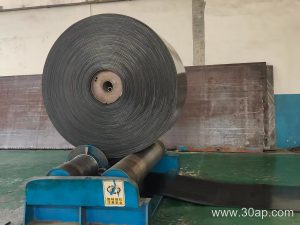
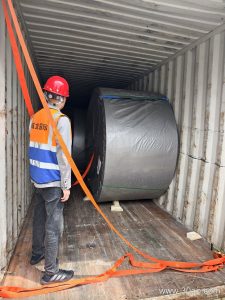
A Multi-Ply Fabric Core Conveyor Belt is a heavy-duty rubber belt built around two or more layers of woven fabric, usually polyester-nylon (EP) or nylon-nylon (NN). Those plies give the belt its tensile strength and resistance to impact, while top and bottom rubber covers protect the carcass from abrasion, moisture and the material being carried. In a quarry, cement plant or coal handling system, this belt is often the workhorse that moves crushed rock, clinker or coal from one transfer point to the next.
The same product also appears under the equivalent name multilayer fabric conveyor belt, and buyers may see it listed as an EP Conveyor Belt or NN Conveyor Belt depending on the fabric used. The ply count is a defining feature, so a two-ply belt and a five-ply belt both belong to this family but suit different tension and impact conditions.
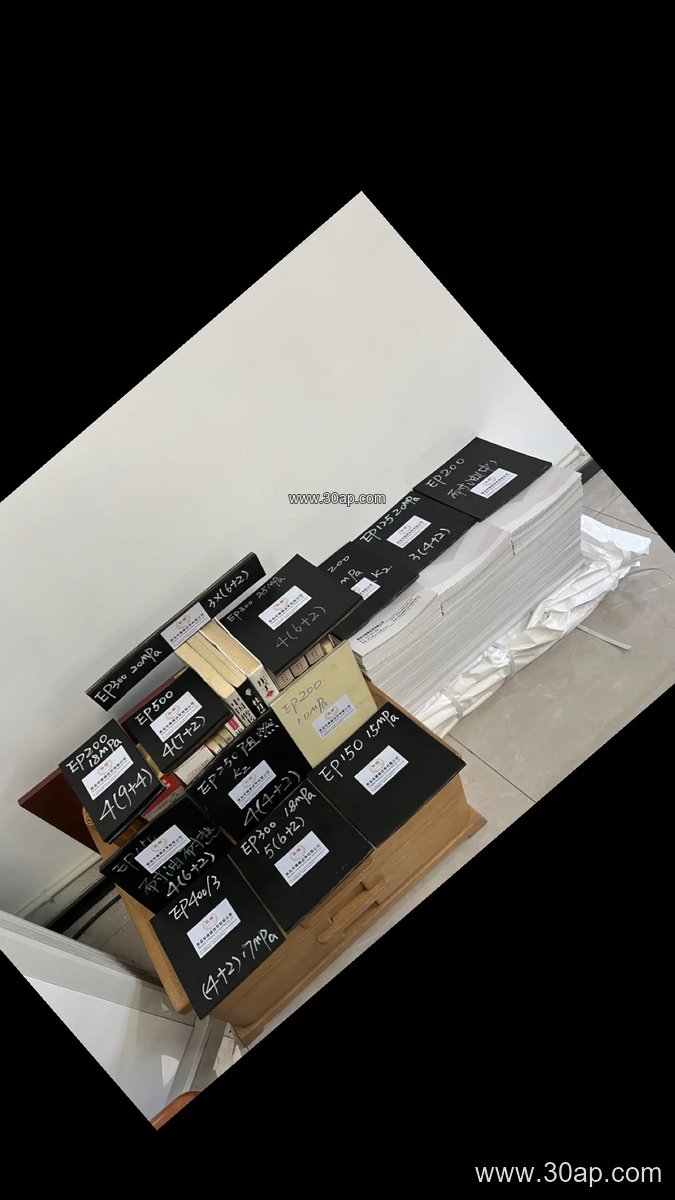
How the Belt Is Built
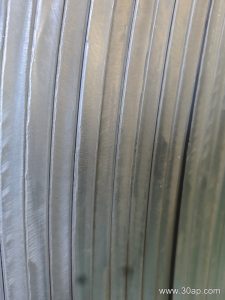
Fabric plies are calendered with rubber compound, stacked and cured under heat and pressure. The number of plies and the strength of each ply set the belt’s working tension. Cover rubber thickness is chosen for the duty: a thin cover for clean, fine material and a thicker cover for sharp, lumpy rock. Common cover combinations include 3+1.5 mm, 4+2 mm, 5+2 mm, 6+2 mm and 8+3 mm, with 2 to 6 plies typical for general industrial service. These figures are common references, not universal specifications; final construction is confirmed by the belt designer.
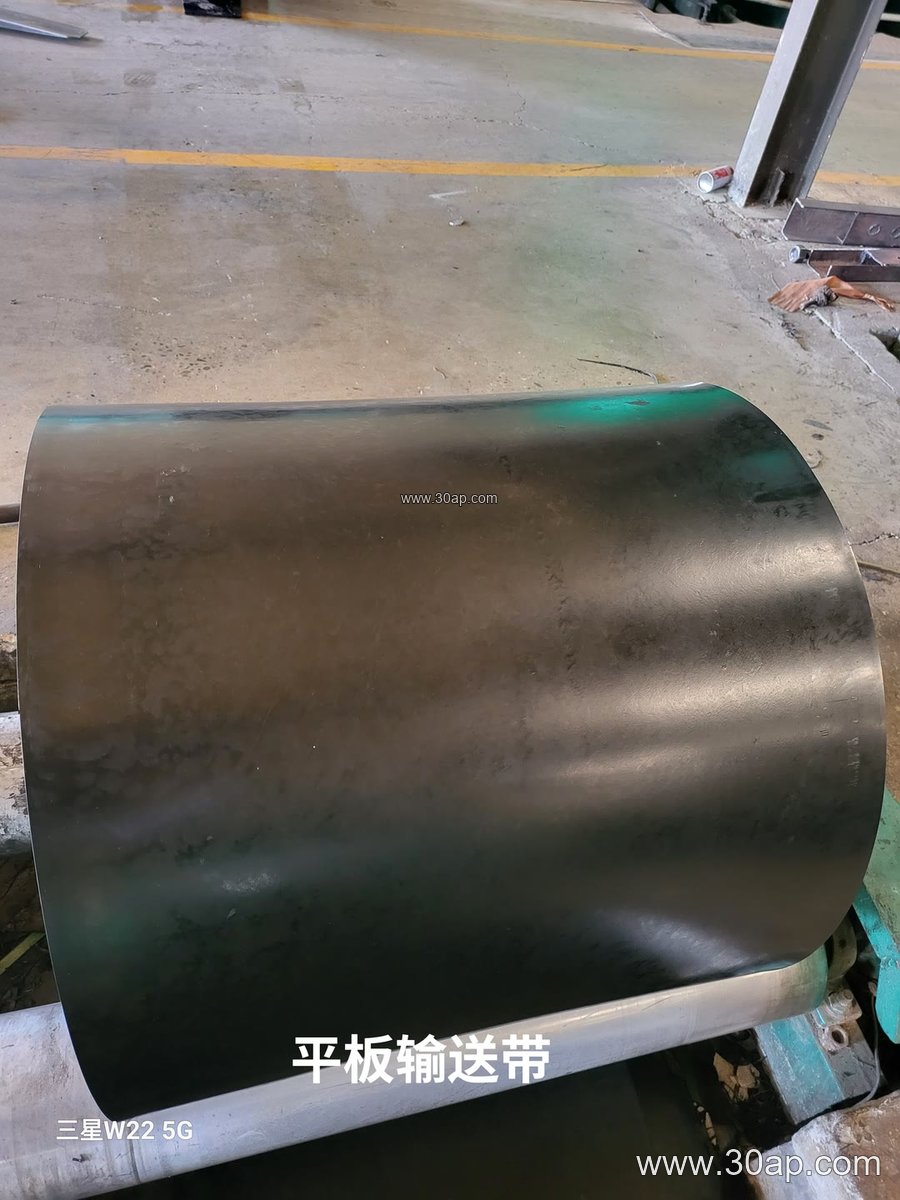
Where It Fits in a Conveyor Line
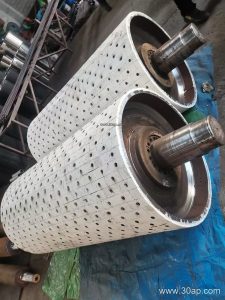
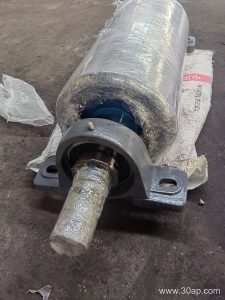
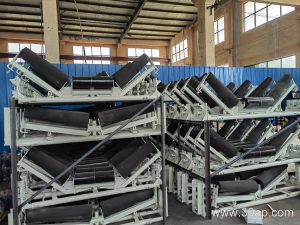
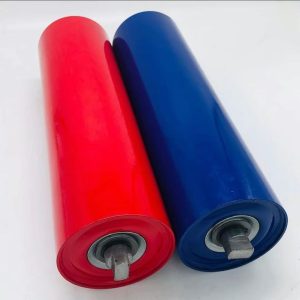
The belt runs over a drive pulley, tail pulley and bend pulleys, and is supported by idler rollers mounted on conveyor brackets. The drive pulley transmits power through friction, the tail pulley returns the belt, and bend pulleys guide it through changes in slope. None of these pulleys is interchangeable with another, so correct alignment and matching of belt width to pulley face width matter for stable tracking.
Typical applications include mining, coal preparation, cement kilns and clinker lines, power plant coal yards, sand and gravel plants, and port loading. In underground coal mining, flame retardant and anti-static grades are often requested. For hot clinker or sinter, a Heat Resistant Conveyor Belt may be needed, while oil-soaked scrap handling calls for an Oil Resistant Conveyor Belt. When material must be contained on an incline, a Chevron Conveyor Belt or Corrugated Sidewall Conveyor Belt may be compared, but these are different belt designs and not substitutes for the multi-ply fabric core product.
Common Strength Grades and Widths
EP fabric core belts are frequently specified by tensile strength per ply, such as EP200, EP315, EP400, EP500, EP630, EP800, EP1000, EP1250, EP1600 and EP2000. NN belts follow a similar naming pattern, for example NN100, NN200, NN300 and NN400. Belt widths commonly run from 500 mm to 2000 mm, with 650 mm, 800 mm, 1000 mm, 1200 mm and 1400 mm seen in many plants. Wide belts such as 1800 mm and 2000 mm appear on high-capacity main lines.
| Parameter | Common Reference Range |
|---|---|
| Fabric type | EP, NN, 2 to 6 plies |
| Strength grade | EP200 to EP2000, NN100 to NN400 |
| Belt width | 500 mm to 2000 mm |
| Cover thickness | 3+1.5 mm to 8+3 mm |
| Special grades | Heat, oil, flame, abrasion, cold resistant |
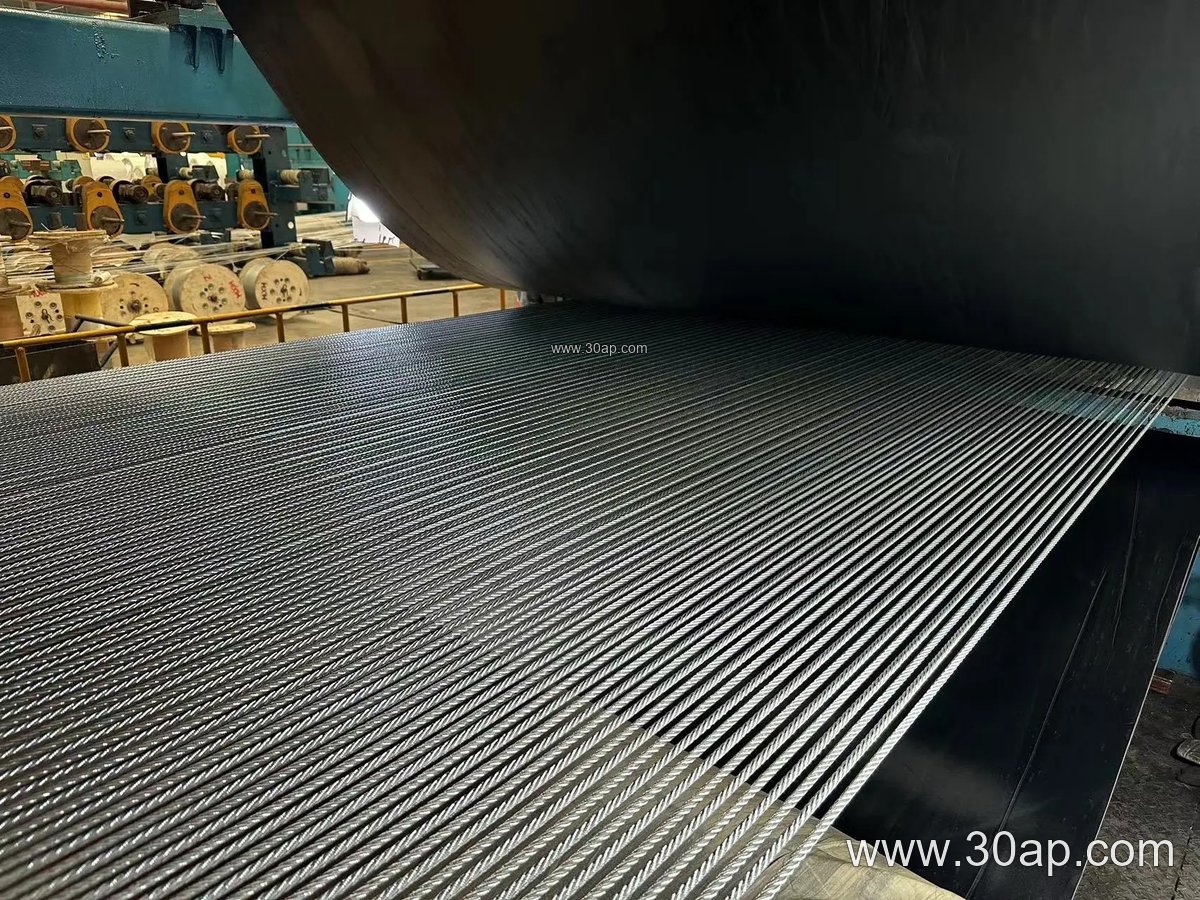
For very high tension or long overland routes, a Steel Cord Conveyor Belt is sometimes chosen instead, because steel cords carry more load per unit width. That is a design comparison, not a replacement for the fabric core belt in most plant and quarry duty.
Buyer Checklist
- Confirm the maximum lump size and drop height; impact resistance depends on ply count and cover thickness.
- State the material, moisture and temperature so the right cover compound is selected.
- Check pulley diameters against belt thickness and ply count to avoid excessive bending stress.
- Ask whether edges need protection or whether an Endless Conveyor Belt is required for the installation.
- Review splice method and available space at the transfer point.
For plant engineers sourcing belts, idler rollers, conveyor pulleys and brackets together, matching the belt grade to the conveyor profile is the first step toward reliable service. A well-specified Multi-Ply Fabric Core Conveyor Belt, whether EP or NN construction, can deliver long wear life in abrasive and demanding industrial environments.