What a High Strength Conveyor Belt Actually Is
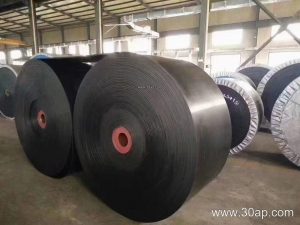
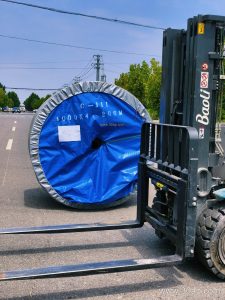
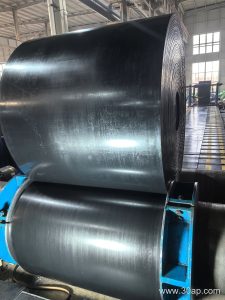
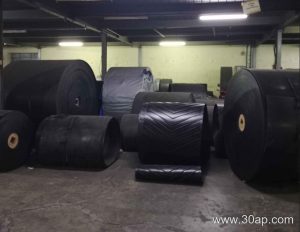
A high strength conveyor belt is a heavy-duty rubber belt designed to carry large tonnages over long distances without excessive stretch or splice fatigue. In practice, the term covers belts whose carcass — the load-bearing skeleton inside the rubber — is rated for high tensile strength per unit width. Buyers in mining, coal preparation, cement plants, power stations, ports and sand and gravel yards usually meet this product when a standard belt has become the bottleneck on a main haulage line.
The product is also described as a heavy-duty conveyor belt or a high-tension belt, and those names point to the same article: a belt engineered for high breaking strength, low elongation and stable tracking under continuous load.
How the Carcass Delivers the Strength
Strength comes from the carcass, not from the cover rubber. Two families dominate:
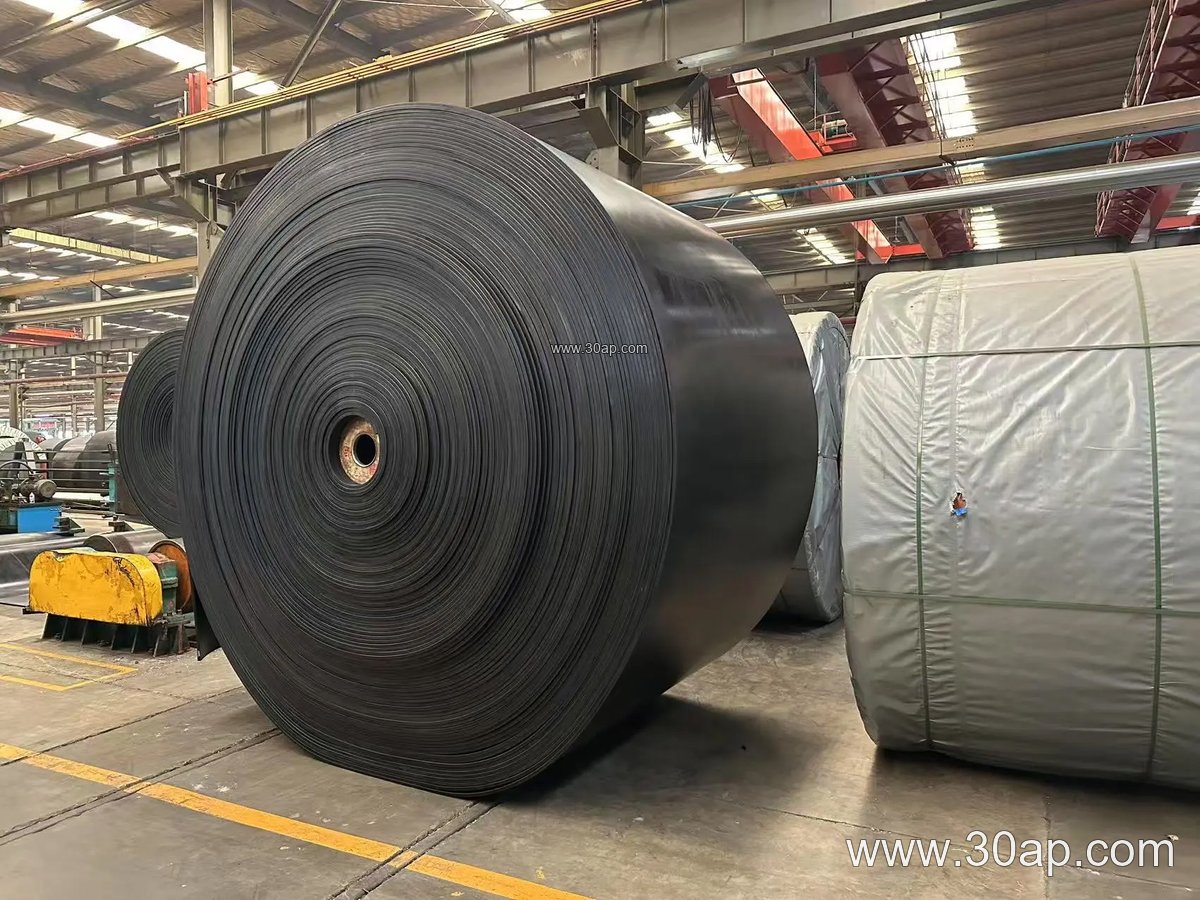
- Fabric core belts — EP conveyor belt (polyester warp, nylon weft) and NN conveyor belt (nylon warp and weft). Multi-ply fabric core construction with 2 to 6 plies is common, and each ply adds tensile capacity.
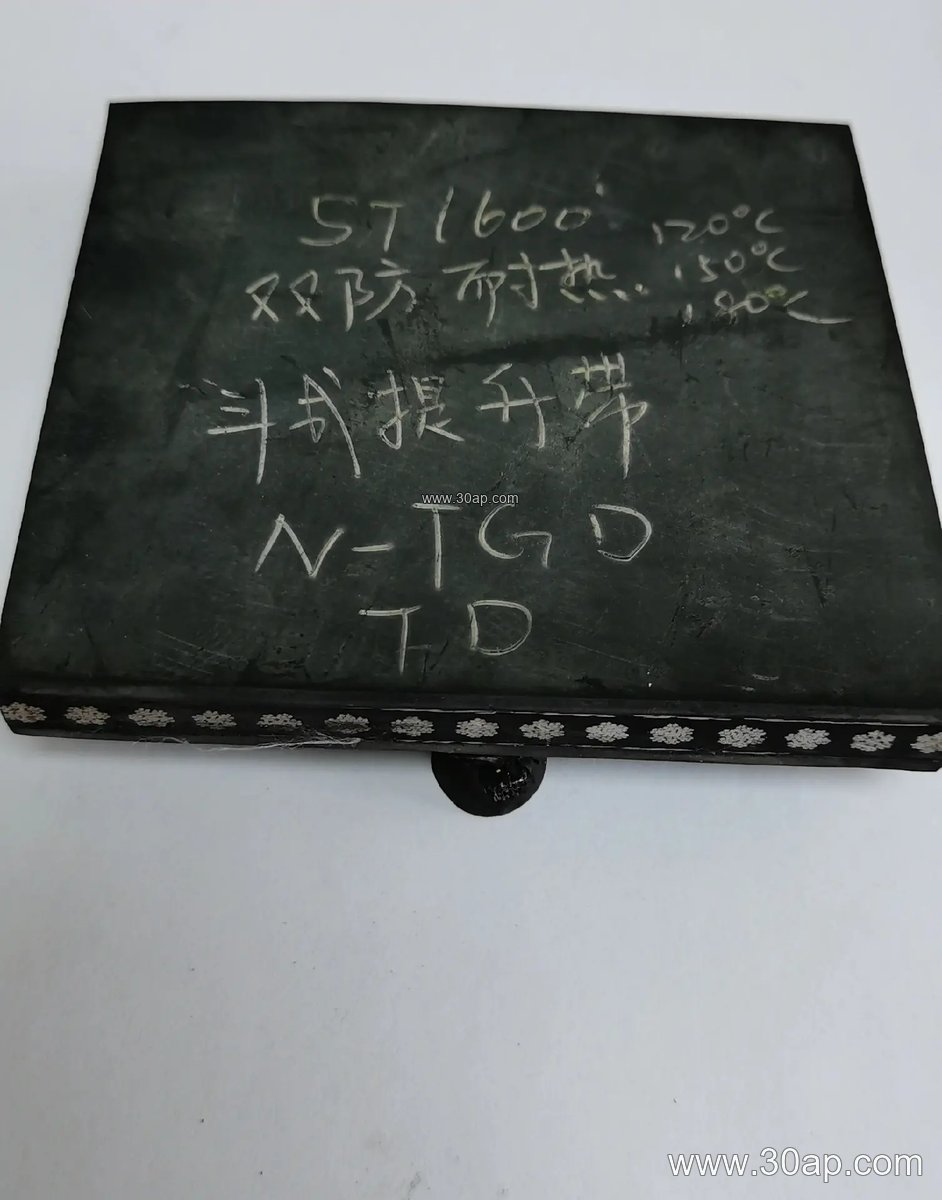
- Steel cord belts — brass-plated steel cords embedded in rubber, used where a single belt must span very long conveyors with minimal stretch. ST1000 through ST3150 are typical strength designations.
Fabric belts are frequently specified by grade: EP200, EP315, EP400, EP500, EP630, EP800, EP1000, EP1250, EP1600 and EP2000. NN grades run in a similar pattern, such as NN100 up to NN400. Higher numbers mean higher rated tension, so an EP1000 belt carries roughly five times the load of an EP200 of the same width and ply count.
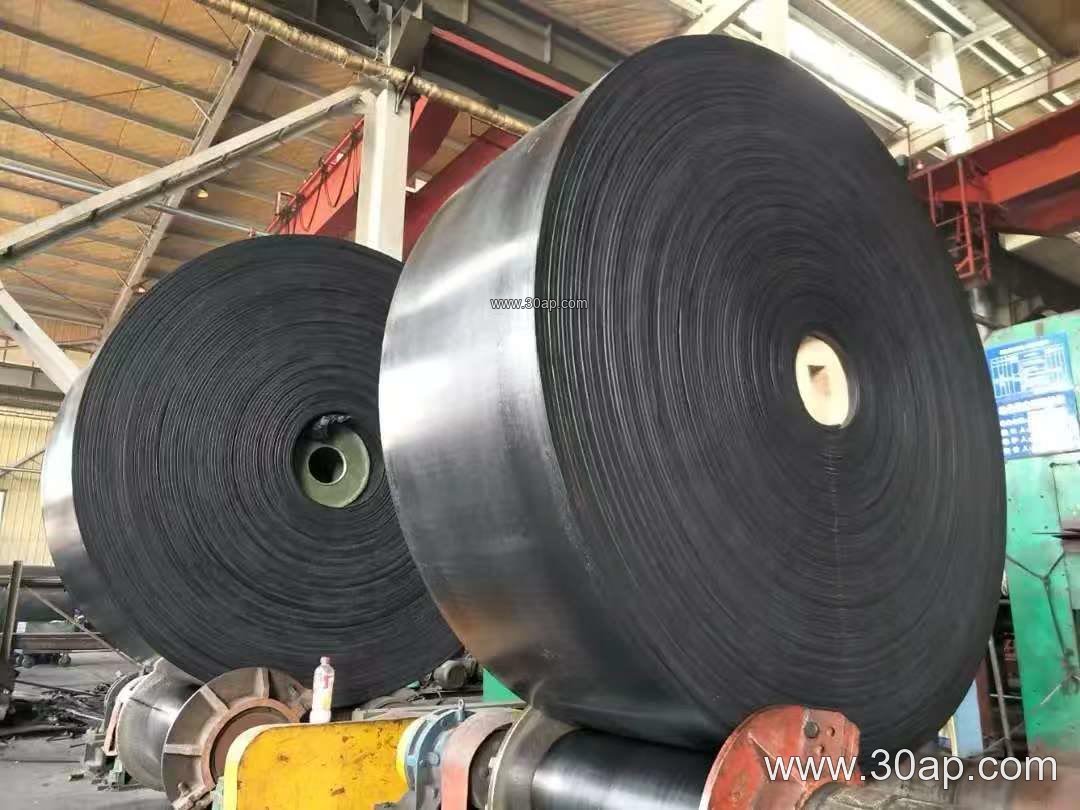
Cover compound and thickness
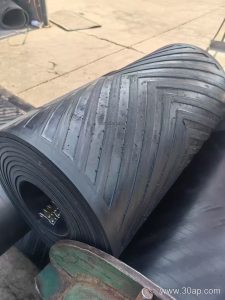
The cover protects the carcass from the material being carried. Common constructions are 3+1.5 mm, 4+2 mm, 5+2 mm, 6+2 mm and 8+3 mm (top cover plus bottom cover). For abrasive rock or ore, an abrasion resistant conveyor belt cover with a harder compound is usual; for cement clinker or sinter, a heat resistant conveyor belt grade helps; for coal underground, a flame retardant conveyor belt with anti-static properties is normally required.
Typical Duty Points Across Industries
In a metal mine, a high strength belt often runs on the main ore conveyor between the crusher and the concentrator, carrying copper ore, iron ore or gold ore at high tonnage. Coal mining conveyors use flame retardant and anti-static grades, including PVG conveyor belts in underground coal mining conveyors where the whole belt must meet fire-safety rules. Cement plants use heat resistant belts on clinker lines and abrasion resistant belts on limestone and raw meal. Power plants rely on heavy-duty belts for coal yard and boiler feed systems. Quarries and sand making plants use them on primary and secondary crushing lines, where impact resistant covers reduce damage at transfer points.
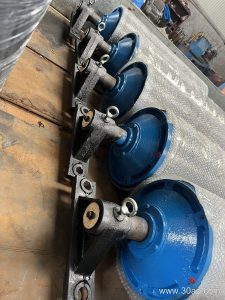
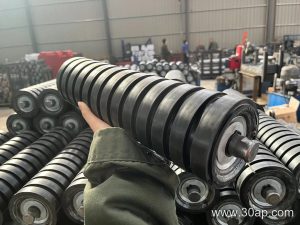
Whatever the industry, the belt works with conveyor pulleys, idler rollers and conveyor brackets on the same frame. Drive pulleys transmit torque, tail pulleys return the belt, and bend pulleys change direction — these are separate components with separate duties and are not interchangeable.
Specification Points Buyers Should Confirm
Belt width and strength grade must be matched to the conveyor design, not chosen in isolation. Common widths include B500, B650, B800, B1000, B1200, B1400, B1600, B1800 and B2000. A wider belt does not automatically suit a larger pulley, and pulley diameter should follow the belt manufacturer’s recommendation for carcass thickness and ply count.
| Parameter | Typical reference values | Notes |
|---|---|---|
| Strength grade | EP200 to EP2000; ST1000 to ST3150 | Selected by calculated tension, safety factor and splice efficiency |
| Belt width | B500, B650, B800, B1000, B1200, B1400, B1600, B1800, B2000 | Must match troughing idlers and pulley face width |
| Cover thickness | 3+1.5, 4+2, 5+2, 6+2, 8+3 mm | Top cover sized to material lump size and abrasiveness |
| Ply count | 2 to 6 plies (fabric core) | More plies raise strength but also belt weight and stiffness |
Selection and maintenance notes
Check the calculated operating tension with the splice efficiency, because a high strength belt is only as strong as its joint. Confirm cover grade against the actual material temperature, oil content and fire risk. On site, keep idler rollers turning freely and inspect pulley lagging, since a seized roller can damage even a heavy-duty belt quickly. Store spare belts flat and shaded, and track belt elongation during the first weeks of running so take-up travel stays within range.
When the conveyor duty changes — a longer route, a higher lift or a larger lump size — revisit the belt grade and cover rather than simply increasing belt width.