What a Trough Idler Does on a Conveyor
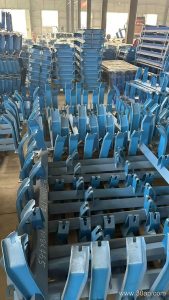
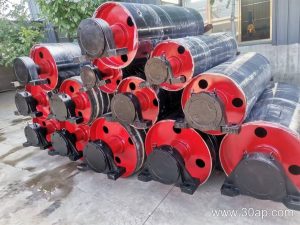
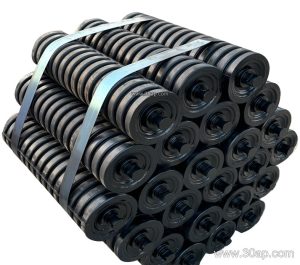
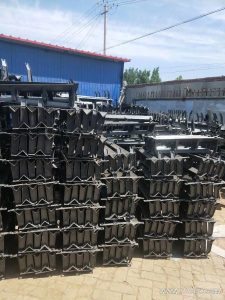
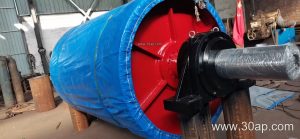
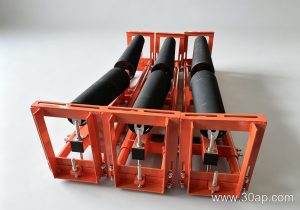
A trough idler is the assembly of rollers that supports the carrying run of a conveyor belt and shapes it into a trough. By forming the belt into a U or V profile, it keeps bulk material centered and reduces spillage. The most common arrangement is the three-roll trough set, where two side rollers are inclined at a trough angle and a center roller sits flat. This idler roller group works together with the conveyor pulley at the head and tail, and the conveyor bracket that holds the assembly in place. In a quarry or a cement plant, the trough idler is often the most numerous component on the entire conveyor line.
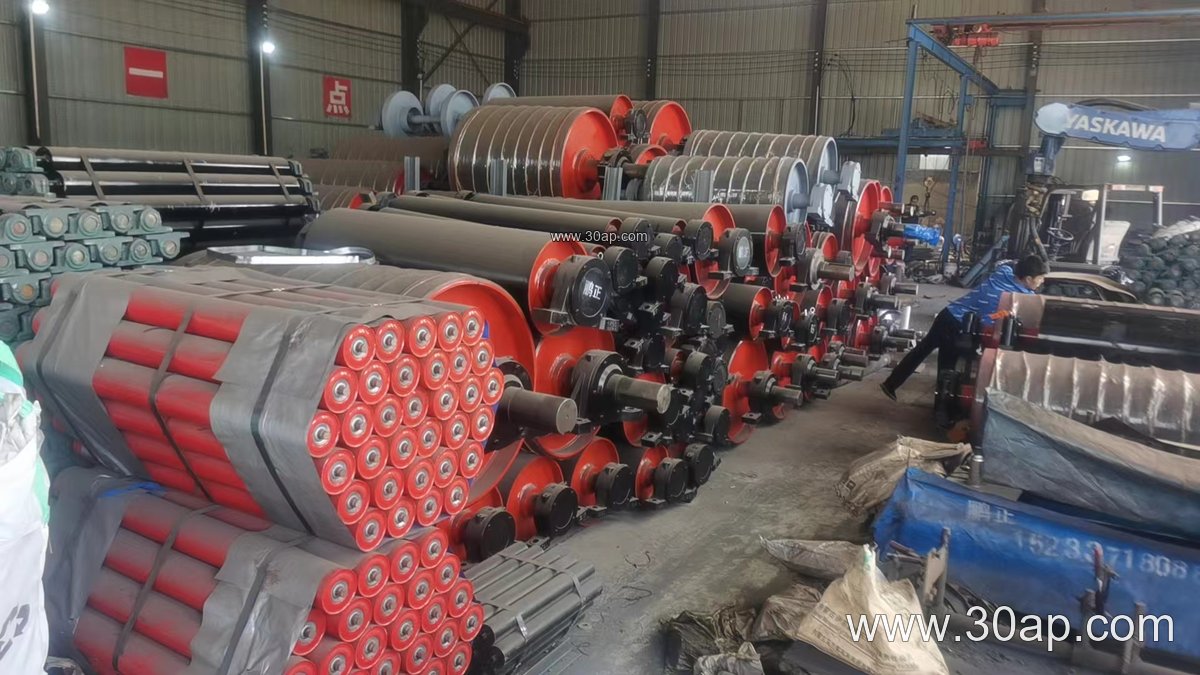
Construction and Common Configurations
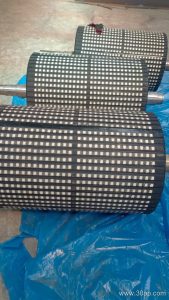
Each roller in a trough set usually consists of a steel tube shell, a shaft, bearing housings, and seals. Roller surfaces may be plain steel, nylon, ceramic, or rubber rings depending on the duty. The three-roll trough set is standard for most bulk handling, while two-roll and single-roll versions appear in narrower or special conveyors. Trough angles are commonly 20, 30, 35, or 45 degrees; a 35-degree set is a frequent choice for general aggregate and ore conveying. Roller diameters range from about Ø63 mm up to Ø219 mm, and the shaft and bearing selection should follow the actual load rather than a fixed rule based on belt width alone.
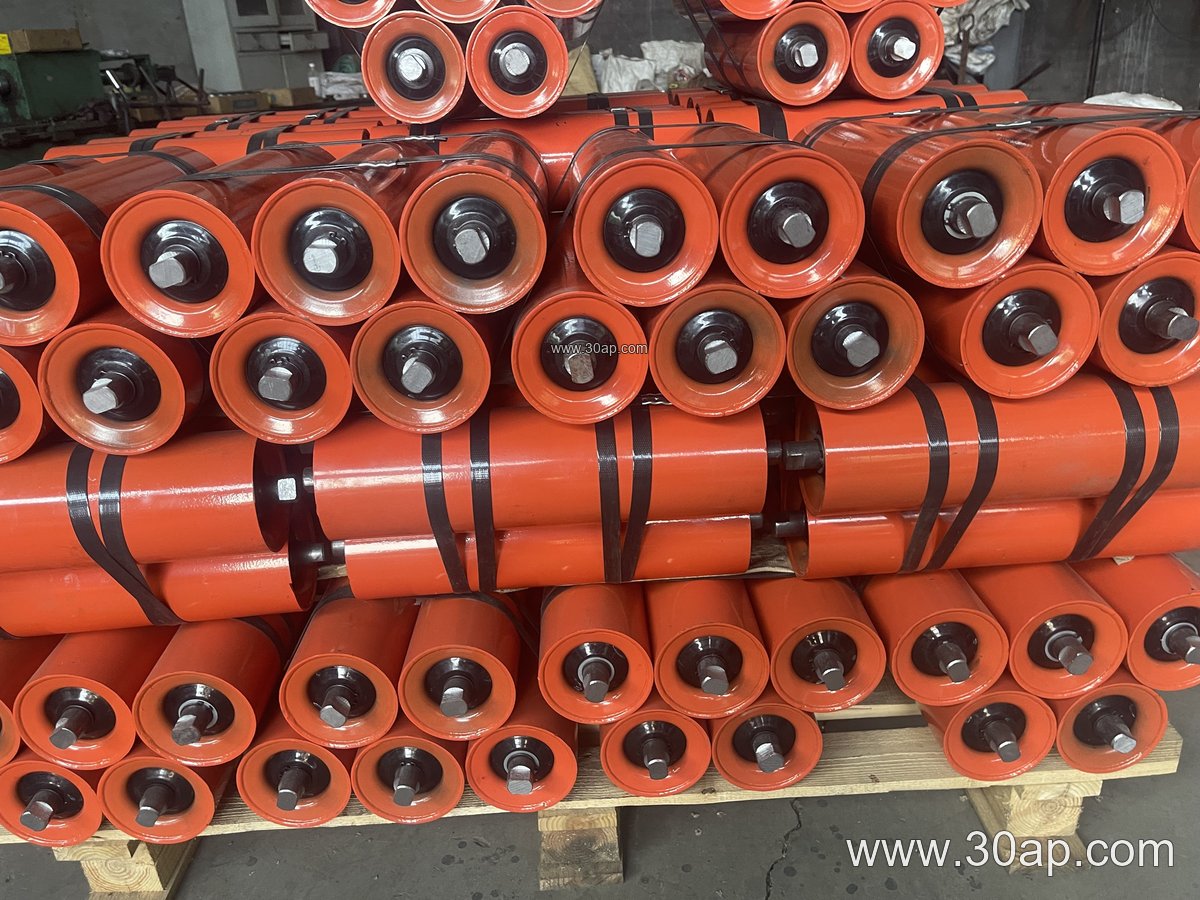
Typical Reference Data for Trough Idler Sets
| Belt width | Common roller length (three-roll set) | Typical trough angle | Common roller diameter range |
|---|---|---|---|
| B500 | about 200 mm | 20–35° | Ø63–Ø89 mm |
| B650 | about 250 mm | 20–35° | Ø76–Ø108 mm |
| B800 | about 315 mm | 30–35° | Ø89–Ø127 mm |
| B1000 | about 380 mm | 30–35° | Ø89–Ø133 mm |
| B1200 | about 465 mm | 30–35° | Ø108–Ø159 mm |
| B1400 | about 530 mm | 30–45° | Ø108–Ø178 mm |
| B1600 | about 600 mm | 35–45° | Ø127–Ø194 mm |
| B1800 | about 670 mm | 35–45° | Ø133–Ø219 mm |
These values are common examples, not fixed matches. Side rollers and center rollers can differ in length, and the final dimensions should be confirmed by the conveyor design. For a heavy-duty mining conveyor belt carrying iron ore or copper ore, larger diameters and thicker shells are often selected to handle impact and abrasion.
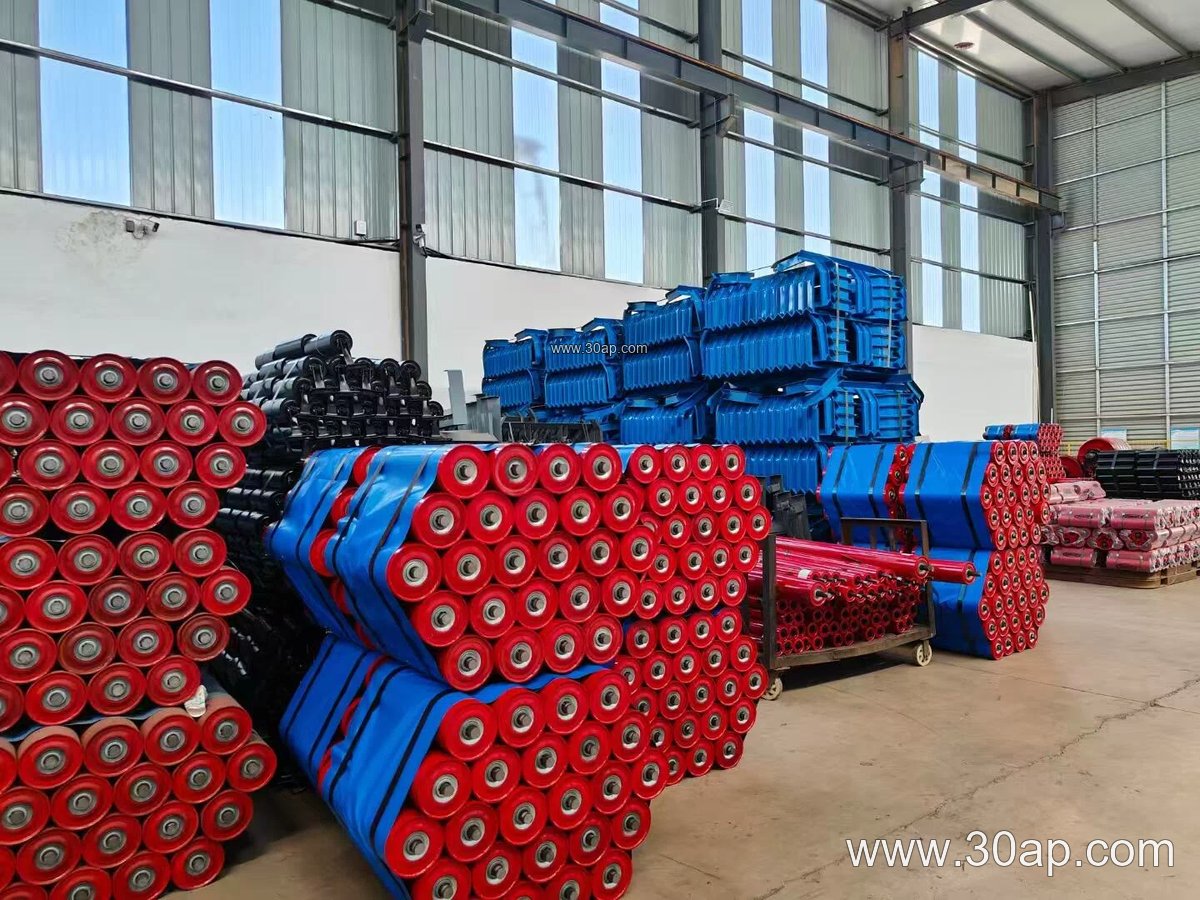
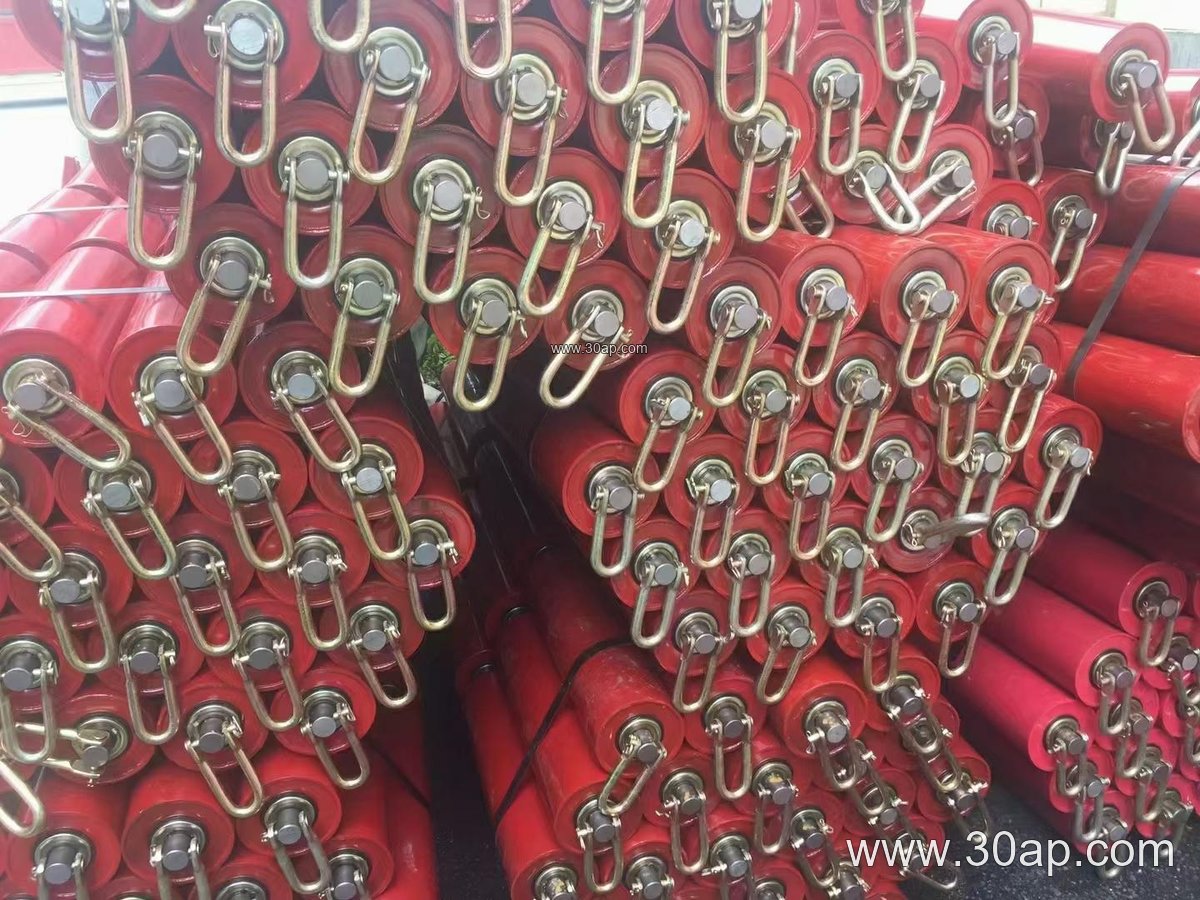
Where Trough Idlers Are Used
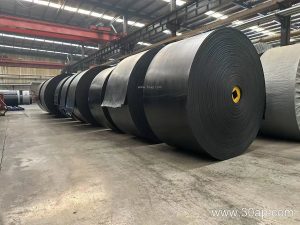
You will find trough idlers in almost every bulk material handling line. In a coal mining conveyor belt system, flame retardant and anti-static properties of the belt are critical, but the idler set still determines how well the material stays on the belt. In a limestone quarry or aggregate conveyor belt line, three-roll trough sets with 35-degree angles are common for crushed stone. Cement plants use them on clinker and raw meal conveyors, while power plant coal handling relies on them for continuous fuel feed. The trough idler also appears in port ship loading conveyors, steel plant sinter lines, and tunnel muck removal. In all these cases, the idler works with the conveyor belt, conveyor pulley, and conveyor bracket as a system.
Selection Points for Buyers
Choosing a trough idler starts with the belt width, the material lump size, and the tonnage per hour. A wider belt such as 1200 mm or 1400 mm needs a longer roller and usually a larger shaft, but there is no single shaft diameter that applies to every 1200 mm belt. The trough angle affects material cross-section and spillage; a 45-degree set gives a deeper trough for fine, free-flowing material, while a 20-degree set may suit flat or sticky loads. Roller surface choice matters too: rubber rings help absorb impact at transfer points, ceramic or nylon surfaces can reduce wear in abrasive service, and plain steel is common for general duty. Bearing sizes such as 6204, 6205, 6305, 6306, 6308, and 6310 appear across different roller diameters, so match the bearing to the load and speed rather than to the roller diameter alone. Finally, check the seal design for dusty or wet conditions, and confirm that the idler frame fits the existing conveyor bracket spacing.
Maintenance and Troubleshooting
Seized or worn trough idlers can cause belt tracking problems, edge damage, and extra power draw. Inspect rollers for play, noise, and surface wear, and check that the trough set is aligned square to the belt. In a dusty coal mining conveyor belt or a cement plant, sealed bearings and proper lubrication intervals extend service life. If material spillage increases, verify the trough angle and roller condition before blaming the conveyor pulley or belt. Keeping the trough idler set in good order protects the conveyor belt and keeps the whole line running smoothly.