What a Rubber Conveyor Belt Is
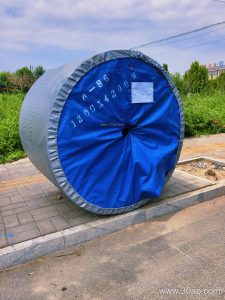
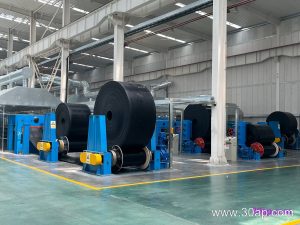
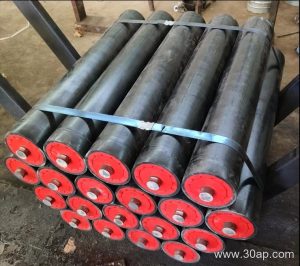
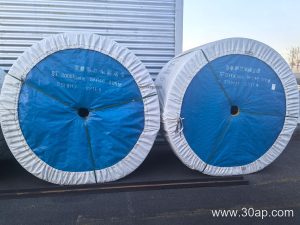
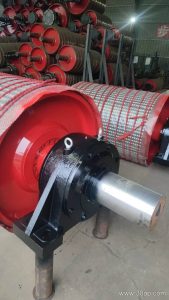
A rubber conveyor belt is the load-carrying element of a belt conveyor, and it is usually the single most expensive wear part in the system. Its job is simple to describe and hard to do well: carry bulk material over long distances, absorb impact at transfer points, and keep tracking straight on the structure. In a quarry, a cement plant or a coal handling system, the belt runs over idler rollers, wraps the head and tail pulleys, and is held in line by conveyor brackets and frame members. Each of those parts has its own role, and none substitutes for another.
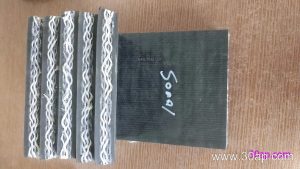
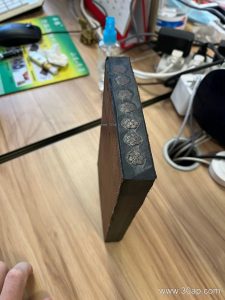
The core is the strength member. Fabric cores use woven EP (polyester-nylon) or NN (nylon-nylon) plies, while steel cord belts use brass-plated wires. The rubber covers protect the core from abrasion, heat, oil and moisture. Buyers often search by product family, for example Rubber Conveyor Belt or Fabric Core Conveyor Belt, but the specification that matters is the combination of core type, strength class, cover grade and dimensions.
Construction and Common Specifications
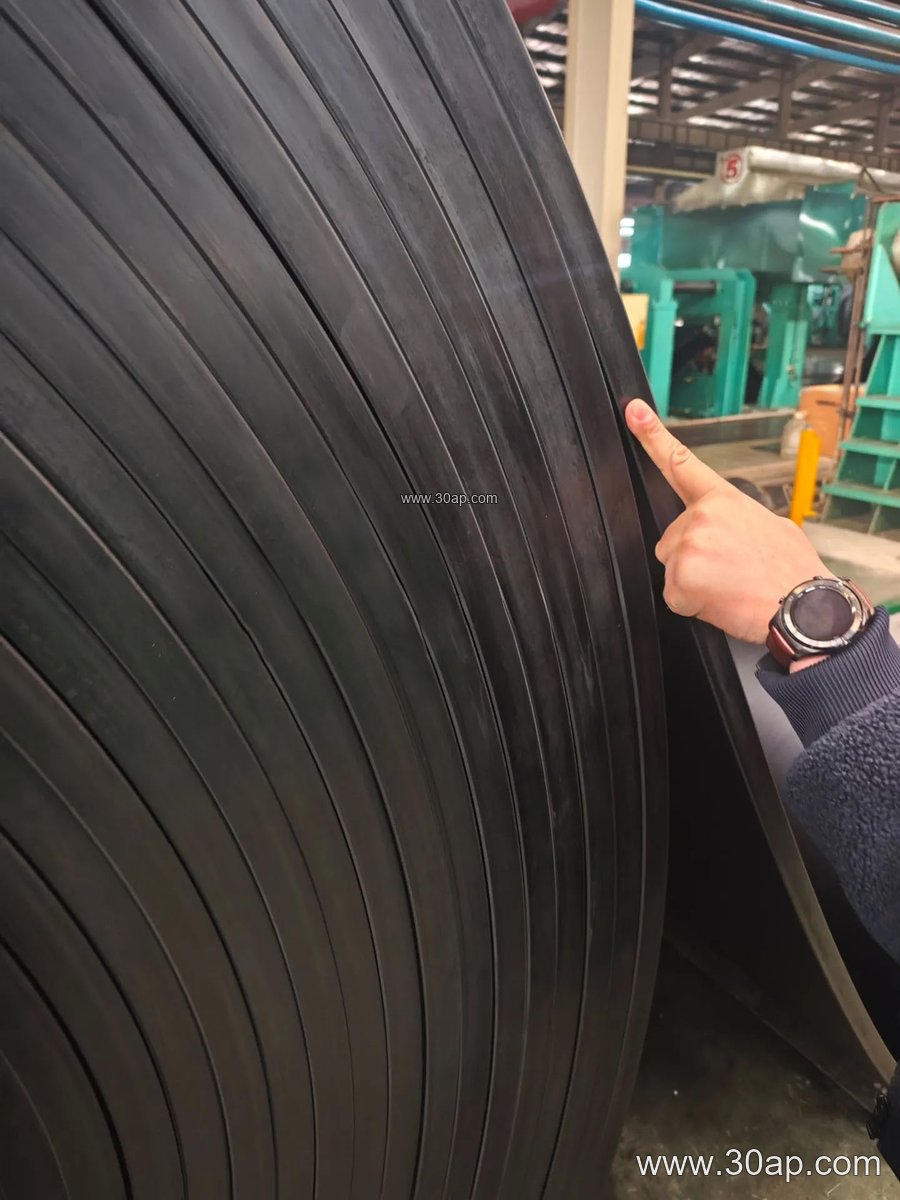
A typical construction is a multi-ply fabric core with top and bottom covers. Two to six plies are common, and cover thickness is usually given as top plus bottom, such as 4+2 mm or 6+2 mm. Steel cord belts are used where tension is high and stretch must stay low. The table below shows reference values only; actual supply is confirmed per design.
| Parameter | Common reference values |
|---|---|
| Core type | EP, NN, steel cord, PVC/PVG solid woven |
| Strength class | EP200 to EP2000; ST1000 to ST3150 |
| Belt width | B500, B650, B800, B1000, B1200, B1400, B1600, B1800, B2000 |
| Cover thickness | 3+1.5, 4+2, 5+2, 6+2, 8+3 mm |
| Ply count | 2 to 6 plies for fabric cores |
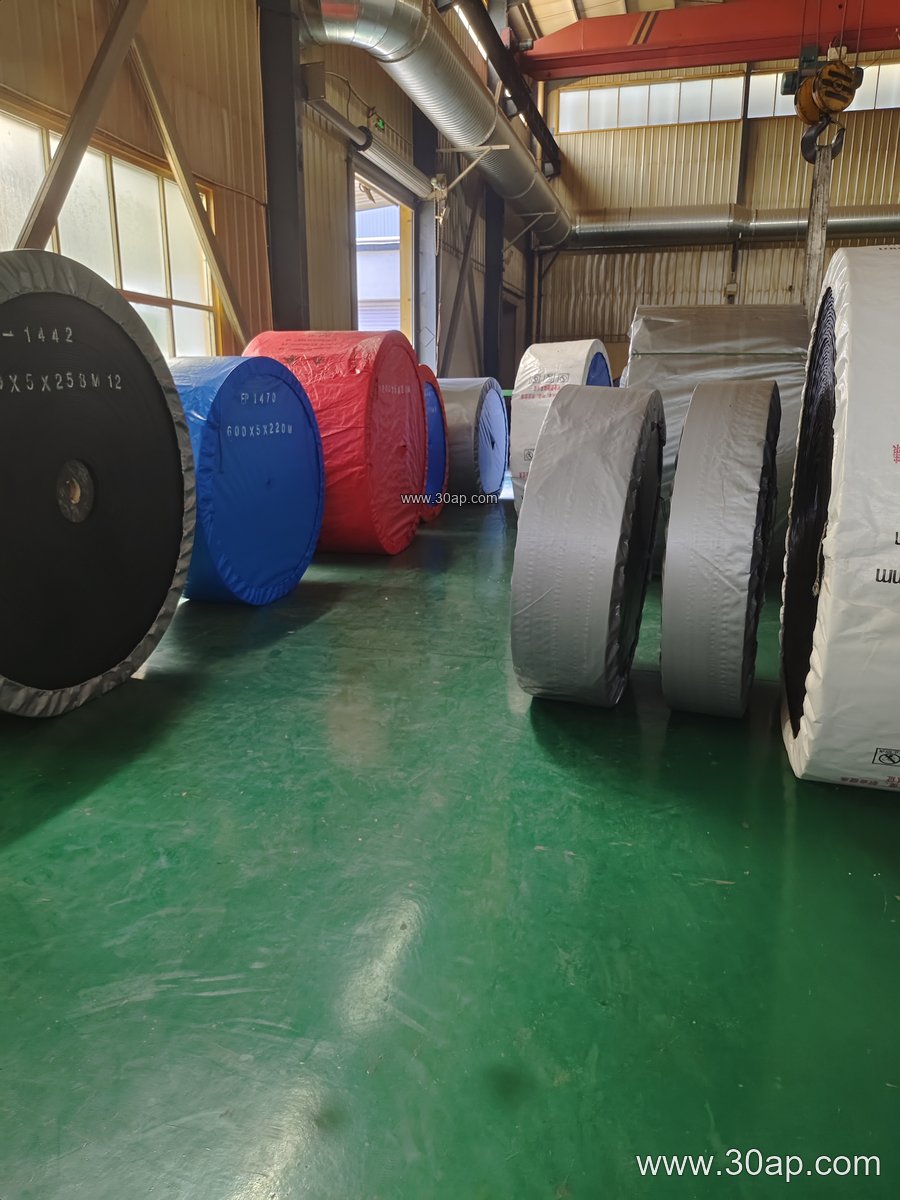
Surface forms change how material is held on the incline. A Chevron Conveyor Belt uses raised ribs, a Corrugated Sidewall Conveyor Belt uses cleats and sidewalls, and a Skirted Conveyor Belt controls spillage at the edges. A Pipe Conveyor Belt folds into a tube for dust control and curved routes. An Endless Conveyor Belt is vulcanized jointless for critical drives.
Where It Works
Mining is the largest user. A Mining Conveyor Belt in an underground coal mine usually needs flame retardancy and anti-static properties, which is why PVG800S and similar solid woven belts appear in underground coal mining conveyors. On the surface, an Abrasion Resistant Conveyor Belt handles iron ore, copper ore and rock, while a Heat Resistant Conveyor Belt suits cement clinker and sinter. Power plants rely on fire resistant grades for coal handling, and ports use wide belts for ship loading.
Condition-specific grades matter as much as strength. Oil Resistant Conveyor Belt covers are used around oil-soaked scrap and machinery, Cold Resistant Conveyor Belt compounds suit freezing winters, and Acid Resistant Conveyor Belt or Chemical Resistant Conveyor Belt grades appear in fertilizer and chemical plants. Food Grade Conveyor Belt covers are chosen for sugar, grain and packaged food lines. For more on matching belts to pulleys and rollers, see conveyor belt guidance and conveyor pulley notes.
Selection Points for Buyers
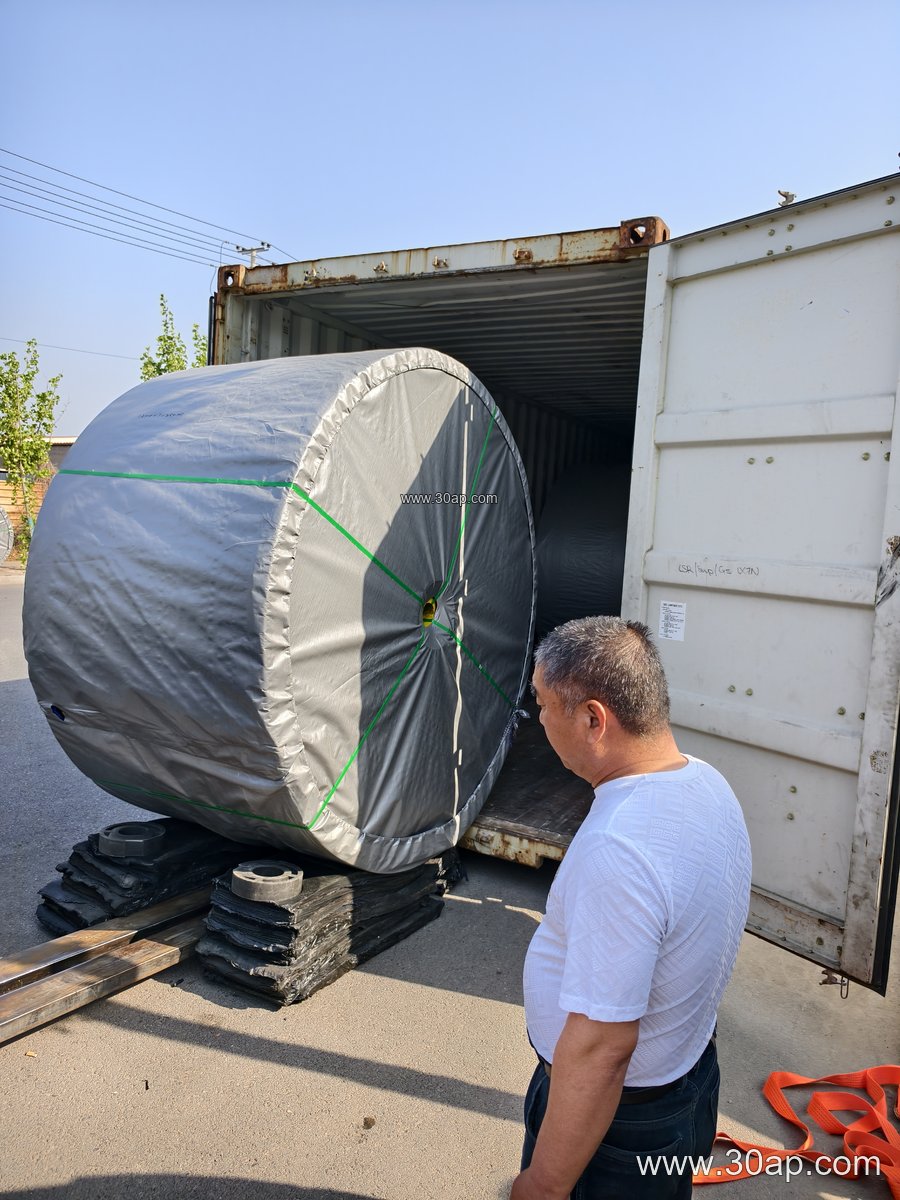
- Confirm the peak tension and take-up travel before choosing EP1000, EP1250 or a steel cord class.
- Match cover grade to the actual material: sharp rock, hot clinker, oily scrap or coal dust.
- Check belt width against the loading chute and the pulley face, not against a single rule of thumb.
- Review impact at the transfer point; an Impact Resistant Conveyor Belt or extra cover thickness may be justified.
- For underground work, confirm flame retardant and anti-static requirements with the site engineer.
Installation quality decides service life. Square splices, correct pulley alignment and free-turning idler rollers prevent edge damage and mistracking. Keep the skirt rubber and conveyor brackets adjusted so material does not lodge under the belt. A Heavy-Duty Conveyor Belt is not a substitute for good maintenance; it simply tolerates more abuse before failure.
Maintenance and Replacement
Inspect covers for cuts, gouges and exposed fabric, especially after the first weeks of running. Track splice wear, check pulley lagging and confirm that all idler rollers rotate freely. Replace a belt when the core is damaged across a significant width or when cover loss exposes the carcass over a long section. For high-tension installations, plan a controlled shutdown and verify the replacement class matches the original design.
Whether the line handles ore in a gold mine, aggregate in a sand making plant or coal in a power station, the belt is selected by tension, environment and material, not by name alone. Review the full conveyor layout, including pulleys, rollers and brackets, before ordering.