What a Heavy-Duty Conveyor Belt Is Built For
A heavy-duty conveyor belt is the load-bearing element in a bulk handling system where tonnage, lump size and operating hours are all high. Compared with a general-purpose belt, it uses thicker covers, stronger carcass layers and more robust splices so that it can keep running through shift changes, wet seasons and dusty conditions. You will see this class of belt in mines, coal preparation plants, cement works, power stations, quarries, sand and gravel yards, steel plants and port terminals.
The product is often described by its construction family, for example a Steel Cord Conveyor Belt or a Multi-Ply Fabric Core Conveyor Belt. Both are heavy-duty conveyor belt options; the choice depends on the duty and the conveyor profile, not on a single rule.
Construction and Naming
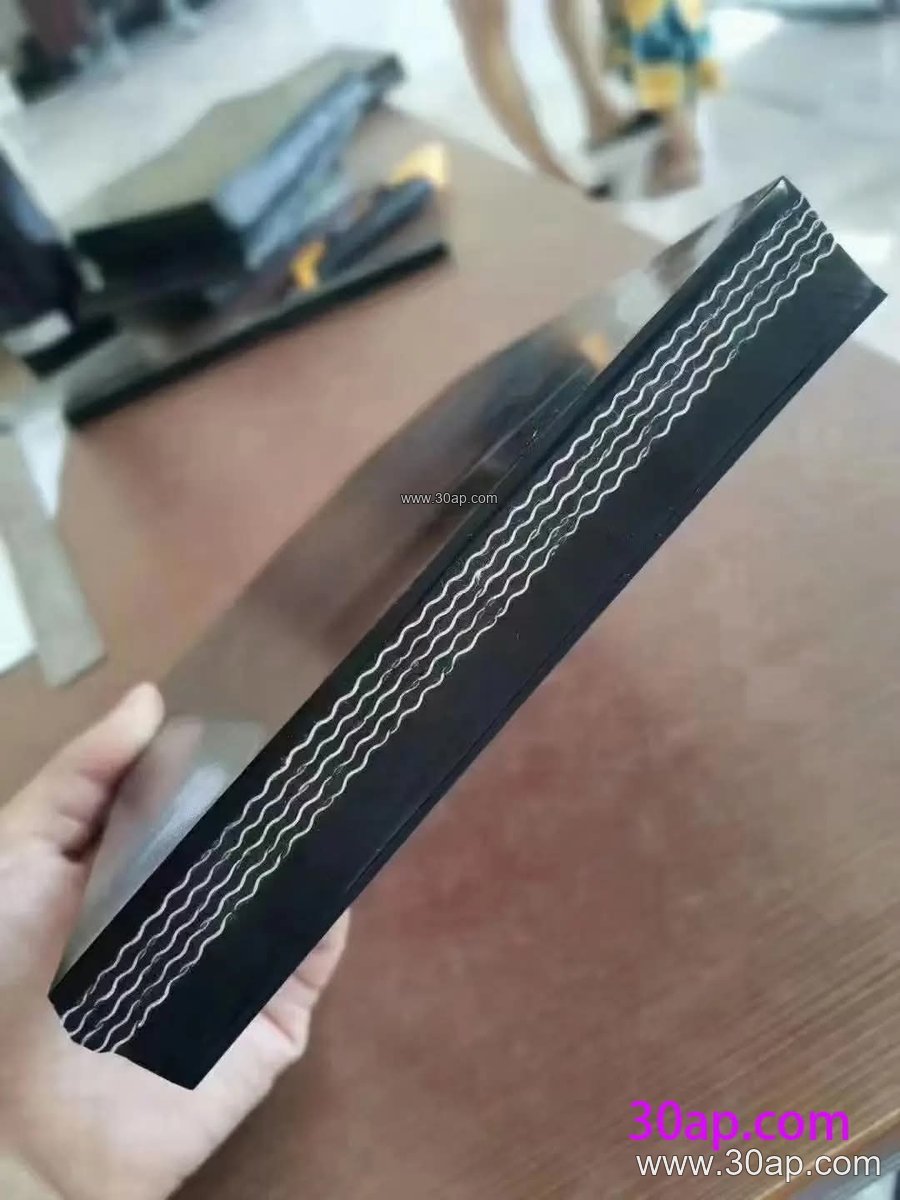
A heavy-duty belt usually combines a carcass, a bond system and rubber covers. Fabric-cored belts use EP (polyester-cotton) or NN (nylon) plies; steel cord belts use brass-plated wires in place of plies. Cover compounds are selected for the cargo: an Abrasion Resistant Conveyor Belt for sharp rock, a Heat Resistant Conveyor Belt for clinker or sinter, a Flame Retardant Conveyor Belt or Fire Resistant Conveyor Belt for coal service, and an Oil Resistant Conveyor Belt where lubricants or oily feedstock are present.
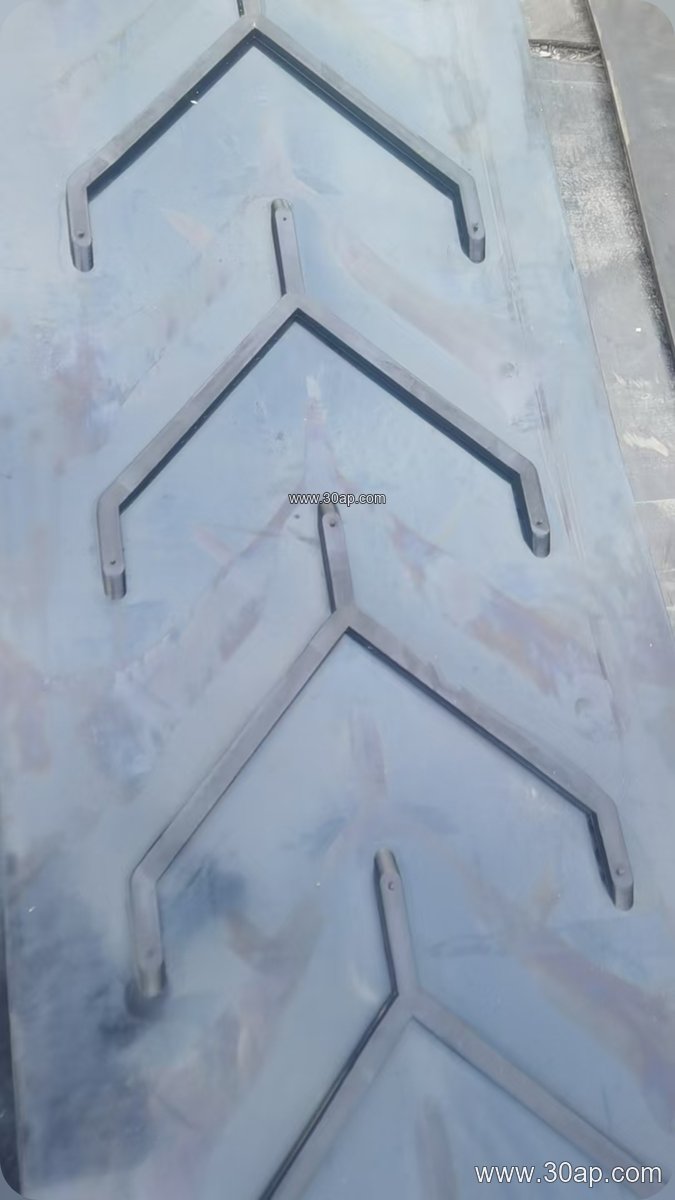
Special profiles also count as heavy-duty variants. A Chevron Conveyor Belt or Corrugated Sidewall Conveyor Belt handles steep inclines; a Skirted Conveyor Belt contains material at transfer points; a Pipe Conveyor Belt encloses the load for dust control and curved routes. These are profile choices, not replacements for the base belt class.
Common reference data
The values below are typical reference ranges. Actual construction is confirmed by the belt designer for each conveyor.
| Item | Typical reference range |
|---|---|
| Fabric belt strength grades | EP200, EP315, EP400, EP500, EP630, EP800, EP1000, EP1250, EP1600, EP2000 |
| Steel cord grades | ST1000, ST1250, ST1600, ST2000, ST2500, ST3150 |
| Belt width | B500, B650, B800, B1000, B1200, B1400, B1600, B1800, B2000 |
| Cover thickness | 3+1.5, 4+2, 5+2, 6+2, 8+3 mm |
| Carcass plies (fabric) | Usually 2 to 6 plies |
Where It Fits in the Plant
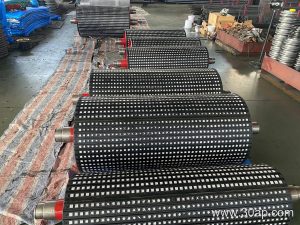
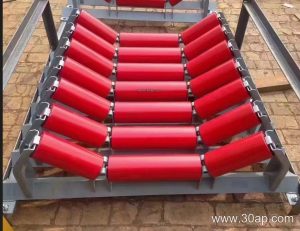
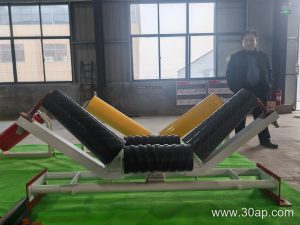
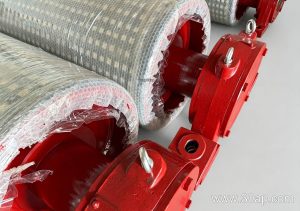
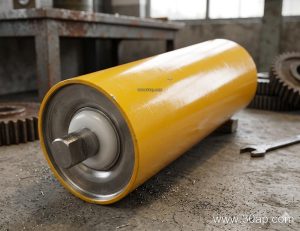
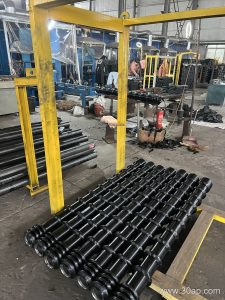
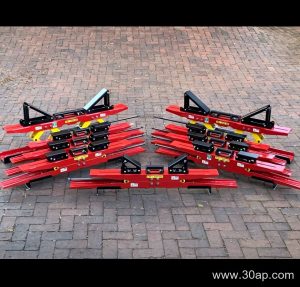
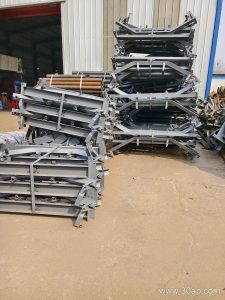
In a mine or coal washing plant, the belt works with conveyor pulleys, idler rollers and conveyor brackets to form the complete line. Drive, tail and bend pulleys each have a distinct role and are not interchangeable; the belt specification must suit all of them. The same applies to troughing and return idlers, whose spacing and diameter affect belt sag and cover wear.
At a cement plant, a heavy-duty conveyor belt may carry limestone from the crusher, clinker from the cooler or additives from the yard. At a power plant it moves coal from stockpile to bunker; at a port it loads ships. Quarries and aggregate plants use it between screens and stockpiles, where impact at the loading point is often the limiting factor. In each case, the belt is matched to the material, the incline angle and the expected service life.
What Buyers Should Check
- Load and lump size: define the maximum lump and drop height so impact resistance and cover thickness can be set.
- Strength grade: confirm the required tension rating and safety factor with the conveyor designer; EP and ST grades are not directly interchangeable.
- Environment: state temperature, moisture, oil exposure and fire risk. A cold climate may call for a Cold Resistant Conveyor Belt, while a coal mine may require anti-static and flame-retardant properties.
- Width and profile: check that the belt width suits the pulley face and the troughing idlers, and that sidewalls or cleats clear the conveyor brackets.
- Splice method: vulcanized splices are usual for heavy-duty service; the belt supplier and the splicing crew should agree on the procedure.
- Documentation: ask for the construction drawing, cover compound data and recommended storage and handling instructions.
Maintenance and Long Life
Most heavy-duty belt failures start at the loading point or the splice. Regular checks of idler rotation, pulley lagging and skirt rubber help prevent edge damage and cover gouging. Keep the belt tracking straight, clean spillage from return runs and monitor cover wear so that a worn belt is replaced before the carcass is exposed. For more on matching belts with conveyor pulleys, idler rollers and conveyor brackets, visit beltstacker.com for related product information.
Choosing a heavy-duty conveyor belt is a system decision. Start from the duty, then confirm the carcass type, cover grade, width and profile against the actual conveyor layout. A well-specified belt and a disciplined maintenance routine will deliver the service life the plant expects.