What an Integral Pulley Actually Is
An integral pulley is a conveyor pulley whose shell, end discs and hub assembly are built as one continuous, welded structure rather than a shell slipped over a separate shaft with clamped hubs. In day-to-day plant language, people often just call it a conveyor pulley or a drum pulley, but the word “integral” points to how the body is made. The shaft is welded into the end discs, the shell is machined as a single unit, and the whole assembly is balanced and finished together. That construction matters on heavy-duty lines where a loose hub or a creeping shell would soon cause belt tracking problems.
Because the pulley is a single structural unit, it is usually chosen where the conveyor carries high tension or where downtime is expensive. A quarry conveyor belt or a crusher conveyor belt feeding a primary stage is a typical home for this design, and so is a cement plant clinker line that runs for long shifts.
How the Body Is Built
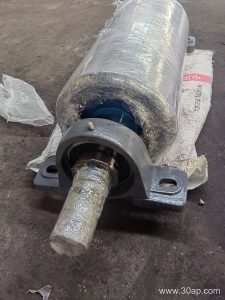
The shell is normally rolled from steel plate, with the thickness selected from the belt tension and the load carried. End discs are welded to the shell, and the shaft passes through the discs and is welded in place. After welding, the shell is machined true and the surface is prepared for lagging. The result is a stiff drum that resists deflection across the face width, which helps the conveyor belt run flat and reduces edge stress.
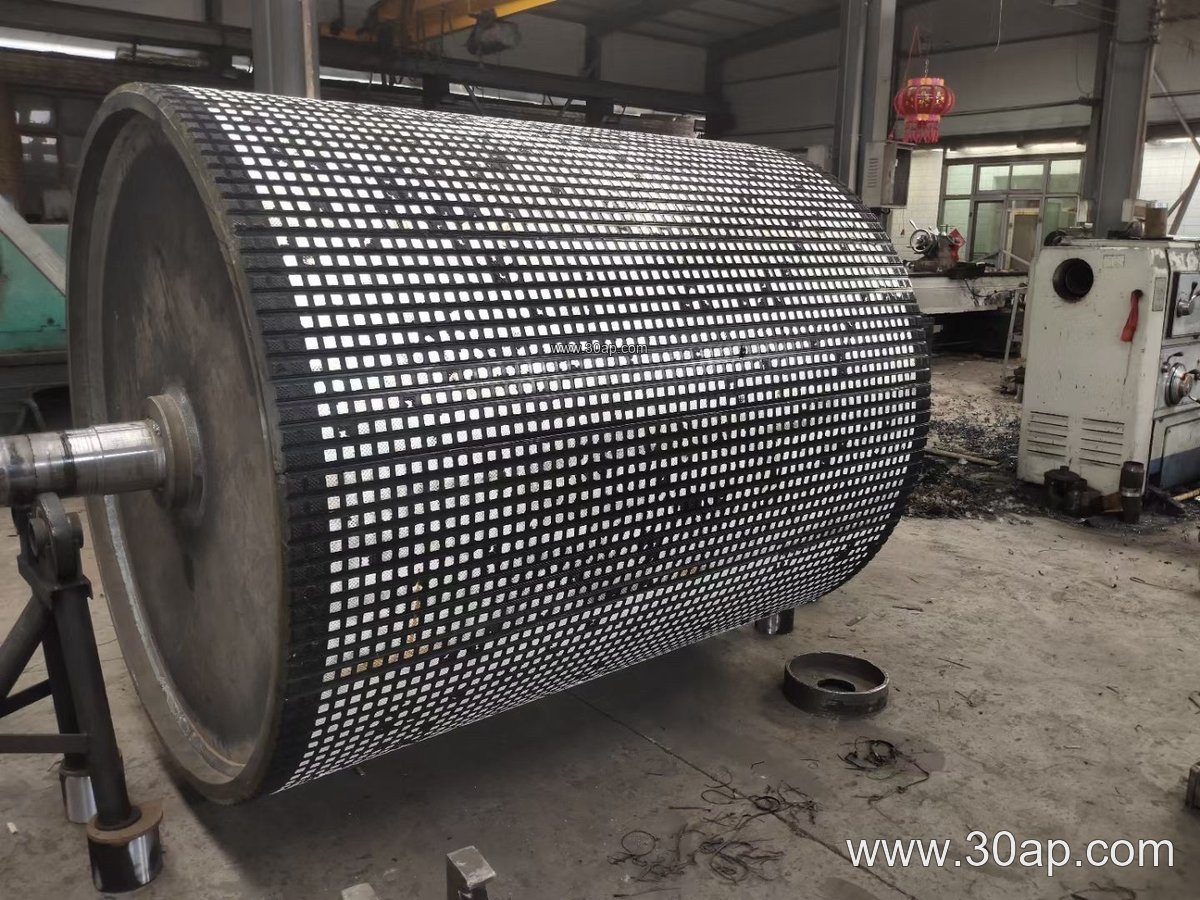
Surface finish is a separate decision from the body construction. A plain machined face suits many light and medium duties, while cast rubber, cold-bonded rubber, hot-vulcanised rubber, diamond lagging, herringbone lagging or ceramic lagging can be added where grip or wear resistance is needed. Lagging thickness is commonly 8, 10, 12, 15 or 20 mm, chosen against the duty rather than picked from a catalogue page.
Where It Fits on the Conveyor
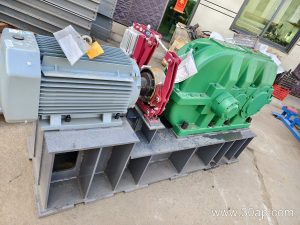
Position decides the job. A head or drive pulley transmits torque into the belt, a tail pulley returns it, and a bend pulley changes direction without driving. These roles are not interchangeable, and a drive pulley cannot simply be swapped for a tail pulley of the same diameter. An integral pulley can be supplied for any of these positions, but the shaft, bearing housing and lagging will differ.
In a coal mining conveyor or an underground coal mining conveyor, the drive position usually needs the strongest grip, so diamond or ceramic lagging is common there. On a power plant coal handling line, a bend pulley may only need a plain face. On a port bulk material conveyor, salt air and dust push buyers toward well-sealed bearing housings and corrosion-resistant finishes.
Matching the Pulley to the Belt
Belt width and pulley diameter are related but not locked together. A B800 belt is often run on a Ø500 or Ø630 pulley, and a B1200 belt may use Ø800 or Ø1000, but the final diameter follows the belt tension, the wrap angle and the shaft load. The table below shows common face-width references, not fixed pairings.
| Belt width | Typical pulley face width | Common diameter range |
|---|---|---|
| B400 | about 500 mm | Ø200 to Ø400 |
| B650 | about 750 mm | Ø315 to Ø630 |
| B800 | about 950 mm | Ø400 to Ø800 |
| B1000 | about 1150 mm | Ø500 to Ø1000 |
| B1200 | about 1400 mm | Ø630 to Ø1250 |
| B1400 | about 1600 mm | Ø800 to Ø1400 |
| B1600 | about 1800 mm | Ø1000 to Ø1600 |
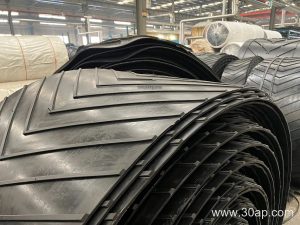
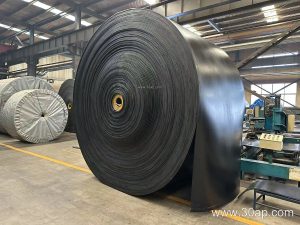
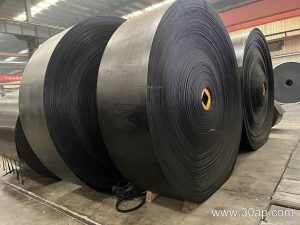
Shaft diameter is a separate calculation based on torque and bearing load. Common shaft sizes run from Ø50 up to Ø200, and a buyer should not assume a shaft size from belt width alone. The belt itself also shapes the choice: an abrasion resistant conveyor belt on a rock conveyor belt may need a larger diameter to limit bending stress, while a heat resistant conveyor belt on a cement cooler line may need a wider face to keep the belt centred.
What to Confirm Before Ordering
- Position on the conveyor: drive, tail, bend, take-up or snub.
- Belt width, belt type and maximum working tension.
- Required diameter and face width, with the wrap angle.
- Lagging type and thickness, if any.
- Shaft size, bearing centres and bearing type.
- Balancing class and surface protection for the site conditions.
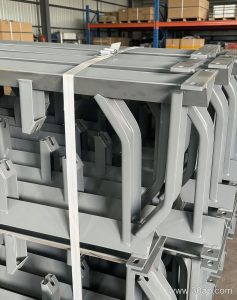
It also pays to check how the pulley sits in the frame. The conveyor bracket, the conveyor pulley bearing housing and the take-up arrangement all affect alignment. A misaligned bracket will spoil even a well-machined integral pulley, and belt tracking problems are often traced back to the frame rather than the drum.
Maintenance Notes
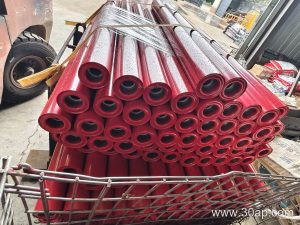
Check lagging wear at each shutdown, especially on drive pulleys in a sand making plant or an aggregate conveyor line where grit works under the belt. Listen for bearing noise and check for shell cracks near the end discs. Keep the conveyor idler roller set and the belt cleaner in good order, because a worn cleaner lets material build up on the pulley face and causes the belt to wander. For more on matching pulleys with belting, see the conveyor pulley guidance at conveyor pulley and the belt selection notes at EP conveyor belt.