What an EP Rubber Conveyor Belt Is
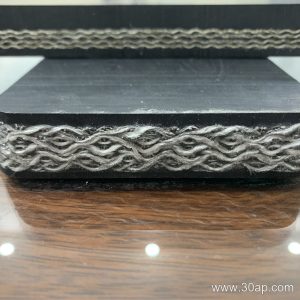
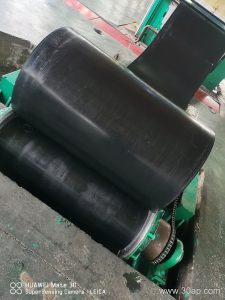
An EP Rubber Conveyor Belt is a fabric-core rubber belt built around polyester and nylon (EP) warp and weft yarns. The EP carcass gives the belt high tensile strength with low elongation, while the rubber covers handle abrasion, moisture and the daily punishment of a working conveyor line. Buyers often call the same product an EP Conveyor Belt, an EP Fabric Core Conveyor Belt, or simply a polyester-nylon belt. All of these names describe the same construction, so it helps to confirm the carcass and cover grade rather than relying on the label alone.
Compared with an NN Conveyor Belt, which uses nylon in both directions, the EP design usually offers better length stability. It also sits below a Steel Cord Conveyor Belt in raw tensile capacity, which makes it a practical middle ground for many medium- to long-distance runs.
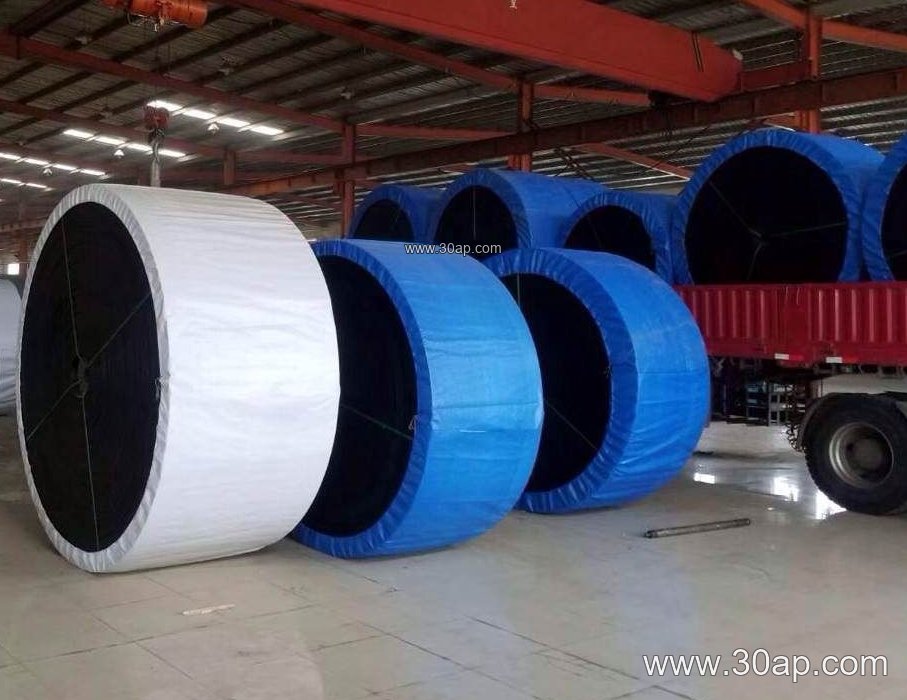
How the Belt Is Built
The carcass is made from several plies of EP fabric, bonded with rubber skim between the layers. A typical belt uses two to six plies depending on the duty. The top and bottom covers protect the carcass from wear, impact and moisture. Cover thickness is usually written as a pair of numbers, for example 4+2 mm or 6+2 mm, meaning top cover plus bottom cover.
- EP fabric carcass for strength and low stretch
- Rubber skim between plies to resist delamination
- Top cover sized to the abrasion and impact load
- Bottom cover for pulley contact and protection
- Optional edge protection and splicing preparation
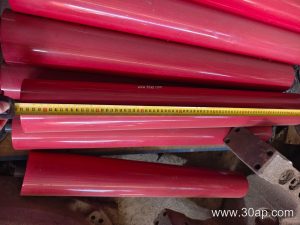
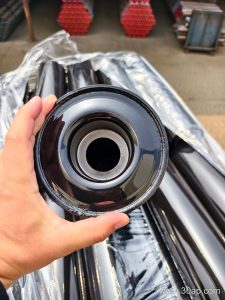
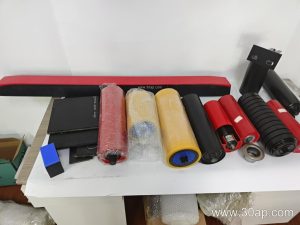
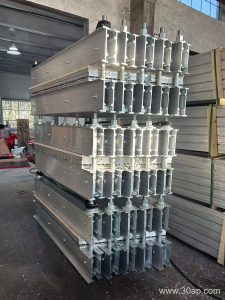
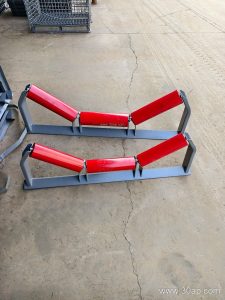
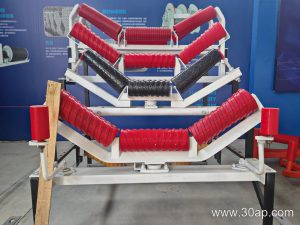
The belt runs over a conveyor pulley at the head and tail, and it is supported along the carry side by an idler roller set mounted in a conveyor bracket. These parts are separate components, not alternative names for the belt, and each has its own selection process.
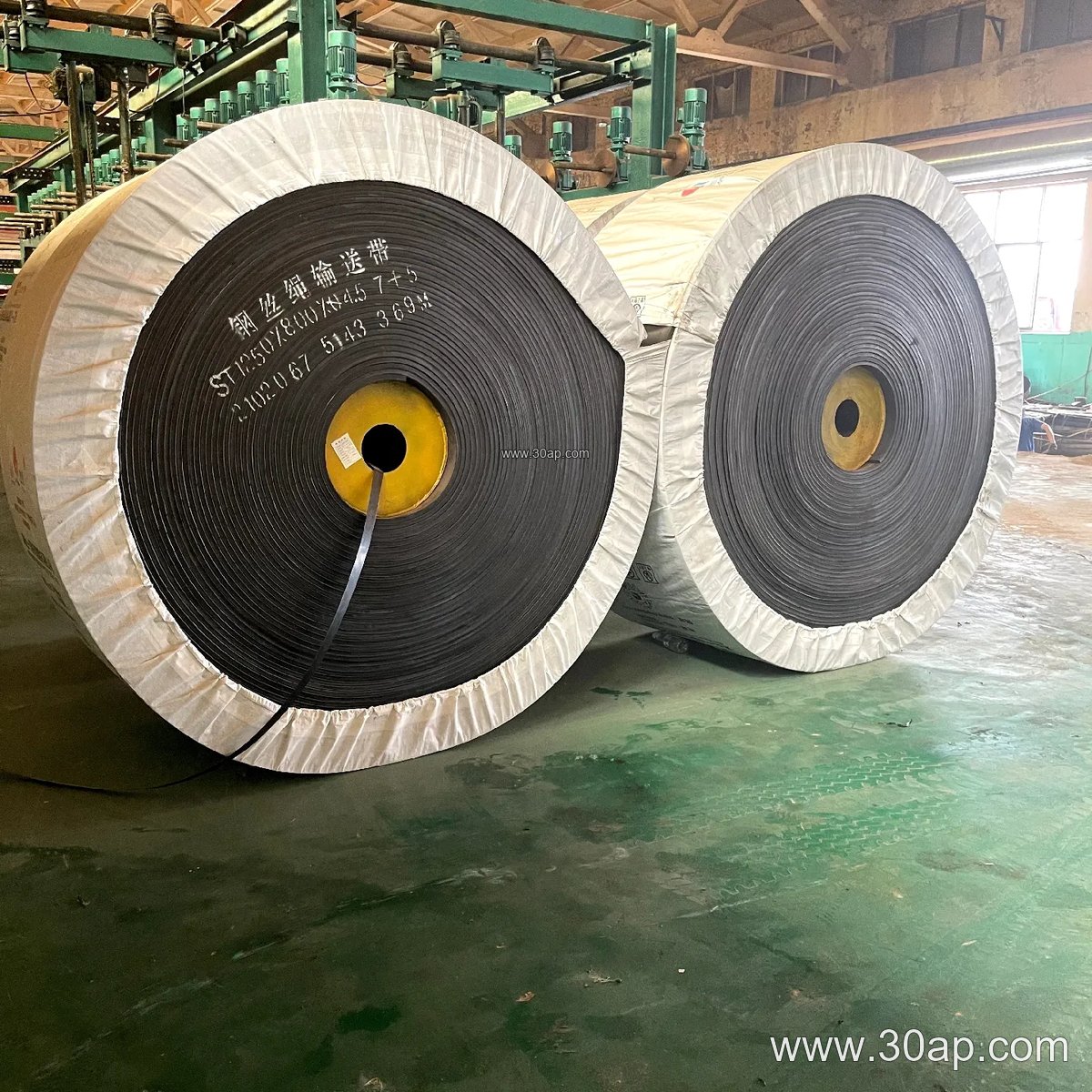
Common Strength Grades and Dimensions
EP belts are usually ordered by nominal tensile strength per millimetre of width. The table below lists common grades and typical belt widths as reference data. Actual supply should be confirmed with the manufacturer for each project.
| Strength Grade | Common Belt Widths | Typical Cover Options |
|---|---|---|
| EP200 | B500, B650, B800 | 3+1.5 mm, 4+2 mm |
| EP315 | B650, B800, B1000 | 4+2 mm |
| EP400 | B800, B1000, B1200 | 4+2 mm, 5+2 mm |
| EP500 | B1000, B1200, B1400 | 5+2 mm, 6+2 mm |
| EP630 | B1200, B1400, B1600 | 6+2 mm |
| EP800 | B1400, B1600, B1800 | 6+2 mm, 8+3 mm |
| EP1000 | B1600, B1800, B2000 | 8+3 mm |
| EP1250 and above | B1800, B2000 and wider | 8+3 mm or heavier |
These values are common references, not fixed pairings. A wider belt does not automatically dictate one pulley diameter, and shaft size must come from the full conveyor design rather than belt width alone.
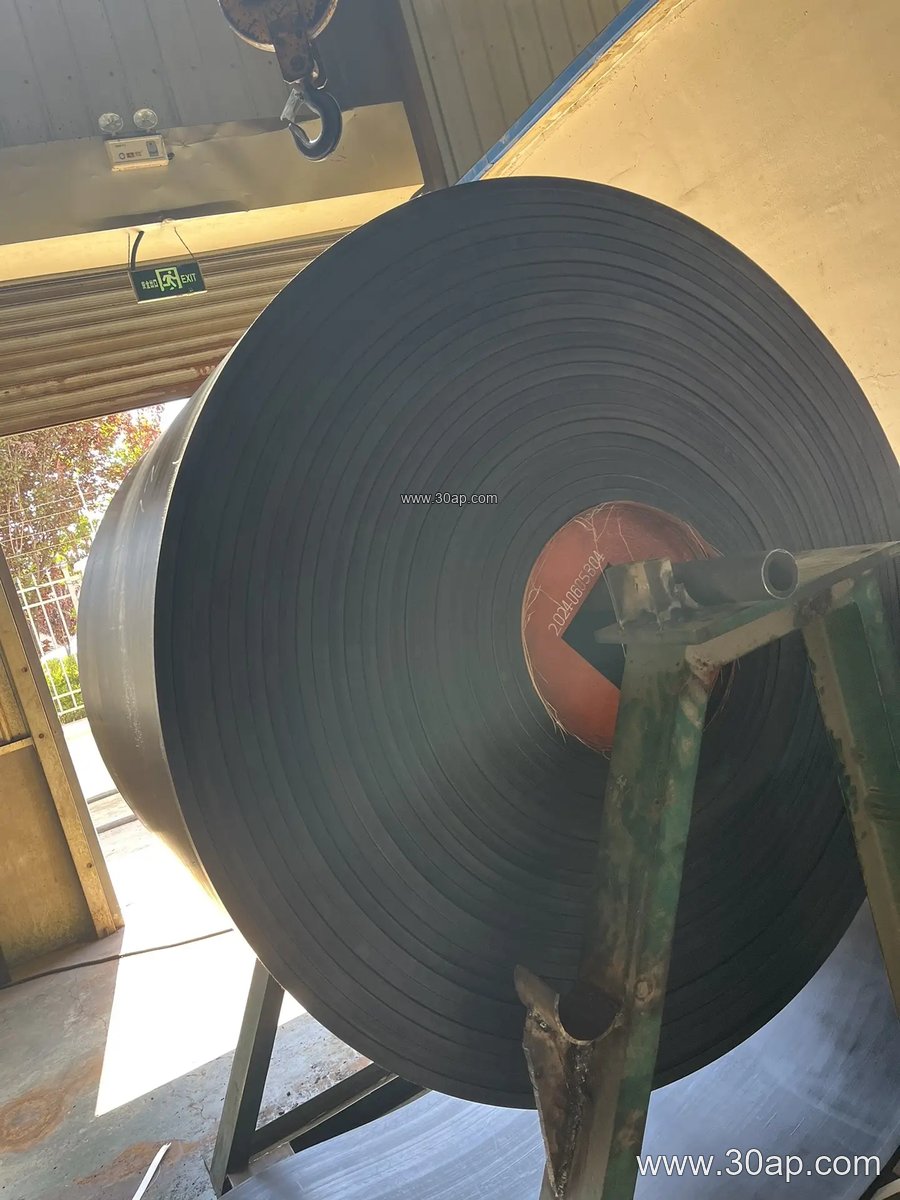
Where EP Belts Fit in the Plant
EP Rubber Conveyor Belts appear across mining, quarrying, cement, power generation and port handling. In a coal mining conveyor line, a flame retardant and anti-static cover grade is often requested. In a cement plant or power plant, heat resistant or abrasion resistant covers may be needed near kilns and crushers. A quarry conveyor belt or aggregate conveyor belt carrying sharp rock usually benefits from a high abrasion resistant cover, while an iron ore or copper ore duty may call for impact resistant construction at transfer points.
Other designs solve different problems. A Chevron Conveyor Belt or Corrugated Sidewall Conveyor Belt handles steep inclines, a Pipe Conveyor Belt controls dust and spillage, and an Endless Conveyor Belt suits short, fixed-centre machines. These are separate product types and should not be treated as drop-in replacements for a standard EP belt.
What a Buyer Should Confirm
- Required strength grade and number of plies
- Belt width and cover thickness, matched to the load
- Special properties such as heat, oil, cold or flame resistance
- Splice method and whether an endless belt is preferred
- Pulley, idler roller and bracket details from the conveyor design
For a reliable quote, share the material, capacity, incline, pulley sizes and ambient conditions. A well-matched EP Conveyor Belt, supported by correctly chosen rollers and pulleys, keeps a bulk material line running with fewer stoppages.